Female Disruptors: How Rising Music Star Ashley Zarah Aims To Shake Up The Dark-Pop Universe

I began to wonder how different the world would be if we all had the opportunity to meet regular people from different countries and different walks of life. When I was a kid, it was common for elementary students to have international pen pals. This was facilitated by our education system. If kids could be raised having pen pals from two or three countries for several years in a row, that would bridge a very large gap and teach children that we are all the same human beings just existing in different locations.

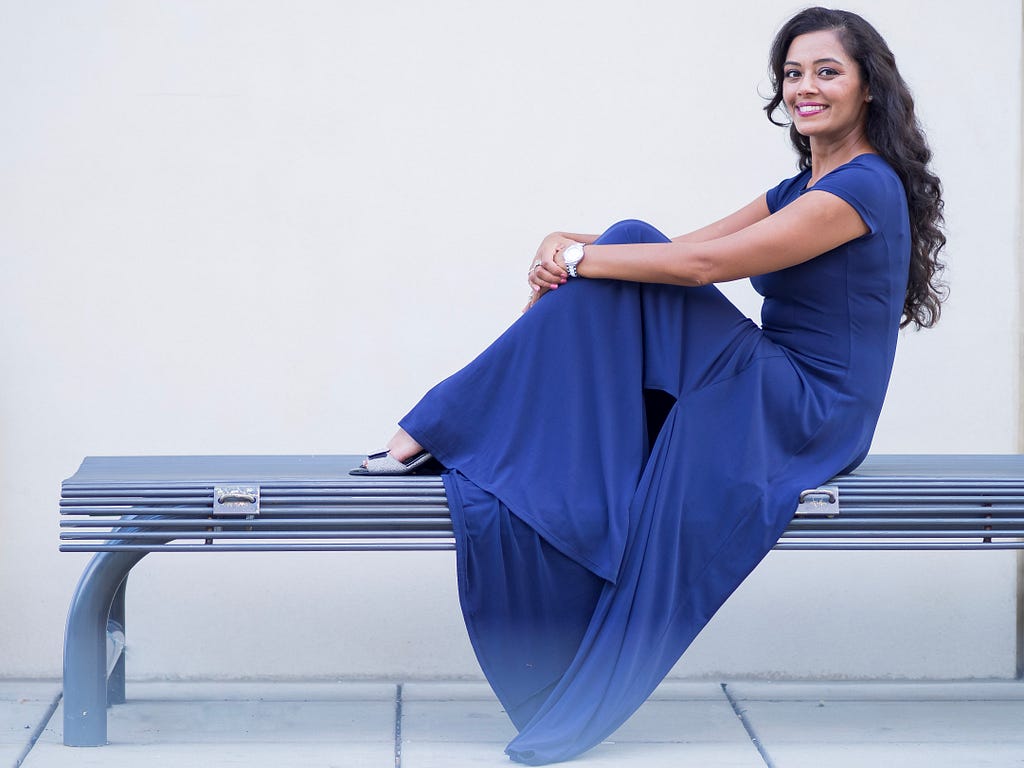
As a part of our series about women who are shaking things up in their industry, I had the pleasure of interviewing Ashley Zarah.

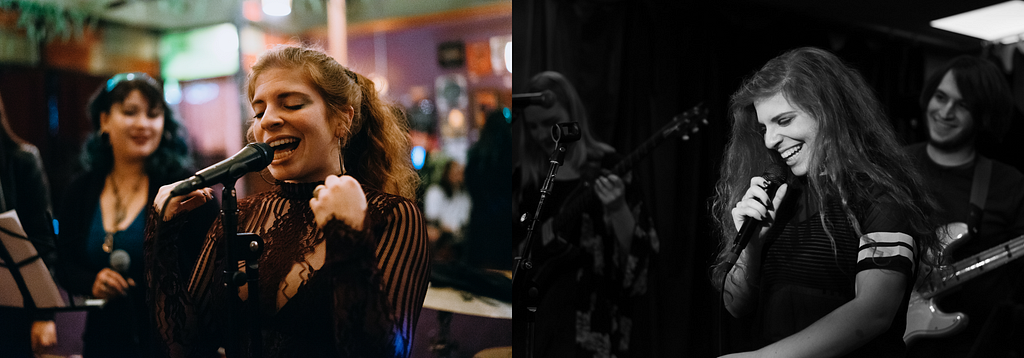
She is an Iranian singer/songwriter and Dark-Pop performer hailing from Los Angeles, CA. Merging millennial pain and pop culture, she is drawing listeners into her Dark-Pop Universe to engage with their truths in a world that is becoming increasingly superficial. While on scholarship at the highly prestigious art institution, Berklee College of Music, she revealed herself to be both a prolific writer and expressive vocalist but hooked viewers with her insight and relatability. Her Middle-Eastern influenced 2-track single Awake (produced by New England’s Producer of the Year 2013 and 2018, Sean McLaughlin) will be featured in the upcoming LA indie film, Back In the No. Her Valentine-themed release, “Like I Do,” is a Pop/Dubstep collaboration with electronic producer MKBLV that debuted on the world-renowned music editorial, The Hype Magazine, followed by a feature on NPR’s Sound Opinions: “Buried Treasures” segment. Zarah’s highly anticipated project, the Better Mess — LP, is currently in post-production for release in the Fall of 2020; leading with fan-favorite, “My Boyfriend,” as its first single in July.

Thank you so much for doing this with us! Can you tell us a story about what brought you to this specific career path?

I was raised in a music loving family, so it was easy for me to pick up the same attachment. The difference was, my family enjoyed it as a pastime (as many people do); whereas for me, it was a sort of religion. I reached out to music for everything; when I was looking for answers, when I sought comfort, when I needed a friend to both hype me up but also sit me down. But sometimes, despite all the music that exists, I couldn’t find the right song to describe what I was feeling or experiencing. So I started creating them. Then under a lot of force, I sang them for a few people, mostly just a few kids in my schools. We were literally children… but after I’d finish, I’d look up and see tears in their eyes. In a moment, I understood that maybe they were suffering from a pain that I was suffering from, and they were being forced to be quiet about it. Maybe listening to me made them feel understood, less afraid, and less alone. As I continued to dabble in the industry, I kept getting this reaction. Later in life, I accepted that I was a vessel for people’s healing; telling stories, thoughts and feelings in hopes that they would give a voice to those who felt unheard and suppressed. Having this ability made it pretty clear that my purpose is to heal others with art. I was told all my life that I would be a great lawyer or a great therapist, but I always felt I could bring more justice and more healing into the world with art. Music guides and saves people’s lives, myself included. It’s been that way since its inception, and it feels like my responsibility to continue that tradition for others.

Can you tell our readers what it is about the work you’re doing that’s disruptive?

So I come from a conservative Middle-Eastern background. There is a path that is strictly set for both men and women in this community; but for women, it’s much narrower. I was always being told how to dress, what to want, what to eat, how to behave, what to believe… Growing up, I saw that women in our community didn’t have their own identities. They were individuals until they became “Mom” and/or “Wife;” only meant to serve their kids, their husbands, and their in-laws. In the Iranian-Jewish community, procreating is seemingly every woman’s destiny; so if you’re a girl who doesn’t have marriage on the top of your to-do list by the age of 13, there is something wrong with you.

Revealing to people that I wanted to be a musician was extremely disruptive. It also became everybody’s business. People were sending their kids to talk to me, they’d lecture me at family events about stability and conformity, that this wasn’t the “Iranian way” nor the “Jewish way” — but ultimately everyone’s greatest fear was that I’d deviate from the path. Because “what man would ever marry a selfish woman who’s getting naked every night on tour, rather than staying home and raising his children?!” Clearly, I thought very differently than most of my community growing up. I may have grown up a social pariah, but now that I’m more self-assured, and now that I’m doing well, the same people who were threatened by my disruption of the status quo now admire my “boldness” or my “bravery” as they call it. They tell me how much their kids look up to me, that they feel represented and proud to see an Iranian woman challenging the music industry. They also see that my intentions are pure, that I’m a professional, and that I have a good heart. I think those paths they laid out for us from the beginning are paved with the intention of yielding just that. But when their kids choose not to conform, they no longer know who that child will become. The unknown is very scary, but the unknown is where growth happens. That’s where all the magic is.

We all need a little help along the journey — who have been some of your mentors? Can you share a story about how they made an impact?

My mentors have always been my teachers, and they’ve made an impact in countless ways, so I don’t have one particular story that comes to mind. I believe that teachers genuinely want to their students to succeed. Therefore, they need to be extremely observant and emotionally intelligent to be able to identify when a student may be struggling outside of the classroom. They sought me out because they saw something in me that needed nurturing and direction. With all the issues I had at such an early age, I was Grade-A addict material. My greatest fear in high school was alcohol, because I knew if I tried it and it eased my ailments, I would drink it day and night like water. I’m not sure if they even knew it when they’d hold me after class to just talk and listen — but I hold my teachers and professors accountable for rerouting my journey because they rerouted my thinking. They made me believe I was worthy of an education, I was worthy of success, that I was placed on this Earth for a unique reason, and that I had the power to make a difference.

Can you share 3 of the best words of advice you’ve gotten along your journey? Please give a story or example for each.

God gave you two ears and one mouth for a reason. — I was very influenced by my middle school math teacher. This statement was directed toward a really great kid, but nonetheless, a student who could not seem to stop talking during class. I remember exactly where I was sitting, watching the yellow glow of the overhead projector beam onto my teacher’s shiny head like a holy halo when he spoke these words of wisdom. As someone who never felt listened to, this struck a chord. There is so much that we miss when we insist on being the loudest in the room. This sentence emphasizes the value of silence and the value of learning. If you’re the only one talking, there are plenty of great things you’re probably missing out on. In music, our whole careers are based on how well we listen; to pitch, to harmony, to stories, lyrics, textures, mixes, masters — all of it has to do with staying quiet and really thinking about what we’re hearing.

Don’t worry about things that haven’t happened yet. — My entire family raised me, my brother, and my cousins on Persian metaphors and anecdotes. I owe a lot of my perspective to each and every one of them, but my father has an endless account of Iranian lessons to pull out of his pocket. One I heard countless times from him, was this. When I used to be faced with a problem, it felt like the world was collapsing because I was already dreading the domino effect that was bound to come. I would fall prisoner to a chaos that hadn’t even happened yet, wasting precious time and energy on something that did not exist and may not actually exist in the future either. I could be spending that time and energy on finding valuable solutions. By worrying about something that hasn’t even happened yet, we almost manifest it into existence. But confronting each problem one step at a time helps you remain more present and keeps your mind clear so you can actually anticipate and prepare for your next challenge.

Your perspective is everything — Two people can approach the same hurdles in life, but have completely different outcomes merely on the basis of their perspective. One may advance the hurdle as a challenge and are inspired by what they will learn afterwards; while another only sees a problem and focuses on their inabilities and helplessness. There are so many small choices we make every day that shape our way of thinking; our diction, how we frame our experiences, how we solve problems, etc. How we choose to see things will become what we see. Perspective is everything.
How are you going to shake things up next?

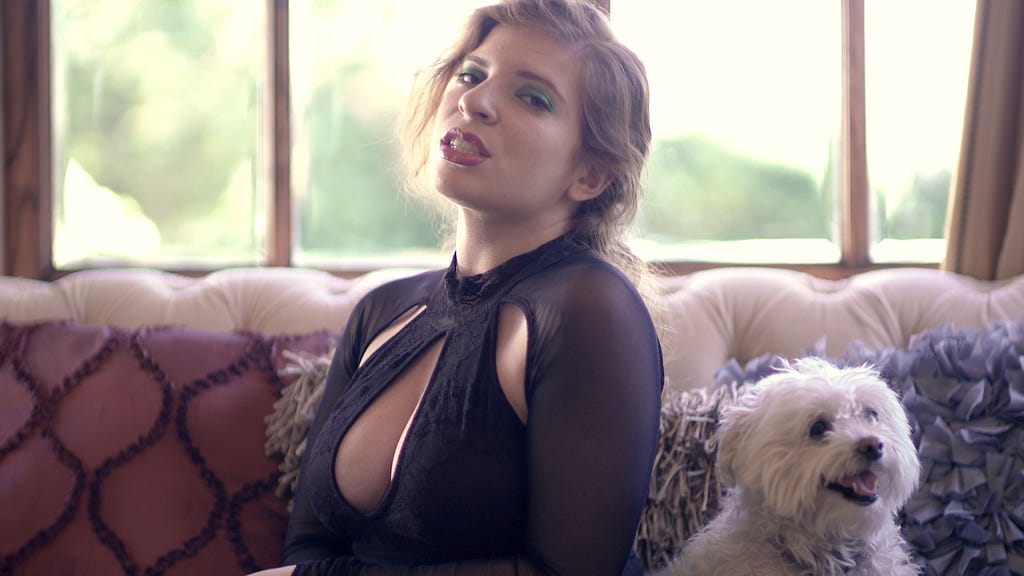
With my new LP! I call myself a storyteller before anything else because all that I’m really doing is telling a story, just in my own way. The Better Mess — LP is a collection of stories that encompass roughly the same theme — that denial of truth keeps us from growth. Every song is about admitting or exposing a difficult reality. Iranian culture is built on a lot of restraint. We are raised to be very moderate, always well-tempered, never opinionated enough to be disruptive — our culture is very much about our guests and how we treat others than it is about ourselves and our feelings. I have learned how to be an incredible host because of my upbringing, but I was also trained to be incredibly numb and ignore nearly everything that could make me visibly emotional. If you are visibly emotional, you are no longer moderate and likeable, and the community dissociates with you and maybe even your family. I think it should also be noted that there is a mental-health crisis in Iranian communities, and unfortunately it makes a lot of sense. Lifetimes of emotional repression will implode the host.

I was the type of person who openly debated on topics like women’s rights, politics, the LGBTQ+ community, racism, religion so on and so forth — but growing up, I was told that those discussions and ideas were inappropriate and a disturbance to others, then instilling guilt for possibly damaging our family’s reputation. The Better Mess — LP is inviting everyone to have those real-life discussions and to explore their truest feelings, publicly. The first song on it is about being sexually assaulted by a close friend. Another song analyzes Love’s destructive role in a family. These are taboo topics that normally I would be told to stop talking about; because, “it’ll just bother you and bother everyone else. Why don’t you sing about something pleasant? Like going to the beach!” This mentality inhibits people from healing by stifling their emotions, therefore damaging their mental health. I refuse to be quiet about what keeps us up at night. We have to study our wounds for them to heal, otherwise they’ll bleed forever, and even going to the beach will sting.

Do you have a book/podcast/talk that’s had a deep impact on your thinking? Can you share a story with us?

The Alchemist by Paulo Coelho is probably responsible for me applying to Berklee College of Music and pursuing music full-time. It follows a boy named Santiago as he travels the world seeking its most extravagant treasures; and on that journey, we learn some deeply moving lessons about seeking truth and finding “success.” I’d say the general theme is manifestation; understanding that the universe is on our side as long as we pursue our intrinsic purpose which, according to Coelho’s writings, is engrained within us at birth. It’s much like the Greek philosophy of telos. Pursuing one’s telos is akin to pursuing one’s innate ultimate end, purpose, or goal. So a knife’s purpose is to cut. If it cuts things, it is achieving its telos and adding harmony into the world because it is functioning just as it was “born to” or “destined to” per se. If us as individuals or as a collective, pursue whatever our telos is perceived to be, then we emit harmony into the world and aid in its functionality, also aiding our individual goals. When we don’t pursue our truth, our passion, or purpose, our part of the universal harmony gets broken and we gradually lose touch with not only ourselves but everything else around us because our great purpose is now lost. It’s essentially saying, if all people pursue what they love, the world would be a more harmonious place.

You are a person of great influence. If you could inspire a movement that would bring the most amount of good to the most amount of people, what would that be? You never know what your idea can trigger. 🙂

I’m blessed to have many friends from around the world, and so I’ve had the luxury of being welcomed into the homes of people with very different lifestyles and perspectives. I began to wonder how different the world would be if we all had the opportunity to meet regular people from different countries and different walks of life. When I was a kid, it was common for elementary students to have international pen pals. This was facilitated by our education system. If kids could be raised having pen pals from two or three countries for several years in a row, that would bridge a very large gap and teach children that we are all the same human beings just existing in different locations. Social media is a global platform that could easily connect us no matter how far apart we are. Imagine there was a pairing system, that when you create an Instagram account, you are instantly paired with 100 people with shared interests from around the world. Many would be surprised by the company they find and connect with. That would give people living in less diverse areas the ability to peek into the lives of those they may have otherwise misunderstood or feared.

Can you please give us your favorite “Life Lesson Quote”? Can you share how that was relevant to you in your life?

“Fear causes hesitation, and hesitation causes your worst fears to come true.” — I will admit, I am a very anxious person. No one else would probably say that about me, but I think it’s the truth. A good example of this is that I have a pretty big voice, but I wasn’t being taught how to use it correctly. Consequently, I used to be so scared about hurting myself when I sang, that I would hesitate right before certain notes, would suddenly fracture my confidence and technique, then would end up choking and cracking thus creating the exact outcome I was afraid of in the first place. My nervousness put doubt in the driver’s seat and it negatively affected all aspects of my work because it was like leaking poison into my self-confidence. I think about this quote before I do nearly anything that makes me nervous, because I know the nerves can block me from performing at my best. If I’m going to contact someone about collaborating, I pitch to them with enthusiasm; I don’t tear myself down in the e-mail. If I’m sharing my music with others, I’ll do it with pride and love, not with fear and doubt. This quote not only shifts my perspective on a daily basis, it also affects my practice regiment. The more I thoughtfully practice, the more confident I become in my vocal and writing abilities. So when I’m playing a live show and that intimidating note comes near — I tell myself, “you’ve done this a million times! You know how to do it,” and my hesitation is replaced with self-assurance. My audience can feel all my energy through my microphone. If I clench up, they feel it. If I’m open and laughing, they feel it. So the success of my business is ultimately based on my own confidence.

How can our readers follow you online?

They can join the Dark-Pop Tribe by subscribing to my website at AshleyZarah.com and following me on Instagram, Twitter, TikTok, and Facebook. I’m looking forward to sharing the music with you all!

This was very inspiring. Thank you so much for joining us!


Female Disruptors: How Rising Music Star Ashley Zarah Aims To Shake Up The Dark-Pop Universe was originally published in Authority Magazine on Medium, where people are continuing the conversation by highlighting and responding to this story.

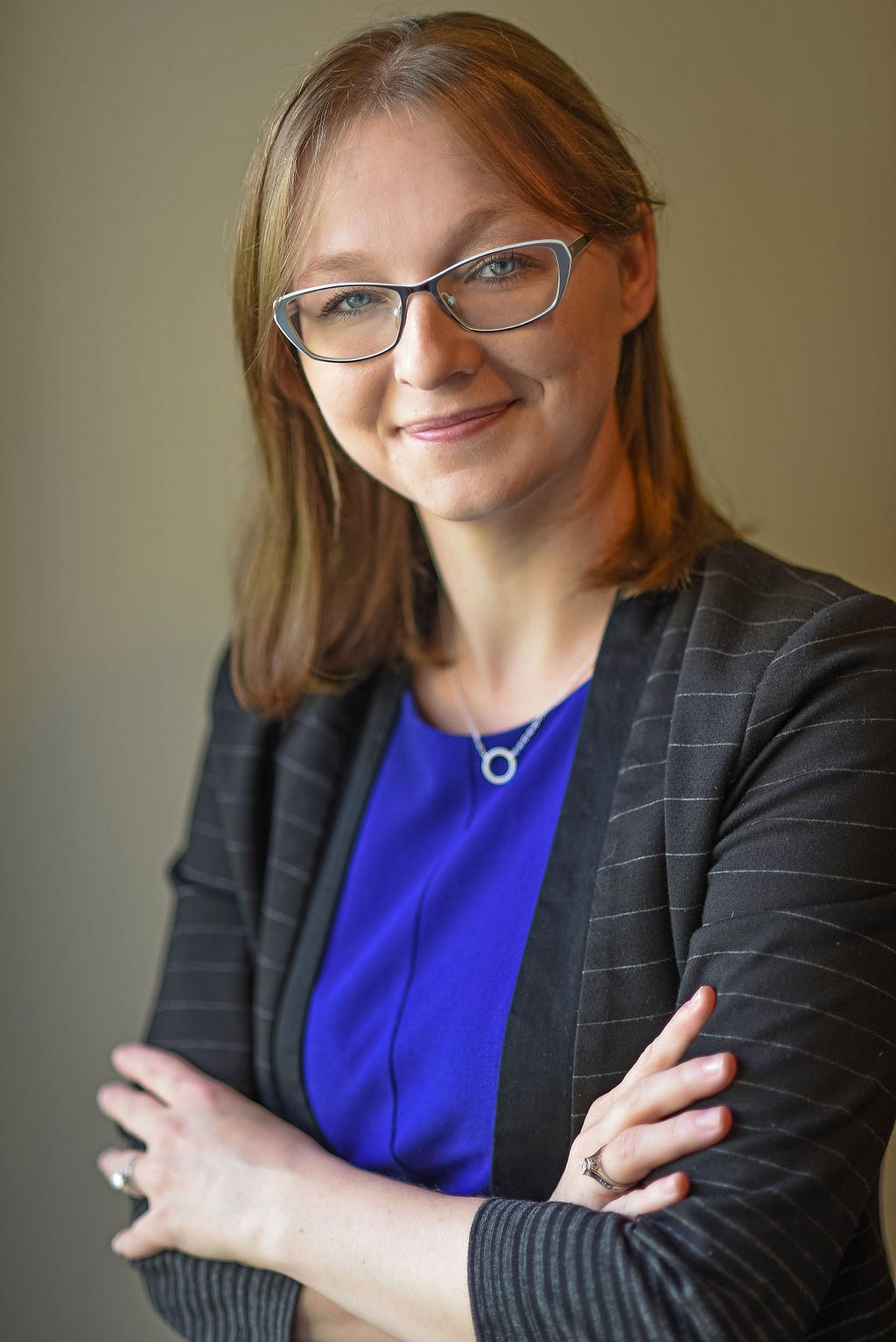
Elizabeth Walgram of Segal: 5 Things We Need To Do To Close The Gender Wage Gap

We need to make sure that we continue talking about the pay gap as a society, that legislative action doesn’t slow down, and that internal equity is top of mind at all times. This is especially crucial in economically challenging times like a pandemic.

As part of my series about “the five things we need to do to close the gender wage gap” I had the pleasure of interviewing Elizabeth Walgram.

Elizabeth is a Senior Consultant at Segal, the employee benefits consulting firm, where she focuses on compensation and organizational development. She identifies, investigates and tracks pay inequities based on gender and race, and then works to fix the issues. Elizabeth partners with clients on a variety of projects, including total rewards strategy, competitive analysis of compensation, incentive design, career frameworks, salary structure design, and change management. She works with higher education institutions, not-for-profits, from privately held to publicly traded organizations. Elizabeth is a founding member of Segal’s Pay Equity Taskforce.

Thank you so much for joining us! Can you tell us the “backstory” that brought you to this career path?

I have always had an insatiable curiosity and love to learn, so a consulting career seemed like a natural fit. At the same time I had an interest in the “human side” of business, not just operations. I wanted to understand what motivates people, what keeps them engaged? How do you best reward them? These questions led me to explore human capital topics. I started working as a compensation consultant right after college and stayed in the field, because it continues to evolve and change — it’s never boring!

Can you share the most interesting story that happened to you since you began this career?

At the last WorldatWork’s Pay Equity Symposium I had the opportunity to hear Megan Rapinoe speak. She talked about the women’s soccer team’s fight for equal pay. It was a fascinating presentation for two reasons. First, when people think of the pay gap, they immediate think about the “business” world. But this issue touches so many areas. Sports and entertainment don’t come to mind at first. But secondly, as a pay equity consultant, I deal a lot with numbers. Pay equity analyses are supposed to quantify and rationalize the pay gap, “explain it away”. And here we had the American women’s soccer team, beating the men’s team in so many quantifiable measures, and yet that wasn’t enough. This tells you that numbers aren’t everything. The pay gap is a complex challenge that requires multifaceted solutions, but these solutions need to begin with an acknowledgement of the problem and the willingness to fix it.

Can you share a story about the funniest or most interesting mistake you made when you were first starting? Can you tell us what lesson you learned from that?

I grew up in Europe, in a culture with very traditional, standard names. When I moved to the U.S., I was surprised by the freedom surrounding names — you can name your daughter or son practically anything you want. And some names can be male or female! For example, when I first started working as an Associate Consultant, I had a colleague with whom at first I dealt with only via email. For weeks I thought the person was a female, until someone finally told me otherwise! How embarrassing for a junior employee to keep calling a Senior Vice President by the incorrect pronoun. This innocent mistake got me thinking a lot about bias. Are people treated differently because of what gender or race their name implies? Is a person considered less competent? There has actually been a lot of research on this topic and unfortunately much of it points to unconscious bias. We all need to be careful not to let it silently slip into our decision making.

Ok let’s jump to the main focus of our interview. Even in 2019, women still earn about 80 cents for every dollar a man makes. Can you explain three of the main factors that are causing the wage gap?

This is a frequently quoted statistic, because it sounds very simple and powerful. It catches everyone’s imagination. But unfortunately, nothing about the wage gap is simple. There are a lot of complexities and these are not mentioned as often. For example, in my opinion the biggest challenge is that we have a representation gap. First, employers need to realize that even if they are legally compliant when they pay similarly for similar jobs, they still need to attract both genders to apply for each job posting. And even if you have a diverse candidate pool, you still need to deal with subconscious bias during the application process. Second, employers may need to reconsider some of their interviewing processes and hiring practices (e.g. resumes without names, calibrating starting offers, training managers). And lastly, employers need to think about pay equity during the entire employee cycle. For example, women are still more likely than men to take time off for medical leave and then often face a penalty that men don’t. Smart employers may want to think about enhancing and encouraging use of their paternity benefits. And they need to consider how these types of things (among many others) factor into promotions.

Can you share with our readers what your work is doing to help close the gender wage gap?

I help clients determine if they have any pay inequities by gender and/or race, and then I develop a plan on how to address these inequities. I conduct a deep-dive analysis to identify trends and issues, as well as highlight outliers for further inspection (why are there outliers, which ones are okay, which ones require adjustments). These quantifiable results allow clients to see issues that are not easily spotted. What really gets me excited is that going “beyond the numbers.” I help our clients look at pay equity in a holistic manner. What things contribute to inequities? What aspects of their pay programs or policies are contributing to inequities?

Sometimes, it’s very minor things. For example, I once had a client that had a policy to close an application when they reached a certain number of applicants. Over time, the organization realized that they didn’t have many minority employees, even though they were headquartered in a very diverse community. With closer inspection they realized that by closing the application early, they primarily got candidates referred by current employees, and it was a never ending cycle of similar employees hiring people just like them. That was not the intent of the organization — they craved diversity! A simple change to the policy to require a diverse pool before closing the application fixed the problem. Yes, the hiring process took longer, but the results were beneficial. Through addressing challenges like this one, I help organizations think proactively and creatively about internal pay equity.

Can you recommend 5 things that need to be done on a broader societal level to close the gender wage gap. Please share a story or example for each.

  1. We all need to think more creatively and holistically about the gender wage gap. We need to look beyond just the numbers — peel the onion to uncover areas that are not obvious. And it’s time, since we’ve been battling this for too long
  2. It’s time to ask ourselves — what are the fundamental barriers that women face? One of them are gender stereotypes. As a society we often still think that some jobs are more suited for one gender or another. Can’t a woman be a CEO or President of the United States, just as much as a man can be a nurse? When my 2-year old daughter grows up and choose her career, I hope she is comfortable enough to consider any job that fascinates her.
  3. Stereotypes go deeper than just the career choices of men and women. It’s the language used around gender. For example, men are often described as assertive, but the same characteristic in women is viewed as aggressive or cold. These are often subconscious biases, and the only way to combat them is to talk about them and make employees and employers aware of them.
  4. Kick up workplace training about negotiation styles. Bias training in the workplace is helpful, but training about negotiation styles is currently rare. Women are often considered weak negotiators. But that is not necessarily the case. In fact women often negotiate as much and as effectively as men, but their success often depends on who sits on the other side of the table. As a society, we should make sure that the other side of the table is diverse.
  5. We need to make sure that we continue talking about the pay gap as a society, that legislative action doesn’t slow down, and that internal equity is top of mind at all times. This is especially crucial in economically challenging times like a pandemic.

You are a person of great influence. If you could inspire a movement that would bring the most amount of good to the most amount of people, what would that be? You never know what your idea can trigger. 🙂

I would want to inspire a movement that encourages people to think and act in a more unified way. We have so much in common and we could use some more focus on what unites us, not what separates us. Recent events with the pandemic and Black Lives Matter movement have shown that we still have a lot of discord in society. Increasing tolerance and respect will help lead us into the future and I hope there is increased tolerance by the time my daughter reaches my age.

Can you please give us your favorite “Life Lesson Quote”? Can you share how that was relevant to you in your life?

“Listen more often than you speak.” Over the years I’ve discovered that listening is much tougher than talking. People are usually afraid of silence, of those awkward quiet moments. So, they tend to spend more time thinking what they will say next rather than listening to what the other person is saying. Or they talk a lot to fill the silence. In both of these cases you don’t learn very much. Being a good listener is a skill that is important both in the business world and your personal life.

We are very blessed that some of the biggest names in Business, VC funding, Sports, and Entertainment read this column. Is there a person in the world, or in the US whom you would love to have a private breakfast or lunch with, and why? He or she might see this, especially if we tag them. 🙂

I have been impressed by the accomplishments of Meg Whitman. Over the last several decades she’s been breaking the glass ceiling at some of the largest American companies. But, she goes beyond business as well as a political activist and philanthropist. I have lots of questions to ask her. We may need a seven-course lunch!


Elizabeth Walgram of Segal: 5 Things We Need To Do To Close The Gender Wage Gap was originally published in Authority Magazine on Medium, where people are continuing the conversation by highlighting and responding to this story.

Penney De Pas: “They Told Me It Was Impossible And I Did It Anyway”

I was my own biggest “naysayer.” I thought it was impossible to be an artist, but the universe works in magical ways, making it almost impossible for me not to own finally my artistic, creative self.

As a part of our series about “dreamers who ignored the naysayers and did what others said was impossible”, I had the pleasure of interviewing Penney De Pas.

Penney wanted to be an artist ever since she could hold a stubby crayon in her toddler fingers. Once, in second grade, she was determined to go back to school immediately following oral surgery and anesthesia just so she could attend art class. Throughout middle and high school, she always took art classes, and on field trips would go into New York City to visit the famous art museums and galleries where she told herself that her school-level art work “would never be good enough” to grace their walls.

Thus resigned to never achieve her dream, Penney settled for being an arts supporter, arts advocate, art history major in college and graduate school, and finally an arts administrator. But every job to be an arts administrator ended abruptly. Her “personality” did not seem to match what the managers or board members wanted. After a stint working on Wall Street, she finally found her niche as an association executive, from 1980 until she retired in 2017, earning her Certified Association Executive (“CAE”) designation in 1992.

In 1997, while attending a personal development course called the Landmark Forum, it dawned on Penney that her self-condemned “not good enough” sentence was merely a story that she had made up, and she could un-author it. The possibility seed of being an artist began to sprout again, slowly, blossoming into her declaration to be an artist in 2002. She has been painting and exhibiting ever since. And once the painter artist came out, other creative personas also wanted to join the fun: dancer, writer, pianist.

Thank you so much for joining us! Our readers would love to ‘get to know you’ a bit better. Can you tell us your ‘backstory’?

My family of origin on my mother’s side does have some minor artists in it, including a great-great uncle who was a British Impressionist of some repute in the Staves School. My mother liked to draw and write poetry, so she did encourage art as a hobby. I also participated in theatrical activities in high school and college, mostly as a set designer, costumer, and usher, rarely “out front.” However, there was also a pretty strong scarcity conversation in my surroundings about “How can you make a living being an artist?”

A couple of years after I did the Forum, I was learning how to be a “life coach” in a program called “The Coaches Academy” and was assigned a coach for the program. She asked me what I wanted to work on, and my response was that I wanted to own a craft gallery and start a life coaching business. Within the week, I passed a craft gallery on my route to pick up my daughter at summer camp and I registered in the then-three-year Coach University program. I made contact with the craft gallery owners, and joined as one of five partners in December 1999. We kept the gallery going until July 2001 when we felt retail slipping and sold everything down to the bare walls. Less than six weeks later, the attacks on the World Trade Center and Pentagon occurred on 9/11, so we were very glad we bailed out of the business when we did.

In March 2002, in a second round of layoffs at my association job, my boss cut my hours back to half-time. In casting about for something to fill my time, I registered for a watercolor class beginning in April at a local arts center in the afternoon — something I could not have done if I was still working full-time. Meanwhile, I had two friends who were dealing with advanced stages of cancer — the first one dying in late June and the other in early August. Their deaths had a profound influence on my artwork; I used it as grief therapy and painted portraits of them both. I think that is why I am drawn to subjects of strength and fragility, of the eternal and the ephemeral.

A year after I began watercolors, a friend from my Landmark seminars suggested I have an exhibit at a local frame shop where she knew the owner, who was also teaching a basic framing course. He liked my work, and after I framed some of it, we held my show a month later at his shop. I sold seven paintings at that first exhibition…more than van Gogh sold in his first lifetime!

Art is a practice, so I continue to take classes, give a coaching program for those whose “artist within” is in hiding, and have branched out to charcoals, acrylics, and Chinese brush painting. In 2005, I learned belly dance, then moved onto partner dancing in swing, ballroom, Latin, and Argentine tango. In 2013, I published my first book. My life purpose is to enrich people’s lives with images and stories. I believe art is an outer expression of our inner soul’s flowering and an access to the mystical.

Are you working on any new or exciting projects now? How do you think that will help people?

With the onset of the COVID-19 pandemic, I first took on updating my art website, penneydepas.com. I realized I would have to pivot from in-person gallery sales to an online presence, now selling to a wider geographic region. I have been scaling the social media learning curve and searching out different methods to reach an ever-expanding audience. Using skills and connections I have made through my continued involvement in Landmark Worldwide programs as well as my coaching tools, I have been engaging in areas I would not have thought possible before the pandemic.

Recently, I partnered with another coach who is a Landmark graduate. Together, we developed a coffee table book, The Art of C.O.R.E., which pairs over 23 of my paintings with his “21-Day C.O.R.E. Challenge” concepts. My painting “buddy,” whom I also met in the Landmark work, has also been a supporter over the years; we have shared studio space and partnered together to hold art shows. Another painting buddy and I are discussing organizing an artist retreat. And I have presented my own courses, “Finding the Artist Within,” “Sustaining the Artist Within,” and “Stoking the Creative Fires” at arts organizations, churches, and the Osher Lifetime Learning Institute.

I think I serve largely as a role model of someone who has gotten out of her own way and over her own “story” to take on inspiring projects that enliven and expand my life and that of others.

In your opinion, what do you think makes your company or organization stand out from the crowd?

Essentially, my artwork is pitched at the budding art collector. It is moderately priced and relatively small, so that it fits in a residential setting rather than a huge corporate lobby. I also have a series of “minis” that are small for those people who are downsizing, living in tiny spaces or urban settings, and are “gift-sized” and priced.

My courses are for those people who, like I did, have disempowering conversations about why they cannot allow themselves the time to be art makers and how they can break through those conversations to truly find their own inner artist.

Ok, thank you for that. I’d like to jump to the main focus of this interview. Has there ever been a time that someone told you something was impossible, but you did it anyway? Can you share the story with us? What was your idea? What was the reaction of the naysayers? And how did you overcome that?

I was my own biggest “naysayer.” I thought it was impossible to be an artist, but the universe works in magical ways, making it almost impossible for me not to own finally my artistic, creative self.

In the end, how were all the naysayers proven wrong?

I entered an early watercolor of some apples into a charitable art auction, pricing it at $65. It sold for $150! (Okay, maybe that was a “fluke”!) Selling those first seven paintings at my inaugural art exhibition started to challenge my negative self-talk about not having sufficient talent. Last year, I had two paintings juried into a national art show. It is getting tougher to believe the negative self-talk anymore!

None of us are able to achieve success without some help along the way. Is there a particular person who you are grateful towards who helped get you to where you are? Can you share a story about that?

As you know, “it takes a village.” First, I appreciate my boss, a former full-time artist himself, who cut back my hours and encouraged my artistic endeavors. Then, I am grateful to my friend who introduced me to the art framer for my first art show. Several friends purchased my early artwork and cheered me on. Of course, every art teacher I have had has encouraged me, and my painting buddies have been very supportive.

It must not have been easy to ignore all the naysayers. Did you have any experiences growing up that have contributed to building your resiliency? Can you share the story with us?

There are quite a few, but the one that I feel I can share is that, on the last day of 7th grade, I went with two friends to one of the girls’ homes. We were playing around and the other two ran outside of the house, ran around the house as I chased them, and ran back in the house, locking me out. I went home, crying all the way, and explained to my mother what happened. Later the girls came by with my report card, but I refused to see them. That summer, my mother taught me to cook and sew, using craft to help me get over the sadness and build my skill sets, as well as strengthening my personal resilience.

Based on your experience, can you share 5 strategies that people can use to harness the sense of tenacity and do what naysayers think is impossible? (Please share a story or an example for each)

First, I think one must recognize that any version of “I can’t, “I shouldn’t,” “That’s not possible,” etc., is a disempowering conversation that has been learned over time. You were not born with those ideas. Those around you gave them to you; they are not natural. Fear is not God-given; it is a human phenomenon.

Second, recognizing that negative self-talk and fear are learned, human behavior, how can that be altered? One of my favorite quotes from the book Who Moved My Cheese? is “What would I do if I was not afraid?”

Third, whom do you admire or look up to? Who are your role models? What qualities do they have that you admire? What action would you take if you stood in their shoes for a little while?

Fourth, remember that the naysayers are coming from their own inadequacies and negative self-perceptions. It is about them and not you. You do not have to buy into their “stories” about what you can and cannot do. I have seen people in wheelchairs able to walk again and go skydiving.

Finally, on your deathbed, what would you regret not having done, said, or experienced in this lifetime? Are you willing to die with your music/art/creativity/forgiveness/love still inside you?

What is your favorite quote or personal philosophy that relates to the concept of resilience?

“Ah! But a man’s reach must exceed his grasp, or what’s a Heaven for?” — Robert Browning. My art business is “A woman’s reach.” Keep on reaching beyond what you think you can do, as that is where the gold is.

You are a person of great influence. If you could inspire a movement that would bring the most amount of good for the greatest number of people, what would that be? You never know what your idea can trigger.

People having the knowledge, skills, and tools to access their own inner creative flowering and having the world recognize all the arts as important as athletics.

Can our readers follow you on social media?

I am on Facebook, LinkedIn, Instagram, and Tumblr under my name or “A Woman’s Reach” as well as my website, penneydepas.com.


Penney De Pas: “They Told Me It Was Impossible And I Did It Anyway” was originally published in Authority Magazine on Medium, where people are continuing the conversation by highlighting and responding to this story.
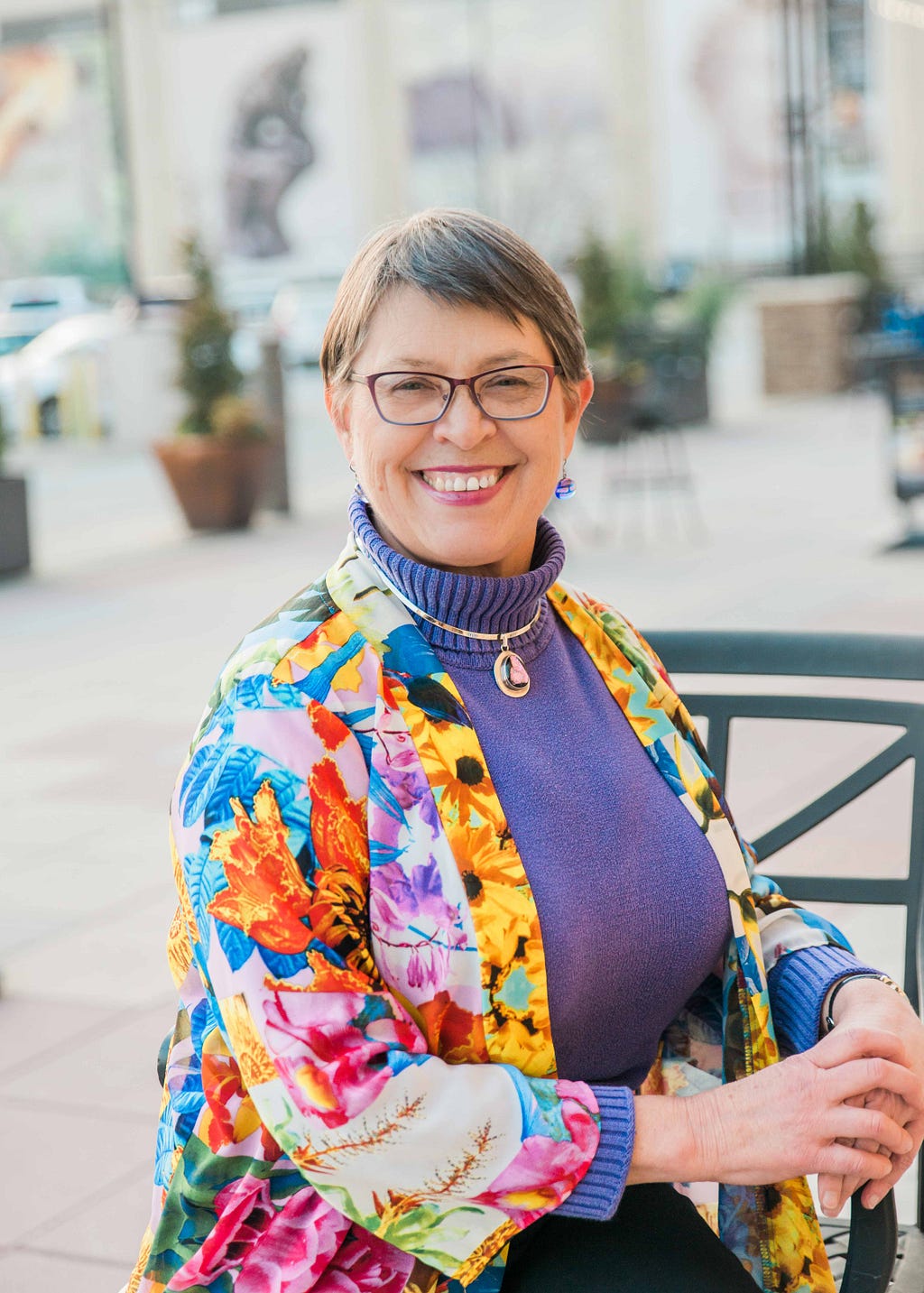
Dipal Shah of Ananda 4 Life: “They Told Me It Was Impossible And I Did It Anyway”

Today business is thriving, and I’m growing and learning every day. I will never again let anyone tell me something is impossible.

IMPOSSIBLE just needs an apostrophe. I’M POSSIBLE.

As a part of our series about “dreamers who ignored the naysayers and did what others said was impossible”, I had the pleasure of interviewing Dipal Shah.

Dipal Shah is a Medical Intuitive, International Speaker and Spiritual Teacher. She connects with people globally to help them become Pain-FREE. She is the creator of Ananda 4 Life, LLC which provides holistic quantum energy healing services. From a career in pharmaceutical sales to energy medicine, Dipal uses her experience to help others switch on the body’s natural healing processes. She has helped 1000’s of people in over 90 countries get back their quality of life. She is featured on the top Telesummits around the world and hosts her own podcast “Conversations with Dipal”. Dipal knows what it takes to go from Impossible to possible and not giving up on her vision and dreams. Dipal’s new inspiration is an online platform called “The Global Gathering”.

Thank you so much for joining us! Our readers would love to ‘get to know you’ a bit better. Can you tell us your ‘backstory’?

I lived in New Jersey for the first part of my life, then my family moved to Kentucky when I was 14. I remember this being a very difficult adjustment. My younger brother and I relied on one another a lot during this time because our parents were very busy trying to provide for us. I remember feeling very lonely and frustrated during my teen years. Many things seemed impossible then. But I watched my parents and realized that there was a whole world out there, beyond just myself, which can be yours if you walk toward it. When you’re feeling stuck in a rut like I was then, you have to figure out why you’re there and where you want to go. This has played out again and again in my life, like the universe is reminding me of what I am capable of when things feel impossible.

Are you working on any new or exciting projects now? How do you think that will help people?

Yes! In April, I began an online healing platform which was intended to be a one-time healing event to help people get through the early days of the pandemic. There was so much uncertainty, fear, and anxiety I knew I had to do something. I brought 3000 people together with 15 healers within 7 days.

Because of the overwhelmingly positive response, it has evolved into the only online healing platform where anyone can seek assistance and positive energy to transform their life. “The Global Gathering” allows healers, visionaries, singers, meditators, and spiritual activists from around the world to unify as ONE for an hour and a half to share their gifts and divine light. It is a place where consciousness awakens, transformations are made and deepened, and weakened support systems are strengthened for all who attend.

As this pandemic has worn on, I have seen that people need lots of support — mental and physical. Again, the universe reminds me that it is the POWER OF ONE that heals us and what people thought was impossible to create in a short time frame became possible.

In your opinion, what do you think makes your company or organization stand out from the crowd?

Ananda 4 Life, LLC has something for everyone. If you are looking for personal growth, or seeking to learn a healing modality, or maybe needing a community to be a part of, Ananda 4 Life is always there for you. Ananda means “divine bliss” which is what I try to share with everyone involved. Everyone is on some kind of journey and Ananda 4 Life can help you take those steps along that journey, be it spiritual, healing, or finding purpose. Everyone has goals in life, even if they don’t know them yet, and I try to help all of my clients find them and move toward them. Every journey is important to me, and I will do everything in my power to make sure you have what you need to get to feeling the joy again in your life.

Ok, thank you for that. I’d like to jump to the main focus of this interview. Has there ever been a time that someone told you something was impossible, but you did it anyway? Can you share the story with us? What was your idea? What was the reaction of the naysayers? And how did you overcome that?

Everyone has heard the phrase, “That’s impossible,” many times during their life time, even as a child. And that’s a shame because children are open to so many things, but often are shut down with those few words. So many ideas and theories and creations could be lost because a child was told that it is impossible.

I remember being told, “Dipal, that is impossible” when I was young, but I look back and realize I was still able to do it. I believe now that you must try something to know of it’s possible or not. Sometimes something works and sometimes it does not, and what may be possible for you may not be possible for someone else. Life is trial and error, and again, that big universe reminds you that you never know until you try.

One thing that I made what seemed to be an impossibility into a reality was setting up a remote healing practice. When I was first approached by a telesummit speaker, we discussed what I ultimately wanted to do, and she connected me with a host of one of the largest telesummits in the industry. I knew that in-person healings were limiting, and that an online platform had so much potential. This dream seemed so impossible at first, but I had to take that step to believe in myself and follow my intuition. Could I make my passion a real online business? Where did I see this vision taking me? Would it actually work? I realized that I had to invest not only myself and my time, but my money as well. The monetary part seemed so much at the beginning, but I had my belief in MYSELF that kept me going.

I began to see that my vision of being an online, world-wide healer might actually work. I made the investments and dove in. I wanted to make a name for myself and watched as things began to unfold very quickly. The vision came ALIVE. I had some resistance from my family, which didn’t help at first, but I kept my eyes on the goal. I had three mantras — This is my journey, I am unstoppable, and I’M POSSIBLE! As the path unfolded, friends and family didn’t understand or believe in me at first. The universe began to back me up. This was more than a hobby, and this was more than just a monetary investment. This was my vision for my life and what I want to offer to others who are in PAIN and cannot find an outlet.

In the end, how were all the naysayers proven wrong? 🙂

When I had my first summit online, 350 people showed up! I had no idea so many people would show up for my LIVE interview! And since then thousands have listened to my many interviews.

After that first interview, clients began pouring in, filling up my calendar. I was helping 10 people a day and was booked for 6 months. I had a real business! I created Ananda 4 Life and have never looked back. I had proved the naysayers wrong, but most importantly, I proved myself RIGHT. I created my company and opened my corporation. I now have a team that works behind the scenes. I have even created a program for students who can go through a training course to become a certified medical intuitive. All this has unfolded as my vision gets grander. Today business is thriving, and I’m growing and learning every day. I will never again let anyone tell me something is impossible.

IMPOSSIBLE just needs an apostrophe. I’M POSSIBLE.

None of us are able to achieve success without some help along the way. Is there a particular person who you are grateful towards who helped get you to where you are? Can you share a story about that?

In my experience I had several women who helped me along this path. One particular lady however opened the door for me, Jenny Ngo. She was the one who introduced me to the telesummit world and has helped me every step of the way, from technical glitches to learning how to do remote healing. There were other ladies in the program who helped me write — and rewrite — the original script for my interview spending hours with me on the phone, sharing their wisdom and knowledge about the telesummit world. If it wasn’t for these people in my life, I’m not sure I could have gone through with it. I learned how important it is to have a good support system in place to help you through your I’M POSSIBLE journey. When you ask the Universe for help trust me it shows up.

It must not have been easy to ignore all the naysayers. Did you have any experiences growing up that have contributed to building your resiliency? Can you share the story with us?

A memory that stands out for me that contributed to building my resiliency is going through a traumatic experience at the age of ten. I was betrayed and manipulated by someone, and that is when I found my true strength to do well in school and learn to say no. I didn’t know I had this strength and resiliency to move forward after what I had been through as it haunted me for years. I know God was the only one who saved me and gave me the voice to take action. At the age of 27, my past came back to slap me in the face, and I went through panic attacks, depression, and felt like I didn’t matter. My husband was there to support me and help me get through those times. Internally, I quickly found the strength to acknowledge, accept, grieve and move forward. I have done a lot of work since on myself physically, mentally, emotionally, and energetically that has helped me get through my past. I survived twice, which only helped build my resilience.

For so many people, past experiences can dictate what is possible and what is not. I made sure that everything I wanted in my life was possible for me.

Based on your experience, can you share 5 strategies that people can use to harness the sense of tenacity and do what naysayers think is impossible? (Please share a story or an example for each)

Let me just make this clear, the reason you are trying to achieve the impossible is because you want to prove something to yourself, prove to others who didn’t believe in you, make something of yourself, do what others have never achieved, and so on. Whatever your reason to go from impossible to I’m Possible, you need certain strategies to help you get there.

1) “I Can” Mantra

2) Clear Vision

3 Patience

4) Courage

5) Perseverance

I didn’t always have these strategies in place but I intuitively knew exactly how to play it out. I had to gain them through experiences, as does everyone. No one is born with these attributes.

I was picked on in school as a child because I was shy and considered nerdy. Even though I didn’t have a lot of friends, I was still happy inside because I didn’t know any different. I had one goal — to do something with my life. In college, I set my goal to be a pharmaceutical representative. When I was searching for a job, I spent hours reviewing interview questions, knowing it was a highly competitive market and I had to stand out. I didn’t know at the time, but some of these strategies began forming. I knew I could do it. I had a strong and clear vision — I wanted the job. My confidence took hits when I fell just short of getting the job. But I learned perseverance and kept learning it. I was getting closer and closer each day and knew that day would come where I step through that door because of my “I CAN” mantra.

I look back and realize just how much of these strategies were formed during this period of my life. I became relentless. I followed my intuition and did what others did not. I went to hospitals and doctor’s offices, talking to established reps to get advice and hiring tips which took alot of courage. It took almost a year after school to land the job of my dreams, but didn’t stop there. I drew together all of these strategies to advance in the company, setting goals for myself, winning awards, becoming the top performer and creating a hugely satisfying career.

These strategies don’t have to be just for the big, life-changing parts of the journey. You can use them in everyday life. Want to lose weight? Learn to dance? Get on a spiritual path? Look into yourself and see how these strategies can help. You probably use them now and don’t even know it.

What is your favorite quote or personal philosophy that relates to the concept of resilience?

“Resilience is knowing that you are the only one that has the power and responsibility to pick yourself up” — Mary Hollaway

You are a person of great influence. If you could inspire a movement that would bring the most amount of good for the greatest number of people, what would that be? You never know what your idea can trigger.

According to the world health organization, 1 billion children aged 2–17 years, have experienced physical, sexual, emotional violence or neglect in the past year. The first thing that comes to mind in terms of a movement is setting up a global trauma healing platform for young adults for ages 18–25 year old to gather once a week. This online platform is for those who are seeking closure and healing around their traumatic experience in a safe environment. The traumatic experience could be in the form of rape, abuse, harrassment, pornography, trafficing, etc.

I understand there are therapists and counselors but what if you have someone that can actually go deeper and see the blocks intuitively to help these young adults move foward, find peace, grieve, and embody self love at an early age. I have many children and young adults in my practice who are dealing with anxiety and depression due to a traumatic experience in childhood and are searching for natural ways of healing. Young adults need help mentally, physically, emotionally and energetically to overcome this type of trauma and sometimes parents are not always on their side.

This movement is so important because to often people carry unseen burdens from childhood into adulthood and they have no idea why they cannot find joy and healthy intimate relationhsips in their life, or why they struggle with a chronic illness. Behind any traumatic experience is a heavy and dark emotional component which everyone negates. Offering meditation and energy healing may help young adults be physically and mentally healthier older adults.

I cannot help but think that so many would benefit from trauma healing at an earlier age.

Can our readers follow you on social media?

Yes here are links to where you can follow me:

Youtube: https://www.youtube.com/channel/UCGQdx82A98EpoLTgzoEc3Lw

Fb: https://www.facebook.com/Quantumbodyawakening

Thank you for these great stories. We wish you only continued success!


Dipal Shah of Ananda 4 Life: “They Told Me It Was Impossible And I Did It Anyway” was originally published in Authority Magazine on Medium, where people are continuing the conversation by highlighting and responding to this story.