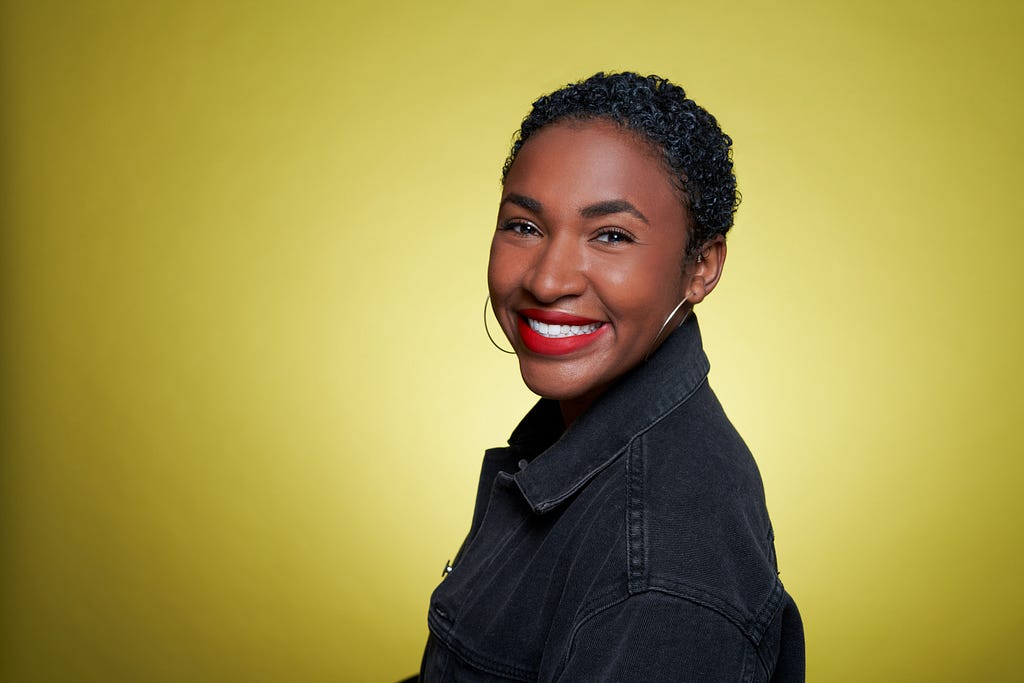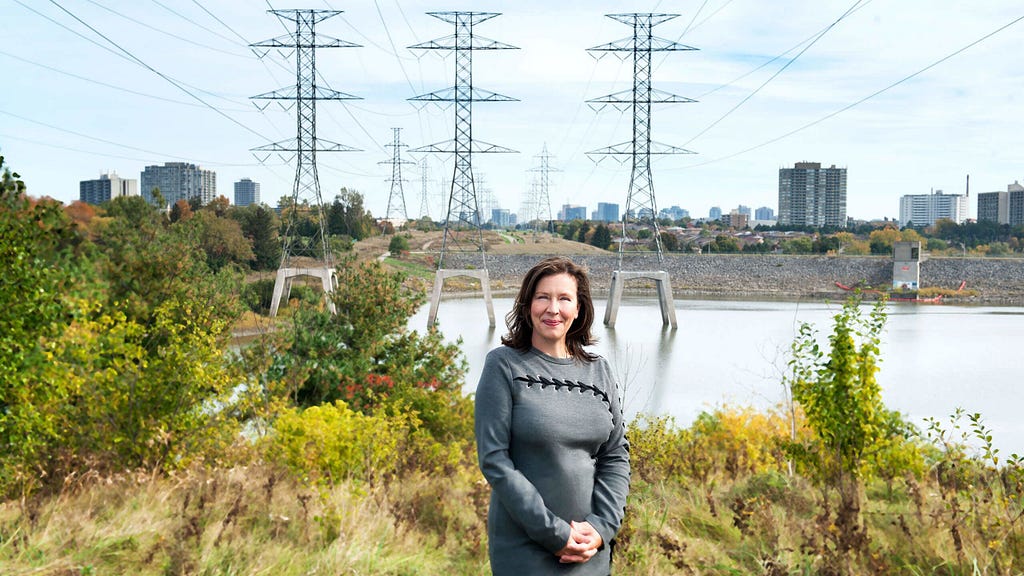
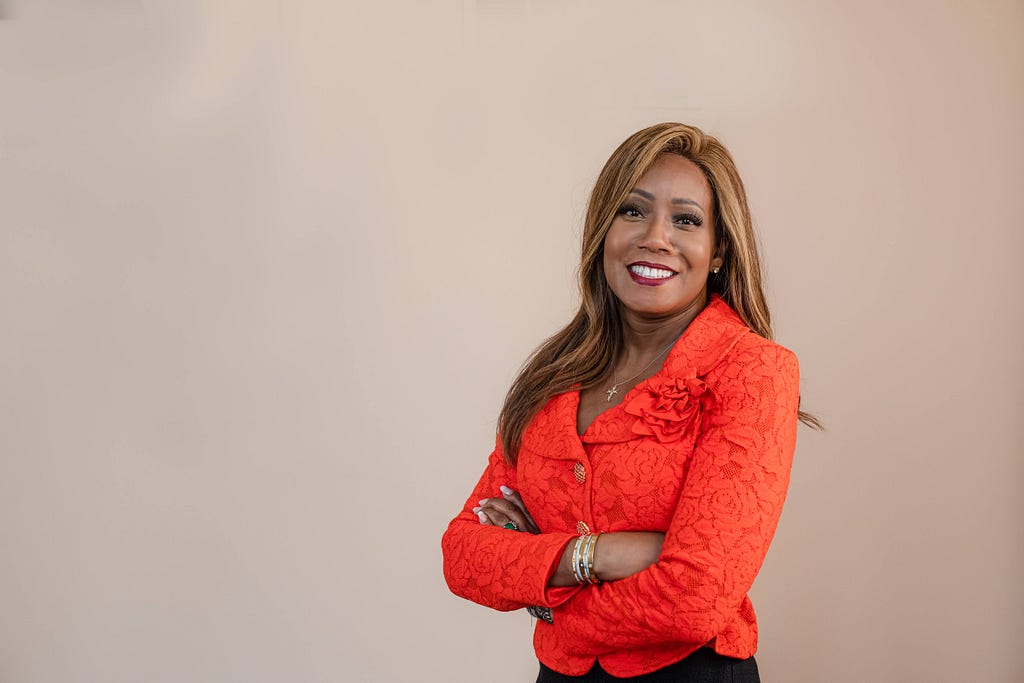
Author Charlene Wheeless: “Why you need to create a safe space for uncomfortable conversation”

Create a safe space for uncomfortable conversation. There is a lot going on in our world right now and people need a safe space and room to have uncomfortable and difficult conversations without fear or consequences or retribution for telling the truth about how they feel. Make it clear that everyone has a voice in your company and that their views are respected. Open communication promotes inclusion.

As a part of our series about strong women leaders, I had the pleasure of interviewing Charlene Wheeless.

Charlene Wheeless is a renowned communications expert, author, and speaker with more than three decades of experience in corporate affairs and communications. She is the founder and CEO of her namesake strategic communications consulting company, where she helps companies and senior leaders navigate and solve their toughest business challenges. Charlene’s debut book “You Are Enough! Reclaiming your Career and Your Life with Purpose Passion and Unapologetic Authenticity,” which is slated for publication in late 2020, details her experience as a Black, female executive in industries that are traditionally white and male, her courageous fight with cancer and lessons from her popular talk ‘Lessons from Being Invisible.”

Thank you so much for doing this with us! Before we dig in, our readers would like to get to know you a bit more. Can you tell us a bit about your “backstory”? What led you to this particular career path?

I’ve been in corporate communications and corporate affairs for my entire career. I’m one of those rare people who knew early on what I wanted to do from a career standpoint. My first job after college was with IBM in their communications department, and I’ve never looked back.

A little more than three years ago, I was diagnosed with breast cancer. That experience led me to a professional and personal pivot. In short, when my treatment was completed nearly a year later, I figuratively looked up and felt that I no longer recognized the life I had — I was never going to be my pre-cancer self again, so I put on my big girl pants,

left the corporate world, wrote a book, started a public speaking career, and launched a strategic advisor/consulting business.

Can you share the most interesting story that happened to you since you began leading your company?

As a female executive leader, I’ve had plenty of opportunity to advise other women in business. Among the lessons I like to share, at the top of the list is to know and own your value. But when looking to close my first consulting project I ignored my own advice and took on far fewer fees than what I should have. I knew at the time that I was making tactical and strategic errors, but for whatever reason, I fell into the trap of devaluing myself and my expertise. I vowed to never do that again. But it was a great reminder of how easy it is to fall into the trap of wanting to please the customer at the expense of you.

Can you share a story about the funniest mistake you made when you were first starting? Can you tell us what lesson you learned from that?

I started my business in earnest during the height of COVID-19 so most of my interactions have been virtual. I learned pretty quickly that you have to pay attention to what’s in the background. My husband has been working in our home office, so initially, I was working from my dressing room. It’s a nice dressing room, with a loveseat in it. I also have a small elderly dog that never lets me out of his sight and for the most part he spends his entire day following me around and laying on that loveseat. During one Zoom call with a potential client, I noticed that my the client was a bit distracted and I felt myself losing him but I wasn’t sure why. I tend to record my Zoom calls so that I can recount the customer’s needs with clarity. Once the meeting ended I watched the recording to see if I could figure out what happened and then I saw it. My little dog decided to clean/lick his private parts during the last half of the call! No wonder my client lost his concentration. It was horribly embarrassing and I’m still waiting for it to be funny to me. Everyone else thinks it was hilarious! I stopped working in my dressing room and moved to another part of the house.

None of us are able to achieve success without some help along the way. Is there a particular person who you are grateful towards who helped get you to where you are? Can you share a story about that?

How much time do you have? There have been so many people who have helped me through various stages of my life and my career. The most influential person from a motivation standpoint is my mother. I was raised by a single mother who died when I was in my twenties so she didn’t live long enough to see my career take off, but the sacrifices she made for me are what propel me forward. My success is how I honor her memory every day.

Also, a CEO I worked for in the late 1990s stands out as an important champion throughout my career. He was the first executive to treat me as a true executive and through his support, I was appointed to a vice president and corporate officer at the age of 35. When I ultimately left the company, it was very difficult for me to leave him. I told the company that was recruiting me that the offer had to be so good that my current CEO would tell me to take the job. They did, he did, and I did.

In my work, I often talk about how to release and relieve stress. As a busy leader, what do you do to prepare your mind and body before a stressful or high stakes meeting, talk, or decision? Can you share a story or some examples?

I’m not a nervous or anxious person, but before a big meeting I give myself a pep talk and I mentally channel someone and assume their persona. I don’t always channel the same person, but the person I channel most often is Oprah because she knows how to command a room. Sometimes I think, ‘Hmmmm, what would Oprah do or say in this moment?’ Other times, I just remind myself that it’s just a meeting, not rocket science — unless it is.

As you know, the United States is currently facing a very important self-reckoning about race, diversity, equality and inclusion. This may be obvious to you, but it will be helpful to spell this out. Can you articulate to our readers a few reasons why it is so important for a business or organization to have a diverse executive team?

The business case for diversity has been made several times over, but something I always come back to is the fact that our population is changing and by that, I mean the racial make-up of our country. With that in mind, if your company and especially your leadership team are not a diverse population the decisions they are making about the future of the business are inherently misguided and wrong because they are making decisions for a demographic that isn’t true anymore. The world is diverse. You need to have a diverse executive team to truly serve the needs of the business.

As a business leader, can you please share a few steps we must take to truly create an inclusive, representative, and equitable society? Kindly share a story or example for each.

I think we first have to recognize the moment that we are in right now, which is not about diversity and inclusion, it’s about systemic racism and racial injustice. From that vantage point, my top three are:

1. CEOs need to lead as a human first and CEO second. Employees are stressed out, traumatized and scared. Everyone’s world has been turned upside down due to what I call a societal trifecta — the pandemic, the challenged economy, and racial injustice on clear display. Now is the time for leaders to lead from a point of humanity and empathy. A by-product of that will be inclusion.

2. Create a safe space for uncomfortable conversation. There is a lot going on in our world right now and people need a safe space and room to have uncomfortable and difficult conversations without fear or consequences or retribution for telling the truth about how they feel. Make it clear that everyone has a voice in your company and that their views are respected. Open communication promotes inclusion.

3. Don’t just say it — show it. Companies need to make concerted efforts to diversify their leadership teams, workforces, supply chains, customer bases, office locations and the types of products they make. In business and in government, there has been a lot of rhetoric around equality, equity, and diversity. The time for talk is over. Make your changes visible. Diversify your teams. By the way, it isn’t about removing one person so that you can put in another. Why not just make the pie bigger so that there is room for all?

I guess one more point that I’d like to share is that I don’t think inclusion is enough. I think we need to focus on belonging — making sure that people not just feel welcome, but that they belong.

Ok, thank you for that. Let’s now jump to the primary focus of our interview. Most of our readers — in fact, most people — think they have a pretty good idea of what a CEO or executive does. But in just a few words can you explain what an executive does that is different from the responsibilities of the other leaders?

I used to think that the most important role of the CEO is to make decisions and solve problems. But in actuality, a significant amount of time is spent on people, leadership, and helping others to think through solving problems. Additionally, the CEO is the company’s Secretary of State and a company’s brand is very closely tied to the reputation of the CEO so being visible externally as well as internally is extremely important.

What are the “myths” that you would like to dispel about being a CEO or executive. Can you explain what you mean?

That you own your own time. CEOs are pulled in so many directions all of the time. There is always someone who wants something from you.

In your opinion, what are the biggest challenges faced by women executives that aren’t typically faced by their male counterparts?

Again, how much time do you have? Women executives still have to prove themselves, while men are presumed to be competent. Strong women, who are typically the types who become CEOs still get labeled for certain assertive behaviors that men typically are rewarded for. I read somewhere recently that men are hired for their potential and women are hired for their experience. I think that says it all.

What is the most striking difference between your actual job and how you thought the job would be? It’s pretty much exactly how I thought it would be. A lot of hard work, but enjoyable. A little scary at times because you don’t know when or if all your clients are going to dry up one day. But ultimately, very rewarding and deeply satisfying.

Certainly, not everyone is cut out to be an executive. In your opinion, which specific traits increase the likelihood that a person will be a successful executive and what type of person should avoid aspiring to be an executive? Can you explain what you mean?

Executive traits that I see consistently in successful people are confidence without arrogance, an abundance of self-awareness which enables them to be agile, they care about people and it shows and they are great listeners.

In general, people who have difficulty making decisions or are enamored with what they perceive as the power of being an executive should really stay away from executive positions. Or people who have a thin skin. As an executive, you are always on display. You don’t get to have a bad day.

What advice would you give to other women leaders to help their team to thrive? Build an “army of advocates”; people who will be champions for you and your team. Focus heavily on professional development of team members and invest in their success personally and professionally. Someone once told me that his philosophy in managing people is to “Pull the weeds and water the flowers.” It’s a simple statement and very helpful. So often, leaders focus heavily on the people who bring challenges at the expense of nurturing top talent. When that happens, the entire team sees it, feels it, and is usually less productive as a result.

How have you used your success to make the world a better place? Of course, first and foremost is by helping other people learn and succeed. My goal is to mentor people into greater levels of success than me because it takes all of us to make the world a better place. Like most leaders I know, I give my time and money to great causes — local and national — that are focused on leaving this world better off than how we found it. I often think about legacies and to me, a legacy is built by every person you touch and if you inspire and motivate others to take a positive action, well, that’s powerful.

What are your “5 Things I Wish Someone Told Me Before I Started” and why? (Please share a story or example for each.) In no particular order:

1. Hire someone to handle the back-office support of your business. I have found that the administration side of running a business is really boring and I don’t particularly like it. I wish I had found a partner to outsource these tasks to earlier, so that I could focus my time on the purpose and promise of the business. 2. That I would work longer hours and harder than I did when I was in the corporate world. That’s the

downside. The upside is that you love every minute of it. Still, it’s better in the long-run if you pace yourself.

3. Be careful about providing “free” advice. Your knowledge is the intellectual property that you have built your

business on. It’s hard to build a business if you give away your IP. 4. You will be tempted to take jobs that you shouldn’t. Write down what you are attempting to do and generate

by starting a business. Put it on a post-it note and stick it on your computer or a place where you see it every day. Stay true to your vision. It’s very easy to get distracted. 5. That there was going to be a global pandemic. Of course, no one could foresee what we are dealing with

right now as a nation and as a world, but gosh it would have been nice to have had a crystal ball.

You are a person of great influence. If you could inspire a movement that would bring the most amount of good for the greatest number of people, what would that be? You never know what your idea can trigger.

I would encourage people to live a life of purpose, passion and authenticity.

Can you please give us your favorite “Life Lesson Quote”? Can you share how that was relevant to you in your life?

“Nobody cares how much you know until they know how much you care.” — Teddy Roosevelt

Businesses operate because of people. If you are going to build a strong team, they have to know you care about them. Many people believe that if you put the customer first, everything else will fall into place. I understand that view, but I believe that if you take care of your people, they will take care of your customers. I used to be the queen of “It’s not personal, it’s business.” And, truthfully, that thought has failed me every time. It wasn’t until I realized that if people are involved, it’s personal, that I was able to build successful teams and meaningful relationships at work.

We are very blessed that some very prominent names in Business, VC funding, Sports, and Entertainment read this column. Is there a person in the world, or in the US with whom you would love to have a private breakfast or lunch with, and why? He or she might just see this if we tag them.

Oh, that’s an easy one for me. Darius Rucker, the singer. I’ve always been a fan of his solo music because his lyrics often move me. When I was going through cancer treatment, the day I finished chemotherapy I was at my weakest and just plain tired of everything. I was sick most of the time, I was weak, and the list goes on. In an effort to cheer me up, one of my daughters sent him a picture of me sitting in the chemo infusion chair after my last treatment — bald head and everything. She sent it privately through his Instagram account with a note. He (or his people) later posted it on his Instagram account with a message below it encouraging me to keep fighting and he would keep praying. Now, I know that many celebrities hire people to manage their accounts and there is a very good chance that he has no idea that this occurred. But what came next was so powerful for me. Underneath his post, some of his fans wrote messages of encouragement to me. As I read post after post, I just cried –not pretty tears — this was ugly crying. I let it all out and I hadn’t really done that before. I don’t know any of the people who posted those messages of encouragement but reading them gave me the strength I needed at that moment to keep fighting and keep looking forward. So, why Darius Rucker? So that I could say thank you.

Thank you for these fantastic insights. We greatly appreciate the time you spent on this.


Author Charlene Wheeless: “Why you need to create a safe space for uncomfortable conversation” was originally published in Authority Magazine on Medium, where people are continuing the conversation by highlighting and responding to this story.

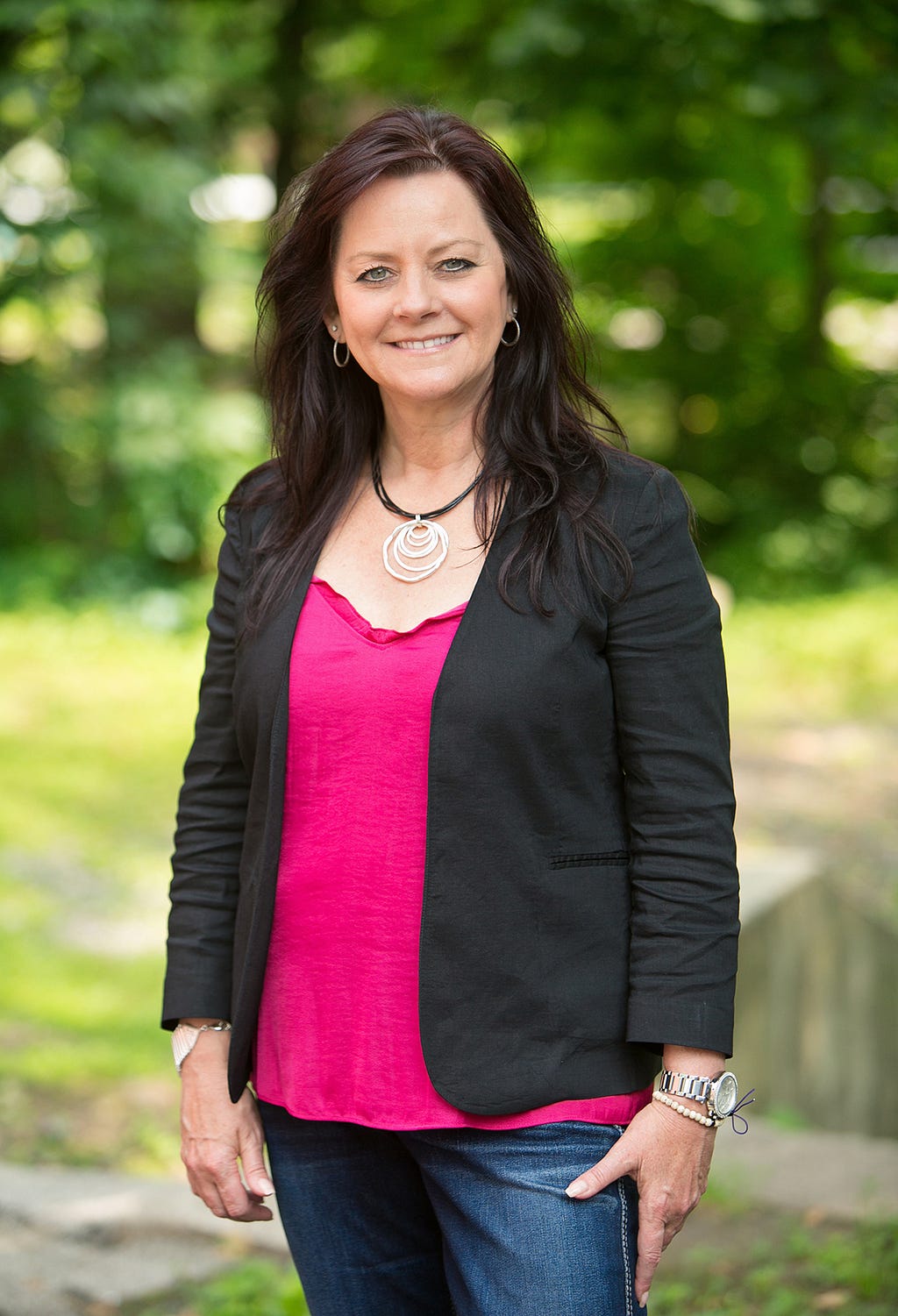
Tammi Jantzen of Astarte Medical: “Why you shouldn’t surround yourself with people who look and…

Tammi Jantzen of Astarte Medical: “Why you shouldn’t surround yourself with people who look and think exactly as you do”

You shouldn’t surround yourself with people who look and think exactly as you do. You need differing opinions and points of view to truly expand your thinking. Building a diverse team has always been important to us, however, it was never about achieving a prescribed diversity quota. Every hire we make is based on the best possible candidate with the right experience and skillsets. Our core values of competence, respect, authenticity, and communication help guide us as we grow. I’m proud to say our efforts have resulted in an incredibly talented and diverse team of amazing individuals. There’s so much we learn from one another — it amazes me every day.

As a part of our series about strong women leaders, I had the pleasure of interviewing Tammi Jantzen.

Tammi is co-founder and CFO of Astarte Medical, a precision nutrition company using software and predictive analytics to improve health outcomes in the first 1000 days of life, initially focused on preterm infants. NICUtrition® by Astarte Medical is a real-time, clinical decision support solution designed to standardize feeding and optimize nutrition for preterm infants in the neonatal ICU (NICU). Tammi spent 15 years as CFO of three early stage venture capital funds and is an angel investor and serial entrepreneur.

Thank you so much for doing this with us! Before we dig in, our readers would like to get to know you a bit more. Can you tell us a bit about your “backstory”? What led you to this particular career path?

For the last 20 years, I have worked with my co-founder, Tracy Warren, as both investors and entrepreneurs. We have historically targeted healthcare, but six years ago decided to focus exclusively on women’s and children’s health, an area we are both passionate about and a largely underserved area of innovation and investment. In an attempt to gain insights into clinical needs and pain points, we visited many women’s and children’s hospitals talking to innovation groups and researchers. It was during a visit to Brigham and Women’s Hospital that we met Kate Gregory, a NICU nurse and Harvard researcher. Kate opened our eyes to the challenges of preterm infants and early life nutrition. She was clearly a rock star and we knew immediately that we wanted to work with her. Kate’s passion quickly became our passion, and we realized we didn’t just want to invest in the idea, we wanted to build the company ourselves. At the time, we didn’t know what the product would be, but we set out to investigate the problem first and develop the solution second. About nine months later, Astarte Medical was born.

Can you share the most interesting story that happened to you since you began leading your company?

In early 2019, we successfully raised a $5M Series A financing and then another $3.5M convertible note financing at the end of the year. Woo hoo! The Series A fundraising journey, however, was not what we expected it to be. Having spent so much time in early stage venture capital investing, we went into this thinking we knew exactly what we needed to do to win over investors. We focused on the business and the opportunity and shared our vision for revolutionizing care. It was clear early on that we had set very unrealistic expectations on how much time and energy would be expended to raise this round of funding. Sitting on the other side of the table as entrepreneurs, we gained an appreciation for all the founders that had come before us as investors for over 15 years. Nothing happens as quickly as you think it should and there’s a lot of “tire kicking” that sucks up so much of your time and never leads to an actual investment. And the worst part was investors that could never get to a “yes” or “no”. Hearing “no” is better than perpetual indecision. But with persistence and drive, it can be done! Sitting here today, I’m happy to report that we have an amazing investor base.

Can you share a story about the funniest mistake you made when you were first starting? Can you tell us what lesson you learned from that?

The mistake was taking multiple meetings with a group of investors that were clearly never going to invest in a female-led company. I can call it a funny mistake now, and lesson learned for sure, but at the time not so much. Here’s how it transpired…at a meeting with an all-male group of potential investors, we were asked, “Do you have any men on your team?” In fact, we do. But, when the CEO has 15 years’ experience in the industry and an MBA, the CSO is a registered nurse with a PhD and over 10 years researching our product area, and the CFO is a certified public accountant with extensive financial experience, should that matter? The question about our company’s testosterone level was followed by one about who would handle mergers and acquisitions negotiations for us. Those can get quite complicated, the potential investors helpfully informed us. The mistake was not listening to our inner voices that day that were screaming “RUN! and don’t look back”. But we continued for the next 12 months to take meetings and entertain questions. Ultimately, they couldn’t pull it together and we successfully closed our $5M Series A financing — without them. The lesson learned is that not all money is good money. I’m so grateful they are not part of our investor base — I just wish we would have listened to our instincts sooner.

None of us are able to achieve success without some help along the way. Is there a particular person who you are grateful towards who helped get you to where you are? Can you share a story about that?

Hands down, that person is my co-founder, Tracy Warren. We have worked together for 20 years — longer than most marriages. We joke about the fact that we have “one brain” because we often know what the other is thinking before speaking. Although, strangely, people often mix us up, we are definitely not the same person. Tracy is the high-level strategic thinker of the team. She comes up with the crazy brilliant ideas, and I figure out how to actually get them done. Tracy has continually pushed me to think bigger and outside the box. I am forever grateful to her for helping me see my own potential and push me to be a better me.

In my work, I often talk about how to release and relieve stress. As a busy leader, what do you do to prepare your mind and body before a stressful or high stakes meeting, talk, or decision? Can you share a story or some examples?

Before Astarte Medical was founded, I would say I was much more comfortable staying behind the scenes, being supportive but not putting myself in the spotlight — ever. But when it comes to startups and fundraising, it’s all hands on deck. I had to push aside my fears and give the company pitch, as often as we were given the opportunity, whether it was to an individual investor or on stage with an audience of 200 people. In the beginning, I stressed myself out in unhealthy ways over every single pitch. I have now learned the key to releasing and relieving that stress and anxiety is preparation, practice, and confidence. When preparing for a high stakes meeting or presentation, always remember that no one knows your business better than you do. That realization is game changing.

As you know, the United States is currently facing a very important self-reckoning about race, diversity, equality and inclusion. This may be obvious to you, but it will be helpful to spell this out. Can you articulate to our readers a few reasons why it is so important for a business or organization to have a diverse executive team?

You shouldn’t surround yourself with people who look and think exactly as you do. You need differing opinions and points of view to truly expand your thinking. Building a diverse team has always been important to us, however, it was never about achieving a prescribed diversity quota. Every hire we make is based on the best possible candidate with the right experience and skillsets. Our core values of competence, respect, authenticity, and communication help guide us as we grow. I’m proud to say our efforts have resulted in an incredibly talented and diverse team of amazing individuals. There’s so much we learn from one another — it amazes me every day.

As a business leader, can you please share a few steps we must take to truly create an inclusive, representative, and equitable society? Kindly share a story or example for each.

We are in a unique position at Astarte Medical to use our current NICUtrition® platform to tackle health disparities in neonatal ICUs. As shown in recent studies, racial disparities are widespread in NICUs in the United States. Black and Hispanic preterm infants experience a significantly increased risk of developing comorbidities than white preterm infants. Even within NICUs, disparities exist in how preterm infants are fed and nourished resulting in adverse outcomes that disproportionately impact Blacks and Hispanics. We can leverage our NICUtrition® platform to liberate data from a hospital’s electronic medical record to support health equity programs and develop a better understanding of the causes of these disparities. By providing data to highlight racial disparities in real time, we can enable effective interventions to reduce disparities and improve care while the baby is still in the NICU.

Ok, thank you for that. Let’s now jump to the primary focus of our interview. Most of our readers — in fact, most people — think they have a pretty good idea of what a CEO or executive does. But in just a few words can you explain what an executive does that is different from the responsibilities of the other leaders?

While all leaders make contributions, responsibility for success rests on the shoulders of the executive team. Success is multifactorial and means building a sustainable and profitable business that provides continued employment to employees, reliable and innovative products to customers, and a solid financial return to investors. Ultimately, the executives are the ones held accountable for this success.

What are the “myths” that you would like to dispel about being a CEO or executive. Can you explain what you mean?

The biggest myth is that you need to have fancy credentials, prior experience, an extreme type-A personality or that you need to be a middle-aged white man to be a great executive.

In your opinion, what are the biggest challenges faced by women executives that aren’t typically faced by their male counterparts?

Women often face skepticism, consciously or unconsciously, about whether they can get the job done or be effective leaders. Success has to be proven. Whereas with male executives, it’s assumed they will be successful until proven otherwise.

What is the most striking difference between your actual job and how you thought the job would be?

As with any startup, you wear many hats. Although my official title is CFO, I actually spend less than 25% of my time on financial-related matters. As a CPA, I wouldn’t have thought in a million years that I would lead the marketing effort for any company. Yet, here I am, doing just that. Admittedly, I’m learning as I go and lean heavily on the team for support but I’m enjoying it way more than I thought. Astarte Medical was born from an idea, and here we are, four years later with 12 employees, selling our product, seeing our vision take shape in a meaningful way. I’m not sure what I thought it would be, but I know it’s not a “job”. It’s so much a part of who I am now, it’s more like another child to grow and nurture.

Certainly, not everyone is cut out to be an executive. In your opinion, which specific traits increase the likelihood that a person will be a successful executive and what type of person should avoid aspiring to be an executive? Can you explain what you mean?

I can’t imagine being a successful executive without having passion for what you are doing. Passion, drive and determination are key. If you are a person looking for a 9 to 5 job, this isn’t for you.

What advice would you give to other women leaders to help their team to thrive?

Stay focused on executing and delivering on your core business. Too many start-ups attempt to take on an impossible scope early in their gestation and fail to do any one project well.

How have you used your success to make the world a better place?

Over the last 40 years, there has been a significant increase in diseases such as allergy, asthma and obesity — conditions which are all linked to gut health. In order to reverse this trend and have a positive impact on the next 40 years, we are focused on the first 1,000 days of life, from conception through age two. It is a period of tremendous potential and enormous vulnerability. The foundations for life-long health are largely set during this 1,000-day period as this is the most critical time for brain development, healthy growth and creating a strong immune system. Proper nutrition during this time can have a profound impact on a child’s ability to grow, learn and thrive. Astarte Medical is initially focused on optimizing nutrition and gut health for preterm infants; however, our strategy is to then move into prenatal care and early infant nutrition to optimize gut health across this unique window of opportunity. Our vision is to have a hand in creating the healthiest generation ever.

What are your “5 Things I Wish Someone Told Me Before I Started” and why? (Please share a story or example for each.)

  1. Invest time in finding the right hires — take the time to make sure the cultural fit is right. A bad fit can create negative energy and can bring the whole team down.
  2. Communicate expectations — ensure that every employee knows what is expected of them. It is key that they know what success looks like for them individually and as a team.
  3. Hold the team accountable — both when things aren’t going as planned but also when goals are achieved.
  4. Always trust your gut instinct (pun intended) — if that inner voice is telling you that someone doesn’t fit with the company culture you are working hard to build, don’t wait to make a change. See #1 above — it impacts the whole team.
  5. Think big and encourage your team to do the same — it will make them feel part of something bigger and can be a motivating factor in their current role.

You are a person of great influence. If you could inspire a movement that would bring the most amount of good for the greatest number of people, what would that be? You never know what your idea can trigger.

I would like to inspire the movement toward wellness and prevention rather than treatment of disease. At Astarte Medical we are inspiring this movement by using data and analytics to inform care early in life during the most critical time of growth and development to set our kids on the proper trajectory toward life-long health.

Can you please give us your favorite “Life Lesson Quote”? Can you share how that was relevant to you in your life?

“A comfort zone is a beautiful place, but nothing ever grows there.” During the early part of my career, as a venture fund CFO, I was pretty content working in the background to support the partners in the firm. I enjoyed my work and found satisfaction in my accomplishments, but never at any time did they include promoting myself, speaking to an audience, or in any way shape or form “putting myself out there”. As co-founder of Astarte Medical, I have had to push myself out of my comfort zone and do whatever it takes to make the team and the company successful. Stepping up and getting out there has resulted in a confidence level that was previously unknown to me and has led to a tremendous amount of both personal and professional growth and was a key driver in closing our financing.

We are very blessed that some very prominent names in Business, VC funding, Sports, and Entertainment read this column. Is there a person in the world, or in the US with whom you would love to have a private breakfast or lunch with, and why? He or she might just see this if we tag them

Melinda Gates — because of her philanthropic work around the world in health, particularly children, but also because of her push to empower women. We share similar interest in increasing diversity in the workplace, encouraging more women to start businesses, and in closing the funding gap for female founders.

Thank you for these fantastic insights. We greatly appreciate the time you spent on this.


Tammi Jantzen of Astarte Medical: “Why you shouldn’t surround yourself with people who look and… was originally published in Authority Magazine on Medium, where people are continuing the conversation by highlighting and responding to this story.

Susan G Komen Founder Nancy Brinker: Nothing feels more satisfying than accomplishing the “impossib

Susan G. Komen Founder Nancy Brinker: Nothing feels more satisfying than accomplishing the “impossible!”

In order to be successful as an executive, there are a number of core qualities one typically has, they are typically very driven by either passion or the need to seek accomplishment. CEOs also have the ability to recognize the strengths of others and leverage that for the good of the individual and the company. Nonprofit CEOs often live a life of passion, and measure their success not by what they have, but how they feel in their soul. And finally, they tend to be a little rebellious with an inability to quit. When I started Komen, I was told what I wanted to accomplish was not possible. When someone tells me it can’t be done — it becomes my rallying cry. Nothing feels more satisfying than accomplishing the “impossible!”

As a part of our series about strong women leaders, I had the pleasure of interviewing Nancy Brinker.

Nancy G. Brinker is a three-time Ambassador and New York Times best-selling author, founder of Susan G. Komen, who is regarded as the leader of the global breast cancer movement. She was awarded the Presidential Medal of Freedom from President Barack Obama, and was named Goodwill Ambassador for Cancer Control for the United Nations’ World Health Organization. Brinker also spearheaded creation of The Promise Fund, a revolutionary initiative aimed at connecting cancer care providers with vulnerable populations in South Florida to reduce late-stage diagnosis and death from breast and cervical cancer.

Thank you so much for doing this with us Nancy! Before we dig in, our readers would like to get to know you a bit more. Can you tell us a bit about your “backstory”? What led you to this particular career path?

What led me to my long road in cancer, which is now reaching 40 years, was when President Nixon passed the National Cancer Act in 1971. He assembled a powerful committee of leaders and declared war on cancer, and I was inspired. Six years later my older sister Suzy was diagnosed with breast cancer and she died in 1980, at the young age of 36. I was by her side through three brutal years of surgery, chemotherapy and radiation. I promised my sister I’d do everything I could to stop the heartless progression and social stigma of this disease, even if it took the rest of my life. And it has.

Can you share the most interesting story that happened to you since you began leading your company?

I have so many stories — but one of the most interesting and impactful to me was when we were celebrating the 20th anniversary of Susan G. Komen in Rome, Italy. When I stood on the platform to welcome the crowd, it was a sea of more than 80,000 people gathered from all over the world. It was breathtaking. It reminded me of a quote from Margaret Mead: “Never doubt that a small group of thoughtful, committed citizens can change the world; indeed, it’s the only thing that ever has.”

Not only did this celebration bring people together to fight the disease, it was a gathering place where thousands of women could receive screenings and desperately needed resources. I said to myself, “Sister, I hope you’re proud. We made this a global event.”

Can you share a story about the funniest mistake you made when you were first starting? Can you tell us what lesson you learned from that?

My husband asked me not to call his friends for money when I was first starting Susan G. Komen as he was starting out and trying to find investors. The next day, I called all his friends! And they were so generous and they never stopped giving. I learned that if you’re truly passionate about a cause, those who love, and believe in you will absolutely support you.

None of us are able to achieve success without some help along the way. Is there a particular person who you are grateful towards who helped get you to where you are? Can you share a story about that?

So many people have inspired me through their own perseverance, strength and commitment, but none more so than my parents and my husband.

My mother, Ellie Goodman, was a Girl Scout leader and community activist, who lit up rooms with her vibrant smile and lived her faith with daily acts of loving kindness. Mom was a fundraising marvel, part of the army of everyday people who supported scientists in their search for a polio vaccine in the 1950s. Trooping along with her, Suzy and I witnessed the powerful chemistry of caring and action, and it shaped our lives. My father taught me persistence — he encouraged me, and showed me that despite my learning disability, I was not dumb and shouldn’t quit what I’m passionate about.

My husband, Norman Brinker, believed in me, in my mission and supported me throughout. I would not have been able to find my success without him. As we both strived for success, it became apparent that it also shaped my son, Eric’s, life. He witnessed our drive and determination and that has made him the person he is today.

In my work, I often talk about how to release and relieve stress. As a busy leader, what do you do to prepare your mind and body before a stressful or high stakes meeting, talk, or decision? Can you share a story or some examples?

Mental and physical preparation are important to prepare yourself for any challenge.

Every day, I try to wake up and tell myself that I’m going to accomplish something — and then do whatever it takes to achieve that daily goal. It’s a lot of self-encouragement, and sometimes that’s hard, and remind myself I’m lucky to be an American and live in a country where I can achieve my dreams by helping others.

I’ve also always prioritized exercise as a way to clear my head and give me the energy I need for the day. These days, I walk every morning for an hour before I begin my day. I also love boxing!

As you know, the United States is currently facing a very important self-reckoning about race, diversity, equality and inclusion. This may be obvious to you, but it will be helpful to spell this out. Can you articulate to our readers a few reasons why it is so important for a business or organization to have a diverse executive team?

Through my work at the Promise Fund of Florida, we are primarily helping women with health and economic disparities who don’t have access to healthcare benefits that their white counterparts do. It is extraordinarily important that these women are represented through our executive leadership and staff. We cannot be an effective organization, if we’re not inclusive of the perspectives of the people we are trying to serve. This remains a top priority for our organization and we’re hoping to continually expand our diversity through our leadership presence.

As a business leader, can you please share a few steps we must take to truly create an inclusive, representative, and equitable society? Kindly share a story or example for each.

One important step toward creating a more inclusive society is taking the time to understand different cultures and religions. Until you understand how somebody else feels, you can’t expect them to understand how you feel. When we are able to come together to work to solve problems, you begin to really understand what everyone is feeling. As Stephen Covey, famous inspirational author, says seek first to understand, then to be understood.

Ok, thank you for that. Let’s now jump to the primary focus of our interview. Most of our readers — in fact, most people — think they have a pretty good idea of what a CEO or executive does. But in just a few words can you explain what an executive does that is different from the responsibilities of the other leaders?

A CEO of a nonprofit organization helps honor the mission and vision of an organization. To be successful, they must be extraordinarily passionate about the cause and infuse that enthusiasm into every member of the organization.

What are the “myths” that you would like to dispel about being a CEO or executive. Can you explain what you mean?

Myth: I am the Commander in Chief

Fact: Effective CEOs are servant leaders; they do not perceive themselves to be better than others.

Myth: Because I am a CEO, I am creating an impact.

Fact: Everyone should be judged by the outcome of their work. Have you made a difference in the lives of the people you are serving? Did you do what you promised to do?

Myth: As CEO, I will only execute on decisions that I agree with.

Fact: Many CEOs must express the will of their board, and sometimes that means executing decisions that you don’t entirely agree with, but that is part of being a team player.

Myth: As CEO, you are often lauded for the work of your company or organization.

Fact: As CEO, you are responsible for every mistake and need to stand up and take the fall when things don’t go as planned.

In your opinion, what are the biggest challenges faced by women executives that aren’t typically faced by their male counterparts?

More is demanded of female executives, we are held to a higher standard than our male counterparts in every facet — from our looks to our demeanor. If we’re not well-dressed at all times, we are criticized; if we take a strong position on a matter, we’re perceived as tough or mean. And while all this is happening in the workplace, women are still the principle caregivers at home. It’s a tough balancing act, even on a good day.

What is the most striking difference between your actual job and how you thought the job would be?

Because of my family’s background in philanthropy, I knew what I was getting into. I want to be the person who inspires others to keep them going every day, whether that’s my team or the women we serve. A big part of my job is asking others for help and in order to do that, you have to give a lot back and support those who are supporting you. You can’t expect people to do things for you and not be there for them, too. That means serving on the boards of other organizations and contributing to the community as a whole.

Certainly, not everyone is cut out to be an executive. In your opinion, which specific traits increase the likelihood that a person will be a successful executive and what type of person should avoid aspiring to be an executive? Can you explain what you mean?

In order to be successful as an executive, there are a number of core qualities one typically has, they are typically very driven by either passion or the need to seek accomplishment. CEOs also have the ability to recognize the strengths of others and leverage that for the good of the individual and the company. Nonprofit CEOs often live a life of passion, and measure their success not by what they have, but how they feel in their soul. And finally, they tend to be a little rebellious with an inability to quit. When I started Komen, I was told what I wanted to accomplish was not possible. When someone tells me it can’t be done — it becomes my rallying cry. Nothing feels more satisfying than accomplishing the “impossible!”

What advice would you give to other women leaders to help their team to thrive?

Never ask someone to do something you won’t do. Showing you’re just as committed to the cause as your team is critically important. People want to be inspired by their leaders.

What are your “5 Things I Wish Someone Told Me Before I Started” and why? (Please share a story or example for each.)

  1. Never quit. There will be many challenges along the road, but that is no reason to quit on your dream.
  2. Focus, focus, focus. Without focus, it can be difficult to accomplish the goals you’ve set out to achieve.
  3. Jointly settle on clear cut goals and praise everyone often. This is important to ensure your team is on the same page, and feel acknowledged and rewarded for their contributions
  4. If something isn’t working out, don’t be afraid to change direction. Sometimes we are too worried to accept a failure, but once we do, we can find the success we’re looking for.
  5. Do not be afraid to ask a question or be curious. It is curiosity at the end of the day that solves the problem. Things will take longer, be harder, and be full of times when you think you have solved a problem when in fact you have to start over.

Can you please give us your favorite “Life Lesson Quote”? Can you share how that was relevant to you in your life?

“One never notices what has been done; one can only see what remains to be done,” Marie Curie.

Is there a person in the world, or in the US with whom you would love to have a private breakfast or lunch with, and why? He or she might just see this if we tag them.

Marie Curie is unquestionably my hero for her discovery of radium and polonium. During the first World War she developed small x-ray units that could be used to diagnose injuries near the battlefront. She was the only woman to win the Nobel prize two times.


Susan G Komen Founder Nancy Brinker: Nothing feels more satisfying than accomplishing the “impossib was originally published in Authority Magazine on Medium, where people are continuing the conversation by highlighting and responding to this story.
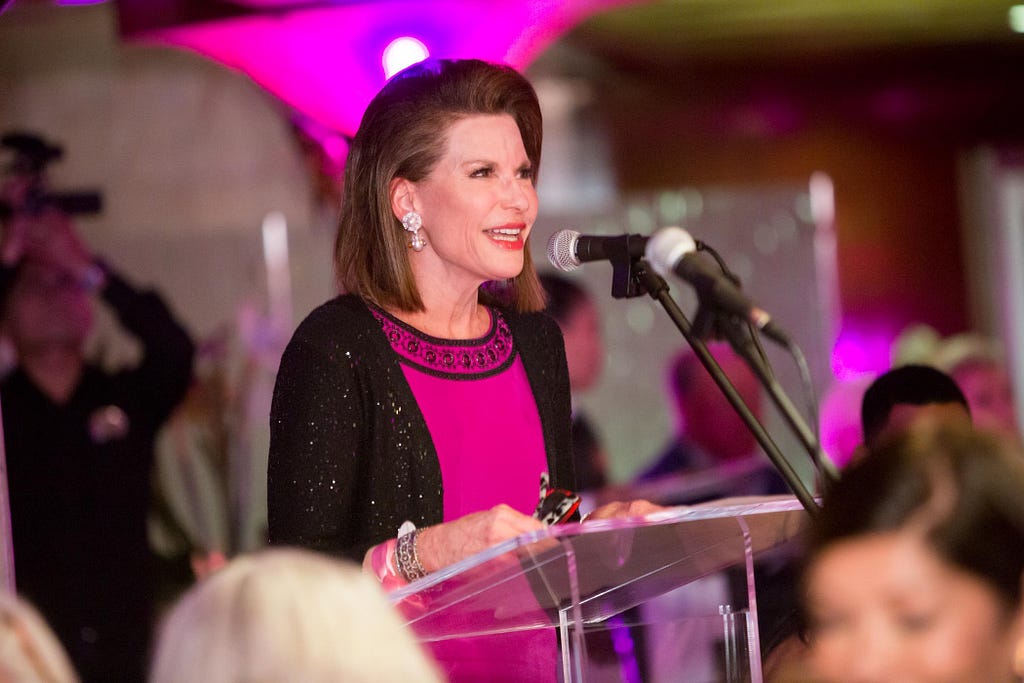
Alisa Williams of VMG Partners: Why you should not avoid those hard conversations

You can’t avoid hard conversations. It is my natural inclination to be appeasing, but even when you try to create a win-win, it’s not always possible; sometimes you have to confront things head on. I have found that in moments where I have to have a hard conversation, writing my notes ahead of time helps me get through the discussion.

As a part of our series about strong women leaders, I had the pleasure of interviewing Alisa Williams.

Alisa Williams is a Partner at VMG Partners, a private equity firm that specializes in helping build iconic consumer brands. She has worked with a number of brands in the VMG portfolio, including Drunk Elephant, Nature’s Bakery and Briogeo. Prior to joining VMG, Alisa worked in investment banking at Wells Fargo. Alisa graduated from Yale University.

Thank you so much for doing this with us! Before we dig in, our readers would like to get to know you a bit more. Can you tell us a bit about your “backstory”? What led you to this particular career path?

I would have never guessed I would end up where I am today. As a child, my parents always told me to “get things that can’t be taken away from me.” This philosophy pushed me to get my college degree, but also pushed me to enter investment banking after college, in an effort to develop a financial modeling skillset. After a brutal few years, I didn’t know what I wanted to do, but I knew I loved business and people. Working in private equity at VMG Partners offered the perfect balance of finance, business and teaming up with entrepreneurs who are trying to achieve their dreams.

Can you share the most interesting story that happened to you since you began leading your company?

Can you share a story about the funniest mistake you made when you were first starting? Can you tell us what lesson you learned from that?

When I first started my career, I was self-conscious and fearful of making a mistake or saying the wrong thing. I would practice what I was going to say five times in my head before saying it, and by the time I got the courage to speak up, someone else would say the point, or the moment would pass. It’s funny to look back on now, because most people recognize me as someone who isn’t afraid to speak their mind! Over time I learned that no one has all the answers, and we all will have times where we say the wrong thing. I found that my perspective wasn’t as silly as I perceived it to be, and others on our team found what I had to say valuable. It taught me not to get in my head too much, as speaking up is more important than holding things in.

None of us are able to achieve success without some help along the way. Is there a particular person who you are grateful towards who helped get you to where you are? Can you share a story about that?

I am grateful for my mentor and one of the Founders of VMG Partners, Kara Cissell-Roell. Kara has absolutely paved the way for women in private equity, and she’s done so with grace, confidence and an approachability that is rarely seen in leaders. Kara has always been someone I can be completely vulnerable with, and I go to her regularly when I feel uncertain or those feelings of self-doubt creep in. She believed in me in moments when I was unsure of

In my work, I often talk about how to release and relieve stress. As a busy leader, what do you do to prepare your mind and body before a stressful or high stakes meeting, talk, or decision? Can you share a story or some examples?

I love a good pep talk! I have a core group of friends and family who I rely on to keep me grounded. Right before a big meeting, you can be sure that I am calling one of them to give me that bit of encouragement that I need. For me it offers a simple reminder that despite how the meeting goes, I have people who are in my corner and people who believe in me. For me, this creates a sense of calm. Sure, I exercise and try and get rest, which are so important for my mental and physical strength. But in those moments right before a big talk or decision, where I feel amped up with energy and nerves, I rely on my family and friends to help me remain centered.

As you know, the United States is currently facing a very important self-reckoning about race, diversity, equality and inclusion. This may be obvious to you, but it will be helpful to spell this out. Can you articulate to our readers a few reasons why it is so important for a business or organization to have a diverse executive team?

A business’ customers or clients do not all come from the same background, so to be able to connect to all members of our society and understand them more deeply, we too, need to have a diverse team that can speak on behalf of those who have buying power in today’s economy. Women and POC are utilizing their buying power more today than ever. It is hard to understand what a specific consumer needs if you’ve never even had a conversation with that consumer! Diversity is so critical, because it expands our conversations. It brings additional layers and perspective to the table and helps us as leaders make decisions that ultimately impact a broad community.

As a business leader, can you please share a few steps we must take to truly create an inclusive, representative, and equitable society? Kindly share a story or example for each.

I believe it starts with building understanding. In order to value inclusivity, representation and an equitable society, you must start with educating yourself on the disparities that exist today. I feel that through education, you can understand the historical context that has impacted our communities and ultimately why this has been a long-standing issue. As a business leader, you must truly be the leader on this matter. Without conviction from leadership that these matters are important, they often get pushed to the back burner.

Ok, thank you for that. Let’s now jump to the primary focus of our interview. What are the “myths” that you would like to dispel about being a CEO or executive. Can you explain what you mean?

Early on in my career, I held the misconception that the leaders of organizations are “all-knowing.” I felt that the partners or executives always knew the answer and always had the right approach. As I have grown in my career, I have realized that this could not be further from the truth. I would like to dispel the belief that you will reach a point in your career where you will “know it all.” In fact, I often find that it is some of the most junior team members who have the perspectives that are most impactful. I always attempt to get the perspectives of many people, because the truth is we often are all just “trying to figure it out.”

In your opinion, what are the biggest challenges faced by women executives that aren’t typically faced by their male counterparts?

Being in a male-dominated space can be really tough. At times you feel misunderstood, or you are dealing with challenges that men don’t have to face. In the past, I have felt like my perspectives were not respected, and I was not viewed as being on par with my male counterparts. I often felt that this was not based on my performance, but based on me being a woman. I think this is a very common challenge that women are forced to face. On top of this, women are forced to constantly consider when they are being “forceful” and when they are being “passive.” I find that as a woman, this is a delicate dance that I think about all the time! I think this challenge is often unique to women.

What is the most striking difference between your actual job and how you thought the job would be?

The “mental gymnastics” that I am forced to face every day is absolutely more than I expected. At VMG, we may jump from helping develop our internal team, to building a forecasting model, to discussing a brand’s retail distribution strategy — all in a few hours. It requires a level of patience and “self-talk” that I never anticipated. There are many times where I have to sit quietly in my office and say to myself, “You can handle this. You are capable. You’ve got this.”

Certainly, not everyone is cut out to be an executive. In your opinion, which specific traits increase the likelihood that a person will be a successful executive and what type of person should avoid aspiring to be an executive? Can you explain what you mean?

I believe empathy is absolutely critical to being a strong leader. People within an organization often want to feel heard. I believe you can only hear someone when you attempt to understand where they are coming from. I do not believe anyone should avoid aspiring to be an executive. Even if empathy is not your strong suit, we as humans have an incredible ability to grow, practice, and learn new characteristics.

What advice would you give to other women leaders to help their team to thrive?

Be confident. I believe people want to follow leaders who have a level of self-assuredness.

How have you used your success to make the world a better place?

In my opinion, success does not dictate your ability to make the world a better place. It is important that we all find ways to make our world better, whether that is through our work or a personal passion. My true passion is working with children. So many children are brought into environments where they will face challenges they did not create. I want to use every resource I have to help underprivileged children succeed. I work with the foster care system in San Francisco, and it has contributed to some of my most rewarding moments in the past few years.

What are your “5 Things I Wish Someone Told Me Before I Started” and why? (Please share a story or example for each.)

  1. If you find something you’re passionate about, it may not feel like work. I love working with founders. I can find myself talking to some of my favorite brand founders, and I look up and realize it’s been over an hour without me noticing. I often leave those conversations feeling invigorated and my “job” feels less like a job.
  2. Achieving balance can be hard, but it is critical. I have had moments where I have felt burnt out, and its largely when I haven’t taken time for myself. My family and friends say I am a workaholic, because I have struggled with prioritizing work in the past. I try my best to be present in the moments that matter, and sometimes that requires me turning off my phone in moments that aren’t the most convenient from a work perspective.
  3. You can’t avoid hard conversations. It is my natural inclination to be appeasing, but even when you try to create a win-win, it’s not always possible; sometimes you have to confront things head on. I have found that in moments where I have to have a hard conversation, writing my notes ahead of time helps me get through the discussion.
  4. Admit your mistakes. From a work perspective, I have often felt the most connected to others when we share moments when have done something wrong. It creates a level of vulnerability that reminds us that we are all human and competing against one another is not always key to driving success.
  5. Don’t’ conform. I struggled with this often in the past. I felt that as a black woman I had to fit in to societies view of a “finance woman.” However, over time I have realized that I am better at my job when I can be myself. As an example, a few years ago, I shaved off my very long and very curly hair that was a defining piece of image. Today you may see me with a platinum blonde buzz cut one month and braids the next. I love wearing colorful jewelry and a bright lip. I feel more confident walking into the room as “me” rather than someone I am not. I ultimately feel that this makes me better at my job because I feel confident even in spaces where I don’t necessarily “fit in.”

You are a person of great influence. If you could inspire a movement that would bring the most amount of good for the greatest number of people, what would that be? You never know what your idea can trigger.

I would inspire a movement centered around understanding. I believe we live in a world of conflict because people have an inability to see where someone else is coming from and cannot understand the perspective or actions of others. If we could inspire people to attempt to see someone else’s side, I think we would reach resolution much quicker as a society.

Can you please give us your favorite “Life Lesson Quote”? Can you share how that was relevant to you in your life?

“Success is a journey, not a destination.” My best friend and I were having a conversation a few years ago around the concept of “success.” She was trying to convince me that I was successful, and I had a hard time accepting her view. My response continued to be, “I am human, trying to navigate life just like the rest of us.” For me, it was a reminder that I don’t view success as a destination, because what happens when you get there? I view success as a constant journey and something that can never truly be reached. There is always more to be done and a new challenge to tackle. You can be successful in one part of your life, and absolutely fail in all others. Therefore, I view the journey to success as ever evolving and a road that I will forever be on. This helps me maintain a level of intellectual curiosity, and forces me to challenge myself in all aspects of life.

We are very blessed that some very prominent names in Business, VC funding, Sports, and Entertainment read this column. Is there a person in the world, or in the US with whom you would love to have a private breakfast or lunch with, and why? He or she might just see this if we tag them

I would love to have a private breakfast with Michelle Obama. She is such a dynamic leader and understands when to whisper and when to roar. She leads with empathy and does not shy away from intellect. I find her to be such a balanced force and ultimately strive to have similar characteristics in my role.

Thank you for these fantastic insights. We greatly appreciate the time you spent on this.


Alisa Williams of VMG Partners: Why you should not avoid those hard conversations was originally published in Authority Magazine on Medium, where people are continuing the conversation by highlighting and responding to this story.

Miriam Tuerk of Clear Blue Technologies: “You have to be an optimist and believe that things will…

Miriam Tuerk of Clear Blue Technologies: “You have to be an optimist and believe that things will work out — but you can’t just believe it, you have to work hard”

You have to be an optimist and believe that things will work out — but you can’t just believe it, you have to work hard, every single day in order to make your vision a reality. You also have to abide by the mantra: “Never give up, never surrender!”

As a part of our series about strong women leaders, I had the pleasure of interviewing Miriam Tuerk.

Miriam Tuerk is the CEO and cofounder of Clear Blue Technologies Inc. (TSXV:CBLU). After 20 years of experience as tech entrepreneurs and leaders in the telecoms, software, and energy sectors, she co-founded Clear Blue in 2011 on the vision of delivering managed, “wireless power” to meet the global need for reliably powering infrastructure, including telecom systems. During Miriam’s career, she has served on the advisory boards for a leading private equity firm, an incubator, and numerous early-stage companies.

Thank you so much for doing this with us! Before we dig in, our readers would like to get to know you a bit more. Can you tell us a bit about your “backstory”? What led you to this particular career path?

I was born in Kitchener-Waterloo, Canada to immigrant parents while my dad was studying at Electrical Engineering at the University of Waterloo. I was an only child until I turned ten, so I helped my father build a cottage and as such, learned to use and utilize tools and technology. I grew up loving math and science, and from an early age I wanted to go into a field that allowed me to grow my passion into a career. I followed in my father’s footsteps and studied Electrical Engineering at University of Waterloo. Once I started working, I very quickly migrated to solutions and sales, eventually moving up the org chart from project, team, and business unit lead to CEO. As a female engineer, I constantly faced “glass ceilings”, so the entrepreneurial world was a natural migration — it was the only area that would give me the chance to truly lead.

Can you share the most interesting story that happened to you since you began leading your company?

It’s all about having the guts to take a risk and make a call. I find the biggest challenge is that many people don’t have the confidence to take that first bold step. When you are a startup, you have to ‘bet the business’ many times in the early days, in order for it to actually become a business. We have had one or two of those inflection point moments where we had to take a big risk in order to reach a critical milestone. It’s the most exciting time because that goal becomes a ‘common enemy’ and all of a sudden everyone is working together in ways no one thought possible. One case in particular was for our first large order to ship to Africa. We needed software that wasn’t ready and we had to decide to ship it anyway. The team pulled together and bet everything, and we did it!

Can you share a story about the funniest mistake you made when you were first starting? Can you tell us what lesson you learned from that?

I am actually famous for ‘foot-in-mouth’ moments, so I have quite a few stories to share. For example, I once drank from my customer’s wine glass at a formal dinner!

I think my funniest mistake, however, was the day I once asked Bill Gates a question at this big meeting. It definitely wasn’t funny at the time — however I was just so excited at the chance to ask him a question, I blurted out some gibberish that didn’t even make sense. He handled it with class, he but was definitely impatient with me (and rightly so!). I can laugh about it now.

In that moment I learned a major lesson — I’m known to be a very open and honest person — someone that will always speak up. In fact, if there is an elephant in the room, I am usually eager to grab it and put it on the middle of the boardroom table. In that moment I learned that it’s OK to ask the “stupid” questions, but it’s also OK to be silent sometimes — the loudest person in the room isn’t always the most powerful. Leading and being a CEO means combining both speaking up and listening.

None of us are able to achieve success without some help along the way. Is there a particular person who you are grateful towards who helped get you to where you are? Can you share a story about that?

My first CEO position was for an early-stage VC funded company. There were two CEO board members who gave me a great deal of guidance through that period. Even after I left my role at the company, those two board members have always been people who have been available to help me and their insight and guidance has been invaluable.

In my work, I often talk about how to release and relieve stress. As a busy leader, what do you do to prepare your mind and body before a stressful or high stakes meeting, talk, or decision? Can you share a story or some examples?

Being an executive is not for the faint of heart — the buck stops with you. That means oftentimes it comes down to you to make the tough decisions and the hard calls. And if things don’t go to plan, that’s on you as well. That certainly leads to a lot of stress, so it’s important to take time for yourself.

In order to be the best possible CEO, you first must be your best possible self. Of course, that doesn’t always mean turning your computer off at 5PM sharp, but by taking vacations, weekends, and some weeknights off, it gives you a change to recharge and refresh yourself! Oftentimes coming back to work with a clear mind will lead to many new innovations and projects for the team, too.

As you know, the United States is currently facing a very important self-reckoning about race, diversity, equality and inclusion. This may be obvious to you, but it will be helpful to spell this out. Can you articulate to our readers a few reasons why it is so important for a business or organization to have a diverse executive team?

Diversity, equality and inclusion are indeed critical to the success of a business, at all levels of the team. It takes a diverse group of people in order to be successful. The best leaders surround themselves with people who complete them — where you may be weak in some areas, they are strong, and vice versa.

In today’s highly competitive and tough business environment, the diversity of skills, backgrounds and viewpoints is an absolute necessity if you want to have a chance to succeed. Today, you need people from all cultures, all religions (including non-religious spirituality), all races and all sexes, etc, to get access to the diverse skillsets needed to prosper as a company. So, the competitive environment means that we need to up our game.

Additionally, in order to succeed globally you need to understand your customer. That means you need to begin with having that diversity in-house.

As a business leader, can you please share a few steps we must take to truly create an inclusive, representative, and equitable society? Kindly share a story or example for each.

Change comes from within. It’s easy to say “companies must be diverse” but it’s another thing to actually implement diversity in all aspects of life. The first step comes from education. It’s crucial to educate oneself, and the company, on diversity and inclusion. Hiring an outside consultant is one way of doing this — another way is by having all-team calls and anonymous surveys where it’s easy to report harassment, issues, etc, of any kind.

It’s also necessary to lead by example. As a female in a male-dominated industry, I had to work 10x harder than my male counterparts in order to be taken seriously. As such, I made sure that over half of my company’s engineering team is female. It’s one thing to talk the talk, but by actually walking the walk, I set an example for my colleagues, employees, but also my family members.

We, no doubt, as a society, are a long way off from having a truly inclusive, representative, and equitable society — however by continuing these conversations, it’s a start!

Ok, thank you for that. Let’s now jump to the primary focus of our interview. Most of our readers — in fact, most people — think they have a pretty good idea of what a CEO or executive does. But in just a few words can you explain what an executive does that is different from the responsibilities of the other leaders?

The thing I love most about being CEO is that the buck stops with you — there is no excuse that you can make to anyone else — if you succeed, it’s because of your team, customers, investors and stakeholders. However, if you fail — well you have to look in the mirror and see that you’re the only one to blame. Why the double standard? Because it’s the CEO’s job to build the team, customers, investors and stakeholders. So, if they don’t bring it over the line, that’s on you. I also love working with a team — building people, helping them to grow — seeing someone you hired advance and take leadership positions is extremely rewarding.

What are the “myths” that you would like to dispel about being a CEO or executive. Can you explain what you mean?

Being a CEO (or executive) doesn’t always give you total power and control. Being a leader of a company is a bit like being a parent — it’s your job to ensure your child doesn’t get hit by a car, which is easy when they are small. However, once they are big and grown up, you can guide them in the right direction, but you’re not always there to hold their hand. CEOs and executives are thought to be in positions of power — and we are — however that doesn’t mean I’ve never been powerless before. We experienced that most recently with Covid-19.

In your opinion, what are the biggest challenges faced by women executives that aren’t typically faced by their male counterparts?

Though the role of women has certainly changed in the past decade, the world is still less comfortable with women taking charge in a leadership setting.

In June of 2019, 33 of the companies on the ranking of the 500 highest-grossing firms were led by a female CEO. Though that’s an increase of 2% since 2018, that still means that only 6.6% of the highest grossing firms were run by women.

As a woman, one of the biggest challenges I had to face was raising my family, while also growing my business. Women are often expected to be the care giver in the home, and as such, are expected to put their work life on hold for their families. If a female gives up time with her kids to work, she is criticized, and if a woman decides to stay at home to take care of their kids, they are also looked down upon.

I remember speaking to a wonderful hardworking contractor electrician in the U.S in the run-up to the 2016 Presidential election. I asked him who he was going to vote for and he said Donald Trump. When I asked why he wasn’t going to vote for Hillary, he replied, “Because she is a liar.” I started to say that Trump was known to lie also, and he said: “I know what you are going to say — that Donald Trump lies too. But I am okay with a man lying, just not okay with a woman lying.” That, in a nutshell, is the biggest challenge for ambitious women trying to stretch to reach a goal.

What is the most striking difference between your actual job and how you thought the job would be?

It’s a lot harder than anyone can possibly imagine. When you’re just starting, you think that you’re doing all the grunt work to “pay your dues” however once you hit the “C-suite” level, work, and work-life balance would be easier. That couldn’t be further from the truth. To succeed as the CEO of a startup company, every day is a new challenge. The job has forced me to take a cold hard look at my personal shortcomings, and face the reality that in order to be successful, I’ll have to work on my own flaws every day — being a CEO means you both have to be a leader, educator and a forever student.

Certainly, not everyone is cut out to be an executive. In your opinion, which specific traits increase the likelihood that a person will be a successful executive and what type of person should avoid aspiring to be an executive? Can you explain what you mean?

You have to be an optimist and believe that things will work out — but you can’t just believe it, you have to work hard, every single day in order to make your vision a reality. You also have to abide by the mantra: “Never give up, never surrender!”

What advice would you give to other women leaders to help their team to thrive?

Be yourself — let people see the real you. Don’t filter yourself to make you appear “nicer” or more “approachable”, something that’s often expected of a female leader. Be blunt, honest, and open.

How have you used your success to make the world a better place?

The mission of my company, Clear Blue Technologies, is about bringing solar power to the world and half of our business takes place in underdeveloped areas around the globe. In the emerging market we are helping to bring internet and communications to Rural Africa, among other projects. It’s the first company I have been a part of, where I can confidently say that we are making a real difference and impact on the way the world communicates. On a personal note, I’m a big believer in always paying it forward. It’s important to take my position of power and use it to help others in their careers to move forward, whether it’s giving them a recommendation, chatting about my experiences, or giving advice!

What are your “5 Things I Wish Someone Told Me Before I Started” and why? (Please share a story or example for each.)

  1. It will take 3 times longer than you think. Things that may seem simple and easy, frequently are not! I remember thinking that a project would only take a few months and wow, I was far off from that mark! It’s important not to lose focus and passion when projects run over the time allotted! But that’s life!
  2. You are the 1% of the 1%.
  3. You always have options and choices.
  4. Take vacations, weekends, and weeknights off. You’ll be better for it. I sacrificed a lot to make it as a CEO, and that includes time spent with my family. Taking a moment to recharge, take time off, and spend time with my family (and time for myself) is crucial in order to keep being the best possible CEO I can be.
  5. Being a teacher and a student is the true description of the job.

You are a person of great influence. If you could inspire a movement that would bring the most amount of good for the greatest number of people, what would that be? You never know what your idea can trigger.

Energy for all. I think the world will be a much better place once we, as a society, have achieved that. I’m proud that Clear Blue Technologies is a part of trying to make that a reality.

Can you please give us your favorite “Life Lesson Quote”? Can you share how that was relevant to you in your life?

Gene Kranz during Apollo 13 said “Failure is not an option.” That’s really something that has guided me both professionally and personally as a wife and mother.

We are very blessed that some very prominent names in Business, VC funding, Sports, and Entertainment read this column. Is there a person in the world, or in the US with whom you would love to have a private breakfast or lunch with, and why? He or she might just see this if we tag them

Bill Gates because he has achieved success more than once and on a grander scale than I can ever imagine.

Thank you for these fantastic insights. We greatly appreciate the time you spent on this.


Miriam Tuerk of Clear Blue Technologies: “You have to be an optimist and believe that things will… was originally published in Authority Magazine on Medium, where people are continuing the conversation by highlighting and responding to this story.