Women In Wellness: Stephanie Bolster McCannon of BolsterUp On The Five Lifestyle Tweaks That Will…

Women In Wellness: Stephanie Bolster McCannon of BolsterUp On The Five Lifestyle Tweaks That Will Help Support People’s Journey Towards Better Wellbeing

An Interview With Candice Georgiadis
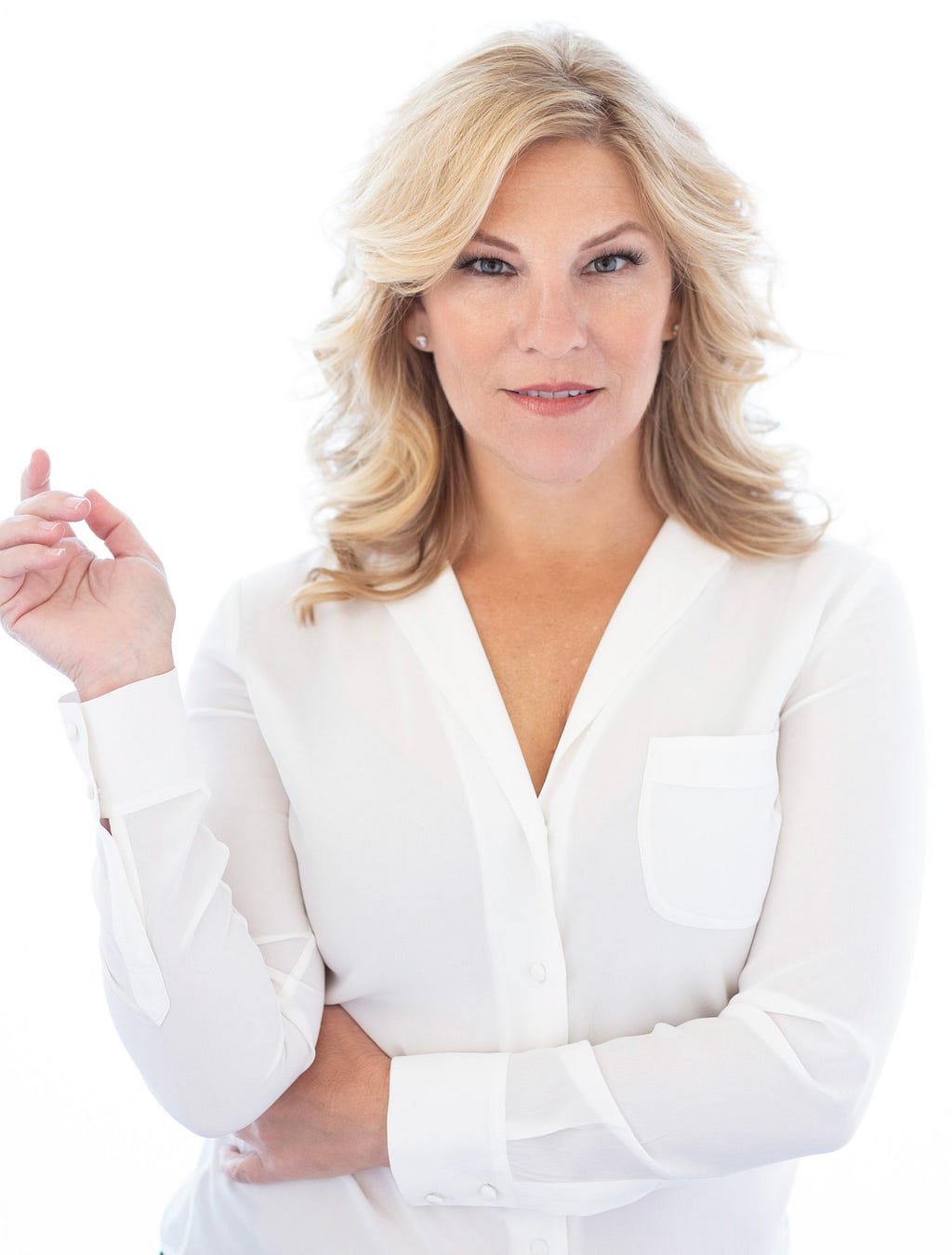
… My fifth lifestyle tweak is small but mighty! This tip is helpful to shift mindset, connect as couples, families, or teams, and enrich our lives. It is the BolsterUp 3 Nicest Things. Three questions that are asked of each other, daily that lift spirits and provide much needed self worth, value and contribution. The first question is what is the nicest thing you did for someone today? Second, what is the nicest thing someone did for you. And last but not least, what is the nicest thing you did for yourself? I had a busy oncologist who was increasingly feeling disconnected from her husband and kids as she worked long hours and missed dinner at least 2 nights a week. After starting the three questions before going to bed, both she and her husband found a deeper respect, understanding, and opportunity to celebrate their days. It was much better than the passive, “how was your day?” In fact, it was her husband, after a few weeks who acknowledged how much he enjoyed their 3 nicest things exchange. They eventually started including their children.

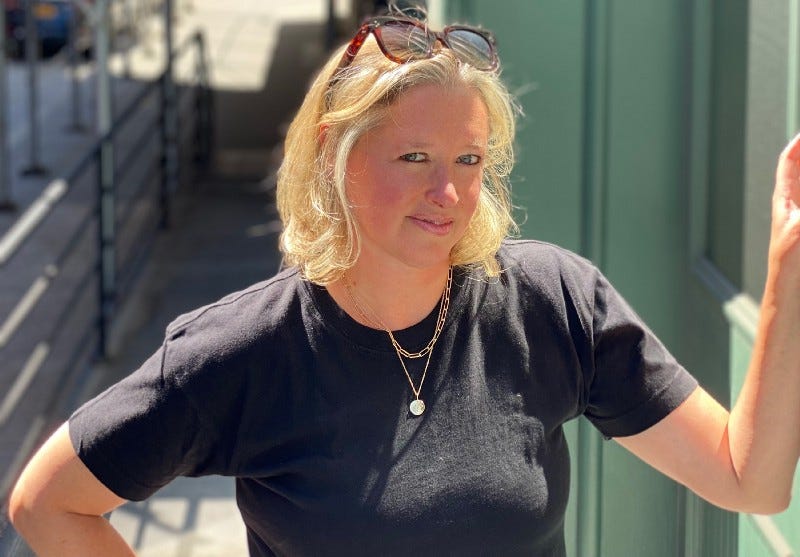
As a part of my series about the women in wellness, I had the pleasure of interviewing Stephanie Bolster McCannon.

Stephanie Bolster McCannon is an Organizational Psychologist, published Author, and CEO of BolsterUp, a well-being coaching company that supports emotional, mental, and physical mastery. Stephanie’s interest in supporting others intensified with her need for healing as a young mother and professional. Working with employees from large worldwide corporations to local private educational institutions, government agencies and private clients, Stephanie discovered a winning combination that brings true health and happiness to working professionals and parents with the BolsterUp Method.

Thank you so much for joining us in this interview series! Our readers would love to “get to know you” better. Can you share your “backstory” with us?

My love of mind-body alignment began early in life, when I took advantage of high school leadership development courses, and learned the value of physical, mental, and emotional potential. As a corpsman in the Navy, I learned the significance of commitment, rituals, and productivity and continued my educational studies in science, the humanities, and management in higher education. I was among the first to be certified as a health and wellness coach. However, as a young mother and busy entrepreneur, my health failed, forcing me to examine the process and connections of our thoughts, breathing, and nourishment that allow us all to be happy humans.

Can you share the most interesting story that happened to you since you started your career? What were the main lessons or takeaways from that story?

I was a total go-getter in high school, exploring the virtues of living our best lives. I even ran a puppet show for elementary school children about health and happiness! For some, it was physical attainment, for others, a newfound love of themselves, and for some, the courage to express their thoughts. A teacher and I often talked about health and his addiction to smoking cigarettes, and I continued to encourage him to believe he was worthy of health and vitality. Years later, while in college, he messaged me that he had quit smoking because of our conversations. That moment was both humbling and empowering. I haven’t stopped supporting and helping since, knowing that sometimes I am just planting the seed, and may not immediately see the full flower in bloom. That lesson has stayed with me throughout my career.

Can you share a story about the biggest mistake you made when you were first starting? Can you tell us what lesson you learned from that?

This question made me laugh….there were so many! ☺ One of the biggest mistakes I made when I first started out was trying to do everything myself and still be successful, happy, and healthy. Trying to raise three young children without a physical spouse present, running all aspects of a business, being responsible for all daily upkeep of a home, and maintaining social expectations. It simply does not work. No one can do it all alone. We are social creatures. Even those who are happy to work independently need input and support from others. Having a mentor, or a small group of people you can bounce ideas off of, or give and receive guidance from, sharing in the good and not-so-good days, is immeasurable to success in any endeavor. I am much happier, more connected, and able to do more of what I love since I learned to share the load instead of carrying it all alone.

Let’s jump to our main focus. When it comes to health and wellness, how is the work you are doing helping to make a bigger impact in the world?

So many are living unfulfilling and unhealthy lives. As adults in society, we struggle with mental, emotional, and physical health, and we must address the whole life, not just treat a symptom.

Allowing someone to be heard is a powerful way to heal, no matter what state they currently find themselves in. We think, assume, and believe something is wrong with us when in fact, we are simply not living a life that is authentic to us or focused on our needs and wind up sick, depressed, anxious, and confused. In fact, health and healing come much faster when someone actually has a skilled professional to listen and support their decisions for wellness. I know all too well the mounting frustration of waiting hours to see a doctor who spends maybe four minutes with you, and it’s mostly looking at your labs and not at you as a human being. I believe most of the work I do allows my clients to be heard, seen, and valued. When our needs are known and met, we flourish, thrive, and feel alive. Coaching through the BolsterUp Method allows for true expression of what is most important to each person by uncovering their unique strengths and talents, providing sound scientific models for change, growth, and communication that impacts their overall well-being. The work I am doing allows for the full expression of the human experience with the guidance and tools that create lasting health and happiness.

Can you share your top five “lifestyle tweaks” that you believe will help support people’s journey towards better wellbeing? Please give an example or story for each.

There are many things we can do, participate in and practice to improve our well-being. My top five starts with how we think. When I was a young mother, I took my toddler with me to an important business meeting. I was already a bit nervous but was assured he was welcomed. While engaged in the meeting, my little darling (in eyesight of us just a few feet away) was flipping a water jug valve up and down. Before we knew it, the floor was flooded, and I was mortified. My business partner didn’t miss a beat and reassured me that all was well, but that the floor needed to be cleaned up, anyway. We got some towels and mopped up the water. My thinking was focused on “disaster,” her thinking was focused on “make the most of it.” That was a huge lesson for me. My son was being curious; nobody was harmed or did anything wrong, I just needed to adjust my thinking about the situation.

Breathing is the second lifestyle tweak that supports better well-being. I am a huge promoter of Dr. Weil’s 4–7–8 breathing, as well as other diaphragmatic breathing techniques that stimulate the vagus nerve. So many report back to me that this one breathing technique has helped them quell their anxiety to pass tests, sleep better, and even heal faster. One client kept failing a test she needed for a promotion at work. After practicing the 4–7–8 breathing technique for two weeks, she sat for the test again. She passed and got promoted! She attributes her breathing to her anxiety, or lack thereof, and continues to rely on this skill to stay centered and calm. Breathing is definitely a very overlooked aspect of health and one we can easily manipulate for our good.

The third lifestyle tweak is to go on an elimination diet to find out what is most nourishing for your body’s current needs. I say “current” because what is nourishing for some or at other times in your life may not be supporting your well-being now. For instance, in my own recovery from an autoimmune disorder, I was on an elimination diet, slowly adding in one food at a time and keeping track in a journal of how I felt, and if I had any symptoms. I was stunned to find out that my body did not like bananas at the time, or tomato sauce during the healing phase I was in. I have had both since fully recovering, but trusted my body to tell me what nourishment it needed at that time. Stay connected to what your own body is saying about nourishment, it may not be the current “best for you food” being touted.

The fourth lifestyle tweak is to turn your thermostat to 65 degrees an hour before heading to bed. A cool environment allows your body to naturally release melatonin, the sleep hormone, as well as allowing cortisol levels, the stress hormone to drop, contributing to beneficial sleep. Sleep is vital to our well-being, and if a simple adjustment to our thermostat aids in a restful night, it is well worth it! Plus, you save a bit on heating costs.

My fifth lifestyle tweak is small but mighty! This tip is helpful to shift mindset, connect as couples, families, or teams, and enrich our lives. It is the BolsterUp 3 Nicest Things. Three questions that are asked of each other, daily that lift spirits and provide much needed self worth, value and contribution. The first question is what is the nicest thing you did for someone today? Second, what is the nicest thing someone did for you. And last but not least, what is the nicest thing you did for yourself? I had a busy oncologist who was increasingly feeling disconnected from her husband and kids as she worked long hours and missed dinner at least 2 nights a week. After starting the three questions before going to bed, both she and her husband found a deeper respect, understanding, and opportunity to celebrate their days. It was much better than the passive, “how was your day?” In fact, it was her husband, after a few weeks who acknowledged how much he enjoyed their 3 nicest things exchange. They eventually started including their children.

My own children and friends are now prepared to share their “nicest things” when they sit down at dinner with me. In fact, my oldest daughter took this technique to orchestra camp, where the counselors started using it all their groups.

If you could start a movement that would bring the most amount of wellness to the most amount of people, what would that be?

I did! I created a breathing challenge called “7 Breaths to Peace.” My second of the four pillars of well-being is breathing. Not just our physical inhale and exhale but also letting “life breathe”. Allowing space and time to let relationships, ideas, and our physical selves to take in and time to let go of what is not needed. When we focus on our physical breath and get good at deliberate inhales, pauses, and exhales, we allow all areas of life to flourish. We know scientifically the results of calm, deep breathing on physical, mental, and emotional health. We are chemical factories, and nothing creates more stagnation or movement than breathing in all areas of life. If we can do nothing else, noticing and correcting our breathing is a game-changer for all aspects of well-being.

What are your “5 Things I Wish Someone Told Me Before I Started” and why?

  1. Create from the feeling of the end in mind. If we know how we want to feel when something is accomplished, it makes it so much easier to focus on that. We do not, as humans’ endeavor to deliberately hurt, or fail, or suffer. If we just focus on the accomplishment itself, once done, it can leave us feeling depleted, lonely, and unfulfilled. If the focus is on how we feel to have, achieve, or experience something, that becomes the prize.
  2. Set an intention before taking action, especially if it is new to you. Setting an intention causes us to focus on the outcome and allows room for the unexpected. Otherwise, we go in blazing thinking we know what to say, how to act, and what to do and miss many opportunities this way.
  3. Choose to create, not solve. This is tough for most of us since we are not used to being asked what we want to develop and feel more comfortable spending time, energy, and resources solving problems. However, if we are stuck trying to solve something instead of creating something we don’t allow for the full functioning of our brain and creativity.
  4. It’s okay to let go. I struggle with this still and my tenacity often works against me. Resistance creates more resistance. This has proven true with letting go of things I do not use or need around my house, as well relationships, old hurts, and fear. Letting go has taught me there is plenty more, even better and more fun. I remember my mother pleading with me to let go of the side of pool and come enjoy the fun. She was right, letting go invited more in.
  5. Spend more time doing what makes you happy than anyone else. This does not mean we are selfish and do not do for others. In fact, many find what creates happiness for themselves is doing for others, just in ways that feel good and honor us.

Sustainability, veganism, mental health and environmental changes are big topics at the moment. Which one of these causes is dearest to you, and why?

Mental health for sure. Our mental state is directly tied to stress and to every aspect of health and humanity. If we are stressed, anxious, or depressed, we can never bring about the ideas, creations, and changes we desire in life for ourselves and the greater good. What’s more, our youth are in a high state of mental crisis, and we need to address their suffering and foster growth and stability not just for their sakes but for all humanity. Stress has been a major contributor to the decline of health across the world. In fact, the United Nations declared stress a worldwide epidemic before the pandemic, and we must all make deliberate lifestyle adjustments to foster our own mental health and that of those around us.

What is the best way our readers can follow you online?

My website at www.BolsterUp.com Facebook at BolsterUpNow, Twitter, IG @ BolsterUp.

Thank you for these fantastic insights!


Women In Wellness: Stephanie Bolster McCannon of BolsterUp On The Five Lifestyle Tweaks That Will… was originally published in Authority Magazine on Medium, where people are continuing the conversation by highlighting and responding to this story.

Female Founders: Alison Ruks of Mobo Co On The Five Things You Need To Thrive and Succeed as a…

Female Founders: Alison Ruks of Mobo Co On The Five Things You Need To Thrive and Succeed as a Woman Founder

An Interview With Candice Georgiadis

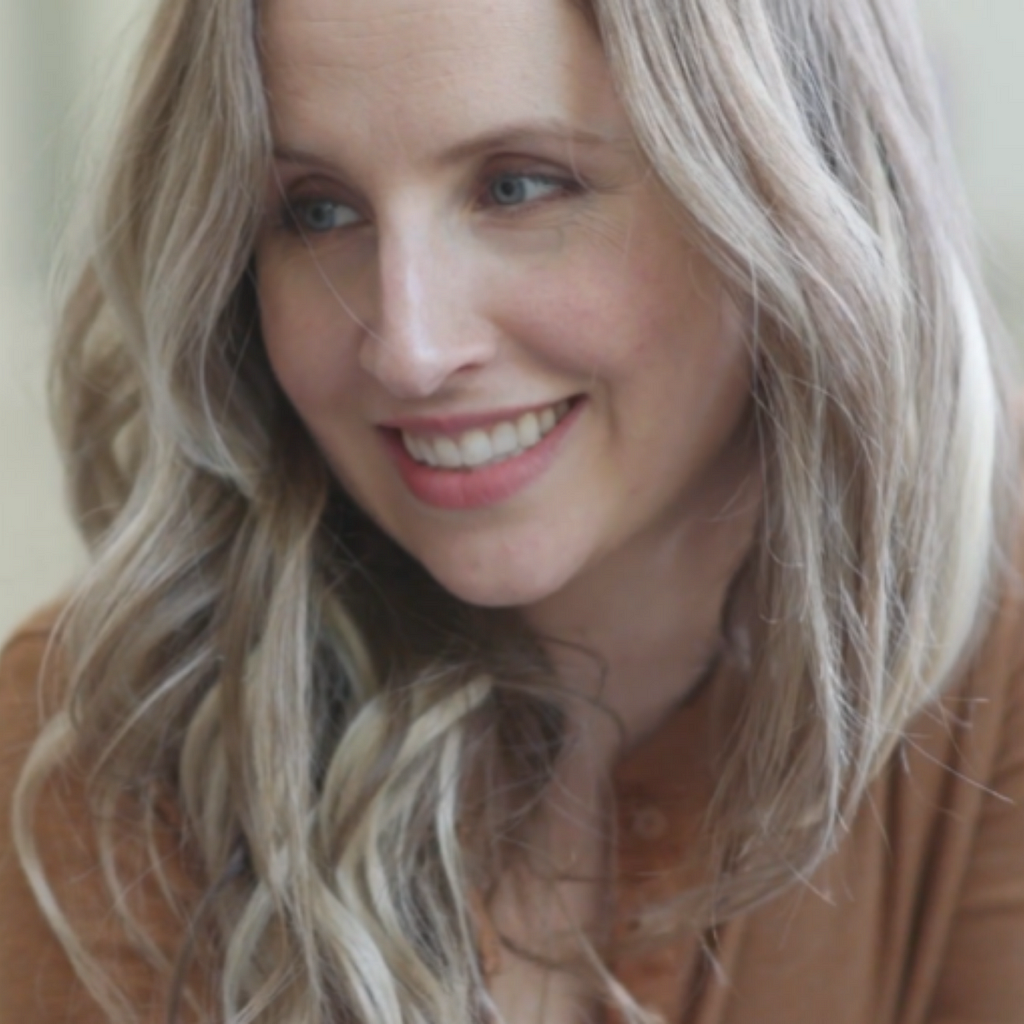
Nothing stays the same. It’s always changing. Just as you think you have it figured out, something will change. Whether that is an economic change, a supplier change, a retailer change, it is a constantly evolving adventure and it is imperative that entrepreneurs be fluid in adapting to constant changing economic and environmental conditions.

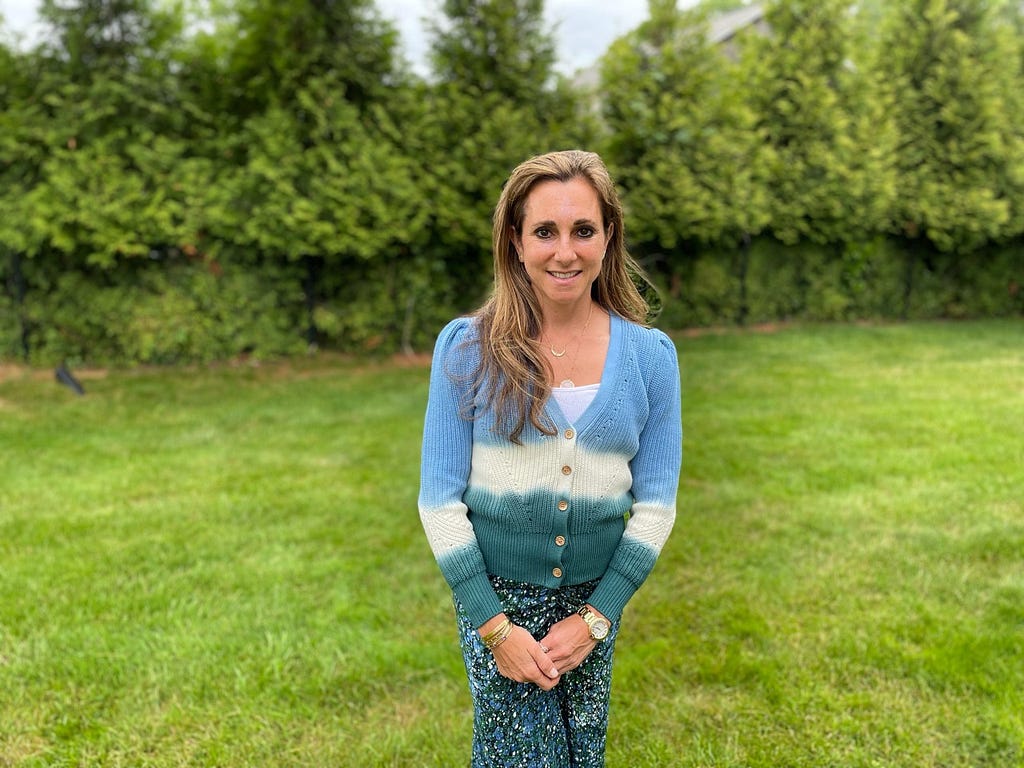
As a part of our series about “Why We Need More Women Founders”, I had the pleasure of interviewing Alison Ruks.

Alison Ruks brings over 15 years of experience specializing as an entrepreneur, consultant, and executive leader in consumer packaged goods, natural health, cannabis, and education, and she oversees multiple companies including Mobo Co. in the eco-friendly and sustainable baby accessories category. Passionate about making parenting easier for new moms, Alison brought to market the world’s first fashion-friendly breastfeeding hat that helps normalize breastfeeding in public while providing an easy-to-use solution for moms who aren’t yet comfortable nursing uncovered. The Mobobaby 2–1 Nursing Cover + Hat is one of the only nursing covers on the market that the baby wears, instead of mom.

Thank you so much for doing this with us! Before we dig in, our readers would like to get to know you a bit more. Can you tell us a bit about your “backstory”? What led you to this particular career path?

I have been working since I was 13 years old, I held various positions but nothing was ‘ticking the box’ for self-fulfillment.

After my second round of university, I became pregnant with my first child. I continued working in my executive role and when I gave birth to my baby, I observed the presence of ‘mother-in-the-workplace’ inequity, and also experienced the systemic deficiencies of support systems for mothers. I silently suffered from severe postpartum depression and anxiety for several years, which affected both my home life and my bond with my baby.

Pairing my ‘entry to motherhood’ experience with a history as a long-time executive and entrepreneur — I was overcome with insatiable motivation to establish a business that gave back to the parents and mothers that give so much; a business that provides products, insight, and entertainment to make parents and mothers’ lives a little bit easier, and creates a community network for parents to feel supported, learn, connect and relate in a safe and respectful environment. I committed to eventually pursue a dream of creating a business that centers on benefitting parental and maternal health ‘when the time was ‘right’.

Can you share the most interesting story that happened to you since you began leading your company?

As soon as I started this company, the pandemic hit and I instantly became the wearer of about 35 hats. My daughter’s school was closed so she was home with me 100% of the time, and we had no family, friends or childcare to help us out.

I was still doing consulting work to pay the bills, I was the primary caregiver to my daughter, and now I was also an entrepreneur that was solely the one working on building the business. A typical day had me up at 5 a.m. to get a few hours of work in before my daughter woke up, and then I’d bounce between teacher, consultant, entrepreneur, chef, chauffeur, housekeeper, healthcare practitioner until she went to bed around 7 p.m.

Then, I’d high-five my husband and I’d head back down to my office until around midnight to finish my work. Then sleep for 5 hours and do it all over again. For months on end. It was exhausting. It was like Ground Hog Day, Bill Murray style.

Can you share a story about the funniest mistake you made when you were first starting? Can you tell us what lesson you learned from that?

Funniest mistake: I was presenting our flagship product on national live stream when my shirt kept creeping down on me. I had to keep adjusting my arm position and weirdly had my arms in front of my face to prevent a nip slip.

What I learned: Always choose your clothing wisely when presenting your product on national live stream. Preferably a turtle neck.

None of us are able to achieve success without some help along the way. Is there a particular person who you are grateful towards who helped get you to where you are? Can you share a story about that?

I have had so many amazing people enter my journey. My family was key, and then I was so blessed by getting to work with Arlene Dickinson and her Venturepark business community. Arlene is an amazing entrepreneur, venture capitalist and longtime investor on Canada’s Dragon’s Den, which is akin to the USA’s Shark Tank.

She is a mother of 4 and an entrepreneur who built her empire from the ground up. She was a great source of support and feedback when developing our flagship product, the Mobobaby 2–1 Nursing Cover + Hat. It was a once-in-a-lifetime opportunity. She loved our product and gave me amazing advice to take it to the next level.

Ok, thank you for that. Let’s now jump to the primary focus of our interview. According to this EY report, only about 20 percent of funded companies have women founders. This reflects great historical progress, but it also shows that more work still has to be done to empower women to create companies. In your opinion and experience what is currently holding back women from founding companies?

I am surprised that it’s as high as 20%, to be honest. There is a stigma about the woman entrepreneur. And, that stigma mainly focuses on our historic stereotype of being the shrinking violet, the sensitive one, the mother, the primary caregiver, and we just generally get looked at differently than men. What I’ve seen in my journey, is that women get screwed when it comes to startup funding which can prevent them from starting a business.

Yes, some women have created amazing businesses on a shoestring budget, but that is rare. Start ups need money. Over my career, I have seen so many men with mediocre business ideas and questionable character get startup funding so much easier than women. Women are more likely to get mentorship, coaching opportunities, entry into accelerator programs, etc., but that isn’t always what we need. We need investment. Cold hard cash. We need people to believe in us.

Can you help articulate a few things that can be done as individuals, as a society, or by the government, to help overcome those obstacles?

As individuals, the general viewpoint on women entrepreneurs needs to change. Anyone who questions whether a woman can run a company on her own needs to go back to the drawing board and learn a few things about what women have done in history. As a society, it’s a similar thing. The viewpoint on women needs to change.

The government needs to put forth way more initiatives to back women entrepreneurs, and they need to do it now and for the foreseeable future. They can’t just run a random program for spring and summer and expect they’ve done their job. We’ve been historically marginalized and shoved to the side when it comes to having the resource is to make things happen, and change is long overdue.

This might be intuitive to you as a woman founder but I think it will be helpful to spell this out. Can you share a few reasons why more women should become founders?

Women naturally care about their people. Of course, this has its limits, we all know horrendous women but overall, women are naturally more nurturing. It’s well known in HR circles that a team that feels valued and cared about works harder and creates far more value than a team with toxic leadership and culture.

Women can get stuff done, no matter what they are handed. Have you seen what a mother does in a day? Imagine taking those skills and putting them into a company. Enough said.

Women run companies make the most money, according to Mr. Wonderful. Kevin O’Leary has stated this repeatedly in his tenure, women-run companies make more money. We’ve got it in us, we just need the opportunity to make it happen.

What are the “myths” that you would like to dispel about being a founder? Can you explain what you mean?

The main one is that you can start a business with $100 and build it to a life changing multimillion dollar operation. Yes, that can happen (as we’ve all seen on Shark Tank), but it is very rare. To build a business, you need money, you need resources, and you need a support team. Even as someone with multi divisional executive experience like myself, I cannot do it all alone.

Is everyone cut out to be a founder? In your opinion, which specific traits increase the likelihood that a person will be a successful founder and what type of person should perhaps seek a “regular job” as an employee? Can you explain what you mean?

Heck no. Entrepreneurship is not at all for the faint of heart. You have to have nerves of steel, a strong backbone, and the time and drive to build your business. You have to handle rejection. You have to handle obstacles. You have to be prepared that your business will be on your mind 24 hours a day seven days a week.

There is no clocking out at 5:00 PM. Stuff happens after 5:00 PM and it’s your company, so you’re the one that has to deal with it. If the thought of that makes you shudder, your best bet is to go find a nice, tidy, union job and enjoy your freedom.

This brings to mind one hilarious meme that showed this lady at a desk saying “I got sick of my Monday to Friday 9–5, so I started my own business. Now I work 7 days a week, 365 days a year.” Sadly, it’s kind of true. Especially in the early years. As your business grows, however, it is the hope that you can hire the right people in the right places, so that you can enjoy some of that freedom in the long term.

Ok super. Here is the main question of our interview. What are your “5 Things I Wish Someone Told Me Before I Started” and why? (Please share a story or example for each.)

You will feel guilt. A lot. Entrepreneurship comes with so many ups and downs. You will let people down no matter what you do, whether it is your own team, or your spouse or partner, or your child.

You will work more than a full time job. I think Mark Cuban said it really well on Shark Tank one day, he said something along the lines of “I’d rather work 80 hours a week for myself than 40 hours a week for somebody else.” That is the reality of it for most entrepreneurs. Yes, some will have that golden opportunity where they started a business and can live the four hour workweek, but that’s not the norm.

It will be hard to get funding. Women are just at a natural disadvantage to get the type of startup funding that men do. Even if your idea is awesome and you and others totally believe in it, actually getting an investor to close on believing in your business takes an incredible amount of time and resources.

People will be mean. This can come through customers, suppliers, and especially on social media. There are trolls in every corner that will take a dig at you and your business, it is inevitable. That being said, there are just as many — if not more — amazing people who will support you and be your cheerleaders, but you do need to realize that there will be trolls.

Nothing stays the same. It’s always changing. Just as you think you have it figured out, something will change. Whether that is an economic change, a supplier change, a retailer change, it is a constantly evolving adventure and it is imperative that entrepreneurs be fluid in adapting to constant changing economic and environmental conditions.

How have you used your success to make the world a better place?

I am structuring our company to give 1% of all sales back to supporting parental and maternal health, but I also commit to spending a specific amount of time per month mentoring other up-and-coming entrepreneurs.

Parental health is so important to me, because if we don’t have healthy parents, we don’t raise healthy kids, which is our entire next generation and the future of our economy.

With mentoring other entrepreneurs, throughout the journey, I am building a platform to hopefully provide a long-lasting and valuable source of inspiration, mentorship, and motivation.

You are a person of great influence. If you could inspire a movement that would bring the most amount of good for the greatest number of people, what would that be? You never know what your idea can trigger.

I desperately want the government, businesses, and individuals to care about the health and well being of parents, particularly mothers and primary caregivers. Maternal health is in a horrendous state in North America, with the United States and Canada taking an embarrassingly high position on the maternal mortality charts, as well as postpartum depression and anxiety.

If we care properly for our parents, we have healthier happier kids, which shapes a healthier and happier future for the entire world. Parent health matters and it’s long overdue that mothers and parents in general get the support they need, They deserve to live better lives.

We are very blessed that some very prominent names in Business, VC funding, Sports, and Entertainment read this column. Is there a person in the world, or in the US with whom you would love to have a private breakfast or lunch with, and why? He or she might just see this if we tag them.

I’d have to go with either Barbara Corcoran or Lori Greiner. Both of them are incredible women who have busted their chops to get to where they are, and they did it with grit, kindness, grace, and overall just plain awesomeness. I would love to absorb their vibes, even if just via osmosis.

Thank you for these fantastic insights. We greatly appreciate the time you spent on this.


Female Founders: Alison Ruks of Mobo Co On The Five Things You Need To Thrive and Succeed as a… was originally published in Authority Magazine on Medium, where people are continuing the conversation by highlighting and responding to this story.

Women In Wellness: Dr Elizabeth Yurth of Boulder Longevity Institute On The Five Lifestyle Tweaks…

Women In Wellness: Dr Elizabeth Yurth of Boulder Longevity Institute On The Five Lifestyle Tweaks That Will Help Support People’s Journey Towards Better Wellbeing

An Interview With Candice Georgiadis

Take Vitamin D! My last lifestyle tweak is an easy one. Take vitamin D! There are a handful of supplements that I think are critical to life, and vitamin D is up there at the top of the list. Vitamin D impacts so many organ systems, especially our immune system. We know that taking vitamin D upregulates our own response to be able to fight infections. It upregulates something called a peptide in our body that actually fights infections. You need to take enough vitamin D to maintain optimal levels. This depends on where your levels are (so testing this is important), but in general most people need around 5,000 to 10,000 IUs daily.

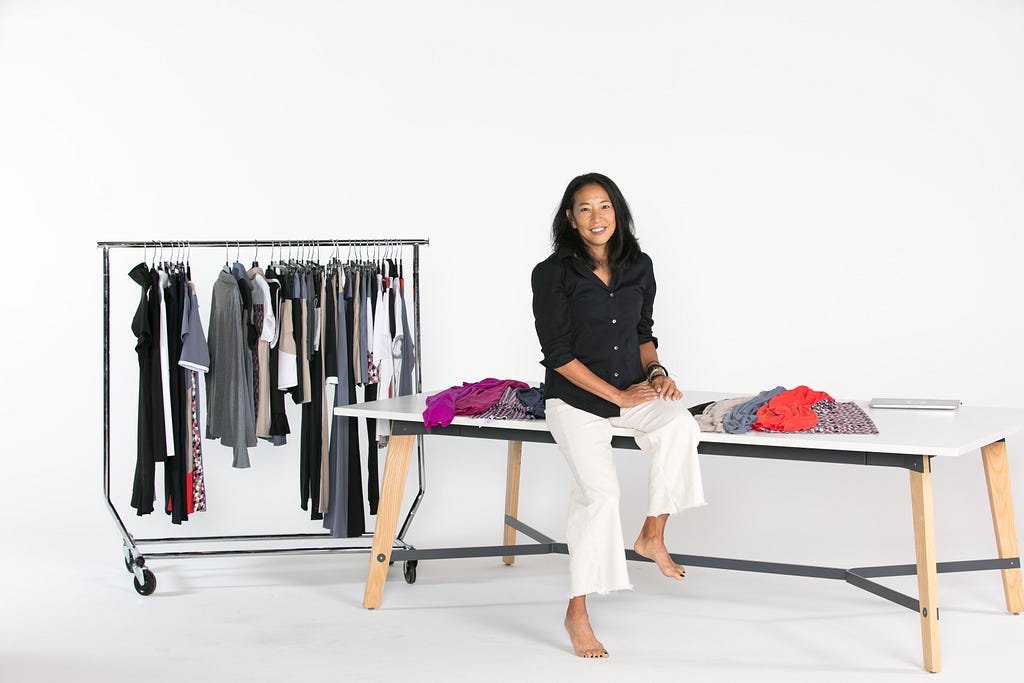
As a part of my series about the women in wellness, I had the pleasure of interviewin gElizabeth Yurth, Co-Founder & Chief Medical Officer at Boulder Longevity Institute.

Dr. Elizabeth Yurth is the Co-Founder and Medical Director of Boulder Longevity Institute, where she has been providing Tomorrow’s Medicine Today to her clients since 2006. Dr. Yurth obtained her Medical Degree from the University of Southern California Keck School of Medicine and completed her residency at the University of California — Irvine. Along with her 25-plus years as a practicing orthopedist specializing in sports, spine, and regenerative medicine, Dr. Yurth is double-Board Certified in Physical Medicine & Rehabilitation and Anti-Aging/Regenerative Medicine. She has a Stanford-affiliated Fellowship in Sports and Spine Medicine, and a dual-Fellowship in Anti-Aging and Regenerative Medicine (FAARM) and Anti-Aging, Regenerative and Functional Medicine (FAARFM) through the American Academy of Anti-Aging Medicine (A4M).

Dr. Yurth has also completed a Fellowship in Human Potential and Epigenetic Medicine, is part of the first cohort of providers to receive the A4M National Peptide Certification, and is a faculty member and national lecturer for both A4M and the International Peptide Society(IPS). She is a member of IPS’s very first Peptide Mastermind Group, comprised of a small elite group of national peptide experts.

Dr. Yurth has completed over 500 hours of Continuing Medical Education (CME) training in the areas of Longevity, Epigenetics, Nutrition, Bioidentical Hormone Replacement Therapy, Regenerative Peptide Treatments, and Regenerative Orthopedic Procedures. As an athlete herself who has dealt with numerous injuries, Dr. Yurth is thrilled to share with her clients all the innovative, life-changing treatments that are on the cutting-edge of medicine.

Thank you so much for joining us in this interview series! Our readers would love to “get to know you” better. Can you share your “backstory” with us?

I think I always wanted to be a doctor. It’s actually a bit odd, because I didn’t come from a family of doctors. My dad was a geologist and my mom was a teacher. In fact, my dad had an innate distrust of doctors — and perhaps he was right since his avoidance of doctors allowed him to live a long and healthy life until age 92, after being a bit worn down caring for my 96 year old mom as she progressed with dementia in the last few years of her life. As for why I went into orthopedics originally and then found my way to regenerative and functional medicine, I think it was largely because we grew up a very active family. Then when I was 21, I tore my anterior cruciate ligament (ACL). I would go on to tear my ACL three more times before the age of 35. After the fourth time, I finally just stopped fixing it with surgery. I also had watched my dad suffer from knee problems his whole life. I vividly recall his knee locking, and I’d have to be the one to “pop it back into place.” By the time he passed away, his knee pain had turned an extremely fit and athletic man into somebody who could barely walk. Watching this demise terrified me.

I think it was a combination of watching my dad be his own doctor alongside not understanding why some people were more prone to injury that led me down the path I pursued in medicine. Honestly, I never remember not wanting to be a doctor.

Can you share the most interesting story that happened to you since you started your career? What were the main lessons or takeaways from that story?

Over time, I became increasingly frustrated with patients coming back again and again with the same pain in their back or joints. It became apparent that despite my best efforts, I was merely patching them together — never fully recovered — rather than truly fixing the problems causing their pain. They were well enough to go on their way, but it was only a matter of time before they came back into the office with the same joints or other joints hurting. Yes, people would “get better” to some extent, but they were never back to “good as new.” And the saddest part is that this was/is just the accepted reality — the norm for orthopedic medicine. As one of my old partners often said, “After 50, it’s just patch, patch, patch!” I knew we were missing something!

So, thirteen years into a successful and comfortable career, I came to the realization that I needed to fundamentally change the management of my patients, especially the ones coming into my office again and again or the young people with injuries that we would fix and then would see years later with early arthritis and pain. The problem couldn’t just be with their joints or they “should be better by now.” So, I started to look beyond their back, knee, or shoulder, and started to evaluate their health in general. If we could make the body healthy, could people heal completely and avoid the chronic decline we have come to expect with age?

Can you share a story about the biggest mistake you made when you were first starting? Can you tell us what lesson you learned from that?

The path to becoming a doctor is a long and arduous one. A heavy pre-med course load throughout your undergrad, followed by excessive studying for the MCAT and completion of multiple in-depth applications. Then you fly across the country doing interviews to hopefully get into any medical school, let alone your top picks. You get into medical school and you have four years of coursework and clinicals. You spend time applying to residency programs, and after you graduate medical school, you go complete another four years of residency where you are working nights and assigned to do the things nobody else wants to do. You finish your residency and then if you choose, you go on to complete a Fellowship program in your specific discipline. The point of this is that most doctors spend at least 12 years learning how to practice medicine — then they get into the field and by the time they are a practicing doctor, a lot of what they learned is already outdated!

The biggest mistake I made in my career is not realizing sooner that everything I know may be wrong! As Dr. Strange says in one of the Marvel movies, “You need to forget everything you know!”

I won’t say that that is exactly true (obviously some of what I learned is still relevant), but what keeps medicine from moving forward is that oftentimes doctors invest so much time, energy and money into what they have learned that to think there may be a better way is really tough! Some of you may have had the experience where you spent hours and hours on a project and when you showed it to fresh eyes they said, “Hmm, it’s good but it would be better if….” It’s a hard pill to swallow when someone tells you something you invested so much into requires more work or effort. It’s easy to cast aside this feedback or new perspective (even if it’s right) and to keep with your plan.

Let’s jump to our main focus. When it comes to health and wellness, how is the work you are doing helping to make a bigger impact in the world?

Boulder Longevity Institute (BLI) was born out of the need to practice better medicine. Working as an orthopedist in a traditional healthcare practice, I saw how the limitations imposed by traditional models of care led to a fragmented and single-minded approach to treating patients that was neither fulfilling nor effective. It takes on average 17 years for the latest science and research showing safety and efficacy to make its way to clinical application — and by that time much of what was learned is already outdated. BLI believes in bridging that gap by offering our clients the most cutting-edge, science-backed treatment options in a guided, clinical environment.

Our goal at Boulder Longevity Institute is to teach people how to take control of their own health. Too many people believe that their doctor has the answer without any knowledge that often what their doctor is recommending is not necessarily the best option. We are teaching people to read their own labs, analyze data, learn the newest research and challenge the status quo! In our clinic, we call people clients rather than patients, because we believe that we are consultants working alongside people on their health journey. In our online learning arm, The Human Optimization Academy, we aim to share this knowledge and education with as broad an audience as possible. We are changing medicine by empowering people to be their own advocate and come prepared with science and research to ensure they are getting the best care options available.

Can you share your top five “lifestyle tweaks” that you believe will help support people’s journey towards better wellbeing? Please give an example or story for each.

Optimize your hormones

I don’t care what age you are, you’ve got to have optimal hormone health. We all think about hormones for the 50 plus year old people. And yet, hormones are impacting young women as well, we’re talking about your 20 year olds. So unless you get the hormones optimized, everything else doing is going to be a little more of a struggle. For instance, if you’re a young woman, and you’re taking birth control pills, you’re not going to have normal testosterone levels. So how is that gonna impact you? Well, you’re not going to be able to strength train as well. Even as a young person, you need to know what your hormones are, you also need to know how your body is dealing with those hormones. Because if you think about things like cancer, we blame breast cancer on hormones. But cancer is not due to hormones, it’s due to your metabolism. So how you’re metabolizing those hormones — which has to do with genetics, and environment, and lifestyle — that’s what’s going to predict whether those hormones are metabolizing into either bad things or good things. And this is all stuff that we can test and we could look for, but you have to have in your head that you can do it. So don’t start thinking about your hormones when you’re 50, start thinking about your hormones when you’re 20 — and this applies to both men and women.

Strength train (rather than long endurance)

The second thing is that when we look at exercise, everybody’s going to tell you exercise is important, but I’m not sure everybody knows what kind of exercise is important. I have these very long endurance athletes who think they’re very, very healthy. Really, long endurance athletics is not healthy. It may make you feel really good, it gives you that “runner’s high,” and I’m not saying you shouldn’t ever do it — there’s tons of benefits to being able to push yourself and overcome the mental challenges of say, running a 50 mile race. But I have a patient who is 40 years old and was an ultra marathoner, and her body was not healthy. She stopped and is now recovering and doing well. The best thing for exercise is strength training, and short burst exercises. You absolutely have to lift heavy things.Our muscles produce hormones called myokines, and these are critical to the rest of your health. You need to lift heavy things, (I don’t mean picking up your two pound weights), because you need to build muscle. Muscle is the currency for your life.

Live in line with your natural circadian rhythm (light/dark cycles)

You have to re-establish circadian balance. A balanced circadian rhythm is really important. This does not just mean sleeping during your eight hour window of sleep or whatever that might be. It means keeping a consistent light-dark cycle. Get up in the morning and be in direct sunlight — get sunlight in the first hour of morning to cue your brain that it’s daylight. Get outside or if you can’t get outside, get a “happy lamp” or high powered lamp that gives you the same wavelength as sunlight. Your body needs sunlight during the day. It is equally as important to have a period of darkness before you go to bed. You need to be in the dark at night. When you’re on your computer and you’re on your cell phone at night, then you get all of this “junk light” that screws up your circadian rhythm. We know that imbalances in circadian rhythm are critical to people getting sick and people getting diseases. So to summarize, get light during the day and dark at night…And if you can, get outside and get direct sunlight!

Time-Restricted Eating and Intermittent Fasting

Contrary to some diets that have faded in and out of popularity over time, we do not want to be eating every two hours. We used to tell people, “You’ve got to keep your body metabolically active, eat every two hours.” But now we know that if you go longer periods of time in a fasted state, your body becomes more healthy. That time period you’re not eating puts a little bit of stress on your body and that stress tells your cells to do a process called autophagy. Autophagy is a cleanup of the bad or senescent cells in your body. During that period of time when you’re restricting food, your body goes into cleanup mode and gets rid of the damaged cells — it gets rid of the bad stuff so you can “start fresh.” So try to keep an eating window to a smaller period of time. We like a 16 hour fast to an eight hour eating window, but there are many versions of time restricted eating and intermittent fasting, so find the schedule that works best for you.

Take Vitamin D!

My last lifestyle tweak is an easy one. Take vitamin D! There are a handful of supplements that I think are critical to life, and vitamin D is up there at the top of the list. Vitamin D impacts so many organ systems, especially our immune system. We know that taking vitamin D upregulates our own response to be able to fight infections. It upregulates something called a peptide in our body that actually fights infections. You need to take enough vitamin D to maintain optimal levels. This depends on where your levels are (so testing this is important), but in general most people need around 5,000 to 10,000 IUs daily.

If you could start a movement that would bring the most amount of wellness to the most amount of people, what would that be?

YOU MUST STRENGTH TRAIN!! Myokines are critical to health. Muscle is the currency of life.

Myokines are released by muscle cells and are not only important for building muscle, but they play a critical role in helping us avoid disease and the decay of aging. A 2011 study published in the Journal of Experimental Biology analysed the role of myokine more specifically. The study found that, “myokines may be involved in mediating some of the health effects of regular exercise, in particular chronic diseases associated with low-grade inflammation and impaired metabolism.”

What are your “5 Things I Wish Someone Told Me Before I Started” and why?

Be an avid reader.

I wish someone had told me to read more from people who I think I have nothing in common with. Be an avid reader of everything — the things that have nothing to do with what you’re studying, what you’re learning, what your job is — read from every discipline. Read philosophy, read religion, read from people who have completely different opinions for you. My son is the most avid reader I know, and he is so smart because he has such a wide array of knowledge! All I did throughout most of my education and early career was focus on science. I read about the things I was studying or doing. I feel like when you do this, you become an uninteresting person. By reading everything, you’re going to be more interesting, and you can be better at what you do.

Injuries never really heal — unless you intervene early!

The second thing I wish somebody would have told me is that injuries actually never really heal. Now, we know that there’s ways that you can change that. For example, now in my field of regenerative medicine, I know that if you intervene right away with somebody who has an injury, especially if that person is young, you can introduce treatments that change the pattern of recovery. In turn, you can prevent that injury from going on to become chronic arthritis when they’re 50 years old. I tore my ACL 4 times, starting at a young age, and I wish someone had told me that when you hurt yourself, don’t just say “Oh, this is going to get better with surgery or time, etc.” Because unless you do the right things at the right time — and you start interventions right away — those early injuries will come back to haunt you.

Sleep really is as important as everyone tells you.

When you’re young, it is easier to prescribe to the adage, “I’ll sleep when I’m dead.” I spent a lot of years doing that. For a long time, I did not prioritize sleep, always saying I had too much to do or too much on my plate. But as I’ve learned more and done more research, I have come to learn at a cellular level how truly critical sleep is to living long and healthily. It doesn’t work to decide at 50 to start “catching up on sleep,” because those younger years you didn’t sleep still took a really big toll on your brain, on your body, and on your cells that you can’t make up for. You’ve got to really respect sleep.

Breakfast is NOT the most important meal of the day.

The fourth thing I wish someone would have told me is to not believe the cereal commercials and that breakfast actually isn’t the most important meal of the day. As a kid, I heard that all the time; however, really the science says that longer periods between eating is much more advantageous to your health. If you restrict your eating, especially in that 14–16 hour range, your cells go into a state where they kill off the bad stuff. This process called autophagy happens at the cellular level to help your body clean up cellular trash. So take the idea that eating first thing in the morning off your plate (unless you fasted through dinner), and remember breakfast is not the most important meal of the day.

Listen to your kids — they give the most honest advice.

The last thing I wish I had paid more attention to is the advice and feedback from my kids, especially when they were little. As you get older, the only people in your life that are really going to be brutally honest with you are your kids. Even your best friends will always be a little careful not to make you too upset, and your spouse has to be really careful… But your kids don’t care if you get too upset. They will tell you the hard, honest truth. For example, if I’m thinking about investing time/energy/money into a new project or a new activity, I can count on my kids to tell me if I’d actually be good at this new thing or if it would be a good use of my time. I’ve learned that your kids are really the only people who will ever be brutally honest with you, so listen to them because a lot of times they can be really helpful in helping you make important choices.

Sustainability, veganism, mental health and environmental changes are big topics at the moment. Which one of these causes is dearest to you, and why?

Mental Health: I have been touched by suicide several times now. The loss of my old partner at my orthopedic practice — one of my mentors when I first began practicing here in Colorado — was an amazing man. His loss hurt so deeply. SO many people are quietly suffering. He was so strong but he never reached out so we need to be sure we take care of each other.

What is the best way our readers can follow you online.

Follow me on social media @dryurth and @boulderlongevityinstitute. You can also join our online learning academy called the Human Optimization Academy by going to www.bli.academy and you can learn more about our clinical practice by going to www.boulderlongevity.com and submitting an online inquiry.

Thank you for these fantastic insights!


Women In Wellness: Dr Elizabeth Yurth of Boulder Longevity Institute On The Five Lifestyle Tweaks… was originally published in Authority Magazine on Medium, where people are continuing the conversation by highlighting and responding to this story.
Female Founders: Kate Roberts of The Body Agency On The Five Things You Need To Thrive and Succeed…

Female Founders: Kate Roberts of The Body Agency On The Five Things You Need To Thrive and Succeed as a Woman Founder

An Interview With Candice Georgiadis

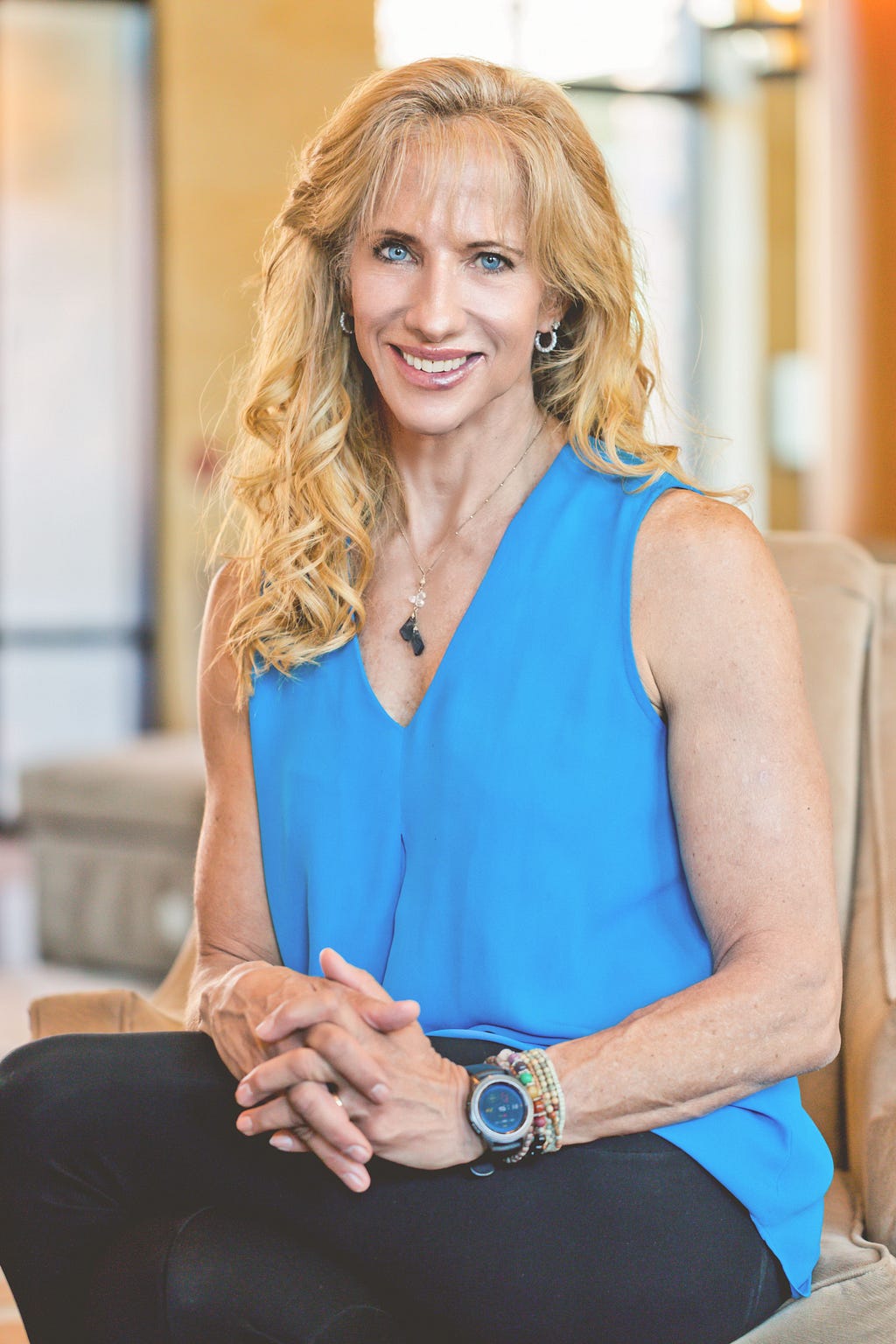
People will not understand your vision. For a founder it’s super clear and logical what your vision is but you need to be able to articulate it in your business plan for your investors and with your team who will execute on it. Don’t develop a 100 slide presentation. Keep it short and punchy with very clear ROI. You can’t get the numbers right off the bat, but get a clear understanding of the market and what gap you are filling.

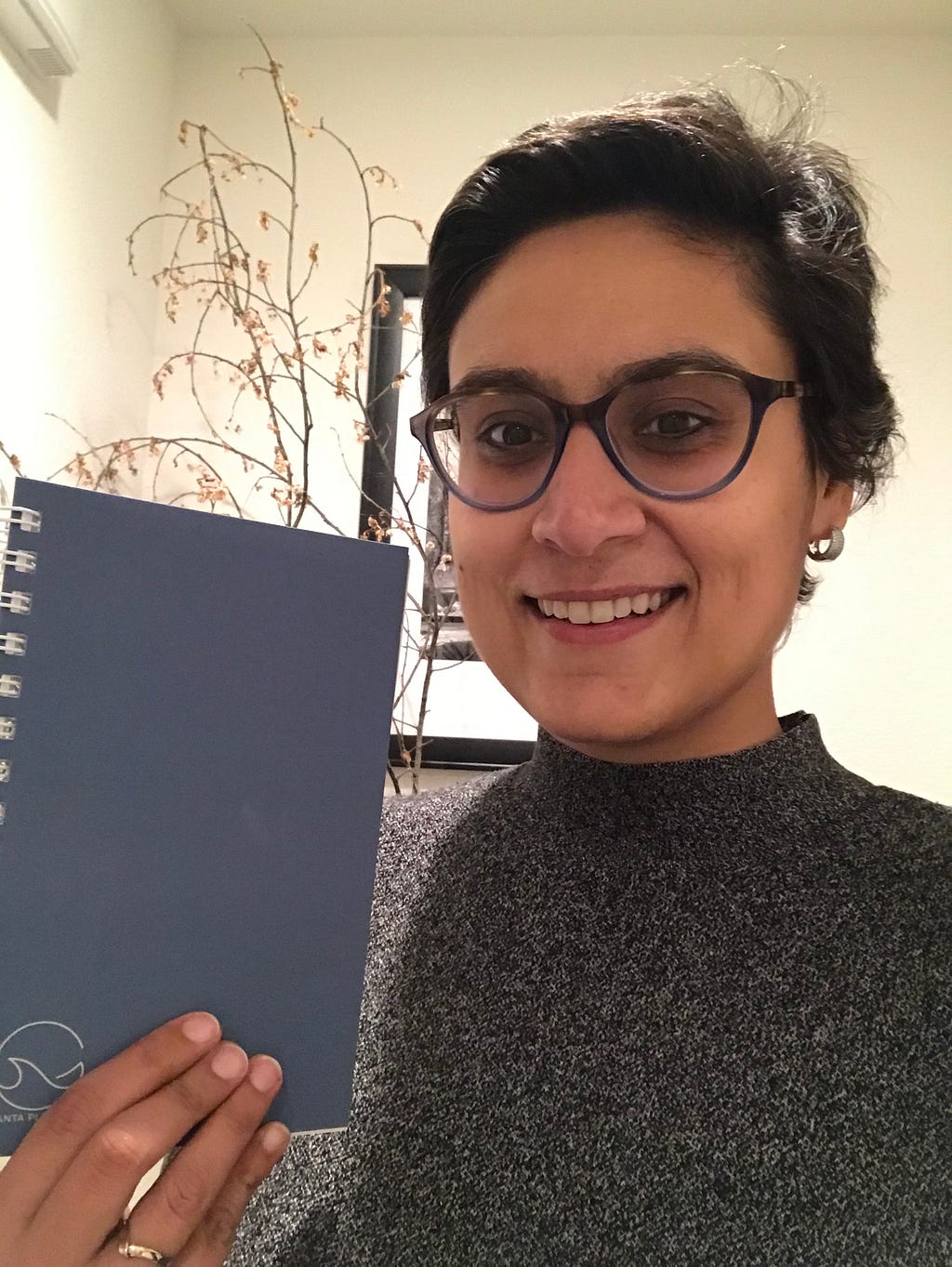
As a part of our series about “Why We Need More Women Founders”, I had the pleasure of interviewing Kate Roberts.

Kate Roberts is a global social entrepreneur and champion for women’s leadership through business, philanthropy, sexual health, and art. She co-founded Maverick Collective together with Melinda Gates and The Crown Princess of Norway and more recently founded The Body Agency, a global fem tech and e-commerce company and its foundation.

Roberts is a frequent speaker at The World Economic Forum, The Aspen Institute and has been awarded, WEF Young Global Leader (YGL), Vogue’s top 100 Women, Public Policy’s best thinker, Fast Company’s Most Creative and CNN’s Hero Award.

Thank you so much for doing this with us! Before we dig in, our readers would like to get to know you a bit more. Can you tell us a bit about your “backstory”? What led you to this career path?

After a successful career in strategic marketing working for the international Advertising agency Saatchi & Saatchi, the job took me all over the world including a number of years in Eastern Europe. I was unfortunately kidnapped by the Russian mafia and through the trauma of losing all control, especially over my body, I decided that if I was to survive I would dedicate my life to empowering other women. I was born in the UK and grew up sailing the world on my father’s ship; he was a sea captain on supertankers. By the time I was 12, I had seen the world and witnessed extreme poverty, so it was very much ingrained in me as a child how many people suffered in the world. I have always been a bossy feminist and my mother instilled in me that we, as women can do anything we set our minds to. I then took a vacation to South Africa and saw the destruction of HIV/AIDS in the late 90’s and that began my journey to end AIDS.

I emigrated to Washington DC. joined the global healthcare giant PSI and started my first global charity called YouthAIDS. Through this platform, I was able to recruit some of the top celebrities in the world to help (Alicia Keys, Christina Aguilera, P Diddy, Bono, etc) and brands such as MTV, ALDO, Levi’s, Coke, Estee Lauder and others, which led to considerable funding to invest in innovation to prevent HIV. We implemented programs across 50 countries and worked towards an AIDS-free generation. I started to learn about investing in early stage innovation and saw how it can be leveraged and scaled. This set me on the path to understand how to tackle major diseases and pandemics, especially those affecting girls and women. I then joined forces with Melinda Gates and The Crown Princess of Norway to start Maverick Collective, a philanthropic platform of incredible bold women all investing in promising solutions in women’s health. We worked on issues such as cervical cancer, HIV prevention, gender-based violence prevention, access to much-needed contraception and sexual reproductive health. During this journey, I recognized a massive gap in women’s sexual wellness as well as the stigma associated to our bodies normal functions such as periods, fertility and menopause. Plus, I learned about the orgasm gap, 75% of women do not achieve orgasm by sexual intercourse alone. This is when I decided to start The Body Agency.

Can you share the most interesting story that happened to you since you began leading your company?

Well there are three and it’s hard to choose:

A private meeting with Bill Gates. I was 10 months pregnant, and we met at a hotel in Washington DC. I was early and he was late and the only other person in the bar was a rather shady guy sitting at the bar. He kept checking me out and I remember thinking how odd that a man would be looking at a heavily pregnant woman. To break the ice when Bill arrived, I joked about the situation and Bill just laughed and said “don’t flatter yourself Kate, that’s my security detail”. I had my daughter the next day, so I like to think Bill Gates helped me birth my child. This meeting also led to me meeting Melinda and $6M seed funding for Maverick Collective and when I returned from maternity leave there was a letter waiting for me from Bill on my desk.

A close second would be trying to pass customs in Costa Rica with 70 vulva puppets or ‘Vuppets’ as we call them, educational, stuffed puppets in the shape of vulvas. I was bringing them in the country for a speaking engagement with the Young Global Leaders conference. Yup, every global leader got a Vuppet and border control did not know what to make of me and my entire suitcase of vulvas!

Lastly, it would be forming a close relationship with Jimmy Wales, the founder of Wikapedia who I met on a plane while I was traveling to China. I refused to talk to him at first because I thought sleep was a much more viable proposition and I silenced him. We ended up being in the same YGL year at the Forum and became work husband and wife. At the conferences, we would lean on each other’s expertise and networks. One year, I found myself in a conversation with Jimmy (Wikapedia), Mark Zuckerberg (Facebook), Sergey Brin (Google) at dinner.

Can you share a story about the funniest mistake you made when you were first starting? Can you tell us what lesson you learned from that?

In the early stages of establishing The Body Agency, I would quiz all our potential partners on drawing a woman’s vulva and ask them to point out where the clitoris was. Absolutely amazing how both men and women got it wrong. For this reason, we developed our “Vuppet”, the vulva puppet which is an educational tool for kids and grown ups to understand their anatomy down there and where all the parts are. It’s also useful to teach girls how to put tampons in and for OBGYNs to demonstrate child birth, for instance. We also have a coaster that also names all the parts of a woman’s anatomy. People don’t realize how many holes we have down there and what their functions are. I think it’s easier for men as their parts are external!

None of us are able to achieve success without some help along the way. Is there a particular person who you are grateful towards who helped get you to where you are? Can you share a story about that?

Again, there are so many to mention but three that really stand out:

Debra Messing. We paired up in the early stages of YouthAIDS. She wanted to change the world and I needed to open the right doors. She was willing to travel with us to Africa, listen to our strategic needs and be the right voice and use her celebrity to create awareness and funding for the issue. She helped us secure a $100M grant from USAID, develop a key partnership with DFID and UNAIDS and she did it all with grace and humility. She is just a great human and knows the important part of humor when dealing with such controversial issues. She has now joined our board of The Body Agency Collective and we are looking to go the last mile to end HIV and invest in our next generation of youth.

HRH Mette-Marit, Crown Princess of Norway. She’s an unlikely friend and mentor; we met through her husband Crown Prince Haakon and found ourselves on a trip to India together to see HIV and TB programs in the field of HIV. We went on to join forces to create Maverick Creative together with Melinda Gates. We spent many long nights on the phone together plotting and planning our organization, she was completely hands-on and brilliant in all her recommendations and guidance. She also opened the palace for us in Norway to have retreats and learning sessions. There is so much she did behind the scenes for the success of the initiative. She is the real deal!

Kim Agnew. Kim’s was one of the founding members of Maverick Collective and together with a few of the other members really educated me about female sexual wellness and lack of resources. Kim helped me to create The Body Agency and now serves on our board. She believed in my leadership from the getgo and took a massive leap of faith.

Ok, thank you for that. Let’s now jump to the primary focus of our interview. According to this EY report, only about 20 percent of funded companies have women founders. This reflects great historical progress, but it also shows that more work still must be done to empower women to create companies. In your opinion and experience what is currently holding back women from founding companies?

Men hold the majority of funding still. In my field of sexual wellness and women’s health, the conversation and enterprise is still hard for men to get behind or even hear about. However, it is demonstrated time after time, that women actually work quicker to generate more return on investment and more profits. It’s simply funding that still holds women back. It also just takes guts to start something, and our culture and biology still dictates otherwise. There is no question that having babies interrupts our professional journey. I waited until my 40’s to have kids for that very reason and when I was pregnant I found myself apologizing to my CEO at the time! Women are also still outside of those established power networks and often don’t get the same opportunities, therefore don’t see themselves as entrepreneurs as much.

Can you help articulate a few things that can be done as individuals, as a society, or by the government, to help overcome those obstacles?

Women need to invest in women and women-led companies, we also need to lift each other up. I see incredible ventures such as The Billion Dollar Fund for Women and many VC’s like Trail Mix Ventures and Lux Capital now just focused on funding women led companies alone. I also think that the sports world is making a difference. Individuals such as Harvey Grant, a retired pro basketball player for the Wizards is using his base to reach girls through strategic partnerships and he also sits on The Body Board Collective Foundation. The sports world alone can change the playing field for women, literally!

This might be intuitive to you as a woman founder but I think it will be helpful to spell this out. Can you share a few reasons why more women should become founders?

Women hold an incredible super-power to juggle family, work and home, like no other. I am a single mother, a founder of many companies and non profit efforts. It’s just amazing what we can do when we put our minds to it. We are collectively stronger when women support other women and we form collectives that will change the world. There is something magical about talent supporting talent, especially amongst women, we do it with more empathy.

What are the “myths” that you would like to dispel about being a founder? Can you explain what you mean?

That Rome wasn’t built in a day. It takes perseverance and many Plan Bs. Amazon is still losing money and you need to keep reinvesting in your company and reinventing yourself. Look at Madonna and how she has changed through the ages to stay relevant, she is a brand, she is a company, she takes no prisoners! Many start-ups fail, it’s not always the shiny, new thing that you should be investing in. Most new companies take at least five years to get established. There is a certain image that founders are expected to pull all-nighters and sleep under their desks until you get it right. Through my experience, I believe in self-care as well as hard work and founders should not run themselves into the ground and set that example for their team. ‘No’ is a full sentence and you will get a lot of them, but it’s the ‘yeses’ that keep you going.

Is everyone cut out to be a founder? In your opinion, which specific traits increase the likelihood that a person will be a successful founder and what type of person should perhaps seek a “regular job” as an employee? Can you explain what you mean?

No, not everyone is set out to be a founder; it’s hard and takes a certain type of person. You have to be able to check your ego at the door every day and be a self motivator. NOBODY tells you “great job” as a founder and nobody is there above you telling you what to do. You will hit many obstacles and often think it will be easier to give up. However, when you are also spending other people’s money you cannot give up, ever! It’s much easier to have a job, go to work, not be accountable and get your paycheck every month and be able to sleep soundly knowing you will pay the mortgage. Founders are also thrill seekers of the chase, whether it be to secure funding, solving problems, be a team player and build something meaningful that can change the world, which is what gets my juices flowing.

Ok super. Here is the main question of our interview. What are your “5 Things I Wish Someone Told Me Before I Started” and why? (Please share a story or example for each.)

1. People will not understand your vision. For a founder it’s super clear and logical what your vision is but you need to be able to articulate it in your business plan for your investors and with your team who will execute on it. Don’t develop a 100 slide presentation. Keep it short and punchy with very clear ROI. You can’t get the numbers right off the bat, but get a clear understanding of the market and what gap you are filling.

2. Failing quickly is okay. It will take many attempts to get it right and it’s ok to fail but have a Plan B.

3. Do adequate research. It’s tempting to just get started without doing the necessary research. I made sure to talk to many other founders in my space to understand their failures and the market so I did not make the same mistakes. One lesson I learnt is that you can get closed down on social media for mentioning anything sexual, including words like vagina and menopause.

4. Agencies are expensive and often suck. It’s all about your talent and individual talent and not necessarily big agencies. Big agencies will run up huge bills and retainers. Find the winning individual who is invested in your mission who has a good track record in their field.

5. Partnerships are key to building any business. Start with the right founding investors who are willing to lean in and help you to build the business with their skills. I love the old African proverb “If you want to go fast, go alone, but if you want to go far, go together”. One of our founding investors, Bill Sanders, has taught me so much about structure and finance where I lacked the expertise. Find people that are better than you in where you are weak. Always look for win-win partnerships, don’t give away your platform for free.

Thank you for these fantastic insights!


Female Founders: Kate Roberts of The Body Agency On The Five Things You Need To Thrive and Succeed… was originally published in Authority Magazine on Medium, where people are continuing the conversation by highlighting and responding to this story.

How to Use LinkedIn To Dramatically Improve Your Business, With Anna Khachatrian of CodeRiders

An Interview With Candice Georgiadis

Participate in network discussions and publish useful information. If you are offering solutions to the weak points of your network, you should also position yourself as someone knowledgeable in it. Share information regarding your sphere of work, useful tips necessary for your target audience, write LinkedIn articles and comment on posts related to your knowledge and expertise.

As part of my series of interviews about “How to Use LinkedIn To Dramatically Improve Your Business”, I had the pleasure of interviewing Anna Khachatrian.

Anna Khachatrian is Business Development Executive at CodeRiders software development company. She is a digital marketing expert with 6+ years of experience in business development, partnerships, client communications, and lead generation. Anna took part in several events as a speaker — both local and international; and one of her recent speeches was about professional women in a digitized economy during a conference by Women Impact Network (WIN). She also gave interviews to several media and event organizers, as well as writes articles for international media (like Clutch, The Entrepreneur), CodeRiders blog, and her own blog on Medium.

Thank you so much for doing this with us! Can you tell us a story about what brought you to this specific career path?

Thanks for this opportunity to share my knowledge about the LinkedIn platform and its capabilities. It’s already 6 years since I am in the sphere of digital marketing. For the past 3 years, I am specifically working in business development. Social networks and especially LinkedIn are the tools I use daily to keep the communication with my network, read industry-related news, as well as get qualified leads.

My story of becoming a business development executive and communications specialist starts with my first job as a journalist. I was still a student when I started my career in that field, learning and practicing the ways to communicate smoothly and effectively with people, inviting them to answer my questions sincerely. I also learned data journalism and data research related to it, which later on helped me to conduct effective research to find the leads that can become prospects in the future.

Can you share the most interesting story that happened to you since you started this career?

Communicating with clients from different nationalities is what I do every day, and of course, this makes so many interesting stories. My main language to communicate in is English, although I also speak Russian, besides my native language. One of my clients is from Ukraine, and she sometimes sends me messages in Ukrainian, forgetting that I don’t understand it. Every time I translate her messages to understand her properly and ask her to send me messages in English or Russian. Nevertheless, she keeps sending me Ukrainian messages from time to time. I believe at the end of this project, I’ll be able to smoothly communicate in Ukrainian as well, haha.

Intercultural communications are what I love, and this example is one of the reasons I love speaking to different nationalities and sharing cultural experiences.

Can you share a story about the funniest mistake you made when you were first starting? Can you tell us what lesson you learned from that?

Oh, I just recalled one story. It seems funny now, but I was so embarrassed at that time. I am usually very attentive to details, especially when sending business-related messages to my leads. However, I failed once.

I sent a LinkedIn message to someone named Phil and accidentally called him Peter. The response I received was quite a cold shower for me, “Hi Sylvia, my name is Phil. I help companies meet the right people to grow their business and not make silly mistakes in the beginning …if you are going to cold call message some one then at least get the name right…”

I was both ashamed of my silly mistake and worried that I could accidentally underrate my company authority with that mistake. It was a lesson for me to be much more attentive to details before hitting the “send” button while messaging. It also taught me to be tolerant of messages that may contain some accidental mistakes. During my career path, I myself received such messages from representatives of other businesses and kindly answered them to improve their mistakes. After all, mistakes are not for demotivating, but for learning and improving.

Which social media platform have you found to be most effective to use to increase business revenues? Can you share a story from your experience?

The main social media platforms I use are LinkedIn, Facebook, and Instagram. Each of them has its unique purpose. If we are speaking about lead generation, networking, and communicating with industry professionals, of course, LinkedIn wins all. If we are speaking about audience informing and news sharing, we use Facebook. If we talk about company branding, team atmosphere, and what it means to work in our company, we use Instagram.

LinkedIn is the platform that suits best with increasing business revenues. Most of the LinkedIn users keep it professional in that platform and network with others on business-related topics. LinkedIn has its unique culture that is different from other social media platforms. This makes it stand out from other social media platforms as a great tool for increasing business revenues.

Let’s talk about LinkedIn specifically, now. Can you share 5 ways to leverage LinkedIn to dramatically improve your business? Please share a story or example for each.

Sure, to improve your business through LinkedIn and get new prospects, you should organize optimized outreach campaigns. Each campaign contains a few parts you should pay great attention to.

  1. Improve your profile. Your network is going to get your first impression from your profile look. So, if you have an incomplete profile or if it serves a different purpose than your LinkedIn outreach campaign, you are not going to win your network’s attention. Start with your profile and cover images. Show your professional profile image, not a selfie or a low-quality photo, and correspond your cover image to it. You can also use your company cover photo. Next, rewrite your headline and describe how you can help your network with on-point reasons. Rewrite your profile description and tell in more detail how you can help your network solve a specific problem with your company. Provide useful links and contact information. Update your work and education sections. Ask your clients for reviews of their cooperation with you.
  2. Learn how to use LinkedIn search. LinkedIn has a great built-in search tool, which provides quite enough search options for finding the best-fitting leads. The basic free version of LinkedIn search is also enough for having a small or medium outreach campaign. However, if you are going to start a large campaign, you may have to buy LinkedIn Sales Navigator to work more effectively. It helps filter your search in an as detailed manner as possible, ensuring that you get only the results that match your search the most. When typing keywords for searching, try to put yourself in the shoes of your target audience. What would they write in their LinkedIn headlines and titles? What would they post about? What groups would they use? Answers to questions like this will help you conduct a better search campaign. Let me share one tip if you are using the free version of LinkedIn search and are worried that LinkedIn may restrict your search results. When opening one of the profiles that match your criteria, LinkedIn usually offers similar profiles in the right column. Many business developers tend to skip that section and do their research-based only on specific search results. However, my experience shows that those profile suggestions are quite relevant and can serve you as a great help.
  3. Personalize each message. No one likes receiving mass messages sent to everyone. Remember that the purpose of your campaign is to convince your network that your services and solutions can be a great help for them. How is your network going to believe in you if you do not even take time to explore who they are and what problem they have to offer them custom solutions? Your outreach message should contain their weak points and your personalized solution for them. Messages like this gain the most open and reply rates.
  4. Create a well-defined follow-up strategy. Your network may accept your connection request, but miss your initial message. Due to heavy schedules and busy timelines, they may forget to get back to your message. To avoid situations like this, each outreach campaign requires a well-written and examined follow-up strategy. There are two things one should avoid — sounding too needy and following up too late. In both situations, you would lose your lead. Follow-up messages should not be just reminders but also provide more value to your initial message. The average practice is to send at least 3 and a maximum of 6 follow-ups. However, each campaign has its unique strategy, so the number of follow-ups depends on the research.
  5. Participate in network discussions and publish useful information. If you are offering solutions to the weak points of your network, you should also position yourself as someone knowledgeable in it. Share information regarding your sphere of work, useful tips necessary for your target audience, write LinkedIn articles and comment on posts related to your knowledge and expertise.

Because of the position that you are in, you are a person of great influence. If you could inspire a movement that would bring the most amount of good to the most amount of people, what would that be? You never know what your idea can trigger. 🙂

Free and accessible education for everyone, definitely. Imagine how many talents are skipped and underrated because they didn’t even have the chance to get educated due to money matters. Well, school education is free in general, but still, it is not available for everyone due to so many reasons, like location, lack of teachers, lack of books, poor Internet availability, etc. Higher education is much more inaccessible in many countries. A very small percentage of students actually get free higher education. So, the movement I would inspire and lead is definitely related to accessible and quality education all over the world.

Some of the biggest names in Business, VC funding, Sports, and Entertainment read this column. Is there a person in the world, or in the US with whom you would love to have a private breakfast or lunch with, and why? He or she might just see this if we tag them 🙂

Joanne Rowling, the author of the “Harry Potter” series. I can say I grew up with the Harry Potter series and the characters in them. In my childhood, I have always imagined that the wizardry world actually exists and that one day Hagrid will visit my place too to take me to Hogwarts, haha. Now it would be a pleasure to meet the woman who stands behind this story of my childhood and talk to her about the little details and inspirations connected to it.

Thank you so much for these great insights. This was very enlightening!

Thank you too, Candice. It was a pleasure answering your questions. I hope my tips will help and inspire someone to succeed in their LinkedIn outreach campaigns.


How to Use LinkedIn To Dramatically Improve Your Business, With Anna Khachatrian of CodeRiders was originally published in Authority Magazine on Medium, where people are continuing the conversation by highlighting and responding to this story.
Female Founders: Rachel Thebault and Neda Talebian Funk of Woodley + Lowe On The Five Things You…

Female Founders: Rachel Thebault and Neda Talebian Funk of Woodley + Lowe On The Five Things You Need To Thrive and Succeed as a Woman Founder

An Interview With Candice Georgiadis

Rachel: Get used to not sleeping at night. Seriously — having a new business is like having a baby — it needs your constant attention and will result in many sleepless nights. Whether you’re up worrying about funding issues, other team members, or what the competition is doing, the stress level is real. But often the late night thought avalanches can result in some great ideas as well.
Neda: You need to have patience! With all the excitement and energy that goes towards building a business and flipping the switch on, there is often an expectation for how things will play out post launch. With so many success stories of start-ups discussed regularly in the media, many entrepreneurs envision a similar path for themselves. After all, if the concept is a good one and a lot of sweat and tears are put into it, isn’t it supposed to be a success!? Well, not always, and certainly not overnight. Having patience and a long-term view is critical. I have to continually remind myself of this, particularly in the early days of getting a business off the ground.

As a part of our series about “Why We Need More Women Founders”, I had the pleasure of interviewing Rachel Thebault and Neda Talebian Funk.

Rachel Thebault and Neda Talebian Funk are the cofounders of Woodley + Lowe, an up-and-coming brand of wardrobe essentials for Gen Z girls. Beyond great clothes, the Woodley + Lowe brand fosters a supportive community of fans, aiming to educate their following and promote sustainable buying habits in young women, including buying quality, long lasting products, thinking about how and where things are made, and encouraging circularity.

Thank you so much for doing this with us! Before we dig in, our readers would like to get to know you a bit more. Can you tell us a bit about your “backstory”? What led you to this particular career path?

Rachel: I am a lifelong entrepreneur — I find business to be like solving puzzles — identifying problems or holes and then figuring out how to address that, and I just love “creating” in general. My professional path started in investment banking, though I worked closely with small, high growth retailers, and got to know the ins and outs of many of their businesses. I then pivoted completely to pursue my love of chocolate making and cake decorating and opened my own retail bakery. After 12 years in food service, I was ready for something new again, when I was introduced to my co-founder, Neda. We began talking about all the problems in the apparel market for teen & tween girls, which got me really fired up to start Woodley + Lowe, and here I am!

Neda: Like Rachel, I also have always had the entrepreneurial itch and passion for identifying white space where I can build strong brands. I started my career in finance, as an equity analyst, covering specialty retail stocks. My specific focus was on the teen retail sector at a time when the mall was king, and teen retail was an actual category in retailing. So, I often joke how I have now come full circle, as I am right back in the teen space, albeit it is a very different retail environment today than it was over 15 years ago. I ultimately transitioned from finance to business school to various roles within luxury and retail companies About 10 years ago, I decided it was my time to launch something of my own, which was not in the apparel space, but rather in the fitness sector, another area I have always been very passionate about. I saw an opportunity to create a new way to book multiple fitness classes at once, and pioneered the concept of a fitness aggregator, with my start-up FITiST. My co-founder and I were very early to the boutique fitness scene and set the path for a whole crop of fitness start-ups after us. Since this experience, I continued to consult and advise numerous start-ups, but started to feel the entrepreneurial itch again a few years ago when I was introduced to Rachel. We immediately recognized there was a void in the teen apparel market and jumped right in!

Can you share the most interesting story that happened to you since you began leading your company?

Rachel: Hmmm, it’s really hard to tell what OTHER people will find interesting…this entire journey so far has been a super steep learning curve, which I find fascinating for myself, but those stories feel like “vacation photos” — you really have to be there to appreciate. I did have the opportunity to connect with Mickey Drexler for some one on one advice, and that has been one of my favorite conversations. What was scheduled as a 30 minute call ended up being an hour+ conversation, and it was really inspiring. I love talking to other entrepreneurs — there’s a certain energy we all share, and you can see it spark in people when they think you’re on to something. To connect with a seasoned apparel executive like Mickey, and have him give candid and open feedback and advice was invaluable.

Neda: Agree that this is a hard one to answer! I would say that building this business during the peak of the pandemic definitely made for an interesting experience. Thank goodness for zoom, which allowed us to seamlessly continue our plan of action, for the most part. I never thought we would be meeting our factories and doing fittings over zoom. When we were really on lockdown, we had the benefit of using Rachel’s teen daughters as our fit models. I will also say that pushing forward with launching while balancing home schooling three kids and the constant anxieties and fears that came along with all the unknowns in our world during this time will surely be a time I will never forget. And, interesting is certainly one way to describe it all☺

Can you share a story about the funniest mistake you made when you were first starting? Can you tell us what lesson you learned from that?

Rachel: Early on in the pandemic, when I had just figured out how to add Zoom backdrops, I put up a scene from “2 Fast, 2 Furious” for a friend’s Zoom birthday party. Unfortunately, I didn’t realize that it had become my default background, and the next day, I logged on to a meeting with an investor…and there were Paul Walker and Vin Diesel right behind me! I saw him raise his eyebrows and I turned red as I hurried to get it off the screen. He passed on the investment, but hopefully that was not the reason why!

Neda: I can’t think of a specific mistake that was funny per say, but I definitely had a few investor meetings over zoom, where I was having to break up a fight between my kids or help one get onto their zoom home school class. I guess once again, covid made for an interesting, and at times, funny experience in building our business.

None of us are able to achieve success without some help along the way. Is there a particular person who you are grateful towards who helped get you to where you are? Can you share a story about that?

Rachel: This may sound trite, but I really could not be an entrepreneur without the support of my husband and kids. I am grateful to not only have them be supportive of investing money in my ideas, but also being flexible when I have a crazy, unpredictable schedule. It pays dividends, though — I love seeing my daughters get excited about what I do and be proud of me. My nine year old INSISTED last year that we had to gift her assistant teacher a pair of Woodley + Lowe sweatpants. I resisted, because teacher gifts aren’t allowed at their school, but Violet said, “but you HAVE to mom, she’s young, and she’s fashionable, and all her friends will want to wear them!” Her sense of marketing strategy convinced me it was ok to skirt the rules!

Neda: My parents have been my greatest source of support and inspiration in my entrepreneurial journey. While neither of them are entrepreneurs, they managed to instill a work ethic and determination in me from such a young age. They have given me the confidence to be able to go out on a limb and pursue my ideas, and I am so grateful for them being there every step of the way.

Ok, thank you for that. Let’s now jump to the primary focus of our interview. According to this EY report, only about 20 percent of funded companies have women founders. This reflects great historical progress, but it also shows that more work still has to be done to empower women to create companies. In your opinion and experience what is currently holding back women from founding companies?

Rachel: Personally, I think the #1 thing holding women back from founding companies is access to childcare. And more than just childcare, there’s a need for a societal shift in how we view gender roles in a family. Even in households where the father is extremely involved and hands on, it’s typically the mother who bears the burden of arranging and organizing the childcare, transportation, doctors appointments, extracurricular activities, etc. for the family, and that is a huge amount of work. This creates a chicken-and-egg problem, because women get less funding from investors, who often deem them to be “less focused” than male founders, and without funding it becomes harder to justify outsourcing family responsibilities….

Neda: I 100% agree with Rachel. While there has been so much progress, there is still a clear distinction between male and female founders and how they are perceived by investors. If the founder has children, only the female is looked upon as a liability by investors, because if it’s a male founder with children, there is always the assumption that he is not the primary caregiver for his children. As Rachel notes, what’s holding women back from starting companies is having the bandwidth to do it — both physically being able to balance it with their responsibilities at home and the financial means (access to capital) to do so.

Can you help articulate a few things that can be done as individuals, as a society, or by the government, to help overcome those obstacles?

Rachel: First, I think a commitment of capital to female founders is extremely important, and not just young female founders. I think it’s exciting that there’s so much opportunity for young entrepreneurs now, but there’s too much focus on the “30 Under 30” lists. We’ve seen a lot of young founders achieve great success, but we’ve also seen those (male and female) whose hubris leads them to grow too fast, and it can come crashing down. I think the benefit of experience you have at middle age needs to be rewarded more often with capital opportunities — then we as a society can recognize there’s not just one blueprint for success.

Neda: I would love to see true equality in terms of how female founders are treated. I don’t think females should be funded just because they are “female.” While I welcome all the efforts being made to support female founders, I also believe that funding should be based on merit, regardless of gender. I think the goal is to get to the point where gender is irrelevant to the funding outcome or business success.

This might be intuitive to you as a woman founder but I think it will be helpful to spell this out. Can you share a few reasons why more women should become founders?

Rachel: The silver lining of shouldering all the family responsibilities is that women can be masters of time management. I know lots of women who truly thrive when they are juggling multiple balls in the air. This is an essential skill for entrepreneurs. Traditionally, women are also more compassionate, and I think that can help us be better problem solvers at times. What pains me to see in women is when they have a great idea, but they either second guess themselves or refuse to take risks. I hope to raise my daughters to have the confidence to be risk takers. (And I hope that statement doesn’t come back to bite me while they’re teens!)

Neda: Founding a business is sort of like having children. It requires a lot of patience and perseverance, and I think women are best suited for this role! I also agree with Rachel’s comment on time management. Females, especially mothers, have to wear a lot of hats and be incredibly time efficient. Founding a business requires just that, but it also allows for more control over your schedule so you can wear your mom hat when you need to, even if it’s during the work day.

What are the “myths” that you would like to dispel about being a founder? Can you explain what you mean?

Rachel: I think people often look at massive, overnight success stories and forget that rapid success for entrepreneurs is far more uncommon than not. It’s easy to get distracted and disheartened comparing your path to others who are getting more attention. Every entrepreneur’s path is unique, and it’s typically rockier than anyone lets on, so it’s important to stay focused on your own goals and the best path for you to achieve them. All entrepreneurs think that massive success is within their reach, or they probably wouldn’t be a founder, but it takes a lot of hard work and often some luck too.

Neda: 100% agree with Rachel. I think another myth is that as a founder, you can’t have any life outside of your business. We have seen hundreds of successful founders raise families while running their businesses, as well as having involvement with other businesses as advisors and board members. It is possible to found a company and still maintain a life outside of the company.

Is everyone cut out to be a founder? In your opinion, which specific traits increase the likelihood that a person will be a successful founder and what type of person should perhaps seek a “regular job” as an employee? Can you explain what you mean?

Rachel: The only quality that’s ESSENTIAL for founders is a willingness to take risks. Putting yourself out there with an idea, having people invest money in it, and being responsible for generating your own income, are all risky endeavors. Beyond that, anyone can be a founder. I do think you have to have an honest conversation with yourself about your own strengths and weaknesses — if you recognize your deficits, you can find a co-founder or build out a team that helps balance you out.

Neda: I don’t think everyone is necessarily cut out to be a founder, as it takes a few key traits to launch something and stick with it. Being brave and not afraid to put yourself (and your idea) out there is one that is very important. Risk tolerance, is another. A founder needs to be ok with living in the unknown — not knowing exactly what their path will be and if they will actually succeed. For someone who needs stability and control, this can be challenging. A founder also needs to be flexible and pivot when needed.

Ok super. Here is the main question of our interview. What are your “5 Things I Wish Someone Told Me Before I Started” and why? (Please share a story or example for each.)

Rachel:

  1. Get used to not sleeping at night. Seriously — having a new business is like having a baby — it needs your constant attention and will result in many sleepless nights. Whether you’re up worrying about funding issues, other team members, or what the competition is doing, the stress level is real. But often the late night thought avalanches can result in some great ideas as well. Early on in our development, I was up one night stressing about how we could know for sure what teens would want — then I was struck with the thought that we could include them in our planning through polls and social media engagement, which is now something we implement regularly. I make sure to keep a pad of paper and pen by my bed for any middle-of-the-night ideas!
  2. Raising money isn’t a given. Institutional investors love the line “you’re just a little too early for me,” and I think it’s problematic, because it can give founders false hope that more money is right around the corner. We made the mistake of spending too much money up front on some things that helped us reach certain landmarks faster, but were based on what we thought would impress investors and not necessarily what was good for our long term business plan. Make sure to plan for two tracks — one with a tighter budget based on what you (and any friends and family) are comfortable investing, and another that layers in what you’d like to invest in with additional funding. Don’t mix up the two.
  3. No one will care about your business as much as you. This reality comes at you from all touch points — investors, customers, friends, employees, and it’s important to strip away your inherent biases when considering your strategy and plans from these others’ perspective. I think this is especially important when it comes to motivating employees — respecting boundaries and understanding what will make them keep showing up for you is key, because it’s not just belief in your mission.
  4. E-comm: just because you build it, doesn’t mean they’ll come. Having come from a brick & mortar background, I totally took for granted how easy it was to attract paying customers just by having a physical presence in people’s lives. With ecomm, it’s often more “out of sight, out of mind” (see: “no one will care about your business as much as you”). There are dozens of things easier about running a website than a physical store, but customer acquisition and marketing require a lot more work and planning.
  5. Getting comfortable with self-promotion is a must. Some people are born salesmen — I am not one of them. I get extremely sheepish when in a situation where I have to promote something I’m working on. It makes me uncomfortable and feels “pushy.” But I also know I have to let that go in order to be successful. If I’m not excited about what I’m working on, how will I get others to be? (See, again: “no one will care about your business as much as you”). One time I was rewarded for stepping out of my comfort zone was at a live taping for the Glossy Podcast. I recognized editor-in-chief Jill Manoff’s voice from being a fan of the podcast, so I walked up and introduced myself to her. She was excited to hear what we were developing with Woodley + Lowe and she covered our launch and has included me in interviews for Gen Z related topics.

Neda:

  1. You need to have patience! With all the excitement and energy that goes towards building a business and flipping the switch on, there is often an expectation for how things will play out post launch. With so many success stories of start-ups discussed regularly in the media, many entrepreneurs envision a similar path for themselves. After all, if the concept is a good one and a lot of sweat and tears are put into it, isn’t it supposed to be a success!? Well, not always, and certainly not overnight. Having patience and a long-term view is critical. I have to continually remind myself of this, particularly in the early days of getting a business off the ground.
  2. Being nimble and pivoting when needed. There are so many factors that go into play when you launch a business that are unpredictable. So, no matter how great your idea and execution are or how well you know your audience, a founder has to be able to pivot when needed. It is very important to look at the data and take every piece of feedback you can get, while also following your gut. If something is not working, then figure out an alternative plan or a pivot. When we built Woodley + Lowe, we wanted to fill a void in the apparel space initially, but as we started evolving our concept and introducing it to the world, we realized there was more to do than just sell apparel, that we had to think bigger, and that we needed to create a brand and experience that was sticky and long lasting.
  3. It’s hard. There is a certain glamourization of start-ups, especially with such much buzz of these billion dollar+ unicorns in our world today, but what people don’t talk about as much is all the sweat, money and stress that go into a start-up. There are so many aspects of building a business that I find rewarding, but I it’s important to recognize that it is not easy.
  4. Know your audience and product inside and out. I think the most successful entrepreneurs are those that truly understand their audience and the product or service they have created. If you are not in touch with your audience, then you will constantly be chasing ideas and searching for answers. This understanding and connection with your audience and product/service is key to creating an authentic brand. For example, I could never launch something in the pet space, b/c I have never had pets in my life and do not understand the psychology behind being a pet owner and consumer of anything related to pets. No matter how many experts you bring to the team, the founder(s) need to be intimately in touch with their customer base and product.
  5. Stay in your lane. I find it so hard not to look at other start-ups and compare our trajectory, audience, funding, etc. However, I know that the key to moving forward is staying in your own lane. It’s important to be hyper aware of others in your space, but you can’t let it distract you or doubt your decisions. Stay in your lane!

How have you used your success to make the world a better place?

Rachel: We founded Woodley + Lowe with intention — we didn’t want to just create more junk — we wanted our business to have a purpose beyond just making money. Gen Z is passionate about climate change, but they aren’t always in the position to put their money where their mouth is. We are on a mission to educate them about the power of their consumer choices, and that spending a little more on something that will last you a lot longer is the better environmental decision. Additionally, the community we’re creating around our brand allows them to connect on this, so they are having conversations about this with each other, and it’s not just corporate rhetoric.

Neda: In addition to Rachel’s comments on the purpose behind our business, we also are on a mission to create a brand that makes anyone (not just an influencer or micro influencer) feel included. We have taken a community first approach to building Woodley + Lowe, which we have not seen any other teen brands do thus far in an authentic way. Through this community, we believe there is so much potential beyond just selling clothes.

You are a person of great influence. If you could inspire a movement that would bring the most amount of good for the greatest number of people, what would that be? You never know what your idea can trigger.

Rachel: Wow, this is a difficult question — it’s overwhelming how much work needs to be done, even just in the US, let alone worldwide. So I’ll use this opportunity to plug an initiative my sister started called K12 Climate Action. They are reimagining ways the public school system can be a positive force toward climate action, through both curriculum and infrastructure improvements. They can use all the visibility and support they can get!

We are very blessed that some very prominent names in Business, VC funding, Sports, and Entertainment read this column. Is there a person in the world, or in the US with whom you would love to have a private breakfast or lunch with, and why? He or she might just see this if we tag them.

Rachel: We would be thrilled to have a well-known angel investor back our brand — someone who’s a positive influence for young women and/or has connections or experience in the apparel business. Sarah Blakely, Serena Williams, Katie Couric, Tory Burch all come to mind, but I’m sure there are more!

Neda: There are so many, it’s hard to choose! Sarah Blakely, Gwyneth Paltrow, Marc Lore, Mickey Drexler, Chip Wilson, and Reese Witherspoon to name a few☺

Thank you for these fantastic insights. We greatly appreciate the time you spent on this.


Female Founders: Rachel Thebault and Neda Talebian Funk of Woodley + Lowe On The Five Things You… was originally published in Authority Magazine on Medium, where people are continuing the conversation by highlighting and responding to this story.

Female Founders: Sedge Beswick On The Five Things You Need To Thrive and Succeed as a Woman Founder

An Interview With Candice Georgiadis

A founder is only ever as good as the team they have around them. A good founder will hire people that are better than they are. For example, I am a self-starter, I have a million ideas a minute but plenty of them need production and project management. I’ve hired detail-minded finishers to help me deliver to the level I’m imagining. We can’t be good at everything but knowing our own weaknesses can be a real strength.

As a part of our series about “Why We Need More Women Founders”, I had the pleasure of interviewing Sedge Beswick.

Sedge has grown the innovative influencer marketing agency SEEN Connects from the ground up, expanding it internationally and pushing the boundaries of her industry. Before setting up Connects and working with brands like Nike, eBay and Panasonic, Sedge shaped Red Bull and ASOS’ social and influencer strategies.

Thank you so much for doing this with us! Before we dig in, our readers would like to get to know you a bit more. Can you tell us a bit about your “backstory”? What led you to this particular career path?

Setting up my own business was never part of my master plan. I fell into it but have never looked back. For 11 years, I worked for brands, running and building their social and influencer teams. After five years at ASOS, I was looking for a new challenge, and coincidentally a contact at Nike introduced me to SEEN Connects’ first investor. Before I knew it, Connects was founded, and I was signing Nike as our first client.

Connects has continued to grow because we have a powerful USP. We believe brands and their perfect influencers can be aligned to a shared archetype — a common set of needs, drives, and desires. We identify their shared archetype so we can create engaging, exciting, and authentic content that ultimately converts them. It’s this deep understanding of an audience that has helped us build loyal communities for our brands. Creating these synergies keeps me excited and passionate about my industry.

Can you share the most interesting story that happened to you since you began leading your company?

Let me tell you, there is never a dull day when you’re running your own business. The same can be said for my industry — the platforms are always evolving, as is the role of influencers in society to be fair.

One of the most interesting things that I’ve discovered since starting Connects is the power of my network. Working at brands like Red Bull and ASOS, I built relationships with a group of super-savvy people who I trust deeply.

When I first started the business, the thing that kept me up at night was thinking about scaling our client base and our subsequent sales funnel. As it turns out, this is the area that I find most rewarding because so many previous colleagues have come forward with briefs. It shows the power of building, maintaining and making time for your network. I say, help others when you can as you never know where people will end up.

Can you share a story about the funniest mistake you made when you were first starting? Can you tell us what lesson you learned from that?

The funniest lesson I learnt was when I tried to save costs on a cleaner. We had just moved into a new office space and I decided to go into the cleaning cupboard and spend my weekend dusting the office. Skip forward to Monday morning when I found out I’d used the cloths and products that had previously been used to clean the toilets. I’d smeared toilet juices all over the office! I had to pay for an urgent deep clean of the whole place and learnt the hard way, you can’t do it all by yourself!

Though not funny in a laugh out loud way, when I look back, our early costing model was hilarious. We charged our second client $1K per month (today we’d charge $15K+). They signed a year’s contract upfront, which we honoured but when it came to an end, I explained our new costings. They laughed and said: ‘Why do you think we signed up so quickly?’ Coming from brand-side, it was a learning curve to get a handle on how to cost a project and bring in value for the business, whilst still being able to pay the team.

None of us are able to achieve success without some help along the way. Is there a particular person who you are grateful towards who helped get you to where you are? Can you share a story about that?

I have a long list of people that I will forever be indebted to, who championed and mentored me and picked up the phone late at night. For Connects, my investor, Paul Seligman, stands out.

I’ll never forget that he listened when a 27-year-old who met him in Soho House for no more than 20 minutes, wearing Nikes and a Metallica tee, passionately told him how he *needed* an influencer agency. He didn’t ask many questions and trusted implicitly that with my passion and enthusiasm, it was worth a punt. Honestly, I am not sure I would have invested in myself. Without him, SEEN Connects would never have been born. He believed in me before there was a business, and for that, I will always be grateful.

Ok, thank you for that. Let’s now jump to the primary focus of our interview. According to this EY report, only about 20 percent of funded companies have women founders. This reflects great historical progress, but it also shows that more work still has to be done to empower women to create companies. In your opinion and experience what is currently holding back women from founding companies?

Across most industries, men still dominate the majority of leadership positions. As a woman working your way up the career ladder it becomes harder to visualize yourself occupying those roles, whether as a business leader or owner.

I believe, especially in my sector, that there has been a huge shift and women are slowly building the confidence to back themselves. However, I see more and more that’s it’s women supporting other women to get their businesses off the ground. We need men to not just make space, but support burgeoning female-led companies find their footing.

There was a study, released this January, that revealed in the Netherlands there are more CEOs called Peter than female CEOs. Facts like this need to be talked about more. We need to encourage businesses and industries to make room for more women to take their seats in the boardroom.

From my experience, women are more nervous about money and undervalue themselves and their businesses. This has a knock-on effect on the success and growth of their companies. We need to better empower our women from a young age to help resolve this.

Can you help articulate a few things that can be done as individuals, as a society, or by the government, to help overcome those obstacles?

I can’t count the obstacles that prevent women from taking leadership positions or starting their own businesses. Some problems are systemic, they filter from the classroom into offices and create barriers for knowledge, confidence and empowerment that have a direct effect on women. This is coupled with the stagnation of careers because of the glass cliff of maternity leave.

For most women, having a child means they take a step back at a critical stage in their careers (while men continue to learn and progress). It tends to happen at the worst possible time — once they’ve accrued experience, confidence and a network of contacts. This is only further burdened by the domino effect of thereafter needing to prioritise their personal life like never before.

When you count it up, the early installment of a lack of business confidence, the lack of role models within boardrooms and a lack of flexibility for mothers, the cards are stacked against us.

I’ve been very lucky to have fantastic mentors who have been there for me whenever I have a question. It’s why I’m so bloody passionate about guiding the next generation and making space on my team for people from all backgrounds and upbringings. At Connects we host an annual grad event where we offer mentorship sessions to the next-gen, we also have an in-house upskilling programme called Connected Thinking, and this year we introduced our first apprenticeship. In small and meaningful ways, Connects (and I) do what we can to push away the obstacles.

This might be intuitive to you as a woman founder but I think it will be helpful to spell this out. Can you share a few reasons why more women should become founders?

I’ve been very lucky to spend my career (so far) surrounded by more women in leadership positions than men. From my experience, they have always been determined, focused and incredibly organised. I don’t want to generalise but from where I stand, when a woman says they will do something, as impossible as it might sound in the moment, they will find a way to make it possible. Perhaps this is an inherent need to beat expectations and overcome the obstacles we previously discussed, but I see so much more fight in female bosses. We fight for our place in the boardroom and to prove our worth. There’s no cutting corners or taking the easy way out for us. It is straight-up blood, sweat and tears.

What are the “myths” that you would like to dispel about being a founder? Can you explain what you mean?

That you’re the best. That you’re the most experienced person in the business. It’s absolute BS.

A founder is only ever as good as the team they have around them. A good founder will hire people that are better than they are. For example, I am a self-starter, I have a million ideas a minute but plenty of them need production and project management. I’ve hired detail-minded finishers to help me deliver to the level I’m imagining. We can’t be good at everything but knowing our own weaknesses can be a real strength.

Is everyone cut out to be a founder? In your opinion, which specific traits increase the likelihood that a person will be a successful founder and what type of person should perhaps seek a “regular job” as an employee? Can you explain what you mean?

I can’t tell you if you’re cut out to be a founder, only you can. OK, you can have a good idea and even some seed money, but it’s really based on the individual’s needs, commitments and what they want out of their work-life balance.

Naturally, I see lots of benefits in being your own boss, but it’s also incredibly isolating and that isn’t for everyone. While there are people in my team who are very ambitious, are constantly working their way up to the next promotion, I also have employees who are comfortable in the role they have. Some people look at me and wonder why I am happy to be out of the country for months at a time, miss seeing friends and stay up to 1 am tackling my inbox. Each person has different wants and desires from their career, and I believe that should be respected and valued.

Ok super. Here is the main question of our interview. What are your “5 Things I Wish Someone Told Me Before I Started” and why? (Please share a story or example for each.)

  1. I should have paid more attention at school. I loved school…for socialising and for selling yoyos at breaktime. I didn’t pay much attention in class. I thought working hard was desperately uncool. Little did I know then that maths would be the coolest effing thing and something I needed every damn second of the day. I love the metrics side of running a business so if I could go back I would have paid a hell of a lot more attention than I did.
  2. Enjoy the downtime. Nearly six years in and I still panic if I have a quieter day or an hour spare. It is stupid, I know, but I struggle to shift this attitude. I have to remind myself to take that time for myself — get my nails done, see my osteopath or call a mate. When you run a business, there is always something to do, but making time for you drives more value than anything else to the business.
  3. Hire ahead. I know to the penny how much money Connects needs to bank in terms of gross profit per month and the right number of people in the office for the business to be profitable. Why? Because when we win a new piece of work and it’s not panic stations. I now hire ahead to make sure I can continue to grow the business without impacting workflows.
  4. I will need an Executive Assistant. Honestly, I was told this a 1M times before I hired Vanessa. For me, I thought an EA made me sound arrogant. I am organized and can manage my own diary. I am responsive and can manage my own inbox. In the end, I was basically told to get on and hire someone by my investor. They could see that I wasn’t always using my time well. I hired Vanessa nearly a year ago and have since realised how good… scrap that, exceptional an EA is. Honestly, it’s changed my life. I feel supported and I can focus on what I am good at.
  5. Future proof the business. Some days I am so in the thick of the business and getting through the day that I need to look up and make sure I know what is ahead. Not just for me, but for the team too — they need and deserve the same headspace. To grow the business, requirements change so we can never plan for best and worst case scenarios enough.

How have you used your success to make the world a better place?

What a question! Throughout my career people took the time to listen to my ideas and to mentor me along the way. Those individuals helped me when I didn’t know what I needed help with, they taught me things that make the business a success today. It’s because of them, I give my time to people from underprivileged backgrounds looking to kickstart a career or navigate a career rut. To date, I have placed around 50 people in roles and still answer their calls and WhatsApps to help and support wherever I can.

You are a person of great influence. If you could inspire a movement that would bring the most amount of good for the greatest number of people, what would that be? You never know what your idea can trigger.

I would rip up the recruitment rulebook and make careers and jobs accessible to all. It is about the people, not the grades. I didn’t pay attention in school but that hasn’t stopped me, so I think we should make space for more unorthodox ways into a job.

Thank you for these fantastic insights. We greatly appreciate the time you spent on this.


Female Founders: Sedge Beswick On The Five Things You Need To Thrive and Succeed as a Woman Founder was originally published in Authority Magazine on Medium, where people are continuing the conversation by highlighting and responding to this story.
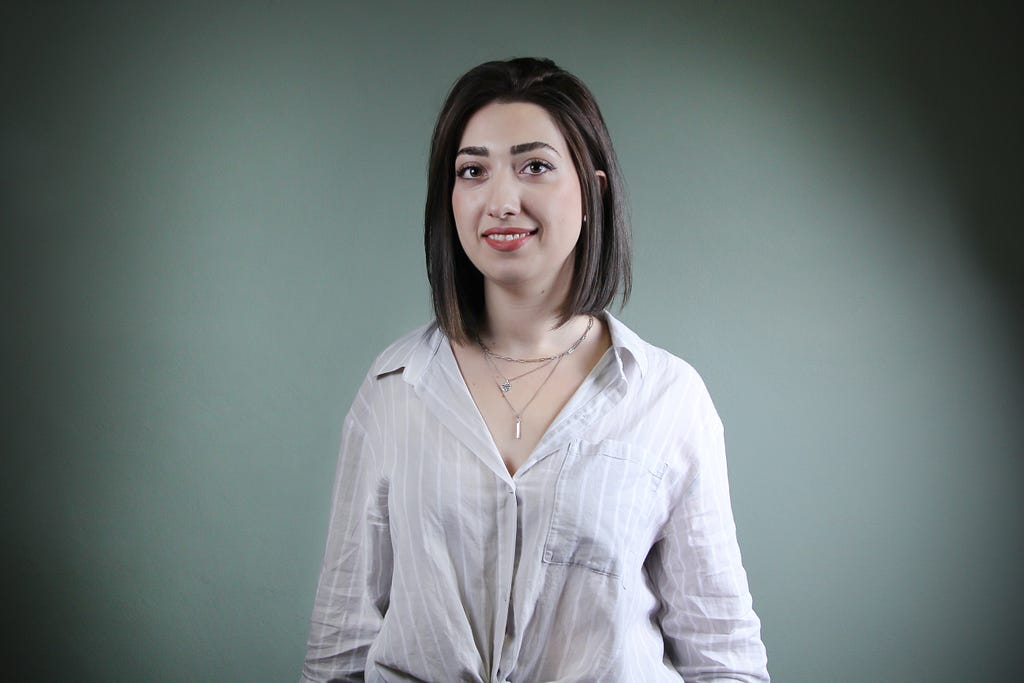
Modern Fashion: Tami Fujii of KINONA On The 5 Things You Need To Lead a Successful Fashion Brand…

Modern Fashion: Tami Fujii of KINONA On The 5 Things You Need To Lead a Successful Fashion Brand Today

An Interview With Candice Georgiadice

An intimate knowledge of your target market — By intimate, I mean who are they? How old? What kind of car do they drive? Where do they like to vacation? What brands do they have an affinity for? Getting very clear and specific about your target audience is critically important in regards to who you are designing for, what your marketing campaigns look like, and what your messaging is. Personify your customer by giving him/her/them a name.

Many in the fashion industry have been making huge pivots in their business models. Many have turned away from the fast fashion trend. Many have been focusing on fashion that also makes a social impact. Many have turned to sustainable and ethical sourcing. Many have turned to hi tech manufacturing. Many have turned to subscription models. What are the other trends that we will see in the fashion industry? What does it take to lead a successful fashion brand today?

In our series called, “5 Things You Need To Lead a Successful Fashion Brand Today” we are talking to successful leaders of fashion brands who can talk about the Future of Fashion and the 5 things it takes to lead a successful fashion brand in our “new normal.”

As a part of this series I had the distinct pleasure of interviewing Tami Fujii, KINONA’s Co-Founder.

Tami is a mother, wife, and daughter. Her career can be characterized as a fashion and tech sandwich having started (and hopefully ending) her career in fashion with consumer and tech product marketing in the middle. She calls herself the oldest living entrepreneur.

Thank you so much for doing this with us! Before we dig in, our readers would like to get to know you a bit more. Can you tell us a bit about your childhood “backstory”?

I grew up picking strawberries at our family strawberry farm in Troutdale Oregon and on the weekends (for fun), I got to drive with my mom to visit her family who were bedding plant growers…the smell of dirt and fertilizer were part of my childhood. My mom was a working mom and both of my parents had an incredible work ethic. I am third generation Japanese — American and I think they felt I would bring shame upon our family if I didn’t keep busy.

One summer, fearful I would be relegated back to the berry fields, I got a job working the Nordstrom Anniversary Sale. From there, I knew I wanted a career in fashion.

Can you tell us the story about what led you to this particular career path?

My career has been a bit of a windy road but the “image” of being in the fashion industry is what fueled me. I was addicted to reading Seventeen Magazine, followed by Mademoiselle, Vogue, Bazaar, and InStyle. The lifestyle looked very glamorous. The irony is that my first “real” job after graduating from college was being an assistant buyer in the “hosiery” department at a department store in Seattle. The glamor in this job was sorting pantyhose by size and by color.

The one constant in my career has been a fascination with the consumer. Really trying to understand their wants and needs has always been a constant drumbeat for me, as well as trying to identify trends and build products that would meet their needs.

Can you share the most interesting story that happened to you since you began your career?

While I started in fashion, I left for several decades to pursue interests in consumer products and tech. My business partner today is a longtime friend and colleague who I worked with over 30 years ago when we were both product managers for Eddie Bauer. We traveled the world together sourcing and developing products and taking golf vacations. We always talked about starting our own women’s golf apparel company because of the frustration with not finding products that fit our sense of style. I knew that we had a small window of opportunity to turn this dream into a reality before we both started steering ourselves towards retirement. I am happy to say that we have been successfully working together for five years and looking forward to many more.

You are a successful business leader. Which three character traits do you think were most instrumental to your success? Can you please share a story or example for each?

  1. Grit — My interpretation of this leadership trait is that it is hard to have empathy and understand your team if you personally haven’t dug into some of the work yourself. There are challenges to this in senior leadership roles, but it goes a long way to understanding the situation, especially when you have lived it yourself. My example of this is that I personally touch every single product SKU in our assortment. I have loaded them in both our retail system and online store and understand the workarounds. I can now coach and train others to do this work. Yes, it is monotonous, but at least I can feel confident in understanding the systems and technology to help coach and train others.
  2. Scrappiness — I define scrappiness as the direct opposite of throwing money at the problem. Whether you are in a startup or Fortune 100 company, having the ability to find alternative solutions is part of being a great leader. I have mostly worked for “challenger” brands with tight budgets. I think when you have these parameters you can be so much more creative. I was about to launch a new consumer product brand at The Housewares Show in Chicago. We did not have the budget or the brand recognition to attract buyers to the booth to set up appointments, so instead we sent out a clever invite to everyone on our mailing list and had them bring their invite to the booth and we would give them a free sample. It was so successful that it even caught the attention of the Target stores’ buyer.
  3. Customer Empathy — A slightly overused term I know, but it’s so important. If you don’t have passion or empathy for the problem that you are trying to solve, then what is the point? I have always had a personal connection to the brands and businesses I have built. Because of this, I feel like I have a more authentic point of view and can literally put myself in the shoes of the customer or consumer. It helps to see all parts of their journey, from discovering you as a brand, to making the first purchase.

What do you think makes your company stand out? Can you share a story?

What makes KINONA stand out is our product and approach. When we started the brand, we wanted to have a different look and feel from other women’s golf brands. Instead of hiring a designer who had worked in the golf industry, we hired a former colleague, Jarlath Mellett, who came from the fashion industry and has been the head of design for brands such as Brooks Brothers, Theory, and Ministry of Supply. Jarlath is inspired by vintage, interiors, and nature and this is very much reflected in KINONA’s “look.” Dianne and I layer in the product requirements to ensure that dress and skort lengths are golf course appropriate and that the features we build in (i.e., zippered pockets, taping around the legs of our undershorts to prevent them from riding up) are ready for play. We are a women’s golf brand that does not look “golf-y”.

Do you have a favorite “Life Lesson Quote”? Can you share a story of how that was relevant to you in your life?

“Live a life that you have designed” — Instead of having life happen to you, how can you design a life and career where you have a bit more of a roadmap? I tell my 25-year-old son to always run towards (instead of running from) something. When you are thinking of leaving a job or career, instead of complaining about it and running away from it, use it as an opportunity to run towards something new. This phrase is also relevant in managing relationships as well. Be in the moment. My biggest regrets are when I DIDN’T do something versus regretting something that I did.

Ok, thank you for that. Let’s now jump to the primary focus of our interview. Do you see any fascinating developments emerging over the next few years in the fashion industry that you are excited about? Can you tell us about that?

  1. Sustainability — As you know, apparel is the biggest culprit in our landfills. 85% of our clothes end up there. 60% of apparel is not recyclable. The industry is trying to take an active role in this, but we are far from where we need to be.
  2. Emerging out of our cocoon — As the world slowly emerges from the pandemic, I think there will be a transition from the cozy athleisure wear we have all been consuming and a cross over into more street and evening looks that possess the same level of comfort, but done in a high fashion way.
  3. Embracing Technology as part of the shopping experience — The use of virtual reality/gamification to help consumers engage with your brand. Consumers who are engaged with your brand stay on site longer (thus increasing loyalty and conversion) and can use gamification to shop for discounts, learn more about how your product is made, and have a more authentic experience with your brand.
  4. Every Size Counts — We look forward to seeing more representation across sizes. Not just XXXS. We love that brands are embracing models of different sizes and shapes as that is reality.

Can you share how your brand is helping to bring goodness to the world?

Our goal is to empower women golfers to feel like they belong on the golf course. Golf is a very male dominated sport and industry (28% of all golfers are women). There are still men’s only country clubs and men’s only dining rooms in the US. At KINONA, we want women to feel welcomed into the sport and to stay engaged through participation. Part of this starts with what they are wearing. KINONA, which means “shape” in Hawaiian, incorporates shape-flattering details into all of our products so that women can feel confident on the course and off.

Can you share with our readers about the ethical standards you use when you choose where to source materials?

KINONA develops apparel with meticulous intention and is committed to adhering to earth-friendly practices. KINONA selects suppliers that adhere to rigorous sustainability standards including OEKO-TEX, Marks & Spencer, and Global Recycled Standard. The company also uses Econyl recycled-nylon yarns in products.

Our Italian fabric is our core differentiator, and we are also proud to partner with a women-owned and operated fabric mill outside of Milan.

Fast fashion has an advantage, that it is affordable for most people, but it also has the drawback that it does not last very long and is therefore not very sustainable. What are your thoughts about this? How does your company address this question?

Our clothes are built for women who are busy and don’t have time to be replacing their golf clothes season after season. Because we use high quality Italian fabrics, our products are built to last season after season and can be worn from the golf course to a meeting, or dinner. The ability to look appropriate for “Apres golf” is very important and helps women transition through their day much easier. Our motto would be less is more. Fewer, higher quality pieces that can be worn throughout the day.

Thank you for all that. Here is the main question of our interview. What are your “5 Things You Need To Lead a Successful Fashion Brand”. Please share a story or example for each.

  1. A Plan — What are you trying to achieve? What does success look like? How much money do you need to invest to make it grow? What is your plan once the money runs out? Having a plan and a roadmap that can lead and guide your team is essential so that everyone is clear. When I started KINONA with Dianne, we spent an entire weekend mapping out our business plan and how the two of us would engage. We were clear that our friendship was more important and needed to ensure that we were clear on our roles and responsibilities.
  2. An intimate knowledge of your target market — By intimate, I mean who are they? How old? What kind of car do they drive? Where do they like to vacation? What brands do they have an affinity for? Getting very clear and specific about your target audience is critically important in regards to who you are designing for, what your marketing campaigns look like, and what your messaging is. Personify your customer by giving him/her/them a name.
  3. Cash Flow — While this is tied into #1, understanding how you are funding your business and how you will continue to fund it as you scale is important to building a fashion brand or any business. Dianne and I bootstrapped KINONA on our own for the first year. In order for us to scale, we quickly had to pivot to fundraising mode by building decks and asking friends and family to invest in our company. At the end of the day, every brand needs to have a sense of what you are “going for”. We knew that we did not want to give up all of our equity in the business in order to grow. At times, we opted to slow down growth in order for us to preserve more of the business than giving away equity. These are very difficult decisions to make.
  4. Supply Chain expertise — The design is only a part of fashion. Being able to actually build it and deliver it is a long road. Especially in today’s market with all of the long delays, if you don’t have great supply chain partners that you trust, the design is all for not. Because of our backgrounds and solid reputation, we have built a great supply chain at KINONA. We used relationships that were established long ago and tapped these suppliers in helping us build KINONA. Because of these relationships, we have been able to maneuver through the supply chain issues brought on by the pandemic with very little impact.
  5. The Ability to Listen — Listen to your customer, listen to your sales team, listen in on your customer service calls. You will never be 100% right so understanding the pain points and where the friction is in the selling process is critical to execute your brand.

Dianne and I continue to be on the front line selling the brand to our customers, as well as consumers. We still are very hands-on in this process, as it keeps us connected to our end consumer. We still do trunk shows as a way to get feedback, witness first-hand how the product is fitting, and to listen to what our customer has to say.

Every industry constantly evolves and seeks improvement. How do you think the fashion industry can improve itself? Can you give an example?

Solving the issue around sustainability and waste.

You are a person of great influence. If you could start a movement that would bring the most amount of good to the most amount of people, what would that be? You never know what your idea can trigger. 🙂

Closing the circle and repurposing your products to build something new. (Not a new idea, but something that our industry needs to pay more attention to!)

How can our readers further follow your work online?

Please visit www.kinonasport.com

https://www.linkedin.com/in/tamifujii/

Thank you for these fantastic insights. We greatly appreciate the time you spent on this.


Modern Fashion: Tami Fujii of KINONA On The 5 Things You Need To Lead a Successful Fashion Brand… was originally published in Authority Magazine on Medium, where people are continuing the conversation by highlighting and responding to this story.

Women In Wellness: Samira Daswani Of Manta Planner On The Five Lifestyle Tweaks That Will Help…

Women In Wellness: Samira Daswani Of Manta Planner On The Five Lifestyle Tweaks That Will Help Support People’s Journey Towards Better Wellbeing

An Interview With Candice Georgiadis

Set your boundaries. I’m a self-proclaimed workaholic. I love what I do and enjoy working hard. I need to understand my limits, set my boundaries and respect the boundaries I set. I’ve been doing that. I’m now fairly strict that by 6pm in the evening my laptop is closed, my email inbox will not get responses and my phone messages (work-related) will not be answered.

As a part of my series about the women in wellness, I had the pleasure of interviewing Samira Daswani.

Samira Daswani is the Founder and Creator of Manta Planner, an all-in-one planner for cancer patients and caregivers that works as a companion tool from diagnosis to survivorship. A health care executive and breast cancer survivor and thriver, Daswani sought out to create a tool that weaves hope with organization, helping patients and caregivers to make decisions about treatment options, track and manage symptoms, stay organized, and mindfully check-in with emotions. Manta Planner was newly launched in February 2022 and is currently available online for purchase.

Thank you so much for joining us in this interview series! Our readers would love to “get to know you” better. Can you share your “backstory” with us?

I’ve worked in healthcare for the last decade of my career. I started out at McKinsey & Company as a Business Analyst focused on healthcare. I then went on to become a Director at a young cancer-startup called COTA. Soon after I became the Chief of Staff/VP at Accretive, a private equity firm that incubates & launches new companies. I helped launch 2 companies — one in the fashion-AI space and the other in the healthcare space. I took a sabbatical from work and came to Stanford University to get my Master’s in Healthcare-Design. My master’s thesis focused at the intersection of design-healthcare-and AI. After graduation, I am the VP of Product at a medical diagnostic company — Visby Medical where I helped launch a COVID-19 product.

Can you share the most interesting story that happened to you since you started your career? What were the main lessons or takeaways from that story?

I like to say that it’s unfolding right now! Manta Planner came from my personal experiences as a cancer patient. It wasn’t meant to become a product. However, the response from others has been incredibly meaningful. It’s the main reason I keep doing what I’m doing. It is incredibly humbling to create something that can support a person through one of the toughest chapters of their life. I’m not doing this work to make an income, I’m doing it because I truly believe it’ll help someone in their darkest moments. And in that lies my own fulfillment.

Let’s jump to our main focus. When it comes to health and wellness, how is the work you are doing helping to make a bigger impact in the world?

Manta Planner came from my personal experiences as a breast cancer patient. I was diagnosed a week after I turned 30. As an AYA cancer survivor, I am on a mission to help patients, survivors and caregivers gain back some control over our cancer journey.

I was lucky — I had a lot of support from my loving family and wonderful community. Despite being relatively well-prepared (yup, that’s a thing!) this was the most overwhelming 2 years of my life. Sometimes I still feel out of control.

Planning helped me and my loved ones know what is going on and what the next day/week/month will look like. Together we designed Manta Planner as a way to give back to this wonderful family that we now belong to.

Can you share your top five “lifestyle tweaks” that you believe will help support people’s journey towards better wellbeing? Please give an example or story for each.

1. Establish habits, one at-a-time. Starting on a lifestyle change can feel overwhelming. Start with 1 thing at a time. Give it at least 2 months, or until it becomes your default. In my case, I started with changing my diet. I gave myself all of 2021 to identify a nutrition plan that was right for me, learn how to shop & cook within it, and for it to become a part of my daily lifestyle. 2022 is all about gaining strength.

2. Nutrition is key to overall health. When I completed treatment for cancer, I started reading a lot about how to prevent a future recurrence from happening. I tried going vegan, gluten-free, sugar-free and fasting. None seem to truly work. I did a personal-genomic test upon the recommendation of my doctor. We discovered that in my specific case, I needed to eat a heavily plant based, low-carb (not keto), pescatarian diet. I’ve now been doing that for the last 6 months, and I feel great!

3. Focus on the small things that make you happy — I ask myself each day — if I only had today what would I do? And most days I try to do that. It’s usually the small things — a good cup of coffee, a walk with my dogs, calling my parents, sketching/painting.

4. Move daily. It can be whatever works for you — yoga, walking, gym, swimming,

5. Spend time in nature. I realized that I got a lot of energy from being out in nature. We now go daily. Our dog walks are our excuse to spend time amongst the trees, grass and ocean.

If you could start a movement that would bring the most amount of wellness to the most amount of people, what would that be?

I think I’m doing it now through Manta Planner. My experiences as a patient made me realize that I needed to have more control over my medical decisions as well as my overall wellness. I want others to be able to i) identify what makes the most sense for them (i.e., personalize wellness) ii) support the creation of new habits (i.e., lasting / long term wellness) iii) to ultimately feel in control of their mind + body.

What are your “5 Things I Wish Someone Told Me Before I Started” and why?

I’m applying this to the “5 Things I Wish Someone Told Me Before Starting Cancer Treatment”:

1. The road to recovery is long and slow. You have to be the tortoise (not the hare)

2. Set your boundaries. I’m a self-proclaimed workaholic. I love what I do and enjoy working hard. I need to understand my limits, set my boundaries and respect the boundaries I set. I’ve been doing that. I’m now fairly strict that by 6pm in the evening my laptop is closed, my email inbox will not get responses and my phone messages (work-related) will not be answered.

3. Stay organized over your health information — if you don’t, no one else will. Our doctors rely on the data we provide them to make decisions on our short + long term health. We need to stay organized. Leverage the tools you have or get new tools to help you.

4. Asking for help is an act of courage. I am a very self-reliant person. I don’t enjoy asking for help — it makes me feel weak. Cancer is the ultimate knock-you-down moment. However, it can also be a moment where asking for and accepting the help you get allows you to reckon with yourself.

5. Breathe, and literally take one day at a time.

Sustainability, veganism, mental health and environmental changes are big topics at the moment. Which one of these causes is dearest to you, and why?

Mental Health and Mindfulness. I learned from my personal experience that cancer can be an overwhelming journey for both patient and caregiver alike. The idea for Manta Planner came to me as I was going through treatment, and scribbling treatment notes on scraps of random paper in my purse — it was a scattered, unorganized way to approach my treatment and it affected my mental health. I knew there had to be a better, and more mindful way, to effectively organize the different touchpoints of my cancer journey. That product did not exist, so I decided to create it.

Thank you for these fantastic insights. We greatly appreciate the time you spent on this.


Women In Wellness: Samira Daswani Of Manta Planner On The Five Lifestyle Tweaks That Will Help… was originally published in Authority Magazine on Medium, where people are continuing the conversation by highlighting and responding to this story.