
Female Founders: Stephanie Flies On The Five Things You Need To Thrive and Succeed as a Woman…

Female Founders: Stephanie Flies On The Five Things You Need To Thrive and Succeed as a Woman Founder

An Interview With Candice Georgiadis

It’s going to be really hard, but each season of difficulty will lead into one of peace. City Mom Collective started as a passion project for me. It was born out of my heart’s desire to gather mothers together to support one another in every age and stage of life. In creating a business that has now become my life’s work, it’s tempting to think that it will all be easy but the road to success seldom comes easy for anyone. BUT even in the hardest leadership seasons, there have always been lessons learned and periods of peace to follow.

As a part of our series about “Why We Need More Women Founders”, I had the pleasure of interviewing Stephanie Flies

Stephanie is a passionate leader aimed at inspiring and connecting women through the power of building local communities. Her network of sister sites, known as the City Mom Collective, has enabled moms throughout the U.S. to live out their entrepreneurial dreams while also providing positive, uplifting content and relevant information to empower moms in all the communities they serve. Steph has created a network that truly empowers women and provides them a community of support throughout all the stages of motherhood.

Thank you so much for doing this with us! Before we dig in, our readers would like to get to know you a bit more. Can you tell us a bit about your “backstory”? What led you to this particular career path?

In 2010, I launched Scottsdale Moms Blog with a friend. Our hope was to connect moms in our community because we saw a need for moms to be able to share local information, recommendations and build friendships all from the convenience of their mobile phone, tablet or computer. Shortly after, women all over the country began approaching us to do the same thing in their cities. I later became sole owner, and rebranded our network to City Mom Collective in 2019. City Mom Collective is now the largest collection of hyper-local mom influencers!

Can you share the most interesting story that happened to you since you began leading your company?

City Mom Collective (formerly City Moms Blog Network) was born after a friend in the Dallas area messaged me on Facebook and shared her interest in wanting to build a business similar to Scottsdale Moms Blog but in her city to support Dallas area moms. It’s amazing to think that what was once a simple request has become what I call the “network effect” where now millions of moms are supported through the work of our network.

Can you share a story about the funniest mistake you made when you were first starting? Can you tell us what lesson you learned from that?

Back when Twitter parties were a thing, we decided we’d host our own Favorite Things Twitter Party where we’d gather moms from across the country on Twitter and share about some of our favorite products and give them away. My team (of four at the time) gathered together for the event and had not pre-written ANYTHING! I’m unsure how we thought we could get through sharing a product every 1–2 minutes, responding to attendees, managing the fact that we were TRENDING and randomly selecting giveaway winners. By the end of the hour, we were all sweating, our fingers hurt from typing so quickly and we vowed never to do a Twitter Party unprepared again!

None of us are able to achieve success without some help along the way. Is there a particular person who you are grateful towards who helped get you to where you are? Can you share a story about that?

I 100% agree with Isaac Newton when he said, “If I have seen further, it is by standing on the shoulders of giants.” There are many “giants” who have shared their professional expertise and wisdom with me over the years who I am forever grateful for, but the people that make the top of my list are the team members who have supported this work over the last 10+ years. There is absolutely no way that this business would be what it is today without their passion and commitment to the mission of City Mom Collective.

Ok, thank you for that. Let’s now jump to the primary focus of our interview. According to this EY report, only about 20 percent of funded companies have women founders. This reflects great historical progress, but it also shows that more work still has to be done to empower women to create companies. In your opinion and experience what is currently holding back women from founding companies?

Women are still the primary caretaker for children. As a mother myself, I can tell you, there was an immense amount of pressure on me from society to not let my business interfere with my “duties” as a mom. This expectation definitely holds women back from entrepreneurship, which is part of the reason why I created City Mom Collective. We support our site owners by providing a successful blueprint for entrepreneurial moms to follow. It offers flexible hours to fit the lifestyle of a busy family and gives moms the option to work from home. We make it easy for them to follow their entrepreneurial dreams while continuing to support their partners and children.

Can you help articulate a few things that can be done as individuals, as a society, or by the government, to help overcome those obstacles?

I think we need to change the narrative surrounding entrepreneurship and motherhood. Moms can be successful business owners and parents! Making your business a priority does not mean you are a bad mom. Just like making your children a priority doesn’t make you a bad business owner. As a society, if we can change the way we talk about mothers who run their own businesses, we can better encourage women to become entrepreneurs.

This might be intuitive to you as a woman founder but I think it will be helpful to spell this out. Can you share a few reasons why more women should become founders?

Running your own business is empowering. It gives you control over your life, income and schedule. I’m not saying it won’t be difficult. There will be days where you’ll question whether you made the right decision, but the benefits far outweigh the drawbacks.

Being able to pursue something you love and are passionate about gives your life so much purpose! It makes getting out of bed in the morning exciting, and seeing that business grow gives you pride and confidence. Becoming an entrepreneur was the best decision I ever made.

What are the “myths” that you would like to dispel about being a founder? Can you explain what you mean?

Myth #1: You Are Either Born An Entrepreneur Or You’re Not

The idea that someone came out of the womb ready to tackle the challenges of entrepreneurship is ludicrous. There is no blueprint to entrepreneurship. Anyone at any age can make the leap. All it takes is the right mindset and motivation. At 25 years old, entrepreneurship might be the last thing on a person’s mind. But at 35 years old, it might be the only thing they want to do. The truth is, entrepreneurs are made everyday.

Myth #2: Entrepreneurs Have No Personal Life

While it’s true starting a company takes up most of your time and energy, it’s not always all encompassing. The bottom line is, entrepreneurs have to be really good at planning “off” time. They need to be intentional about making time for the things that are important to them outside the business. Yes, being a founder is demanding, but it is not the only thing that matters in your life.

Is everyone cut out to be a founder? In your opinion, which specific traits increase the likelihood that a person will be a successful founder and what type of person should perhaps seek a “regular job” as an employee? Can you explain what you mean?

Entrepreneurship has its ups and downs, and if you’re not passionate about what you do, then I would not recommend starting your own business. There are a lot of difficult situations you face as a founder. It’s a very stressful position. You can’t rely on a steady paycheck, or any paycheck when you’re first starting out. There’s no company health plan you can rely on or people to make decisions for you. You have to be decisive and confident, yet willing to learn, because you’re going to make mistakes. If you’re not ready for that kind of responsibility, then there’s no shame in working a regular job where you have stability and consistency.

Ok super. Here is the main question of our interview. What are your “5 Things I Wish Someone Told Me Before I Started” and why? (Please share a story or example for each.)

1. It’s going to be really hard, but each season of difficulty will lead into one of peace. City Mom Collective started as a passion project for me. It was born out of my heart’s desire to gather mothers together to support one another in every age and stage of life. In creating a business that has now become my life’s work, it’s tempting to think that it will all be easy but the road to success seldom comes easy for anyone. BUT even in the hardest leadership seasons, there have always been lessons learned and periods of peace to follow.

2. You’re going to make plenty of mistakes. It will be okay. One of my favorite sayings is the title of a book by Shauna Niequist — “I Guess I Haven’t Learned That Yet.” The idea is that in growing and learning, we are bound to make little and big mistakes that will in the long run set us up to be stronger, braver and better in the work we do.

3. You will try, but you won’t be able to make everyone happy. I’ve always had a strong desire to do whatever I can within my power to make the people around me happy. Whether it’s my employees or our licensees, I always lead heart-first and have made it my mission to do my best to make everyone around me happy. I have learned (the hard way) that while I am well-intentioned, it isn’t possible to make everyone happy all of the time. But if I am leading heart-first, I think I am doing my job well.

4. Don’t do it alone — find people who are passionate about your mission and hold on to them. Find people who are experts in their own right and lean on them, too. Early on in building City Mom Collective, I was quick to bring on like-minded women that were equally as passionate about the work that I was doing in building City Mom Collective. This was the best decision I have made as an entrepreneur.

5. Don’t forget to celebrate. I named my podcast “Just Add Sprinkles: Celebrating Motherhood” because I truly believe that even in the hardest seasons, there is always something worth stopping to celebrate. Admittedly, there are seasons of business ownership that are very trying and hard. Time and time again I have to remind myself to stop and celebrate the big and small wins — both personally and professionally.

How have you used your success to make the world a better place?

The work we do through City Mom Collective is making the world a better place. We empower women all across the U.S. by giving them an opportunity to build their own business, make their own money and work on a schedule that fits their busy lifestyle. On top of that, the women and families our sister site owners touch and support within their own local communities makes our impact even more significant.

You are a person of great influence. If you could inspire a movement that would bring the most amount of good for the greatest number of people, what would that be? You never know what your idea can trigger.

If I could inspire people to change their mindset around working moms, I would. Just like there is no blueprint for entrepreneurship, there is also not a blueprint on how to be a good mother. Some moms may want to stay home with their children during the day. Some may work part-time. Other moms may want a full-time job. And others may want to venture into entrepreneurship. Whatever your path, I wish for a world where moms aren’t judged for putting importance on their careers. We’ve made progress toward equality, but there is still much work to be done.

We are very blessed that some very prominent names in Business, VC funding, Sports, and Entertainment read this column. Is there a person in the world, or in the US with whom you would love to have a private breakfast or lunch with, and why? He or she might just see this if we tag them.

There are so many women entrepreneurs and leaders who I would love to have lunch with but one woman that tops my list is Brené Brown. Brené’s wisdom on leadership has been transformative for my own leadership.

Thank you for these fantastic insights. We greatly appreciate the time you spent on this.


Female Founders: Stephanie Flies On The Five Things You Need To Thrive and Succeed as a Woman… was originally published in Authority Magazine on Medium, where people are continuing the conversation by highlighting and responding to this story.

Michael Goldberg of Counslr: 5 Things Anyone Can Do To Optimize Their Mental Wellness

An Interview With Candice Georgiadis

Worrying doesn’t help, picture a positive outcome. I heard someone say once, “why would I worry? If the bad thing I worried about happens, then I would have lived through it twice.” That made a lot of sense to me. So much of what we worry about never comes to fruition. We think of scenarios, maybe to be prepared or maybe for no good reason. Each time I find myself starting to worry about a situation that hasn’t happened, I’ve trained my mind to catch myself and begin using that energy to picture the same situation that I was worried about, going well. Phenomenally well. For example, an application of this is when flying on a plane. It seems that turbulence happens more frequently than I recall, and not understanding airplane physics and not being in control, I’ve found myself worrying. When I reverse that line of thinking to remind myself that planes are built to handle the turbulence, remind myself that the pilot knows what they are doing and that almost no planes have crashed due to turbulence, then I picture a safe flightlanding and relax.

As a part of my series about the “5 Things Anyone Can Do To Optimize Their Mental Wellness”, I had the pleasure of interviewing Michael Goldberg.

Michael Goldberg is a healthcare strategist with more than 20 years’ experience leading large scale operations and crisis management. He is the former executive director (Hospital President) of Northwell Health’s Long Island Jewish (LIJ) Medical Center.

Passionate about ensuring people have proper access to mental health support, Mr. Goldberg joined Counslr, a company providing access to licensed mental health counselors through a text based app to college students and corporate clients.

Mr. Goldberg is a fellow of the American College of Healthcare Executives. He’s also an adjunct professor in Hofstra University’s Department of Health Professions, School of Health Sciences and Human Services, where he teaches graduate-level students.

Can you share with us the backstory about what brought you to your specific career path?

The plan in my family for as long as I could remember was to be the 4th generation leader of a business that my great grandfather started in East New York, Brooklyn. Going to work with my father on Saturday’s, during my school breaks, and every summer was something I looked forward to when I was younger. My confidence in my career path was so high that I told my parents I would skip college to jump right into the family business after graduating high school. Wisely, they made college my prerequisite for taking over the business.

In my final semester, just before graduation, my father called me with troubling news, the business had been shut down. There were many stories of the big box retailers harming the local mom and pop neighborhood stores, and ours was one of them.

Lost and uncertain of my path, I enrolled in college to obtain my MBA, which was really a delay tactic to figure out what my options were as well as to explore where my interests aligned. During this time, I realized that I enjoyed and was interested in finance.

I applied to several companies for internships, some on Wall Street and others in corporations. When I met with people working in the finance department of a healthcare organization, there was a sense of purpose that fit into my core values. I was hooked on the mission that healthcare organizations provide, and worked with unbelievably kind, caring, people who were also experts in their specialty.

As the internship completed, I was offered a full-time job as an analyst in the finance department and ultimately progressed in my career to lead NY’s 2nd largest hospital as the Executive Director (Hospital President).

My experience in the healthcare system led me to Counslr, a platform providing unlimited, free access to text-based mental health support via mobile app with licensed counselors for covered members, where I now serve as a board member. During my time as hospital presedeint, I saw first hand how mental health is overlooked within the current healthcare system.

Can you share the most interesting story that happened to you since you started your career?

Crisis seems to best describe the situations that I have had significant experience in working through or leading. I became the CFO of the hospital on Memorial Day in 2009 when Queens, NY was declared the epicenter for the H1N1 health pandemic. Over the course of the following 12 years, we managed the hospital through Superstorm Sandy, countless snowstorms, blackouts, fires, surges in patient volume beyond capacity, and ultimately the COVID-19 pandemic where we were again the first epicenter in the United States to be most significantly impacted.

Within every one of those events, I witnessed many stories of heroism, dedication, the answering of miracles, triumph, and some tragedy.

Can you share a story with us about the most humorous mistake you made when you were first starting? What lesson or take-away did you learn from that?

I had an internship that started in the year 2000, at a time when technology in the world was vastly different than it is today. Before iPhones and social media, and when texting largely required tapping through many letters on your flip phone, which was slow. However, instant messaging was popular through apps that no longer exist.

There was a group of us in the office who were young, technologically astute and became close through the long hours we worked. We always knew that email was an unsecure way to have conversations from our desks, but I found one day that an app that controlled our computers had a way to send messages that no one other than the network administrator knew about, and largely felt it wouldn’t be tracked. And so, I taught a few of my friends in the office how to use it and we began chatting through the app.

Imagine sitting at your computer and a critical warning message pops up. That’s what these messages looked like. Well one day I opened the application to send a message to my friend, but I worked too fast and highlighted all of the people whose names begin with the letters A-N, and proceeded to send a private message. It went to over 700 coworkers, colleagues, and leaders. I didn’t realize the mistake I made until my colleagues in the cubicles around me started approaching my desk and my phone began to ring. The CFO of this $3B company was the first to call me, and he was not amused. I was embarrassed, and ultimately thankful the error didn’t cost me my job. I never messaged through that app again. I learned to slow down and double check what I’m doing in all situations. The lesson turned out to be very valuable.

None of us are able to achieve success without some help along the way. Is there a particular person who you are grateful towards who helped get you to where you are? Can you share a story about that?

I’ve been fortunate to have two people in my life who were key to getting me to where I am today. One was the same CFO I just mentioned. I remember the day he changed my life, and I was terrified. Bob Shapiro was a legend in the healthcare finance world. A genius, financial strategist, who could easily find the types of mistakes I would have in my work as an entry level analyst. He was the type of leader who commanded excellence and made you want to provide excellent work for him.

One day while sitting in my cubicle, we all heard that he was in the building, which was our indication to be on our best behavior. He had a practice of walking around through the cubicles. To my surprise, he stopped at my cubicle and asked me to follow him to the conference room. Uncertain what I did wrong or why the CFO of a $3B company wanted to talk to an entry level analyst, I complied and followed him.

We sat across the large conference room table from one another, this was our first time speaking one on one. I was shaking, my breathing was rapid, leaving me out of breath, and when I spoke my voice shook. He asked me about my experience in the department, if I liked the work I was doing, if I had any questions or needed advice. I think he could tell that I was uncertain about his intentions.

He told me that one of the greatest joys he had throughout his career was working with and mentoring others. Just before this conversation took place, he had moved out of the finance office to a corporate location, away from his team. He asked me if it would be ok if we met monthly and if he could be my mentor. I sat there at 22-years-old being introduced to what I now call being a Walkalongside Leader. Out of over one thousand finance team members, he selected me to be one of his mentees, and I felt like I won the lottery.

We met monthly for about 15 years. During these meetings, we talked about everything from work, to life and family. I have no doubt that those conversations helped shape who I am today, and guided me through the growth that I experienced in my career.

What advice would you suggest to your colleagues in your industry to thrive and avoid burnout?

Healthcare post pandemic is in a dire position. Over the past two years it’s been reported that 1 in 5 (or 20%) of healthcare workers have resigned from the field. Even more concerning is the number of hospital services shutting down across the country leaving gaps in care for many communities, with no end in sight. I’ve always believed that we vote with our feet. Meaning that if we like a hotel or restaurant; we’ll go back, if we like a product, we’ll buy it again. The same holds true in my opinion for employees. When we’re happy, satisfied and feeling supported, we’ll stay. When leadership fails to execute on any of the above, we’ll leave. I believe based on the disproportionate number of people that have left healthcare vs other industries, leaders in healthcare must change the fundamentals for how they can support their existing teams and inspire the next generation of healthcare workers.

This begins with acknowledging that healthcare workers need support. They are already burned out and now we need to help them recharge and re-energize. They need time to process all that they have seen, all that they have felt, and all the increased pressure that’s unique to their experience over the past two years. Leaders are also feeling pressure unlike any other time in history. Asking them to motivate a team when they are equally as burnt out is a recipe for disaster.

Companies need to reexamine the way in which they support their teams emotional wellbeing. Healthcare is beyond the point of satisfying their team with salary increases or bonuses. As difficult as it is, the need to encourage time off, which gets increasingly more difficult as more people resign, but it’s critically important. They need to support their teams with people to talk to. It’s healthcare there’s a different dynamic than in other industries, you see when a healthcare worker needs to speak to a licensed mental health worker, psychologist or psychologist, oftentimes, they are talking to someone in their own organization. This could be a colleague, leader, or subordinate. Mental health support is already working through the stigma of asking for help. When you add to that in healthcare the fears of anonymity or perceived impact on job growthsecurity.

Healthcare organizations are most in need of mental health support for their team and surprisingly misaligned with where it should be provided. I led the hospital through several team member suicides throughout the pandemic and feel strongly that mental health support to healthcare workers must be offered through partnerships with separate companies such as Counslr. Mental health support services like Counslr can help reduce burnout and improve employee mental health before it reaches a crisis. It’s why I joined their board and am passionate about reframing the healthcare leader perspective on this topic.

What advice would you give to other leaders about how to create a fantastic work culture?

I use the term “Walkalongside Leader” as a guide for how to create a strong, supportive culture for your team. That means meeting your people where they are, this can either be physically going to their departmentsunits to get to know them, or engaging with them on social media.

Leaders must be able to make effective plans at 30,000 feet by understanding the perspective of their team. This requires personally interacting with them, not just relying on filtered communication through the standard chain-of-command. One of my favorite things to do is shadowing team members for an entire shift. It’s a great way to build trust, expand relationships, and also see first hand how your decisions impact the team’s experience. Imagine how powerful it is when you get to see directly how to improve the way your team works. They know that happened because you took the time to understand it and cared enough to follow up and see the improvement through.

Another way to boost morale and elevate company culture is to show that you’re dedicated to supporting your team’s financial, physical and mental wellbeing. This can be accomplished in a variety of ways including cultivating internal growth opportunities, company initiatives or outsourcing to third parties, like Counslr.

Ok thank you for all that. Now let’s move to the main focus of our interview. Mental health is often looked at in binary terms; those who are healthy and those who have mental illness. The truth, however, is that mental wellness is a huge spectrum. Even those who are “mentally healthy” can still improve their mental wellness. From your experience or research, what are five steps that each of us can take to improve or optimize our mental wellness. Can you please share a story or example for each.

  1. Meditate Daily. I was physically sick for the first 6 months that I was president of the hospital. Doctor visit after doctor visit was inconclusive until an infection surfaced. It was in an odd location and I went to a specialist whom I worked with to seek help. I left with long course antibiotics and some of the best advice I’ve ever received in my life — start meditating. This surprised me greatly. The surgeon who suggested it told me the benefits of meditating, shared apps that could be helpful and said that you can’t underestimate the impact of mindset.
    From that day on, I began meditating. I started first with 5 minutes and expanded over the years to 20 minutes twice a day. Meditation has been shown to be one of the few activities we can do to increase sustained brain function over time. It helps with stress relief, improves your mood, and supports your body physically.
  2. Surround yourself with positivity (good people, positive news). In this world of 24/7 news access and social media alerts, it is easy to get caught up in wanting to know what’s going on everywhere. Sadly, the majority centers around the bad news happening in the world. Years ago, I stopped watching or reading the news. I replaced that time with meditation and creating alerts for relevant topics I was interested in.
    One method I use to stay positive is on social media. I only follow/allow positive people into my feed or positive news accounts like @tanksgoodnews or @goodnewsmovement. This ensures that my screen continues to fill with feel-good stories that further support my positivity.
    Additionally, I cut negative people out of my life. I recall a number of people who liked to “stir the pot” and create drama at work. Each time that person moved on, voluntarily or not, the overall dynamic in the office improved. We all felt it. The observation every person would comment on was why did we let that persist for so long. When the toxic person is out of your life, you’ll quickly see how much more enjoyable that aspect of your life can be, and how much they impacted you, even when they weren’t physically around.
  3. Plan for things to look forward to (vacations, experiences, events). This is another one of my favorites. Life has a way of becoming routine. We go through realizing that “summers are over” or “I can’t believe it’s already the holiday season.” One of the methods that I, and other successful people I know, use to avoid this feeling of life passing us by is to schedule meaningful experiences in advance each year. Each year, my family and I plan our vacations for the following year so we have something to talk about, research and look forward to. I’ve run the NYC Marathon two times, in 2019 it was all I could talk about, plan and train for. Trust me, that year didn’t fly by as I trained to go from the couch to running 26.2 miles.
    When we have something to look forward to, it helps us dismiss some of the situations that are annoying or difficult because we know that they will be temporary.
  4. Learn something new (Spanish, Guitar, Swimming, Dancing). Three years ago, I committed to learning to speak Spanish fluently. My wife and I signed up for a school and attended class once a week. Then, when the pandemic happened, and things calmed down at the hospital, I continued online with a teacher from Bolivia. We would have class 2–5 times a week. Learning a new language or skill stimulates the brain, challenges us and if it’s something you’re interested in, gives you something new to look forward to.
    Additional skills on my “what’s next?” list are swimming efficiently, dancing to not be the awkward guy at the wedding and an instrument; either piano or guitar.
    And as my friend Jesse Itzler says, “it only takes 18 minutes a day of practicing anything for a year to be better than 95% of the world at that skill.”
  5. Worrying doesn’t help, picture a positive outcome. I heard someone say once, “why would I worry? If the bad thing I worried about happens, then I would have lived through it twice.” That made a lot of sense to me. So much of what we worry about never comes to fruition. We think of scenarios, maybe to be prepared or maybe for no good reason. Each time I find myself starting to worry about a situation that hasn’t happened, I’ve trained my mind to catch myself and begin using that energy to picture the same situation that I was worried about, going well. Phenomenally well. For example, an application of this is when flying on a plane. It seems that turbulence happens more frequently than I recall, and not understanding airplane physics and not being in control, I’ve found myself worrying. When I reverse that line of thinking to remind myself that planes are built to handle the turbulence, remind myself that the pilot knows what they are doing and that almost no planes have crashed due to turbulence, then I picture a safe flightlanding and relax.

How about teens and pre teens. Are there any specific new ideas you would suggest for teens and pre teens to optimize their mental wellness?

As a father of teenage daughters, I think about this often and am troubled by the statistics that show how rates of depression and anxiety have doubled in this age group between pre and post pandemic studies.

I believe this begins with recognizing that this age group went through something different than any of us who may offer solutions can fully understand. When the world shut down, schooling was remote, people were masked, and interpersonal interaction was removed from their development at a critical time in life. This is backfilled with jaded viewpoints on social media, something I don’t think we will fully know the impact or exact solutions of for a long time.

In the interim, we should have patience with our teens. We should talk with them, understand their questions and concerns, and demonstrate for them what it means to be a positive, kind, supportive member of society.

We also need to ensure that there are enough professionals in the mental health field to provide services to the number of children that require it. There’s another crisis happening that I didn’t mention earlier, and that is the limited availability of services in mental health. Children with severe conditions are sitting in emergency departments without beds or in psychiatric facilities. Children with minor concerns can’t get an appointment to speak with someone and when they do, it’s out of network and cost prohibitive. Finally, parents haven’t universally accepted that their children need help but are at a loss with where to get it. That’s where services like Counslr come in and help reduce barriers for people to receive access to quality mental health support.

It’s up to us to educate the population on the minor indications that it’s time for a child to talk to someone, allowing them to get the help they need prior to it becoming a significant disruption to their ability to function in school or later in life.

Is there a particular book that made a significant impact on you? Can you share a story?

The Alchemist by Paulo Coelho was the first book I read that demonstrated so well how to value the parts of life that will matter most for our sense of self-worth and hopefully for the lives we touched along the journey. Originally I was caught up in the traditional routine of push, push, push at work to get ahead. After reading The Alchemist, I realized what was most important and it helped me reframe my priorities.

You are a person of great influence. If you could start a movement that would bring the most amount of good to the most amount of people, what would that be? You never know what your idea can trigger. 🙂

Practice winning every day. Tomorrow is a great chance to improve on something from today. I think about this in terms of sports. Each team, in every sport, has dedicated time to practice. But we as professionals follow a different path. We go to school and get a job. Then, we’re expected to do that job. When do we go to practice for it? Hockey players watch videos of themselves playing and they watch the other team’s moves before a game to help prepare, but we just show up to work each day.

I think if we change our mindset to play back our own highlights at the end of the day, we can choose 1–2 things that we want to practice doing better tomorrow. Then tomorrow we apply it. These can be aspects of work, how we interacted with our family, or just something we did at the grocery store. If each day all of us purposefully worked to practice improving something about ourselves, then when we look back, we’ll be able to say we played a hell of game. I believe the world would be in a better place than it is today if we all did this.

Can you please give us your favorite “Life Lesson Quote”? Do you have a story about how that was relevant in your life?

“The most important factor in survival is neither intelligence nor strength but adaptability.” — Charles Darwin

As we discussed at the beginning, if you asked me what I’d be doing in life when I was in High School, my answer would confidently and proudly have been running a family business, not leading a hospital through a pandemic. This quote from Charles Darwin captures not only this moment in my life, but many decisions that required change and adaptability in order to be where I am today, the person I am today and the comfort in knowing that it will continue to evolve over my lifetime.

What is the best way our readers can follow you on social media?

I’d love to connect on social media. Professionally you can find me on Counslr’s LinkedIn. On my personal platforms such as Instagram and TikTok, you can find me @michaelhgoldberg. On LinkedIn, you can find me by my name, Michael H. Goldberg. Thank you for the time today.

This was very meaningful, thank you so much. We wish you only continued success on your great work!


Michael Goldberg of Counslr: 5 Things Anyone Can Do To Optimize Their Mental Wellness was originally published in Authority Magazine on Medium, where people are continuing the conversation by highlighting and responding to this story.

Tori Gordon of Coachable: 5 Lifestyle Tweaks That Can Dramatically Improve Your Wellbeing

An Interview With Candice Georgiadis

Take advantage of the fresh perspective and allow yourself to set boundaries. You get to decide what a healthy balance of self-care, priorities, and schedules look like for you now. The best thing you can do for your mental and physical health is to give up external pressure from social media and society on how you think you “should” be living your life, and give yourself permission to tune in, listen to your body and give yourself what you truly need — whether that be socialization or solitude. Take the valuable lessons and perspective you gained during the pandemic to help set healthy boundaries and create a life you love.

As a part of our series about “5 Lifestyle Tweaks That Will Dramatically Improve One’s Wellbeing”, I had the pleasure of interviewing Tori Gordon.

As one of TikTok’s top 100 female creators, Tori Gordon is an award-winning content creator, trauma-informed breathwork facilitator and high performance coach guiding people and organizations to their highest potential and fullest expression. Today, her work reaches nearly one million people worldwide and has been seen on major media outlets like NBC, Fox News, CBS, Yahoo News and Business Insider. As founder of Coachable LLC, Tori works with highly motivated individuals and corporations looking to level-up in life and business by catalyzing massive transformation through her engaging content, highly experiential seminars, coaching programs, and retreats. As a widely sought-after mental health influencer she works with big brands like OUTSHINE® helping spread mission-driven messages with confidence and authenticity. She has given key-note speeches on topics such as “How to achieve true happiness” at events like the International Day of Happiness sponsored by the United Nations. Tori was also named one of the Top 10 Female Mindset Coaches by Yahoo News in 2020.

Thank you so much for doing this with us! Our readers would love to “get to know you” a bit better. Can you share with us the story about how you first got involved in fitness and wellness?

Health and fitness have always been part of my life. Growing up I was a three-sport athlete, so training and working out consistently was part of my everyday routine. Fast forward to college when I stopped playing sports and moved out, that is when I started to develop a love/hate relationship with working out and clean eating. I spent years struggling with diet culture, societal expectations, and battling my own self judgment. It wasn’t until I found yoga that I really learned to start connecting with my body in a compassionate way that led me to learn how to take better care of myself mentally and physically.

It’s a pleasure to now be able to work with great brands, like OUTSHINE®, who share similar missions of positivity and living brightly!

Can you share the most interesting story that happened to you since you started your career?

During the pandemic, I started posting daily inspirational videos on TikTok to share my experiences and connect with my clients. What started out as a fun experiment exploded in just a few months and as a result I was named one of TikTok’s Top 100 Female Content Creators. This just reinforced the belief that being authentically yourself is a formula for success.

Can you share a story with us about the most humorous mistake you made when you were first starting? What lesson or take-away did you learn from that?

When I first started Coachable I wore many hats. I was responsible for the creation, marketing, sales and delivery of all services which forced me to learn how to do a lot of things I’d never done before. From graphic design to accounting, I had a lot to learn. This required me to take a lot of “messy action.”

I laugh now when I look back and think about the beginning stages of business building and how much it felt like I was throwing spaghetti against a wall to see what would stick…because I was! I think it’s unrealistic to expect yourself to “get it right” the first time, and by choosing to take messy action — no matter how messy — it taught me that it’s ok to try new things, make mistakes, fail, and adapt as you learn.

Can you share with our readers a bit about why you are an authority in the fitness and wellness field? In your opinion, what is your unique contribution to the world of wellness?

There are many incredible experts in the field of fitness and wellness, but my uniqueness lies in my ability to go beneath the surface with my clients to identify the root cause of the stress, pain or unwanted behavior.

I believe that when we learn to get out of our mind and into the body, we connect with the innate power the body possesses to heal itself. By utilizing my background in emotional intelligence, psychology, trauma release therapy, and breathwork, I help my clients connect with their own internal wisdom and release the blockages that are preventing them from creating the results they desire.

None of us are able to achieve success without some help along the way. Is there a particular person who you are grateful towards who helped get you to where you are? Can you share a story about that?

My Dad has been one of my greatest teachers, coaches and cheerleaders throughout my life. From coaching my softball team when I was a kid, writing plays for me to perform at school, and being a constant source of support, he instilled in me the greatest gift I could have asked for: self-belief.

When I first started my company, my dad asked me a question that at the time irritated me. I had just quit my corporate job and was experiencing the momentary high of making a life-changing decision. When I called to tell him about my decision, that’s when he asked me, “How much debt are you in?” Thankfully, I only had minimal credit card debt, but at that moment I felt like the wind had just been taken out of my sails. I told him that I wasn’t calling to ask for help, and that I was confident that I could make this transition on my own. That’s when he stopped me and said, “You just made a really brave choice, one that many people won’t find the courage to do themselves. I don’t want you to walk towards your dreams, I want you to be able to run.”

With tears streaming down my face, I remember feeling so immensely grateful to have a father that undoubtedly believed in me. He is the reason I believe in myself.

Ok thank you for all that. Now let’s move to the main focus of our interview. We all know that it’s important to eat more vegetables, eat less sugar, exercise more, and get better sleep etc. But while we know it intellectually, it’s often difficult to put it into practice and make it a part of our daily habits. In your opinion what are the 3 main blockages that prevent us from taking the information that we all know, and integrating it into our lives?

Three main blockages that I have people focus on overcoming to live a better life include:

  1. Getting stuck on the “to-do.” It’s easy to get stuck focusing on your to-do list, so be sure to set intentions for your tasks. Start by setting an intention for the day every morning (i.e., I intend to see the goodness around me, I intend to be kind even when under pressure, etc.) and find the joy in routinely working toward those intentions.
  2. Being attached to your comfort zone. Easier said than done, but it’s important to practice embracing feeling outside of your comfort zone! With COVID, we all experienced a period of isolation that forced us to change our daily lifestyles. Now, we’re being asked to adapt again as we return to socializing; our environments are changing, we are going back to school, back to the office, etc. Focus on what you can control and let the vision of what you want to create outweigh your excuses for not creating it.
  3. Intimidation of setting new goals. We’re at halftime: This is where we pause and take inventory of where we are and how we’re doing. Things are changing as we adjust to a “new” normal, so it’s the perfect time to set new goals. Do a quick self-assessment to see how far you are from what you want to achieve and map out a plan of how you will incorporate those long-term goals into your daily routine. For instance, if your goal is to say you live a healthy lifestyle, start by scheduling in 15 minutes to going to the gym each day. Over time, your goals will grow and evolve until you realize you’ve met them.

Can you please share your “5 Non-Intuitive Lifestyle Tweaks That Will Dramatically Improve One’s Wellbeing”? (Please share a story or an example for each, and feel free to share ideas for mental, emotional and physical health.)

Yes — 5 tips I believe to be crucial in improving people’s wellbeing include:

  1. Master your time and energy. Your time is valuable, so use it for things you care about! Make a list and prioritize the top three things you’d like to truly accomplish each week personally or professionally and make sure your extra energy is being allocated appropriately. Things that help me accomplish my goals include:
    – Blocking my Google Calendar to do something fun like working out or reading my book
    – Setting a timer on my phone to limit mindless scrolling on social media
    – Having accountability partners to check in on goals and accomplishments
    – Keeping my body in mind by hydrating and enjoying nutritious snacks like OUTSHINE® Fruit & Yogurt Smoothie Pouches
  2. Grant yourself grace to not be productive 24/7. We have been conditioned to be productive all of the time in isolation — 45% of people work more hours a week than they did before COVID — but it’s just as important to prioritize taking time to take care of yourself along the way during this adjustment period. One way to do this is to build breaks into your day to snack, breathe and hydrate. I also like putting my bare feet on the grass outside to help ground myself in what’s important. When you feel good, it will help you instill confidence in your routine, be more productive when you need to be, and make the whole family feel good!
  3. Develop the habit of having fun again! Juggling office and family life with new routines this fall may seem daunting, but it doesn’t have to be so serious. There are so many ways to infuse fun and play into your day, like creating a playlist you can listen to on the drive to work or writing an encouraging note to yourself or your child to read during lunch time. These small, intentional actions help us stay present and find joy in everyday actions.
  4. Dedicate time to rekindling relationships with friends, family or co-workers. Our greatest measurement of happiness is the quality of our relationships. Of all the things that truly matter, working efficiently and getting more done is not among them.
  5. Take advantage of the fresh perspective and allow yourself to set boundaries. You get to decide what a healthy balance of self-care, priorities, and schedules look like for you now. The best thing you can do for your mental and physical health is to give up external pressure from social media and society on how you think you “should” be living your life, and give yourself permission to tune in, listen to your body and give yourself what you truly need — whether that be socialization or solitude. Take the valuable lessons and perspective you gained during the pandemic to help set healthy boundaries and create a life you love.

As an expert, this might be obvious to you, but I think it would be instructive to articulate this for the public. Aside from weight loss, what are 3 benefits of daily exercise? Can you explain?

There are many benefits to daily exercise but three that are important to me are:

  1. Improved mood: It’s proven that daily exercise releases various brain chemicals that help you to feel happier, more relaxed and less anxious. It also increases your energy levels throughout the day, boosts your self-esteem and can make you feel more confident.
  2. Memory and focus: The same endorphins that make you feel better also help you concentrate and feel mentally sharp for whatever life throws at you. Exercise stimulates the growth of new brain cells and helps prevent age related decline.
  3. Better sleep: Daily exercise can increase your body’s natural ability to fall and stay asleep. It’s important to remember that exercising late at night can make it hard to fall asleep due to the increase in energy, so keep that in mind when scheduling your workouts.

For someone who is looking to add exercise to their daily routine, which 3 exercises would you recommend that are absolutely critical?

  1. One way to add more movement into your day is to increase the amount of walking that you do. It’s simple but it’s not always easy. I like to encourage people to embrace the “take the stairs” ideology which is all about doing the hard thing instead of opting for the easy alternative. It’s easy to take the elevator or to park in the front row at the store. But when you choose to take the stairs or park at the back of the parking lot you increase your daily activity and step count without ever having to step foot in the gym.
  2. There is no one-size-fits-all approach to working out or exercising. I think it’s important to make it FUN! Focus on finding an activity that you enjoy that gets your heart rate up and helps you break a sweat. It doesn’t matter what it is. Things you can try are swimming, HIIT, hot yoga, group exercise classes, kickboxing, pickleball or dance. Find an activity that you can get excited about doing. This will ultimately lead to more consistency and self-discipline and over time, better results.
  3. Additionally, I have to mention how important nutritious snacking is. We all want to be healthy, but it can be hard to find time to food prep. OUTSHINE® Fruit & Yogurt Smoothie Pouches are the perfect on-the-go snack that are mess-free and quiet, making them great to enjoy anywhere, anytime — whether in a work meeting or driving to soccer practice. They’re also great for the whole family because they don’t need to be refrigerated and are made with real fruit ingredients and non-fat yogurt. I recommend leaving some in your gym bag, car or desk so you have them when you need them!

Is there a particular book that made a significant impact on you? Can you share a story?

The Alchemist by Paulo Coelho is one of my favorite books about a boy who learns to follow his heart, chase his dreams and learn the lessons that come in the form of life’s obstacles and challenges. This book taught me that failure is a natural part of the process of realizing your dreams, not something to be avoided. Growth and success aren’t a linear process. Life is full of twists and turns. Embrace them, don’t resist them. Each obstacle is an opportunity to learn more about yourself.

You are a person of enormous influence. If you could start a movement that would bring the most amount of good to the most amount of people, what would that be? You never know what your idea can trigger. 🙂

I love this question because it’s been something I’ve been thinking a lot about. After coming out of COVID-19 I saw that germs are not the only thing that can spread like wildfire. Ideas, beliefs, and smiles are also contagious. #SpreadASmiley is a human empowerment movement I am currently building dedicated to spreading light, joy and positivity around the globe.

When you smile your body releases dopamine, endorphins and serotonin which make you feel good, and I believe that when people feel good, they do more good in the world. I have learned first-hand what the simple act of sharing a smile can do for someone’s day and the ripple effect it can have. The mission of #SpreadASmiley is to educate and empower the #smileygang to create health, wealth and happiness in our own lives and be beacons of light in the communities we are part of. By wearing one of our smiley shirts, or giving away one of our get one — give one smiley face stickers, you can create a positive environment wherever you go.

Can you please give us your favorite “Life Lesson Quote”? Do you have a story about how that was relevant in your life?

“Success is not owned, it is rented — and that rent is due everyday.” Rory Vaden

I love this quote because it reminds me to never get stagnant in the pursuit of my potential. It’s easy to get complacent after reaching a goal or certain level of success. I’ve watched myself go through seasons in life where I allowed myself to make excuses for why I wasn’t showing up and putting forth the effort I know I’m capable of. I really believe that we are either progressing or regressing. Another way to say that is if you’re not growing, you’re dying. There is no such thing as being stationary. This quote inspires me to continue to put one foot in front of the other and to always give my best effort toward the opportunities life presents me.

What is the best way our readers can follow you online?

My Instagram is @coachtorigordon and myTikTok is @coachtorigordon.

Thank you for these fantastic insights. We wish you only continued success in your great work!


Tori Gordon of Coachable: 5 Lifestyle Tweaks That Can Dramatically Improve Your Wellbeing was originally published in Authority Magazine on Medium, where people are continuing the conversation by highlighting and responding to this story.

Women In Wellness: Cynthia Williams On The Five Lifestyle Tweaks That Will Help Support People’s…

Women In Wellness: Cynthia Williams On The Five Lifestyle Tweaks That Will Help Support People’s Journey Towards Better Wellbeing

An Interview With Candice Georgiadis

Walk. Walk. Walk. Walking, getting steps in, or just moving is one of the best ways to improve hormone and gut health. Building an active lifestyle, and I am not saying work out more, I mean more moving during the day, is great for stabilizing blood sugar and improving digestion. Try to move for a minimum of 5–10 minutes after eating meals. It is also great in aiding weight loss, but more importantly, sustaining weight loss.

As a part of my series about women in wellness, I had the pleasure of interviewing Cynthia Williams.

Cynthia Williams, Integrative Nutritional Practitioner, specializes in women’s hormone and gut health while achieving weight loss. With a background in occupational therapy, Cynthia has worked in the wellness industry for over 15 years with hundreds of clients. She aims to create a network that allows people more avenues and accessibility to reach health and wellness goals. Cynthia’s programs teach women how to live a healthy, sustainable lifestyle with a focus on education, including extensive tools for success in getting healthy. With her unmatched programs, Cynthia was awarded 2020’s Most Admired in Fitness by Today’s Woman.

Thank you so much for joining us in this interview series! Our readers would love to “get to know you” better. Can you share your “backstory” with us?

Thanks for having me! My name is Cynthia Williams, I am a mom of a spunky almost 3-year-old, a wife, and business owner who thrives on helping women become the healthiest and happiest version of themselves. I am an Occupational Therapist by trade but found my true passion in nutrition and exercise about 15 years ago. I have struggled with weight gain, hormones, and gut health, and I want to help others learn what I have over the years, to be their own health advocate, and not struggle like I did.

Can you share the most interesting story that happened to you since you started your career? What were the main lessons or takeaways from that story?

It is all very interesting because no client case is the same. Hormones and your gut are so individualized, and reactions to imbalances can happen one way for one client and not another. The biggest takeaway I get from this, is to never stop learning, studying, and listening. The unhealthier our society becomes due to environmental toxins, heavily processed foods, chronic stress, lack of sleep, social media rabbit holes, etc., the more practitioners like me need to learn the effects of these and how to help heal bodies in a successful, sustainable way in today’s culture and society.

It has been said that our mistakes can be our greatest teachers. Can you share a story about a mistake you made when you were first starting? Can you tell us what lesson you learned from that?

I would say my biggest mistake when first starting out was due to youth and ego. I thought I knew it all when it came to exercise and training. I also thought nutrition was as simple as calories in and calories out. I was wrong on both. There is so much that can affect a person’s metabolism and their ability to be in a calorie deficit to lose weight. Now my motto is health first, and then weight loss will be a by-product of getting healthy.

Let’s jump to our main focus. When it comes to health and wellness, how is the work you are doing helping to make a bigger impact in the world?

My work is catered to helping women become educated about their bodies, the symptoms and signs, what they mean, how to fix it, and how to become their own health advocate. Too many times women are dismissed by a doctor, told that their complaints are a “part of aging” or it is as simple as “eat less, move more.” Women do not have to settle. They can feel fantastic in their 40s, 50s, 60s, and so on. You don’t have to settle for low libido, dry skin, hair loss, increased fat around belly and thighs, low mood or energy, or any other unwanted symptom. You can feel amazing. You can have great energy. You can look and feel your best. The current medical system is not designed to help educate, prevent, or prepare women for the changes that occur with aging. The system is 100% reactive and women are typically prescribed birth control or xanax to “fix” these symptoms. This is not an answer, and women do not have to settle, be dismissed, or be made to feel small or uncomfortable when seeking answers. I hope to arm as many women as possible with knowledge to get the treatment and answers they desire.

Can you share your top five “lifestyle tweaks” that you believe will help support people’s journey towards better wellbeing? Please give an example or story for each.

My top five lifestyle tweaks would be:

  • Walk. Walk. Walk. Walking, getting steps in, or just moving is one of the best ways to improve hormone and gut health. Building an active lifestyle, and I am not saying work out more, I mean more moving during the day, is great for stabilizing blood sugar and improving digestion. Try to move for a minimum of 5–10 minutes after eating meals. It is also great in aiding weight loss, but more importantly, sustaining weight loss.
  • Hydrate! Get plenty of water. Aim for 100–120oz of water daily. Your skin, digestion, joints, muscles, energy and mood will all improve when you are properly hydrated.
  • Get plenty of protein. This is one of the best ways to help cut cravings, improve energy and your composition. Aim for 20–30 grams of protein per meal.
  • Get plenty of fiber. Another easy and great way to cut those sugar cravings is making sure you are eating your veggies. Beans, legumes, and whole grains are also great sources of fiber.
  • Prioritize sleep. Sleep is where all the magic happens. All your bodily repairs take place during sleep. Sleep is necessary for healing and hormonal balance.

If you could start a movement that would bring the most amount of wellness to the most amount of people, what would that be?

Follow the 5 lifestyle tweaks listed above! This would help so many start to feel better. And when you feel better, you make decisions. Those better decisions lead to results. Results lead to motivation to keep making more and more better decisions.

What are your “5 Things I Wish Someone Told Me Before I Started” and why?

  1. Be empathetic and have grace. I have to work on this. By nature, I am a very driven, type A, hard-working person. I focus on a goal, and I will not stop until it is completed, no matter the roadblocks. I had to learn not all people are geared like me, and my way isn’t the best or only way. I had to learn to listen more, become more flexible, and open to helping others get from A to B the best way for them, so that they can be successful in their own right.
  2. Set parameters between myself and work. When you start a business, you work non stop. You answer emails, messages, and texts from clients at all hours of the day. Work bleeds into home life. There are no boundaries or “off days.” This is still a work in progress, but I wish I had set these parameters from day one, and it is the first piece of advice I give to anyone looking to become an entrepreneur.
  3. Starting your own business is HARD. I mean really hard — long hours, stress, stress, and did I mention, stress?
  4. Learning how to accept compliments when your work proves beneficial and impacts others. Creating a business that helps others is rewarding beyond anything someone could tell you about. I knew I loved helping others, but to the magnitude of the work I am now doing with women, I honestly was not prepared for and still get a bit uncomfortable when clients send praise my way. I think the clients are doing the hard part, I am just providing the how-to.
  5. Have fun. Despite owning, building, and growing my own company, I don’t let having fun slip away. It can happen quickly and easily when your work is your life. Don’t let work take away from chances to make wonderful memories with family and friends. Work will always be there.

Sustainability, veganism, mental health, and environmental changes are big topics at the moment. Which one of these causes is dearest to you, and why?

Mental health is the dearest to me. Between social media and the epic decline of physical health among Americans, mental health is taking a beating. I am a HUGE advocate of therapy. Many of my clients have deep-rooted issues that they have used food or alcohol to try and medicate. If these issues are not worked on at the same time as the weight loss, the weight loss will not be sustainable. One of my infamous quotes for clients is that “you can not change the triggers, but can change your response to those triggers.” As I work to help change mindset, behaviors, habits, and thought patterns around physical health, many need to work on the same for mental health.

What is the best way for our readers to further follow your work online?

They can find me on Instagram at Cynthiawilliams_wellness, on YouTube at Cynthia Williams Wellness, or on Facebook at Cynthia Williams Wellness.

Thank you for these fantastic insights! We wish you continued success and good health.


Women In Wellness: Cynthia Williams On The Five Lifestyle Tweaks That Will Help Support People’s… was originally published in Authority Magazine on Medium, where people are continuing the conversation by highlighting and responding to this story.

Women In Wellness: Trisha Jordan of Orangetheory Fitness On The Five Lifestyle Tweaks That Will…

Women In Wellness: Trisha Jordan of Orangetheory Fitness On The Five Lifestyle Tweaks That Will Help Support People’s Journey Towards Better Wellbeing

An Interview With Candice Georgiadis

Nothing is perfect. I am a perfectionist, but have learned that with an ever-changing company, it is hard to be perfect. You have to learn to adjust and/or pivot quickly at times, especially while working with people. People are not perfect. You have to take the perfectionism piece of you and toss it out the window. It is okay to not be perfect.

As a part of my series about women in wellness, I had the pleasure of interviewing Trisha Jordan.

A mother of four daughters, Trisha Jordan takes pride in her work to improve and change the lives of her teams as well as the members at Orangetheory Fitness. Recently named Regional Vice President of Florida, Jordan leads all aspects of the business throughout the state, including the areas of Tampa Bay, Gainesville, Naples and Fort Myers. She has a Bachelor of Communications degree with a focus on communication sciences and disorders from the University of South Florida.

Thank you so much for joining us in this interview series! Our readers would love to “get to know you” better. Can you share your “backstory” with us?

I attended the University of South Florida and worked at Estee Lauder while in college. During that time, I fell in love with the beauty industry and the opportunity to help make people feel good about themselves. After graduating from college, I decided to continue my career within the beauty industry for the next 10–12 years working with professional skincare and haircare companies and helping to grow those businesses. I loved helping people find and feel the best versions of themselves. From there, I decided to open my own salon and continued in that direction running the daily operations. During that time span my husband and I were also expanding our family. I joined Orangetheory Fitness after having my third child. As a member, I loved the culture and the mission behind the organization. I loved it enough that I decided it was time to make a career change leaving the beauty industry and started my new career in fitness. I began at Orangetheory as an assistant manager and worked my way through the organization to where I am now as the Regional Vice President of Florida.

Can you share the most interesting story that happened to you since you started your career? What were the main lessons or takeaways from that story?

I would have to say the most interesting story that has happened during my career was in 2020 when our studios had to close due to the COVID pandemic. Not only was this difficult as a leader in a business, but also as a mother. Orangetheory is a very people driven organization and we had to figure out a way to stay connected with them — staff as well as members. I wanted to make sure, as a company, we maintained our relationships along with the safety and well-being of everyone. Through the pandemic, I learned how important human contact is within our business and within the health/fitness industry. Our industry strives on being with like-minded people working toward a common goal. I also learned a great deal when we had the opportunity to reopen. During this time, I had to look at the business through a difference lens and figure out ways to adapt to the new regulations put in place and find a way to help others adapt to the changes. In addition, I learned that we needed to create an environment and culture that encouraged and welcomed people back. The COVID shutdown was something that I have never experienced before in a leadership role and being there for my team on an emotional level was key throughout the pandemic.

Can you share a story about the biggest mistake you made when you were first starting? Can you tell us what lesson you learned from that?

One of the biggest mistakes I learned when first starting out and even throughout my career was that you can’t do it all. There are many people in leadership positions that want to maintain control and do everything. I learned early in my career that you cannot do everything. You have to train and teach others how to do the things you do so that they can help on a daily basis. I learned that you want to build a team around you that can perform tasks at the same level or even better than you. It makes for a very efficient work environment as well as a happy environment. People want to be challenged and have responsibility, so the key is to delegate, while coaching and teaching them along the way.

Let’s jump to our main focus. When it comes to health and wellness, how is the work you are doing helping to make a bigger impact in the world?

For me, this is such a loaded question as there are many levels as to how Orangetheory Fitness is making a bigger impact in the world. We are changing the lives of our members on a daily basis. Every day, we see change take place instantly through the workouts and the tracking technology that we provide. Hearing each members’ personal stories are inspirations. Their happiness and passion spreads out into the world to make impacts on others. Also, I look at my teams, we have a lot of staff within our organization. Some staff stay for years, and some stay a short period. No matter how long staff members are with us, we are making an impact by teaching them about a culture that is inclusive and providing them valuable life skills that they can take with them no matter where their professional career takes them. I have some employees that will become doctors, some go to open their own company, some are building their families wherever life takes them I hope they look back or rely on a skill or experience they had while working for us. I strive to create an environment that is focused on positive physical health and wellness that they can take with them on their next endeavor.

Can you share your top five “lifestyle tweaks” that you believe will help support people’s journey towards better wellbeing? Please give an example or story for each.

  1. Make your health a priority — People are very busy. I have four kids and work a demanding job. At certain points in my life, I have been someone that didn’t put my health as a priority. You have to make your health a priority and put it at top of the list.
  2. Schedule a block time to work on your health and wellness — This block of time can be many different things. It could be just sitting in silence and reflecting or it could be training for a race and anything in between. You have to schedule an appointment with yourself and not cancel on it.
  3. Get your kids/family involved — I strongly encourage this. I get my kids involved in many different activities, including trying new recipes with healthy options or doing an OTF stretch or workout from the app with me on their days off of their sports. I strongly encourage you to get the family involved in health and fitness. Having them involved makes it a lot easier to achieve goals because you have a support team there with you.
  4. 80/20 Rule — I live by the 80/20. I don’t follow a diet. I eat healthy and am mindful 80 percent of time, but then will give myself grace to have fun at times. If I want to eat a piece of cake at my daughter’s birthday party I am going to I just am mindful to not indulge too much- about 20 percent of the time! Incorporate the 80/20 rule along with great exercise program- I obviously choose Orangetheory Fitness.
  5. Getting up early — I start each day early before my kids and husband get up. This alone time allows me to start each day with gratitude by journaling the top three things I am grateful for. This helps for me to take time and center myself for the day.

If you could start a movement that would bring the most amount of wellness to the most amount of people, what would that be?

I believe that I am already doing that. I believe Orangetheory Fitness is doing that. We touch the lives of so many people and that number of people continues to grow with the expansion of the organization. I have been with the company for nine years and once you become active and make that change to a healthier lifestyle, it is hard to back. Orangetheory Fitness has made that movement for people all over the world as we have approximately 1,300 studios throughout 50 states and 23 countries.

What are your “5 Things I Wish Someone Told Me Before I Started” and why?

  1. Nothing is perfect. I am a perfectionist, but have learned that with an ever-changing company, it is hard to be perfect. You have to learn to adjust and/or pivot quickly at times, especially while working with people. People are not perfect. You have to take the perfectionism piece of you and toss it out the window. It is okay to not be perfect.
  2. Have grace — I believe having grace is really important in our world today. Work has changed drastically over the last two years and you have to be willing to give people grace. We run a business so of course performance is something we measure; I just always want to do so while coaching and helping people develop and give them the grace and time to do so.
  3. Learn to process and not react — Because of the business that I’m in, we’re people oriented and people need to be heard. You can’t always prepare for what people are going to share so you must really listen to understand and process what they say and not react. You need to keep your emotions in check 24/7 by not reacting to the things going on around you. Process the information first and then devise a plan before acting.
  4. Have fun — I think that is self-explanatory. We work in an exciting industry and in an environment that should be fun, uplifting and exciting. Corporations can have a stigma to be buttoned up and serious, but we don’t work that way at Orangetheory Fitness. I learned early on that you have to have fun and create a fun atmosphere for your team. If your team isn’t experiencing that fun, your members won’t either.
  5. Be transparent — I think a lot of people, especially those in a higher position, want to covet all information including information about the company and even day decisions. When you’re transparent with your team, you get people to row in the same direction with you. Your team feels as though they are helping to make an impact on the business and are a part of the processes designed and have a clear understand why decisions are being made. If you’re not transparent, problems could arise and your team members will start to row in the opposite direction because they don’t fully understand. Transparency is key!

Sustainability, veganism, mental health, and environmental changes are big topics at the moment. Which one of these causes is dearest to you, and why?

This is a hard question as I value all of those things and know they are all crucial topics that we should be improving on in so many levels. Mental health is the nearest and dearest to me for many reasons, especially after we have all been through the last two years. These past years have shown how much of an impact mental health can impact your health and body. Being a mom to four girls I think it is important that they know it is okay to not be okay and provide a safe space for them to share their struggles whether that is with me or a professional. At Orangetheory Fitness we see so many people and hear their stories of drug addiction, struggles with bipolar, personality disorders, relationship hardships and how our community and workout helped them overcome those struggles. We need our country to provide better assistance for mental health. We need to have more help readily available to people that are experiencing struggles with their mental health and keep awareness up and remove the stigma that is still so present today.

What is the best way for our readers to further follow your work online?

The best way for people to get a hold of me and follow my work at OrangeTheory Fitness would be through my LinkedIn profile — https://www.linkedin.com/in/trisha-jordan-348833144/.

Thank you for these fantastic insights! We wish you continued success and good health.


Women In Wellness: Trisha Jordan of Orangetheory Fitness On The Five Lifestyle Tweaks That Will… was originally published in Authority Magazine on Medium, where people are continuing the conversation by highlighting and responding to this story.

The Future Of Air Travel In The Post Pandemic World, With Chad J Verdaglio

An Interview With Candice Georgiadis

I recommend being authentic and communicating clearly about what you CANNOT DO. These days in our fast-paced culture, it seems like everyone wants to be a “yes man” and claim to be able to do everything. As humans, we just can’t and it’s important to recognize it. We especially can’t do things well when we spread ourselves too thin.

As part of our series about “The Future Of Air Travel”, I had the pleasure of interviewing Chad J. Verdaglio.

Chad J. Verdaglio is an Arizona native that primarily grew up in Scottsdale. His father was an entrepreneur and got him started working in the family business when Verdaglio was just 10-years old. It was there that he got on-the-job training in sales, marketing and finance and his entrepreneurial spirit first took flight. Now, as the owner and president of Sawyer Aviation, Verdaglio believes this same entrepreneurial spirit is what has allowed the company to soar.

The summer before he started college, he signed up for an introductory paragliding flight (different from parasailing, more like hang-gliding). Soaring through the sky was exhilarating. Young Verdaglio knew then that he wanted more. After extensive research, he registered at Sawyer School of Aviation, a respected program that operated a flight academy at the Phoenix Sky Harbor since 1961. His goal was to earn a private pilot’s license. During college, he continued during weekends and school breaks to earn his instrument rating, a commercial rating, multi-engine rating and eventually instructor certification.

After graduating from Arizona State University with a Bachelor of Science in business communications, Verdaglio continued to work for the family business, started his first tech company in cloud-computing for a couple of years and then applied to grad school. He was accepted to the Wharton executive MBA program where he planned to go the coming fall. That summer he took the opportunity to resharpen his piloting skills that had taken a backseat to his career. After seeing an ad in the paper for Sawyer Aviation, it prompted his return to the flight academy where he was quickly offered a position as an instructor and eventually the opportunity to consult and finally to buy Sawyer Aviation — it was an opportunity that he couldn’t pass up.

During the 20 years, the company has worked through many challenging times, but Sawyer Aviation has not only survived, it has achieved significant growth from those early days. Today, it continues to offer private jet charter services, aircraft management and has become the largest maintenance provider at Scottsdale airport, and operates one of the oldest flight academies in the world. With current operations out of Scottsdale and Van Nuys airports, Sawyer Aviation Group has future plans for more. The sky is the limit!

Can you tell us a story about what brought you to this specific career path?

The summer before I started college, I signed up for an introductory paragliding ride. Soaring through the sky was exhilarating and I knew I wanted more. After researching flight academies, I registered at what was Sawyer Aviation’s School of Aviation at the time to earn my pilot’s license. While in college at ASU earning my BS in Business Communications, I continued dedicating time to my dream of becoming a pilot, and eventually earned my instrument rating, commercial rating, multi-engine rating and instructor certification. After graduating from ASU and starting, running, and selling a few businesses, I applied to Wharton’s Executive MBA program. I was planning to begin in the fall semester. An ad in the newspaper announcing Sawyer Aviation had moved to Scottsdale caught my eye. I contacted them to rent an aircraft and get current flying, again. I was offered a short-term job as an instructor, which turned into business consultant, then VP and finally was approached to purchase the company. I ended up pivoting from my MBA plans and working at Sawyer. The rest, as they say, is history. After being offered the opportunity to purchase the company, which I accepted, I never looked back. Not many people can say their summer job turned into a 20+ year career. I am extremely fortunate to be doing what I love every day.

Can you share the most interesting story that happened to you since you started your career?

I don’t have a specific story per se as every day on the job I have the opportunity to meet new people and learn their stories. Whether they are celebrities from TV and film, entrepreneurs and business leaders, medical teams that are saving lives, or everyday people who have overcome challenges and worked to build something extraordinary. Running a private aviation company, gives me the chance to meet people from all over the world that are doing unique and interesting things, and it is a treat to get to know them along the way.

Can you share a story about the funniest mistake you made when you were first starting? Can you tell us what lesson you learned from that?

It wasn’t funny at the time. I once received a call, several actually, from the North American Aerospace Defense Command (NORAD). Yes, “That NORAD.” Not exactly a phone call you want to receive, as NORAD is in the business of delivering the worst kind of news for aircraft search-and-rescue as well as tracking enemy nuclear missiles. At the time, Sawyer Aviation managed an aircraft for a rocket scientist who regularly commuted back and forth to southern California for his job at JPL. He was testing the homing beacon on his aircraft aka emergency location transmitter, (ELT), which he left on for too long and it stayed on. It was messing with airport signals and air traffic control. I happened to be hiking in the Rockies at the time and my phone had runout of charge. When I finally got down from the mountains and turned on my phone, I had 30 missed calls and voicemails from NORAD. I’d be lying if I didn’t share the panic I felt at that moment. Fortunately, our team had already turned off the beacon on the client’s aircraft. All was well after that. Looking back now, it’s funny, but it wasn’t at that moment, and I hope to never receive a phone call from NORAD ever again except for possibly a tour.

Which tips would you recommend to your colleagues in your industry to help them to thrive and not “burn out”? Can you share a story about that?

I recommend being authentic and communicating clearly about what you CANNOT DO. These days in our fast-paced culture, it seems like everyone wants to be a “yes man” and claim to be able to do everything. As humans, we just can’t and it’s important to recognize it. We especially can’t do things well when we spread ourselves too thin.

We are fortunate to be experiencing high demand in the private aviation industry during the last couple of years. As a result, our company is growing quickly to meet the increasing demand. In fact, we were recently recognized on the 2022 Inc. 5000 List of Fastest-Growing Private Companies in America. We would not be able to continue to grow at this rate, if it wasn’t for our dedicated team of employees. Sawyer Aviation is working diligently to recruit and maintain a skilled workforce. Regarding burn out, we urge our employees to let us know when they can’t handle something or if they don’t have the time to handle their current workload or take on something new. This prompts our leadership team to move things around and alerts us to a potential gap where we need to hire a new employee(s). By not saying “yes” to everything, and overloading individuals, we can ensure we have the right people in place to allow our team to perform at high levels and deliver top quality service to our clients.

None of us are able to achieve success without some help along the way. Is there a particular person who you are grateful towards who helped get you to where you are? Can you share a story?

I am grateful for the Sawyer Aviation team, clients, and friends for their support over the many years. There is one client, that had a big impact on me as a young business owner and the company’s success. The client is a well-known business leader and has held public office for multiple terms at some fairly exalted levels. Out of respect for his privacy I keep his name confidential, but he has been a loyal customer and supporter since the early years of my taking ownership of the company. He bought the first aircraft we managed at Sawyer Aviation after I purchased the company, and he has since gone on to purchase other aircraft. He was also a regular customer on our private charter flights. For years we flew him weekly from Scottsdale to California and back. He lives and works in Arizona and enjoyed his weekends at the beach. He stuck with us through the recession and was a huge advocate of Sawyer Aviation personally and promoted us to his network, especially when we needed it most. I am immensely appreciative of him and his ongoing support.

Can you share with our readers how you have used your success to bring goodness to the world?

Sawyer Aviation is privileged to be a small part of an immense mechanism that is the modern organ-transplant industry. We provide medical flights for transplant teams that are saving lives. In addition to flying medical transplant teams and organs, we recently developed a globally patent-pending device called HALO that allows for the safer and faster transport of organs, and the ability to save more lives. Organ transplant coolers are safely transported using HALO, which is mounted inside the cabin of an aircraft. HALO protects the organs from damage that could result in making them unusable. Our goal using HALO is to increase the viability of organs being flown, increase the reach of our aircraft and help help medical teams save more lives.

Thank you for that. Let’s jump to the core of our discussion. Can you share with our readers about the innovations that you are bringing to the Aviation and Air Travel industries?

Sawyer Aviation is always looking at how we can innovate and keep up with changes in avionics, as well as address customer demands. We mentioned HALO earlier. This device is a significant innovation in the transport of organs in light-to-midsize business aircraft typically used for transplant.

We also recently developed a new website with a state-of-the-art global search tool that makes it easy to find and book private charter flights, worldwide. It allows customers to identify the aircraft and route that best suits their needs for getting to a specific destination. The search tool also allows people to search the best price and take advantage of discounted one-way specials. Whether you need a private charter from LA to San Francisco or from Nice to Paris, we can get you there.

Which “pain point” are you trying to address by introducing these innovations?

The innovations our team develops are all in response needs or “pain point” we see in the current market. For organ transplant and medical flights, we recognized a gap in the capability of a light business jet to carry large organ coolers. HALO fills that gap by providing a device the organ-transplant containers can be secured to into that is FAA approved, legal, safe and minimizes its movement during transport. Making it possible for light business jets to make these flights, reducing fuel and operational costs that larger jets require and making it more eco-friendly.

Our SawyerMX division is another area where we are addressing industry pain points. It provides 24/7 services to address business aircrafts’ mechanical nightmares, when many maintenance operators are not available to respond. SawyerMX has mobile response vehicles and aircraft and can travel regiounally or even internationally to rescue an aircraft and passengers if needed.

We redesigned our website to include the search tool to make private travel more attainable and accessible and to quickly answer frequently asked question such as, “How much does a private charter flight cost?”

Are there exciting new technologies that are coming out in the next few years that will improve the Air Travel experience? We’d love to learn about what you have heard.

The future of aviation is exciting. On the distant horizon, approximately 10–20 years from now, I expect we will see supersonic transport (SST) become a reality. Supersonic flight is when an aircraft travels faster than the speed of sound. Transoceanic or even transcontinental flights in ½ to 1/3 the time will have a significant impact on making business aircraft even more valuable time machines.

I am also excited about the possibility of eVTOL or Electric Vertical Take-off and Landing aircraft. Essentially, these are drones for humans. At the current rate of testing, I would expect to see these become as common as a helicopter in the next 10 years.

As you know, the Pandemic changed the world as we know it. For the benefit of our readers, can you help spell out a few examples of how the Pandemic has specifically impacted Air Travel?

Great question. The pandemic changed so many aspects of our lives and that includes the way we travel. Specifically, we have seen it cause more people to explore alternative options for travel. Whether that’s switching from commercial to private aviation, or choosing to drive instead of fly, consumer behavior has changed.

Demand for private aviation has sky-rocketed post pandemic as commercial airlines are facing pilot and staff shortages causing cancellations, lost luggage, and frequent delays. Commercial airline travel is causing enough pain and inconvenience that people are exploring private charter options for the first time. Now more than ever consumers realize the value of their time, and the additional cost of private air travel is met with vastly increased value. In some cases, it just makes more sense to fly private.

Can you share five examples of how the Air Travel experience might change over the next few years to address the new realities brought by the Pandemic? If you can, please give an example for each.

Unfortunately, and fortunately, the pandemic brought about a variety of changes to travel and aviation. These include:

  • Aircraft being updated with HEPA air filters and UV cleaning techniques
  • People are looking to flying private for alternatives to commercial airline travel
  • People have an increased interest in purchasing private aircraft (Currently there is a 2 year wait on certain aircraft models)
  • Commercial airline travel needs to hire and reorganization to better deliver services
  • eVTOL- point to point autonomous air travel is expected to become more available

Changes in the travel industry are driving innovations like these and will continue to do so.

You are a person of great influence. If you could start a movement that would bring the most amount of good to the most amount of people, what would that be? You never know what your idea can trigger. 🙂

A movement that would bring the most amount of good to the most amount of people happens to be within our reach at Sawyer Aviation. As I have mentioned, we are working to introduce our patent pending HALO device to the world, which would allow others in aviation to help save more lives via organ donation, transplant, and transport. There is a tremendous opportunity here if as we increase availability of this device and make it more available to hospitals. We as an industry can help save the lives of so many out there in need.

How can our readers further follow your work online?

Readers can come fly with us on social media @sawyeraviation.

Thank you for these fantastic insights. We wish you only continued success in your great work!


The Future Of Air Travel In The Post Pandemic World, With Chad J Verdaglio was originally published in Authority Magazine on Medium, where people are continuing the conversation by highlighting and responding to this story.

Women In Wellness: Erin Clifford on The Five Lifestyle Tweaks That Will Help Support People’s…

Women In Wellness: Erin Clifford on The Five Lifestyle Tweaks That Will Help Support People’s Journey Towards Better Wellbeing

An Interview With Candice Georgiadis

Add in Healthy, Nutrient-Dense Foods — One of my favorite lifestyle tweaks, that I recommend to all of my clients, is to add in healthy foods. If you do nothing else with your diet, add in nutrient dense foods because it’s more bang for your buck. One of my favorite clients from years ago made some very little changes in the beginning of his health journey. For example, instead of drinking Vitamin Water every day (which has so much sugar), he switched to fruit infused water. When he went out to eat, he started ordering one side of veggies along with his entree. Fast forward to today, and he is one of the healthiest people I know. Little tweaks can be the start to much healthier habits.

As a part of my series about women in wellness, I had the pleasure of interviewing Erin Clifford.

Erin Clifford is a Health and Wellness Coach who is passionate about supporting professionals to develop healthy lifestyles to create more fulfilling, happier lives. Erin has trained with some of the world’s foremost experts in diet theories, nutrition, exercise, and healthy lifestyle management.

Thank you so much for joining us in this interview series! Our readers would love to “get to know you” better. Can you share your “backstory” with us.

Happy to! I’m Erin Clifford, a Health and Wellness Coach dedicated to helping professionals make appropriate healthy lifestyle changes that produce real and lasting results. More than a decade ago, I attended the Institute for Integrative Nutrition and completed its rigorous Health Coach Training Program. More recently, I earned a new nutrition certification from Precision Training. I am also certified as a meditation instructor. Currently, I am working on my master’s degree in Clinical and Mental Health Counseling. I am also a lawyer, and have focused my health and wellness coaching on professionals — lawyers and other corporate employees — who wish to make healthy changes in their life. Here’s my backstory about how I came to be so passionate about well-being.

Growing up, I was always really into health and wellness. My parents were both into fitness and instilled in me the importance of exercising and being healthy. My dad and I would go to the gym together when I was young, I loved that time together. When I went to college, I studied nutrition and I also started to embrace healthy cooking. I always had an interest in cooking from a very young age. My grandmother used to come over to my house and teach me, which was fun and special.

The first time I saw there was a health crisis was when I was teaching English in a Chicago public high school. The students I taught were from a lower socio-economic neighborhood where they didn’t have access to healthy food, nor did they have guidance about making healthy nutritional choices. When I became a lawyer, I was surprised to see the same issues with all the professionals I was working with — colleagues and people in the legal field who were so incredibly stressed out all the time, not following a healthy lifestyle, which led to early onset of chronic diseases for many. It wasn’t that they didn’t have the means to take care of themselves, it was more that they didn’t have the knowledge and they didn’t make time for self-care.

After seeing this epidemic, first at the high school level and then at a professional level, I really felt a strong inclination to further my studies and go into nutrition or counseling. That’s how I ended up getting certified as a Health and Wellness Coach right after law school. Coaching attorneys and other professionals in the wellness arena made me realize that there is also a big mental health component to well-being. You can eat a healthy diet and exercise and make your doctors’ appointments, but mental health is just as important — maybe even more important — to living a happy and healthy life. So, I decided to go back to school to get a degree in Clinical Mental Health Counseling (I will graduate this spring!) and I feel that this piece of education finally ties everything together that I’ve done so far in the wellness field. I am really excited to utilize my knowledge in each field that I’ve studied to help others lead robust lives that are healthier and happier.

Can you share the most interesting story that happened to you since you started your career? What were the main lessons or takeaways from that story?

While I’m not sure this is the most interesting story, it is the story that helped shape my career. When I first started working as a wellness coach, I took on a lot of different clients, but I felt like I wasn’t thriving. I took that time to reflect and I realized that I didn’t want to just work with clients who only wanted to lose weight. I wanted clients who wanted sustainable wellness. After that moment of awareness, I wasn’t afraid to send some clients to other wellness coaches who would be a better match.

My main lesson from that time in my early career was that it’s important to find your niche. From a marketing standpoint, it’s good to know and hone in on what your interest is. But from a personal standpoint, I believe that you grow and get really good at what you’re doing if you’re clear about what your passion is.

My passion is helping professionals create healthy lifestyles that encompasses many aspects of well-being including nutrition, self-care, work-life balance, and mental health.

Can you share a story about the biggest mistake you made when you were first starting? Can you tell us what lesson you learned from that?

The story that comes to mind that reminds me of the biggest mistake I made when I first started wellness coaching is actually a very recent story about one of my clients.

I recently met this wonderful woman, a psychiatric nurse who has her own practice, and she came to me because she has diabetes and she loved that I was getting my degree in mental health and that I have a history of working with professionals.

She told me right from the start, “Erin, I am not having any shakes and I’m not giving up my Spaghetti-o’s or my Goldfish (crackers)!” Me, ten years ago, would’ve said, “Oh my gosh, you can’t do that!” But knowing what I know now, I said, “Okay, don’t worry about it. I’m not going to take that away from you but let’s see what we can add in.” So, we slowly started adding in fruits and vegetables and made small changes to her exercise and sleep routines over time.

When I first started working with people a decade ago, I was all about following this strict diet and saying do this or that to see results. My biggest mistake was that I gave people too many things to do at once. Having a large to-do list is overwhelming and almost definitely sets up the person for failure in one or more areas.

Back to my client that I’ve been working with. It’s been three months and she is doing amazingly! Her blood levels are down, she’s lost weight and has more energy and confidence. The takeaway from this is that she was successful because I met her where she was, instead of overloading her with a long list of must-dos. By working with her, on her terms, she was able to slowly — and successfully — adopt a healthier lifestyle. She still attained great results and will be more likely to stay on her healthy track moving forward. And she hasn’t had any Spaghetti-o’s since she started working with me!

At the end of the day, I’m here to help someone live their best life indefinitely. I’m not here to help someone drop 20 pounds quickly for a wedding, and then gain it all back after. I believe living healthfully is about small changes over time that are sustainable and, most importantly, that works into the client’s lifestyle.

Let’s jump to our main focus. When it comes to health and wellness, how is the work you are doing helping to make a bigger impact in the world?

In a survey of 12,825 lawyers conducted by the Hazelden Betty Ford Foundation and the American Bar Association, 36.4 percent showed signs of alcohol abuse or dependence, and at least one out of four attorneys reported some form of depression, anxiety or stress. With that said, and with my background as a lawyer, my main focus is on the legal and professional community and my goal is to help these men and women find work-life balance by utilizing different avenues to lessen their stress and lessen their load, and take the time for self-care.

The one silver lining of the pandemic is that people are talking about health and wellness more, especially in these professions. But there’s a real fight about this in the legal profession now.

It’s well-known that lawyers put in very long hours and often struggle to find time for their personal lives and self-care. I am on the American Bar Association (ABA) Section of Litigation’s Wellness Task Force and we discuss how we can slowly change the culture behind this because otherwise we’re going to lose really good lawyers who are not going to want to stay in this profession. When I speak to lawyers young and old, they advocate for shifting the narrative where we still view the legal profession as a place where everyone works hard and is dedicated to their clients. But we also recognize that we must take care of the people in the profession by allowing them more work-life balance and avenues to alleviate stress.

An example of this struggle between old and new ways of thinking about wellness, is that many law firms (and corporations) have put infrastructures in place, such as maternity leave, paternity leave, and more vacation time. However, if a lawyer takes the time off, they may feel looked down upon and/or jeopardize their chance at career advancement. So, how is that helpful to anyone? These infrastructures are in place, but they’re not supporting people who use them.

I want to be part of that conversation that helps to change this culture for professionals today and in the future. People should be able to use their vacation time or family leave time without feeling guilty. They should be able to enjoy their time off and not be tethered to work by their devices at all hours of the day and night.

As I’ve been doing wellness coaching and seminars for law firms and bar associations, I have seen some of the firm partners react positively to the notion of how important it is to support health and well-being amongst their employees. I think they are seeing that at the end of the day, a firm that has happy, healthy employees is going to overall be more successful, and everyone wins.

Can you share your top five “lifestyle tweaks” that you believe will help support people’s journey towards better wellbeing? Please give an example or story for each.

Add in Healthy, Nutrient-Dense Foods

One of my favorite lifestyle tweaks, that I recommend to all of my clients, is to add in healthy foods. If you do nothing else with your diet, add in nutrient dense foods because it’s more bang for your buck. One of my favorite clients from years ago made some very little changes in the beginning of his health journey. For example, instead of drinking Vitamin Water every day (which has so much sugar), he switched to fruit infused water. When he went out to eat, he started ordering one side of veggies along with his entree. Fast forward to today, and he is one of the healthiest people I know. Little tweaks can be the start to much healthier habits.

Make Movement Part of Your Day

Every single person needs to move. It’s so important to get in your cardio and strength building, but it doesn’t have to be a lot. Many of the statistics now say that we need 150 minutes of movement per week that gets the heart rate up. That’s 1.5% of your week or roughly 22 minutes per day. Cardio adds years to your life and strength training adds life to your years. People often think of movement as going to the gym, taking a sweaty workout class, but that’s not the case. Any movement that gets your heart rate up is good. Walking your dog, taking the stairs instead of an elevator, riding your bike instead of taking your car.

Remember the Oxygen Mask Rule (Prioritize Self-Care)

Every time we fly, we hear flight attendants sharing some variation of the oxygen mask rule: Should the cabin lose pressure, oxygen masks will drop from the overhead area. Place the mask over your own mouth and nose first before assisting others. Follow the oxygen mask rule in your everyday life. If you are not taking care of your needs, you will not be at your best for your clients, colleagues, family, and friends. Your work, personal life, and health will dramatically suffer.

It breaks my heart when I see some of my professional friends who are super successful, who have beautiful families, and wonderful lives, but are so stressed out that they just don’t enjoy their life. They’re not happy because they have put themselves so far on the backburner that they can’t even get in touch with what may make them happy. This is why self-care is so important. Whether it’s taking the time to read a book, having a spa treatment, gardening, going for a nature walk, working on a hobby, or taking a vacation, do something every day that nourishes you.

Have a Sleep Ritual

Everyone needs 7–9 hours of continuous sleep. Sleep is when our bodies repair and recharge and a good night’s rest can determine how the next day will be. Sometimes the struggle is not sleeping, but falling asleep. A sleep ritual gives you some space to prepare for sleep. Take the time before your bedtime to do your routine each night. For example, your ritual may include washing your face, turning off electronics, taking a bath or shower, reading a book or writing in a journal, listening to calming music or a guided meditation; basically, anything that helps you unwind. If you don’t prepare yourself for sleep, you may fall asleep — in front of the TV or on the couch — but it doesn’t mean that you’re going to stay asleep or have a restful sleep.

Set Boundaries

Setting boundaries for mental health well-being is a must. People can sense when you don’t have boundaries and they will run all over you. There’s no shame in using your “no” button to set boundaries for things that don’t work for you, such as, answering a work email after hours, going to every social event you’re invited to, or volunteering for something because you feel it is expected of you. It’s also crucial to stay strong with the boundaries that you set for yourself, such as your bedtime ritual or your exercise schedule because both support your mental and physical health.

If you could start a movement that would bring the most amount of wellness to the most amount of people, what would that be?

If I could start a movement to bring the most amount of wellness to the most people, my movement would be to give yourself grace. Especially in the corporate sphere, I have seen many professionals who have very little compassion for themselves, they do not give themselves grace. Many attorneys are so compassionate for their clients, but often that compassion does not carry over to themselves which is so detrimental for mental well-being.

People’s stress gets worse when they try to be perfect, when they don’t prepare for hurdles in the world. For example, if I’m on trial next week, I know that I will be too busy to get my four workouts in. So how can I plan better for that? I can give myself a little grace to be okay with working out only once on the weekend to try to get in a little exercise instead of stressing about how I’m not going to get in my normal four days that week. The same rule applies for diet. If I go out one night and indulge, I’m going to give myself some grace and instead of stressing about how badly I ate, I’m going to see the next meal as a chance to get back on track. Where I see people get off track with their lifestyle plans is that they spiral because they can’t give themselves grace for a blip in their path.

What are your “5 Things I Wish Someone Told Me Before I Started” and why?

  1. Be Clear on Who You Want to Work With. Find your niche and stick with it. Being clear on who you want to work with and finding that audience will keep you excited and passionate about the work you do every day.
  2. Tune Out the Noise. Especially in the wellness sphere, it’s important to tune out the background “noise”. There is so much information out there about diets, lifestyles, and approaches to healthy living. New studies come out daily that can tell me X or tell me Y. So, I think it’s important to find out what you believe in and stick with that. Tune out the noise and stay true to your beliefs.
  3. Be Your Authentic Self. Women tend to compare themselves to others all the time. Don’t compare yourself to someone else and don’t try to be somebody that you’re not. Believe in yourself and what you have to offer and always act — in your professional life and your personal life — as your authentic self.
  4. Meet Your Clients Where They’re At (Not Where You’re At). As with my example of the successful client in the previous question who still wanted to eat her Goldfish crackers and Spaghetti-o’s, it is so important to meet your client where they’re at and not where you’re at. If you bombard a client with information and to-dos, you’re setting them up to fail in some aspect. Unhappy and stressed clients won’t be successful in their personal journey and may make your job more stressful rather than enjoyable.
  5. It’s Okay to Not Know the Answer. There’s so much information out there, particularly in the wellness world, that when I first started giving presentations as a wellness coach, I used to get nervous about the Q&A at the end. What if I didn’t know the answer!? I’ve learned that it’s okay to not know the answer and to own up to it. I may say, “That’s not my expertise but I’ll get back to you on it” or if I know someone who is better equipped to give them the information, I will share that contact with them. The bottom line is, most of us will not ever know all the answers and you need to be comfortable with that, but also not be afraid to do the research to find the answer(s).

Sustainability, veganism, mental health, and environmental changes are big topics at the moment. Which one of these causes is dearest to you, and why?

Mental health is the topic dearest to me. If you don’t have really good mental health, you can’t enjoy your life, you can’t be at your best for yourself or your family or your colleagues. Being mentally healthy is the pinnacle to all other entities. We take mental health more for granted than physical health. For example, if someone has a heart problem or cancer they will go to the doctor for treatment, medication, surgery, whatever is necessary. If someone has depression or anxiety or PTSD or whatever you will, they may be embarrassed or not fully know what’s going on and, therefore, not take the time or effort to find treatment. I have found that, in a lot of instances, if the individual does treat their mental health, all the other stuff going on in their life tends to improve.

In my pharmacology class, I found out that the majority of people who prescribe SSRIs (antidepressants) for depression or anxiety are internists (primary care doctors) for patients who may mention that they feel depressed or anxious or stressed. While for some people it is a chemical imbalance that can be helped with proper medication, for most people medication will not just make it go away. Taking medication may sweep it under the rug, but in the long haul, it may not help without addressing the problem, talking about and learning to work through it with the help of a mental health professional. This is why mental health — and actively making sure that your mental health is good — is so important.

Good health — mental and physical — truly is wealth. I am excited to use my new degree in Clinical Mental Health Counseling and lifestyle coaching skills to continue helping, guiding, and teaching others about how to live a happier, healthier existence.

What is the best way for our readers to further follow your work online?

Learn more about my holistic health and wellness coaching business at https://erincliffordwellness.com and my work with lawyers at www.healthylawyers.com. For wellness and health tips and inspiration, follow me on Instagram, Facebook, and Twitter. For questions about corporate wellness coaching or anything health related, fill out this contact form.

Thank you for these fantastic insights! We wish you continued success and good health.


Women In Wellness: Erin Clifford on The Five Lifestyle Tweaks That Will Help Support People’s… was originally published in Authority Magazine on Medium, where people are continuing the conversation by highlighting and responding to this story.

Women In Wellness: Kaitlyn Buche of Orangetheory Fitness — Afterburn Holdings On The Five…

Women In Wellness: Kaitlyn Buche of Orangetheory Fitness On The Five Lifestyle Tweaks That Will Help Support People’s Journey Towards Better Wellbeing

An Interview With Candice Georgiadis

Prioritize your own health. No one else is going to do it for you so you must be the champion of your own health and make time to make it happen. There are a million reasons not to make time for your workouts but all of the benefits of making the time far outweigh those reasons, especially if it allows you to live a longer, stronger, more active life.

As a part of my series about women in wellness, I had the pleasure of interviewing Kaitlyn Buche.

Kaitlyn Buche has been with Orangetheory Fitness for the past 5-plus years. In her most recent role as the Director of Training and Administration at Orangetheory Fitness — Afterburn Holdings LLC, she focuses on building training programs, and rolling out initiatives to help with the knowledge, skill and efficiency of the field.

Thank you so much for joining us in this interview series! Our readers would love to “get to know you” better. Can you share your “backstory” with us?

My story with Orangetheory starts in 2015. A good friend told me about Orangetheory and how the energy and thoughtfulness of the coaches was like nothing she had ever experienced. She talked about how the coaches were not only thoughtful of pushing you hard enough, but also encouraging you to dial it back at the right times. It sounded like something worth checking out.

I went to my first class and knew it was something special. I joined Orangetheory Fitness as a member in July of 2015 have been taking classes ever since. At the time I joined I was in the restaurant industry working nights, weekends, holidays, and traveling for work A LOT. Restaurants had been my life since 2008 and I thought it always would be. In September of 2015, I lost my dad suddenly to cardiovascular disease and after taking some time to recover from the shock I decided I needed to do something different. I wanted to dedicate myself to something that contributed to people’s health and wellness in a positive way and encouraged life-improving behaviors. I was not sure how I was going to do that or what it looked like, but I started exploring.

I soon found out someone I knew through the restaurant had opened his own Orangetheory Fitness locations in Texas and I expressed my interest in joining in September of 2016. After several months I finally got my sign, it was time to trade in fettucine alfredo and wine for pushes and all outs. In March of 2017 he reached out to me and let me know if I ever had any interest in relocating to Texas to let him know, and by June of 2017 my husband and I packed up the car and the dog and moved down to Houston to start a new adventure in the fitness industry. Over 5 years and zero regrets later, we are still growing and working to give people more life in their workout.

Can you share the most interesting story that happened to you since you started your career? What were the main lessons or takeaways from that story?

Honestly, reopening after the pandemic was one of the most interesting things I have encountered in my career. With the nature of our normal business, we had to reinvent the way to do literally everything. We threw our normal playbook out the window, rewrote a brand new one from the ground up, and then had to update it and communicate with the field weekly to ensure we were being meticulously diligent about the safety, health and wellbeing of our staff and members.

Balancing getting people in to continue working toward their health and wellness in a time it was of the utmost importance, while also keeping them safe is no small task and certainly not one we took lightly. The biggest learning experience from the situation was being able to pivot, adapt to, and embrace change. Flexibility is a valuable skill to have in any industry and the more fluidity you can maintain the easier it is to make the right decisions for everyone.

Can you share a story about the biggest mistake you made when you were first starting? Can you tell us what lesson you learned from that?

My biggest learning experience doesn’t have a specific mistake, thankfully! However, what I learned early on was to not make assumptions and always focus on how to improve a situation or process. When you operate under the mindset that “there could be a better way” or “things aren’t difficult” it creates unnecessary blind spots that close your perspective to the ways you can have the biggest impact. So rather than focusing on what may need fixing, continuously ask yourself how you can leave any given situation better than how you found it.

Let’s jump to our main focus. When it comes to health and wellness, how is the work you are doing helping to make a bigger impact in the world?

Orangetheory and the program surrounding it is truly a lifechanging opportunity. The number of success stories (including my own) from people who are willing to commit to their long-term fitness journey is just incredible. In focusing on the heart and a healthier version of yourself from the inside out it makes a serious change in your overall health. When I first started with Orangetheory as a member I would be hard pressed to run a mile without stopping. The cardiovascular conditioning I have worked towards over the years has allowed me to run not only a mile without stopping, but also to accomplish things I did not even know I was capable of, including 8 half marathons and my first full marathon in 2020. We hear of people who have seen incredible sights thanks to their improved endurance, been able to stop taking medications they depended on previously, and the ability to do activities with their families they previously would have struggled to do. It is truly inspiring, and the impact is huge.

Can you share your top five “lifestyle tweaks” that you believe will help support people’s journey towards better wellbeing? Please give an example or story for each.

  1. Strength training is just as important as cardio, and you should have a good mix of both. That is why our workouts focus on several components to give your body a well-rounded workout
  2. Balance is important, you cannot have an all or nothing attitude towards your fitness journey or it will be much more of a struggle. You only get one body, and you also get one life to live so value both equally.
  3. Patience is key. Be patient with yourself. Some days you may have less in the tank and other days you may feel like a world-class athlete. Every day is different, and your body will feel different every workout. Listen and adjust knowing tomorrow is a new day. Be patient with the process … fitness improvements take consistency and TIME.
  4. Drink more water! I can’t say this enough. I know I am the best version of myself in 100 different ways when I am well hydrated.
  5. Prioritize your own health. No one else is going to do it for you so you must be the champion of your own health and make time to make it happen. There are a million reasons not to make time for your workouts but all of the benefits of making the time far outweigh those reasons, especially if it allows you to live a longer, stronger, more active life.

If you could start a movement that would bring the most amount of wellness to the most amount of people, what would that be?

I would work to normalize making the time to be active and do the things we know will make us healthier whatever that looks like for each person. The world is so busy, and it’s so easy to get caught up in the day to day and let our own wellbeing fall to the wayside. Everyone needs food, water, and air to live, so what if we prioritized our physical activity the same way?

What are your “5 Things I Wish Someone Told Me Before I Started” and why?

  1. Time is precious. Guard it as a valuable resource. You’re unable to be as valuable and impactful to your team if you allow yourself to be inefficient or get pulled in too many directions.
  2. Never stop interviewing. Staffing challenges can happen at any moment, but more importantly there are a lot of talented people out there so continuing to search for people to level up your team is never a waste of time.
  3. Don’t be afraid to make mistakes. We’re all human and everyone makes mistakes, but if you also learn from them and if you take those lessons and do something with them, then that is a win. Otherwise, you may find yourself playing it too safe.
  4. Schedule time for self-development. Continuous growth is important, and just like your fitness routine no one is going to make the time for you.
  5. Nothing is forever. Appreciate the times when you’re on top of the world and do not take them for granted. Things can change on a dime so always have a plan and learn enough about the business so you are prepared to handle the downs just as much as the ups.

Sustainability, veganism, mental health, and environmental changes are big topics at the moment. Which one of these causes is dearest to you, and why?

Mental health is important because of the impact it can have on all other aspects of your health and well-being. I think it is an important priority in our current world.

What is the best way for our readers to further follow your work online?

Follow our local Orangetheory Fitness locations in Houston on Instagram and Facebook!

Thank you for these fantastic insights! We wish you continued success and good health.


Women In Wellness: Kaitlyn Buche of Orangetheory Fitness — Afterburn Holdings On The Five… was originally published in Authority Magazine on Medium, where people are continuing the conversation by highlighting and responding to this story.

Women Of The C-Suite: Yashu Kapila of BugRaptors On The Five Things You Need To Succeed As A Senior…

Women Of The C-Suite: Yashu Kapila of BugRaptors On The Five Things You Need To Succeed As A Senior Executive

An Interview With Candice Georgiadis

Always aim to be the better version of yourself because moving forward always needs you to keep on learning and growing.

As a part of our interview series called “Women Of The C-Suite”, we had the pleasure of interviewing Yashu Kapila.

Yashu Kapila is the lady stalwart and the CEO of BugRaptors (A Seasia Group Company). Recognized as top 10 women of the year at WIT Awards Asia Series, she is a thought leader who works at promoting diversity initiatives, designing programs to create a progressive workforce, and fostering futuristic tech through quality assurance.

Thank you so much for joining us in this interview series! Before we dig in, our readers would like to get to know you a bit more. Can you tell us a bit about your “backstory”? What led you to this particular career path?

I started as a Quality Analyst in 2006 with an objective to explore the tech world. However, the industry gave me exposure to understanding the need for greater testing with a shift of greater focus toward sustainable technology & pleasing user experience. I saw quality assurance and software testing as a progressive opportunity to contribute to the existing and futuristic digital transformation goals while giving my career the necessary boost. And here we are! I am serving as a CEO of an organization that is building amazing tech journeys.

Can you share the most interesting story that happened to you since you began leading your company?

Well! I am a person who sees special in everything. Be it our first client or any successful delivery, it always makes me feel delighted and more accomplished as the CEO of BugRaptors. However, if I need to share anything in particular, it would definitely be an employee story where we got a very passionate woman on board who had to quit her career as she needed to take care of her child.

She completely lost touch with the industry and then she wanted to give it a second chance after 5 years. She is presently working as a senior quality consultant and is doing exceptional work for our various important projects.

I am glad that we as an organization showed faith in her and set an example for all the mothers who are aligned to establish them as true corporate content. It was more of a step we took towards encouraging participation of women in the tech industry.

Can you share a story about the funniest mistake you made when you were first starting? Can you tell us what lesson you learned from that?

My career journey has always been very amazing. However, if I recall when I first started as a quality consultant, I always end up finding my younger self funny for not asking things at times. It was the earliest phase of six months of my career when I hesitated to ask questions and I often ended up overdoing things in terms of testing.

So, the lesson that I learned and want to share with all the readers, both newbies and experienced professionals, is always to stay upfront when it comes to queries. Moreover, it makes me realize how hesitation ends your curiosity and keeps you deprived of knowledge. Therefore, one must never hesitate to have open communication as it is the key to a productive career.

None of us are able to achieve success without some help along the way. Is there a particular person who you are grateful towards who helped get you to where you are? Can you share a story about that?

Indeed! Even if you have all the confidence, potential, and skills to be extraordinary, it is the support from some special people that helps you be persistent. If there was any person with whom I would like to share my success, it would first be my father who always kept me motivated.

Things have changed a lot as of now. However, when I started my career journey in 2006, the small towns of India still had a laid-back and orthodox thought process that restricted women to pursue technical professions. And being a woman of Indian origin, I too had to face so many difficulties making my way towards success. But I was one of those fortunate children who had their father standing by their side pushing them forward to do everything that their hearts suggested. I feel glad and even more lucky as my father always showed faith in me and encouraged me to be limitless in life.

As you know, the United States is facing a very important self-reckoning about race, diversity, equality and inclusion. This may be obvious to you, but it will be helpful to spell this out. Can you articulate to our readers a few reasons why it is so important for a business or organization to have a diverse executive team?

Be it the United States or any other part of the world, every organization, irrespective of the business and niche, needs to understand the importance of diversity when it comes to growth. To highlight a few reasons why diversity in executive staff is important I would say:

When you are aiming to serve different audiences, diversity brings you various perspectives for growth.

It allows you to improve your decision-making potential with more brains from different cultures involved.

Most importantly, it nurtures creativity and makes way for innovation allowing organizations to thrive.

As a business leader, can you please share a few steps we must take to truly create an inclusive, representative, and equitable society? Kindly share a story or example for each.

A few steps that I can mention taking inspiration from the practices we adopt at BugRaptors, here are the steps that can help enhance inclusivity, representativeness, and equitability in society:

No bias in hiring and promotions

Strong operational environment & ethics

A vision that sees growth for all

Effective retention

Welcoming the change (in terms of technology, processes, etc.)

Allowing people to take charge, collaborate, and make decisions.

Ok, thank you for that. Let’s now jump to the primary focus of our interview. Most of our readers — in fact, most people — think they have a pretty good idea of what a CEO or executive does. But in just a few words can you explain what an executive does that is different from the responsibilities of the other leaders?

From working on major corporate decisions to managing the overall operations and resources of the company, CEOs always have to take charge of things. Besides, I, as the CEO of BugRaptors work at harnessing modern tech to contribute to our vision of developing a QA-powered digital environment. Be it the introduction of Automation or establishing advanced test labs, we constantly work on tech initiatives that can make QA smart and swift.

Also, I am responsible for overseeing the strategic direction of the organization such as change implementation and long-term business planning. From fixing the proposed plans to harnessing productive business decision-making, I take care of everything that helps maintain accountability with the board.

What are the “myths” that you would like to dispel about being a CEO or executive. Can you explain what you mean?

Okay, so there are three very big myths which I as the CEO of the company has experienced.

CEOs have no bosses: CEOs are always accountable to answer the board of directors.

CEOs have all the answers: CEOs are humans too which means it is not always necessary for a CEO to know everything. Learning is a continuous process for all.

CEOs are not approachable: CEOs are curious brains that are always looking for ideas to prosper. Besides, they have the responsibility of managing the employees, staying in sync with the board, and ensuring effective relationships with clients, and all of these tasks need a person to be extremely humble and warm.

In your opinion, what are the biggest challenges faced by women executives that aren’t typically faced by their male counterparts?

Though things have been changing for good, I believe there is some consistent unconscious bias that female executives have to face compared to their male counterparts. These are most commonly related to social stigmas like cultural preconceptions, sexual hostility, and of course selecting women candidates to take the C-suite positions.

The organizations like BugRaptors that take constant reforms on encouraging women leadership by fostering 70 percent women leadership and enforcing strong policies against any harassment or bias, I believe there is still a long way to go.

What is the most striking difference between your actual job and how you thought the job would be?

The moment I took on the position of CEO, I was well prepared for how things can turn unexpectedly. However, to look from afar and to work in reality are two different things. Being a CEO, you always need to keep hustling since you are the person on which the entire organization counts. Be it improving the organizational environment, managing operations, introducing new technologies, or taking decisions, it needs you to be hyper-active in order to sustain the competition and keep your organization going forward.

Is everyone cut out to be an executive? In your opinion, which specific traits increase the likelihood that a person will be a successful executive and what type of person should avoid aspiring to be an executive? Can you explain what you mean?

In my opinion, I believe not all are cut out to be executives. It is because of the human characteristics that we have as individuals. For instance, some are good at coding while others are good at making strategies and leading projects. It means all of us to have our own unique talents and expertise. Besides, the truth is we can always explore our capabilities and push ourselves beyond our imagination to pursue great things.

As far as the traits that make a person a more successful executive is concerned, I would say it is the ability to communicate, understand, and persuade. These factors help you establish yourself as a people-pleasing person making it easier for a person to align with people, and allowing them to align with your very own thoughts when required.

It would be wrong to say what type of people should avoid aspiring to be an executive as aspirations are vital to progress in life. However, people who hesitate to communicate and cannot manage the stress of wearing multiple hats whenever necessary might find it difficult to take on executive positions.

What are your “5 Things I Wish Someone Told Me Before I Started” and why? (Please share a story or example for each.)

Always aim to be the better version of yourself because moving forward always needs you to keep on learning and growing

The CEO is answerable to everyone, from employees to the board, so be ready to work for everyone.

We control way less than we think we do and therefore it is necessary to be prepared

You own your business and therefore never let your business define you as a person. Things do not always happen how we plan them to be.

Have fun when you get a chance because it is up to you how you balance your work and your life.

I work in the beauty tech industry, so I am very interested to hear your philosophy or perspective about beauty. In your role as a powerful woman and leader, how much emphasis do you place on your appearance? Do you see beauty as something that is superficial, or is it something that has inherent value for a leader in a public context? Can you explain what you mean?

As they say, beauty lies in the eyes of the beholder, I believe all women are beautiful in their own way. Though appearance is an important factor when you need to represent yourself before the world, it is more of the personality that makes you more likable. Rather than the term beauty, I would say grooming is an important concern that executives should work on. This may include wearing the right clothes and carrying yourself properly as they are the part of your personality that helps you create the impact.

You are a person of great influence. If you could inspire a movement that would bring the most amount of good for the greatest number of people, what would that be? You never know what your idea can trigger.

Freedom of thought! I believe everyone must be respected for their perspective and their say. I always believed that one can learn from anyone, irrespective of age or experience. Moreover, learning from perspectives allows people to understand each other, making the world a better place to live.

We are very blessed that some very prominent names in Business, VC funding, Sports, and Entertainment read this column. Is there a person in the world, or in the US with whom you would love to have a private breakfast or lunch with, and why? He or she might just see this if we tag them

If there were any person whom I would like to meet for breakfast or lunch, it would be Indra Nooyi. I have talked about her in my previous interviews as well. Having an Indian origin, she has led a remarkable journey inspiring several women to aim and take the executive role at organizations.

Thank you for these fantastic insights. We wish you only continued success in your great work!


Women Of The C-Suite: Yashu Kapila of BugRaptors On The Five Things You Need To Succeed As A Senior… was originally published in Authority Magazine on Medium, where people are continuing the conversation by highlighting and responding to this story.
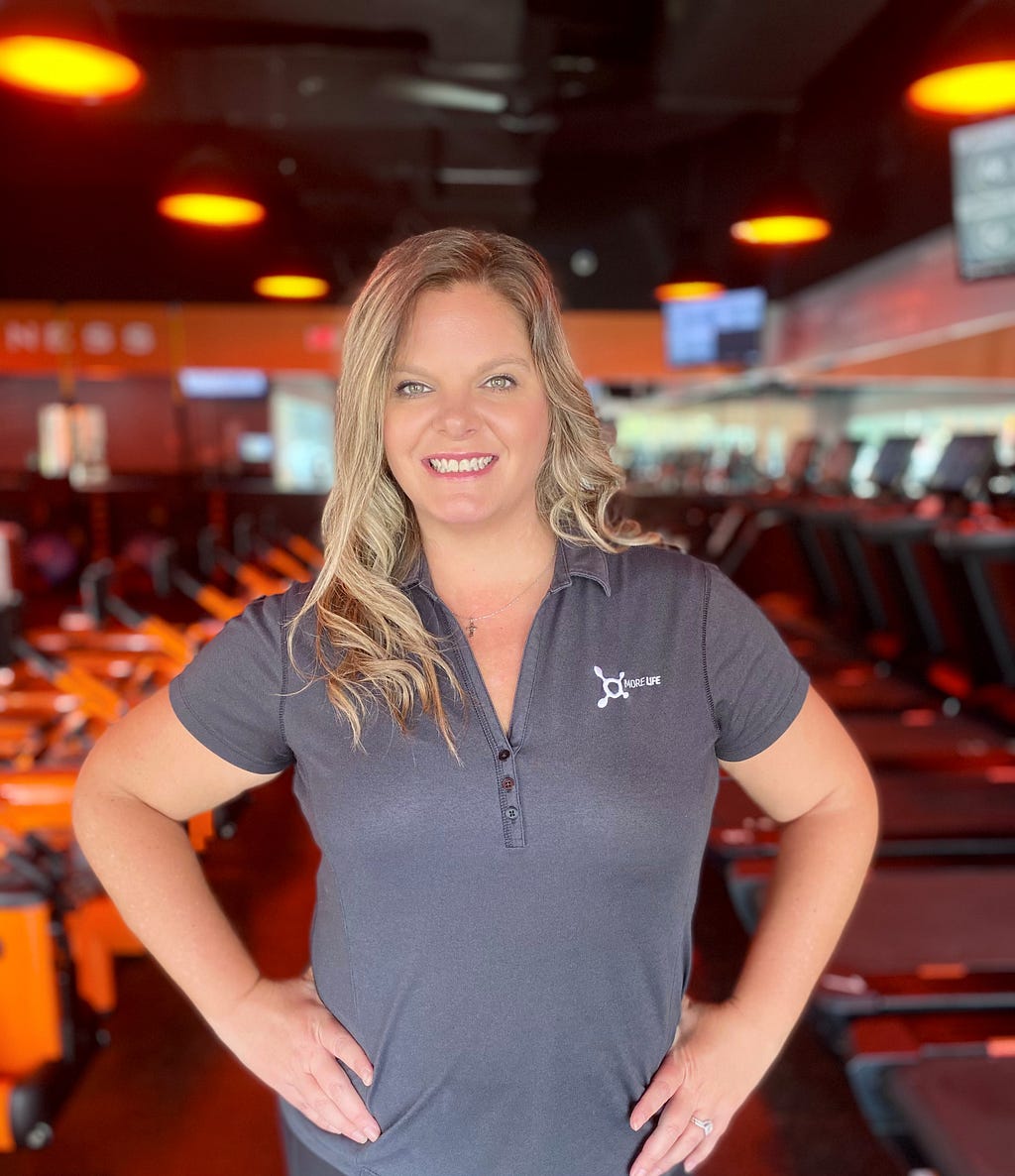
The Future of Air Travel In The Post Pandemic World, With Chief Pilot Michael Johnson of Sawyer…

The Future of Air Travel In The Post Pandemic World, With Chief Pilot Michael Johnson of Sawyer Aviation

An Interview With Candice Georgiadis

When the pandemic hit, air travel was significantly impacted, especially the airlines. The savvy traveler discovered charter services and soon learned that one can skip the lines, come and go at their own schedule, avoid the two hour wait times at departure and destination airports, and get personalized service. Charter services demand increased throughout the pandemic and remains high today.

As part of our series about “The Future Of Air Travel”, I had the pleasure of interviewing Michael Johnson.

Mike Johnson has dedicated nearly 50 years to a career in aviation. After taking a discovery flight when he was 13 years-old, the Houston Texas native knew he wanted to spend the rest of his life in the skies. Shortly after graduating high school, he joined the Marine Corps where served for more than 11 years, including five years of combat duty in the Middle East. Mike was awarded 23 of the nation’s top 27 personal military decorations for his service. While serving, he earned a bachelor’s degree in computer science and went on to also attain a degree in professional aeronautics and a masters in aeronautical science from Embry-Riddle Aeronautical University.

As a professional pilot, he has worked for major airlines, private charters, the tourism industry, and has extensive experience in air ambulance flights, providing organ transplant transportation, as well as patient and critical care operations. In his role as Chief Pilot for Sawyer Aviation, Johnson will fly aircraft for the company, manage the flight crews, provide training, scheduling and ensure the team of pilots are up to date on certifications. Mike’s love of aviation carries over to his free time where he enjoys teaching others to fly. When he is not taking to the skies, you can find him on the ice playing, coaching, or refereeing hockey.

Thank you so much for joining us in this interview series! Before we dive in, our readers would love to get to know you a bit better. Can you tell us a story about what brought you to this specific career path?

I grew up in the Space Race age, the age of the Apollo astronauts. Every boy at that time wanted to become an astronaut. I was not only fascinated with space, rockets and traveling to the moon, but also with the astronauts themselves as pilots. This started my love of aviation. Over the years I had the pleasure of meeting and becoming friends with two astronauts and flying with one during annual aircraft simulator training.

Can you share the most interesting story that happened to you since you started your career?

The most interesting story or event that happened was not specifically to me; it was the creation of the reduced Airline Transport Pilot (ATP) minimums. Like so many other new regulations that have been introduced over the years, I was either grandfathered in or they simply didn’t apply. I was already a seasoned ATP pilot when the reduced ATP minimums were introduced. The new regulation was introduced to lower the requirements needed to obtain the ATP pilot certification, as a means of having more pilots available due to the pilot shortage.

If we look at the industry today, there is still a pilot shortage. The reduction of ATP minimums hasn’t really helped address the pilot shortage, as was originally surmised. While true, everyone is trying to hire pilots, there is no shortage. There is only a shortage of pilots who are willing to work for a certain wage; live a certain lifestyle, and the list goes on. In my own pilot hiring efforts, I tend to target the very young and the retired airline community. The “in-between” age simply doesn’t understand qualify of life differences between Part 121(scheduled) and Part 135(on demand) flying and have incorrect assumptions, probably on each.

Can you share a story about the funniest mistake you made when you were first starting? Can you tell us what lesson you learned from that?

Oh boy. Confession time. Back in the 1970s, I used one of the flight school’s rental aircraft (Cessna 152, I believe) to fly from south Houston to Lake Conroe in the Houston area. Imagine a heavily wooded area with pockets of small lakes surrounding a much larger lake, Lake Conroe. I flew that little adventure to fly over my big brother’s house and wave to him. During the trip, I was essentially flying above treetop level and experienced carburetor icing which is caused when the temperature is low, and humidity is high. When the engine began sputtering at such a low altitude, I pulled on carburetor heat and the problem went away. I vowed I would never fly at treetop level again. Two weeks later, I found myself in the exact same situation, treetop level and carb heat. Sometimes we must learn the hard way. I haven’t flown airplanes at treetop level since.

Which tips would you recommend to your colleagues in your industry to help them to thrive and not “burn out”? Can you share a story about that?

My recommendation to other pilots to avoid burn out would be to stay customer focused. As a pilot, we fly the airplane and make sure the crew, aircraft and passengers get there safely. That’s the job. However, to really thrive, you must genuinely take care of the customer to provide them a superior door-to-door experience. This includes catering to their needs; ensuring they have transportation at the destination; ensuring that meals are catered to their liking; and much more. By adding that personalized experience for the client, you have the opportunity to get to know them along the way which helps make each flight unique and helps to avoid boredom and burn out.

None of us are able to achieve success without some help along the way. Is there a particular person who you are grateful towards who helped get you to where you are? Can you share a story?

Aviation is all about helping others. When starting out, my mentor was Lori Adams, one of only two women in aviation back then. Lori owned a flight school. I remember my mom was driving me somewhere and I saw a “Learn to Fly Here” billboard on the side of the road and said “Mom, I want to do that!” She said, “I’ll buy you one lesson.” My mom set it up and we went on Saturday. Lori took me flying in a Citabria, a fabric covered taildragger aerobatic airplane for my first lesson. It was great and I had fun. Either I was pretty good or Lori took a liking to me. When back on the ground, Lori asked me when I was coming back next. I had to say, “I’m not, we can’t afford it.” She said, “Come here tomorrow.” I repeated that we couldn’t afford it, and she repeated “Come here tomorrow.” Well, I did go back and wound up working for her every day until I was 18 years old. Never getting a paycheck, I was compensated in flying, learning aerobatics, towing banners, etc. Lori was my mentor that paved the way for me to get to where I am today. As such, I feel compelled to help others in their career journey.

Can you share with our readers how you have used your success to bring goodness to the world?

In my time as a pilot, I have met many upset passengers and clients and I have always done my best to turn around their day by genuinely caring for them and reminding them to smile. Sometimes, it’s the little things that make a world of a difference.

Thank you for that. Let’s jump to the core of our discussion. Can you share with our readers about the innovations that you are bringing to the Aviation and Air Travel industries?

As the Chief Pilot for Sawyer Aviation, it is an honor to be a part of the lifesaving medical transplant flights we administer. In fact, the company has developed a patent pending device called HALO which allows organs to be transported safer and faster, thus saving more lives. HALO is a mount that allows for organ transplant coolers to be safely strapped into the bed of an aircraft to keep the container from moving around in flight which could cause damage to the organ and make it unusable. Sawyer Aviation’s goal with HALO is to increase the viability of organs in transplant which will save more lives every day.

Which “pain point” are you trying to address by introducing these innovations?

While Sawyer Aviation’s goal is expansion, the pain point is going to be pilot hiring and retention. While airlines have recently increased wages to match charter levels, the airlines cannot sustain that more than 18–24 months. I foresee pilot furloughs on the horizon by the airlines. At Sawyer Aviation, we bring compensation and quality of life to the pilots in today’s market to keep them happy at their jobs.

How do you envision that this might disrupt the status quo?

I see a future point where pilots will once again be furloughed, and the market will become saturated. We have seen this before. Airlines and big business want to attract pilots and throw money at them. Unfortunately, I don’t believe this is sustainable for the airlines. This could mean higher airline ticket prices, removal of even basic care such as water, charging more for even the smallest of carry-on baggage or personal item, and even downsizing of cabin safety staff.

Are there exciting new technologies that are coming out in the next few years that will improve the Air Travel experience? We’d love to learn about what you have heard.

There are emerging technologies within the travel industry as a whole, including voice search, virtual and augmented reality, and facial recognition technology which have led to smart speakers in hotels, virtual reality tours from travel companies and new, seamless ways to check-in without having to queue and speak to hotel/company staff. We are increasingly using contactless payments, so it makes sense that the travel and tourism industry follows this same trend. I have heard that robotics are being used in travel technology as well. For example, within hotels, robots are used in concierge-like roles, helping to greet guests when they arrive and provide information. Some hotels have expanded their use further, involving them in cleaning and luggage handling.

Specific to air travel, the technology being tested for eVTOL is exciting. These are electric vertical take-off and landing aircraft while use electric power to hover, take off, and land vertically. Think drones for people! Another advancement is one that we have come out with at Sawyer and that is our new state of the art website which features a best-in-class universal private charter search tool allowing customers to find all of the details of their private charter trip online without the need to go through multiple brokers. The price, aircraft availability, routes, etc. are all right at your fingertips.

The future of travel technology is exciting!

As you know, the Pandemic changed the world as we know it. For the benefit of our readers, can you help spell out a few examples of how the Pandemic has specifically impacted Air Travel?

When the pandemic hit, air travel was significantly impacted, especially the airlines. The savvy traveler discovered charter services and soon learned that one can skip the lines, come and go at their own schedule, avoid the two hour wait times at departure and destination airports, and get personalized service. Charter services demand increased throughout the pandemic and remains high today.

Can you share five examples of how the Air Travel experience might change over the next few years to address the new realities brought by the Pandemic? If you can, please give an example for each.

I’m not quite sure the COVID pandemic would extend that far into the future. I believe, as a world, we have a handle on it are more cautious for it and, hopefully, are better prepared for it. I do not see the pandemic having any additional impact on the transportation industry than it has already, especially since we have adapted certain protocols for health and safety of the passengers. However, I do see the hiring and retention of pilots continuing to cause disruption to travel, especially for the commercial airlines.

You are a person of great influence. If you could start a movement that would bring the most amount of good to the most amount of people, what would that be? You never know what your idea can trigger. 🙂

After being a part of numerous humanitarian efforts while in the Marine Corps, I know there are different parts of the United States, and the World, where catastrophes occur. Being a part of even the smallest part of humanitarian effort can go a long way for people that are experiencing a low in their life. Whether it be a flood, earthquake or simply a loss of normal life, doing a good deed can be a significant help to someone. As mentioned above, sometimes it is the small acts of kindness that go a long way for people. Don’t underestimate the power your kindness can have. A kindness movement could change the world.

How can our readers further follow your work online?

Readers can come fly with us on social media @sawyeraviation or visit our website at sawyeraviation.com.

This was very inspiring. Thank you so much for joining us!


The Future of Air Travel In The Post Pandemic World, With Chief Pilot Michael Johnson of Sawyer… was originally published in Authority Magazine on Medium, where people are continuing the conversation by highlighting and responding to this story.