Women Leading The Cannabis Industry: “Know the History of The Cannabis Prohibition” With Sysamone Phaphon of KhuenPhu
An Interview With Candice Georgiadis
Know the history of cannabis prohibition so you understand why it’s important to create a brand or company in this space that also supports those affected by the war on drugs. There are too many brands or companies forming in this space because they want to be part of the green rush. They fail to learn or realize there are still states incarcerating people for possession of cannabis while other states are profiting.
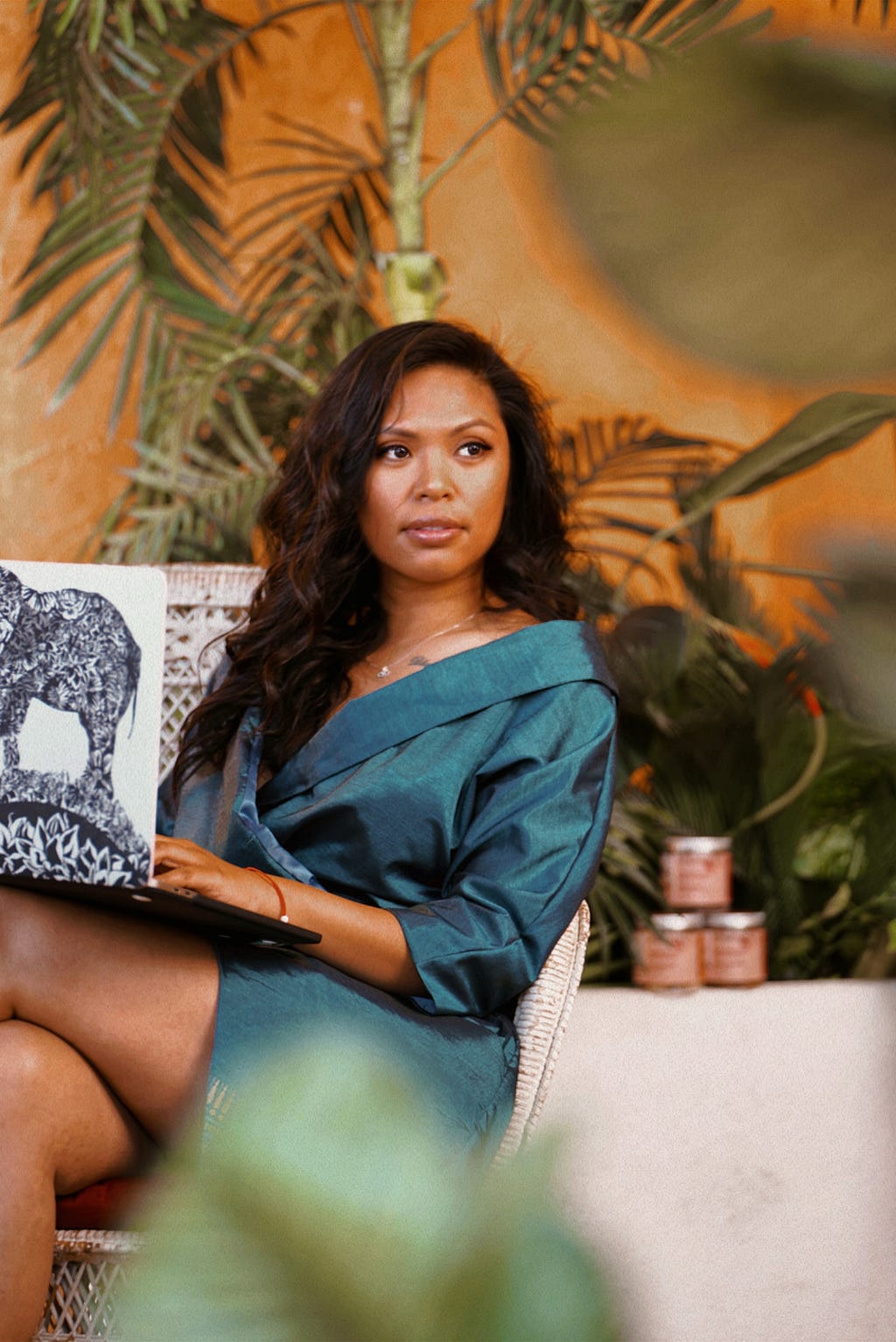
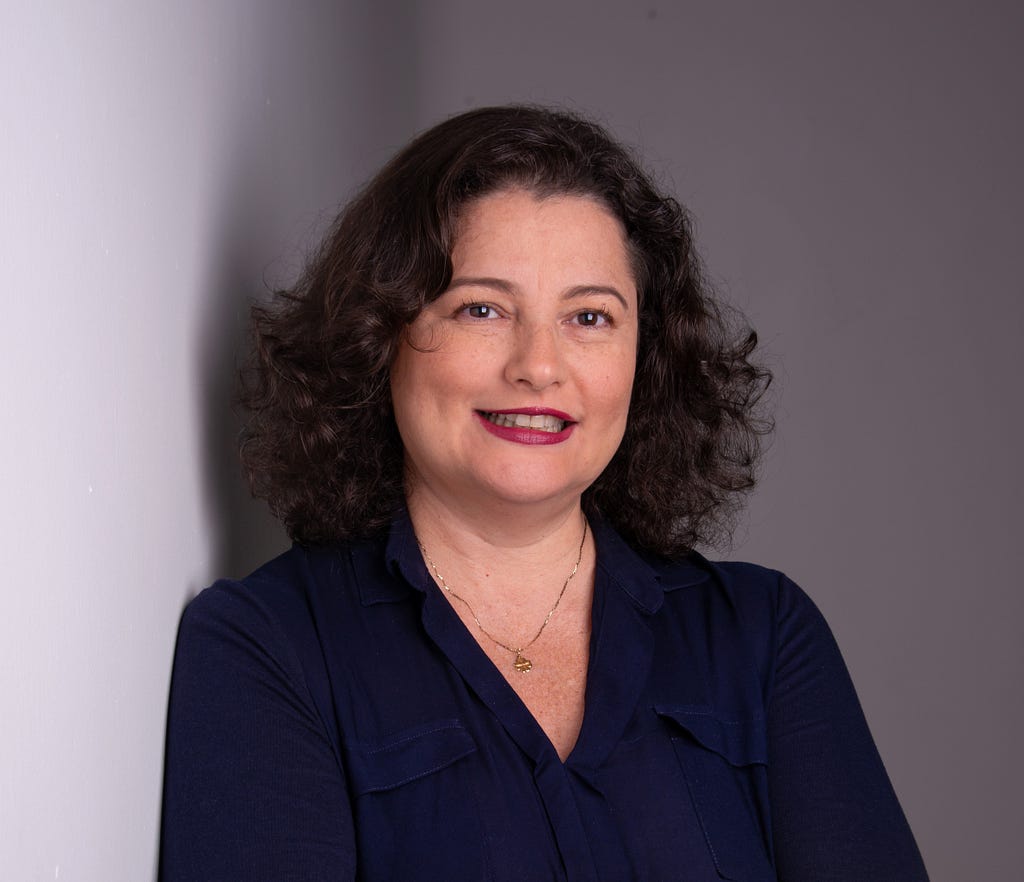
As a part of my series about strong women leaders in the cannabis industry, I had the pleasure of interviewing Sysamone Phaphon, CEO of KhuenPhu (pronounced Kun-Pooh).
Sysamone Phaphon is a leader and advocate for diversity and inclusion in the Cannabis industry. She is the current CEO and founder of the AAPI inspired CBD Nanoemulsion brand, Khuenphu. Sysamone also provides growth strategy & marketing consultancy for the cannabis industry through a digital marketing agency called A.V.O. Prior to pursuing the consultancy path & building her own company, she was previously the Head of Growth for cannabis manufacturer, Vertosa, where she managed PR, Marketing and brand partnerships for Vertosa & their various cannabis brand clients.
Thank you so much for doing this with us! Can you tell us the “backstory” about what brought you to the cannabis industry?
Prior to joining the Cannabis industry, I was managing growth and partnerships for a health tech startup. However cannabis has always been part of my life as a medicinal remedy. My mother used to put it in our pho broth to boost the flavors or to support our healing needs. My parents saw cannabis as an herbal remedy versus a gateway drug, so we grew up with the plant as a medicinal option. When the industry became regulated and recreationally legal I was given the opportunity to join Cannabis active ingredient manufacturer — Vertosa to manage growth for the company. I joined without hesitation knowing that I could learn so much from the team and really build out my dream brand through the experience and knowledge I would gain from the leaders at Vertosa.
Can you share the most interesting story that happened to you since you began leading your company? Can you tell us what lesson you learned from that?
The most interesting thing is watching my parents wear my company swag and brag about me and my company to their friends. Typically Asian parents want you to be a doctor, lawyer or engineer. At one point in my life, they really wanted me to be a doctor. Cannabis is still a big stigma in the Asian community because of the fear and consequences that resulted from the cannabis prohibition era & the war on drugs. Fortunately for me, my parents are so proud of this path I have chosen because they understand how beneficial the plant is to our health. I learned that transparency and education are important to break stigma and stereotypes. Educating my parents, their friends and our Asian community has decreased their fear of this industry and really what pushed them to approve of my entry into the industry.
Can you share a story about the funniest mistake you made when you were first starting? Can you tell us what lesson you learned from that?
I make many mistakes weekly. haha. It is part of the entrepreneurship path. One of the funny mistakes I made was underestimating the effects of full spectrum hemp derived CBD. Our team was testing a 50mg full spectrum infused gummy as a potential new product for our sleep category for those with really bad insomnia. I made the mistake of consuming it midday and ended up passing out and had a nice 15 hour sleep session. I woke up to many missed calls and messages asking if I was still alive. The lesson I learned is that it’s definitely best to test new product formulations especially for sleep after dinner time.
Do you have a funny story about how someone you knew reacted when they first heard you were getting into the cannabis industry?
Honestly the funniest words from a reaction I have received is… “You’re a legal drug dealer”. I’m sure pharmacists receive that comment all the time. Everyone has jumped for joy and have been ridiculously supportive ever since I joined the industry. I get a lot of requests from my family and friends for free products to sample and test. That’s their favorite part about me being in the industry, they get access to free samples.
None of us are able to achieve success without some help along the way. Is there a particular person who you are grateful towards who helped get you to where you are? Can you share a story?
I am grateful for my partners, advisors, team members and family. Everyone has helped me get to where I am today. Most of the professional people in my life have supported me freely with their skills and services and it’s a blessing to build a company at this early stage with low operating costs due to all the free support I have received.
Are you working on any new or exciting projects now? How do you think that will help people?
Yes, I am super excited about international expansion. Currently a lot of Asian countries are jumping on the CBD train and I am very happy about being able to supply retail businesses in Asian countries with our products for their consumers. More to come soon on which Asian countries will be activated in the near future with Khuenphu products.
Ok. Thank you for all that. Let’s now jump to the main core of our interview. Despite great progress that has been made we still have a lot more work to do to achieve gender parity in this industry. According to this report in Entrepreneur, less than 25 percent of cannabis businesses are run by women. In your opinion or experience, what 3 things can be done by a)individuals b)companies and/or c) society to support greater gender parity moving forward?
Champion early stage women founders. These women need the most guidance and support from people that have paved successful paths in the industry.
Create equitable programs that actually serve their purpose in supporting the marginalized versus creating one just to say your county has one. There are too many equitable programs that are not serving the real needs of their county. I’ve seen many licenses handed out to equity applicants however there is no follow through or real hands on support with the process to help an equity approved business applicant get to a stable starting point.
Create access for exposure that doesn’t cost an arm and a leg. The cannabis events and conferences that are active in the industry discriminate against brands that are not backed by venture capital. These events charge ridiculous exhibitor or vendor fees. Not only are they pricing themselves out of the industry but they’re not inclusive for bootstrapped founders.
You are a “Cannabis Insider”. If you had to advise someone about 5 non intuitive things one should know to succeed in the cannabis industry, what would you say? Can you please give a story or an example for each.
Sorry I only have two suggestions versus five for this answer. 😁
Know the history of cannabis prohibition so you understand why it’s important to create a brand or company in this space that also supports those affected by the war on drugs. There are too many brands or companies forming in this space because they want to be part of the green rush. They fail to learn or realize there are still states incarcerating people for possession of cannabis while other states are profiting.
Research the latest technology in the cannabis industry such as Nanoemulsion. Science research is continually evolving the industry products. We cannot evolve this industry and remove the negative stigmas if we are not continually advancing our products safely to showcase more of the science advancements and its benefits for general consumers.
Can you share 3 things that most excite you about the cannabis industry?
Growth potential stateside when federal legalization happens.
Growth potential internationally as countries change their laws to legalize cannabis for medicinal & recreational use.
New Product innovations that continue to happen for the industry. I love seeing new products launch into the market.
Can you share 3 things that most concern you about the industry? If you had the ability to implement 3 ways to reform or improve the industry, what would you suggest?
The # of people that are still incarcerated on cannabis charges concerns me while the rest of us are profiting. They should all be expunged and provided proper transition programs into society.
Another change that needs to happen is a change to the regulations that hurt the businesses in the regulated industry and keep the illicit market thriving. There’s a lot of self serving creation of industry regulations by politicians but not a lot of listening to actual cannabis advocates and business owners.
Equity programs not created or in existence for many recreationally legal states and their specific counties. If we’re going to activate states for recreational use, those states should also be creating programs that support those they crucified during the war on drugs.
What are your thoughts about federal legalization of cannabis? If you could speak to your Senator, what would be your most persuasive argument regarding why they should or should not pursue federal legalization?
Let’s look at the research and data to help us make intelligent informed decisions versus taking a biased stance and self interest promoting position. There’s enough evidence and research to back up the benefits of federal legalization. I suggest we rely on the data to persuade senators towards legalization versus how much a Senator can profit for their own benefit if they vote in favor of federal legalization.
Today, cigarettes are legal, but they are heavily regulated, highly taxed, and they are somewhat socially marginalized. Would you like cannabis to have a similar status to cigarettes or different? Can you explain?
No, cannabis is its own category and is not harmful to our health like cigarettes are. Cannabis is beneficial for our health, not detrimental. I prefer that it has its own status in the market with regulations that make sense for businesses in the industry.
Can you please give us your favorite “Life Lesson Quote”? Can you share how that was relevant to you in your life?
Lead by example. I live by this quote daily because I cannot expect others to follow my lead and be motivated enough to work as hard as I do if I am not willing to roll up my sleeves and put in the dirty work myself.
You are a person of great influence. If you could inspire a movement that would bring the most amount of good to the greatest amount of people, what would that be? You never know what your idea can trigger. 🙂
Opposite of the DARE drug program, let’s say Yes to plant medicine! I would love to inspire an educational movement that destigmatizes cannabis worldwide for all age groups. Providing transparency and proper education programs on consumption, understanding labels, and understanding how products are made would be the best way to destigmatize the plant. An education movement that not only educates but helps people understand how to properly select & consumer safe and stable products. An education movement that also allows access for all to the benefits of the plant. Education is the strongest weapon we have to change the negative narrative that was created for the cannabis plant.
Thank you so much for the time you spent with this. We wish you only continued success!
Female Founders: Natasha Pearl Hansen On The Five Things You Need To Thrive and Succeed as a Woman Founder
An Interview With Candice Georgiadis
Know what type of company you are building and do it correctly out of the gate. I jumped to starting my company as an LLC, and had to convert to Delaware C-Corp within a year in order to internally structure properly. It’s much more cost-effective to do this right from the start. Use attorneys! It’s worth it.
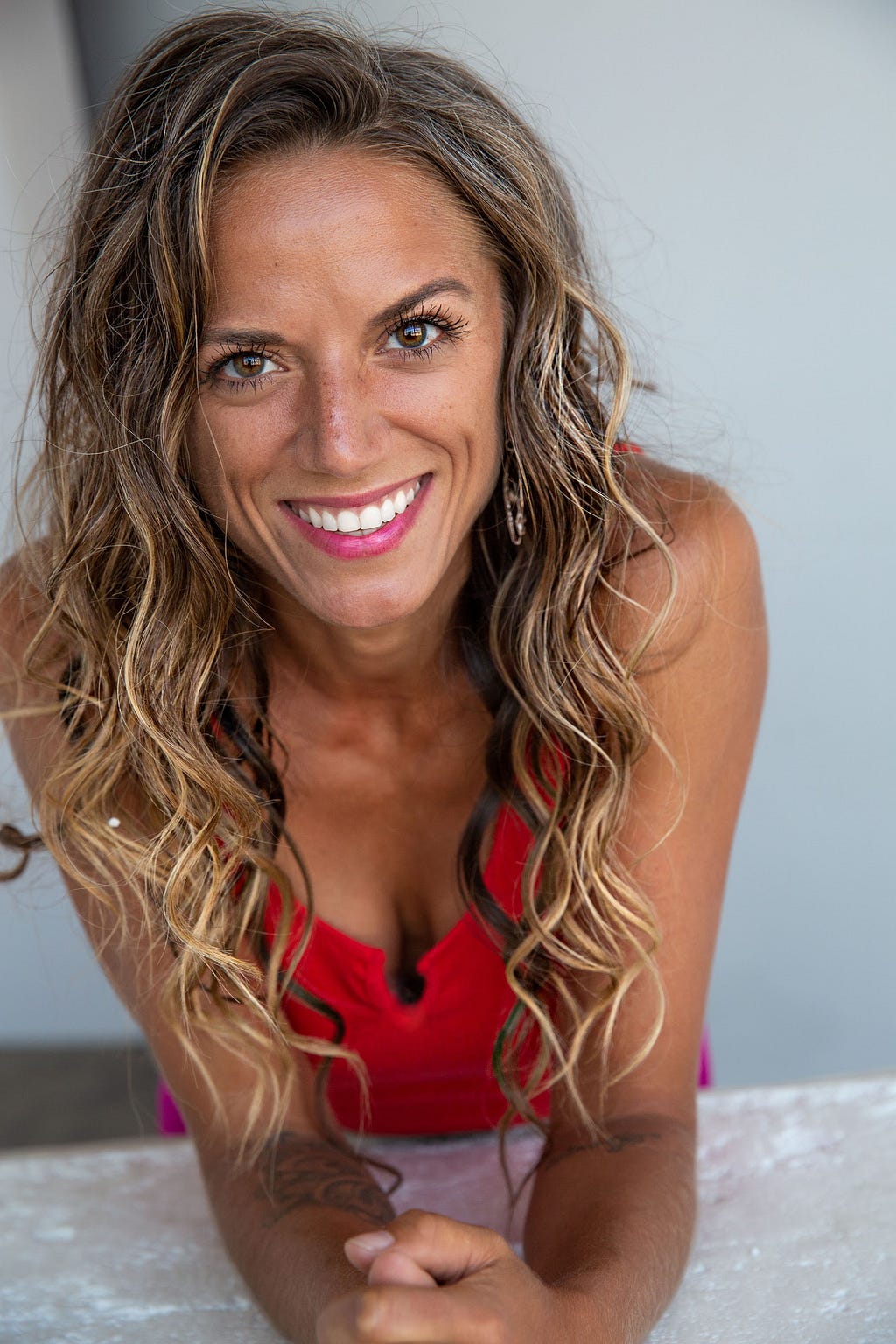
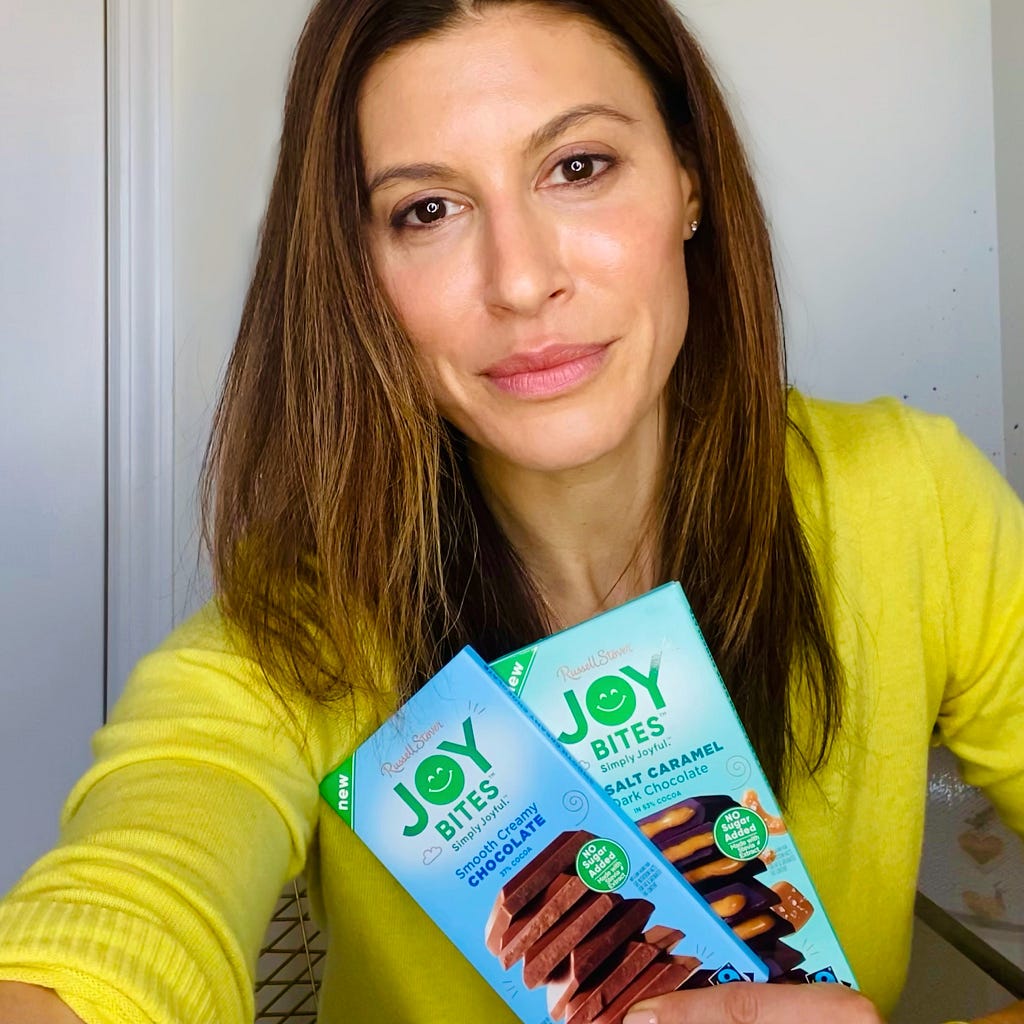
As a part of our series about “Why We Need More Women Founders”, I had the pleasure of interviewing Natasha Pearl Hansen.
Natasha Pearl Hansen is a comedian, creator, podcast host, and entrepreneur who began her multi-faceted entertainment career at Second City Chicago in 2007, moving to Los Angeles a few years later. She quickly began touring as a stand-up comedian, acting, writing, producing and directing for stage and film, eventually leading her to start a production company and creating multiple comedy series with wins in film festivals and with major networks. When her wedding was canceled in 2019, she decided to use the venue anyways and self-produce her first comedy special “I Was Supposed To Get Married Today” which came out on Amazon Prime this year, also leading her to become the CEO + Founder of MyBreakUpRegistry.com a crowdfunding and registry platform for people going through breakups.
Thank you so much for doing this with us! Before we dig in, our readers would like to get to know you a bit more. Can you tell us a bit about your “backstory”? What led you to this particular career path?
Thank you for having me! I actually left pre-med in college to pursue comedy, so I knew when getting into an entertainment career that I was going to have to be really business minded to create the life I wanted. When I first started touring as a comedian, I didn’t love certain aspects of the road life — cheap hotels, going to small cities in the middle of nowhere, and lacking enough breadth of or solid material to not bomb on stage. I worked hard to build material and a personal brand so I could tour where and how I wanted to, and I learned every aspect of the business side of entertainment that I could. About five years ago I had started to build up enough of a name, written enough jokes, and had enough knowledge of creating partnerships that I was able to start curating my own tours. That’s when I really started falling in love with my career, by taking control of it. I started to pursue brand deals and work with startups and apps, and I found a really cool niche between entertainment, branding and tech. That’s where I started planting a seed in myself that I’d be a startup founder one day.
Can you share the most interesting story that happened to you since you began leading your company?
I think everyone in a leader role deals with impostor syndrome, and even though I trusted myself as a leader in entertainment, I didn’t know if others would trust me as a founder. So, I decided that I’d have to be authentic throughout the process and the right people would find me. I submitted to pitch my company over zoom to a VC fund that invests in women founders, and I essentially ran the pitch like I would for a TV show — made it fun, interesting, and engaging. I was totally myself. After the pitch they said they only reach out to maybe 1% of pitches for followup, so don’t try and get in contact. I got a call a week later that they were interested in investing. It turns out people do really want to invest in YOU, not just your ideas! We are still in talks on next steps and working to find another investor or two to match them, but that was an extremely encouraging experience.
Can you share a story about the funniest mistake you made when you were first starting? Can you tell us what lesson you learned from that?
Ooh I made a few… initially when I was planning out my design palette for the site, I hired a branding and design person off of Instagram. This person I had followed for years and they were incredible with their own brand, but the designs I got back for my site were so far off of my vision I didn’t know what to do. I called the woman and we had a candid conversation about it and I was just honest about how I felt, and that I didn’t think our aesthetic lined up. She handled it so well and refunded my large deposit, and we simply agreed that maybe this wasn’t the right project for us to collaborate on, but we’d find a better way to work together in the future. You’ll make mistakes, but if you’re at least honest about them with the people involved, you can always find a way to shift and correct. I ended up finding the perfect designer shortly after!
None of us are able to achieve success without some help along the way. Is there a particular person who you are grateful towards who helped get you to where you are? Can you share a story about that?
I’m inspired by a lot of founders, especially women in entertainment and entrepreneurship I’ve met and befriended through the years. The two people who stick out here are my friends Carly and Matt. Carly and I grew up together and she became a powerhouse with Amazon by being the force that she is. She’s helping a new startup scale now, and we bounce stories and trials off of each other all the time. She was one of the first to encourage me with this business when it was just in its infancy as an idea. My other friend Matt offered my so many resources as I journeyed into becoming a founder, even giving my his assistant for a few hours to handle tasks I couldn’t get to. I trust my friends and their brains, and I love just chatting over the phone about founder whoas whenever we get the chance — we always help each other come up with our own solutions to our problems, which is fun.
Ok, thank you for that. Let’s now jump to the primary focus of our interview. According to this EY report, only about 20 percent of funded companies have women founders. This reflects great historical progress, but it also shows that more work still has to be done to empower women to create companies. In your opinion and experience what is currently holding back women from founding companies?
The designation of a company as being female founded is a double-edged sword. On one hand, you have those that are willing to back and support female-driven ventures, and on the other hand you have those that see that designation and perceive it within the stigma of it being backed solely because there’s a woman founder. Women want to be considered CEO’s and founders, not “female CEO’s and founders.” I’ve dealt with this my entire comedy career as well, and as much as we appreciate being notable as a woman, we want to just be considered notable, period. Fear of how we are being perceived and distinguished tends to be a big factor in wanting to take that leap into founding a company or not.
Also, the designation of a company as being female founded can make it seem like the company ONLY serves women, when many women-founded companies aim to serve a broader scope of the population. I built my company to help anyone and everyone, regardless of how they identify, and I want to be provided opportunities by anyone that understands my vision and trusts me with it.
Can you help articulate a few things that can be done as individuals, as a society, or by the government, to help overcome those obstacles?
I’m a huge fan of sites like iFundWomen, where I donate back to a lot of women-founded companies on a regular basis, but this all comes down to letting women know to take their own action whether or not they think they have support. There is so much money out there, and an internet full of resources, but it takes hunting and work to put those resources in your own hands and funnel them into your own company. The more we can open up conversations about what women need to fuel their life and their business endeavors, the more we talk about salaries and funding options, the more we can discover. We can’t be afraid to share our resources with each other. It only harms the greater whole.
This might be intuitive to you as a woman founder but I think it will be helpful to spell this out. Can you share a few reasons why more women should become founders?
Women leaders I admire tend to lead in a fierce yet vulnerable way. I look up to so many women founders and leaders, and I feel like women are very willing to listen to their audience and build in a way that caters to them. Women tend to pave the way for other women, so the more of us who become founders and CEO’s, the more opportunity we can continue to create for those on their way up.
What are the “myths” that you would like to dispel about being a founder? Can you explain what you mean?
That you need a co-founder! Ooh this is a tough myth… and you don’t need anyone to believe in your vision as much as you, because if you believe in it the most, then you alone can give it the most. Nobody should fear starting a company on their own. I have worked on combatting this myth since MyBreakUpRegistry.com was simply an idea, and I will continue to work to show other founders that they can launch alone and take their time to bootstrap, build right, and find the right team over time.
Is everyone cut out to be a founder? In your opinion, which specific traits increase the likelihood that a person will be a successful founder and what type of person should perhaps seek a “regular job” as an employee? Can you explain what you mean?
Definitely not everyone is cut out to be a founder, but I think people naturally weed themselves out of roles like these if it’s not the right fit. Fifteen years in entertainment prepared me and gave me all the tools I needed to handle building a corporation: rejection, inquisition and comparison are rampant in Hollywood as well as the startup world, and I’ve taught myself that every “no” is inching me closer to a “yes,” and to celebrate all the little wins along the way. Even getting a response you don’t want is still a response, and responses are a good thing. Founders have to be capable of listening, yet knowing the vision and building toward it. Founders have to be able to pivot and redirect when needed. Founders have to be willing to lose everything to create their dream, but also know deep down they won’t have to, because they’ll find a way. If you’re able to live outside of your comfort zone, take risks, and have large pockets of financial uncertainty, great! Go be a visionary. But not everyone is leading the charge and there’s tremendous value in being a person that carries the work forward toward the end goal. Founders can’t create and scale without people who can facilitate the vision, and facilitators keep the machine oiled and running. It’s all a functioning unit, and whatever your place is in that unit, it is valued and necessary.
Ok super. Here is the main question of our interview. What are your “5 Things I Wish Someone Told Me Before I Started” and why? (Please share a story or example for each.)
Know what type of company you are building and do it correctly out of the gate. I jumped to starting my company as an LLC, and had to convert to Delaware C-Corp within a year in order to internally structure properly. It’s much more cost-effective to do this right from the start. Use attorneys! It’s worth it.
If you’re hiring any sort of designer or developer, you can craft a tier-style payment plan based on milestones of product delivery. Designers and developers are willing to work with you, and they also want to make sure you’re happy and that their time is worth the end result. Check-ins along with a broken down payment structure really helped me build at a steady yet realistic pace while also getting constant updates.
Don’t read too many stories from other founders while you’re in build phase. As much as other people’s journeys can be inspiring, no journey is the same, and it’s good to keep your focus on doing things your way rather than trying to emulate someone else’s success.
Be honest with your friends, family, audience — anyone who will listen — about what you need and where you’re at. I built my company in public and am continuing to, and if people think everything’s going smoothly for you, there’s so many offerings for help you’ll miss. As I opened up about roadblocks and setbacks throughout my build, I was floored by the types of responses I received, be it connections or discounts or free photo shoots. People can’t help you if you don’t tell them what you need!
It’s OK to build at a steady pace. Nothing needs to be the biggest and the best right away. Bootstrap, get scrappy, and find ways to make it work. It’s better to build right and with integrity than to get in over your head. If my company would have blown up the second I launched, I wouldn’t have been prepared. Now I am. Don’t be afraid to pace, nobody will (or should) judge you for it.
How have you used your success to make the world a better place?
I mean, I’m trying! I think all founders want to build something remarkable, and create opportunities for others, but it takes time and is a constant work in progress. My biggest through-line in my entertainment career (comedy, hosting my podcast, writing) and in my company is being open about perceived failures and understanding how those things actually built to your success. I love owning a rough moment in my life and moving forward from it, and my art and entrepreneurship reflects that. I hope to keep inspiring people to shine through their setbacks, let them be a learning experience, and move the F forward.
You are a person of great influence. If you could inspire a movement that would bring the most amount of good for the greatest number of people, what would that be? You never know what your idea can trigger.
That’s exactly what I’m trying to do with MyBreakUpRegistry.com — inspire a generation of people who are willing to be open and vulnerable about what they need after a breakup. We all go through them yet we aren’t supposed to talk about them. We are just supposed to be OK, and we aren’t. These moments in our lives are the most painful on so many levels. I’m reminding people they can lean into their community, take care of themselves properly, and get the help they need to heal and come out stronger on the other side, eventually.
We are very blessed that some very prominent names in Business, VC funding, Sports, and Entertainment read this column. Is there a person in the world, or in the US with whom you would love to have a private breakfast or lunch with, and why? He or she might just see this if we tag them.
I am really focusing on partnering with brands in the mental health, wellness, experiences, dating and travel spaces with my company in 2022. I have a giant note in my company’s CRM of people I admire who would be excellent brand partners for MyBreakUpRegistry.com. Barbara Corcoran is my number one. Her success was fueled by a breakup, and I have watched her on Shark Tank since the series began. Danielle Pergament, the Editor in Chief at GOOP would be incredible to meet — GOOP readers are aligned with my company’s target market and I would love to pick her brain. Justin McLeod the founder of Hinge — I would love my site to partner with a brand like theirs, a dating app “designed to be deleted” and help people find love again after a breakup. Jonathan Beskin is the founder of Single Swag, which is a subscription brand I’d love to partner with and feature on my site. Some other outliers are mission-driven bad a** women like Jessica Alba, Selena Gomez and Zoe Barry. And can I exit this list without mentioning Oprah?
Thank you for these fantastic insights. We greatly appreciate the time you spent on this.
Female Founders: Melissa Bentivoglio On The Five Things You Need To Thrive and Succeed as a Woman Founder
An Interview With Candice Georgiadis
You don’t have to be the smartest person in the room. In my business, I am constantly learning and iterating and re-evaluating the strategy, operations and the business. As the CEO, there is a lot of pressure to be the strategic innovator, visionary and exhibit leadership. As Socrates poetically said “ True wisdom comes to each of us when we realize how little we understand about life, ourselves and the world around us”.
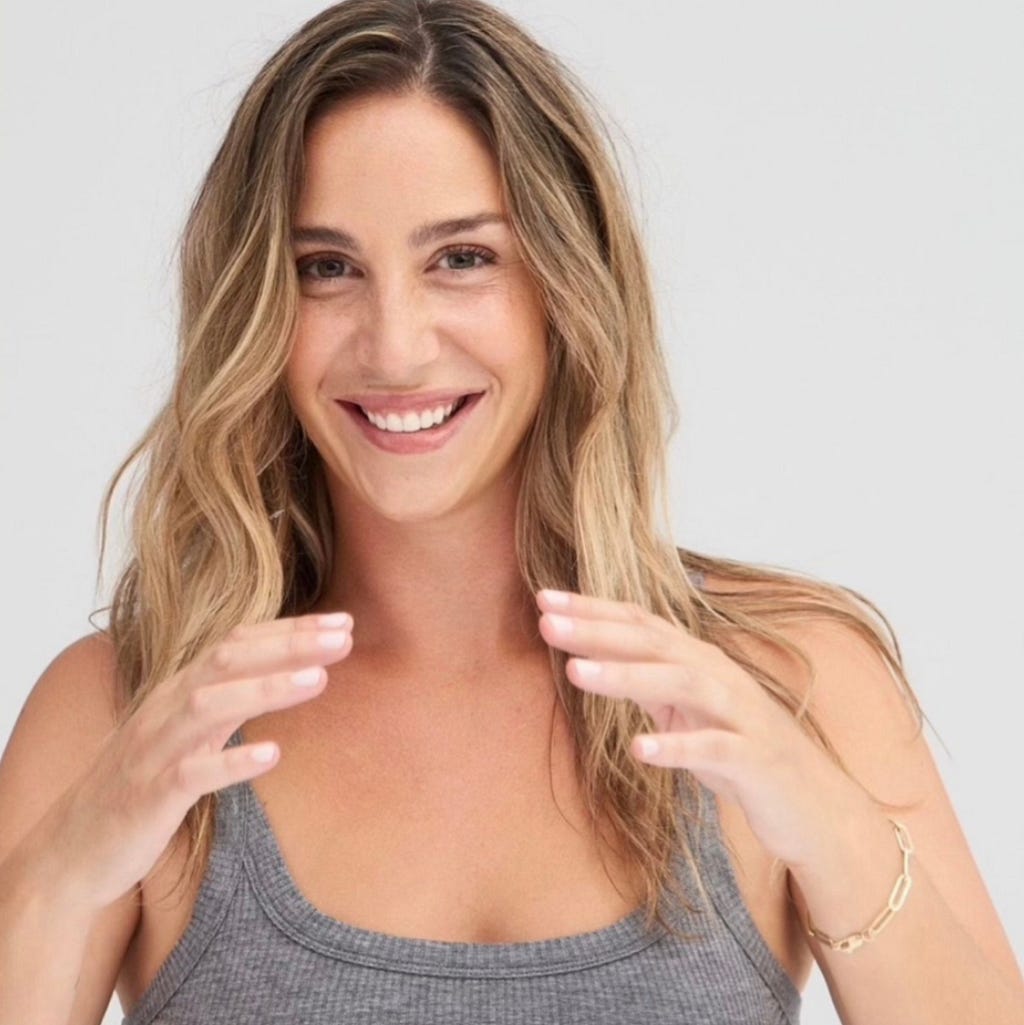
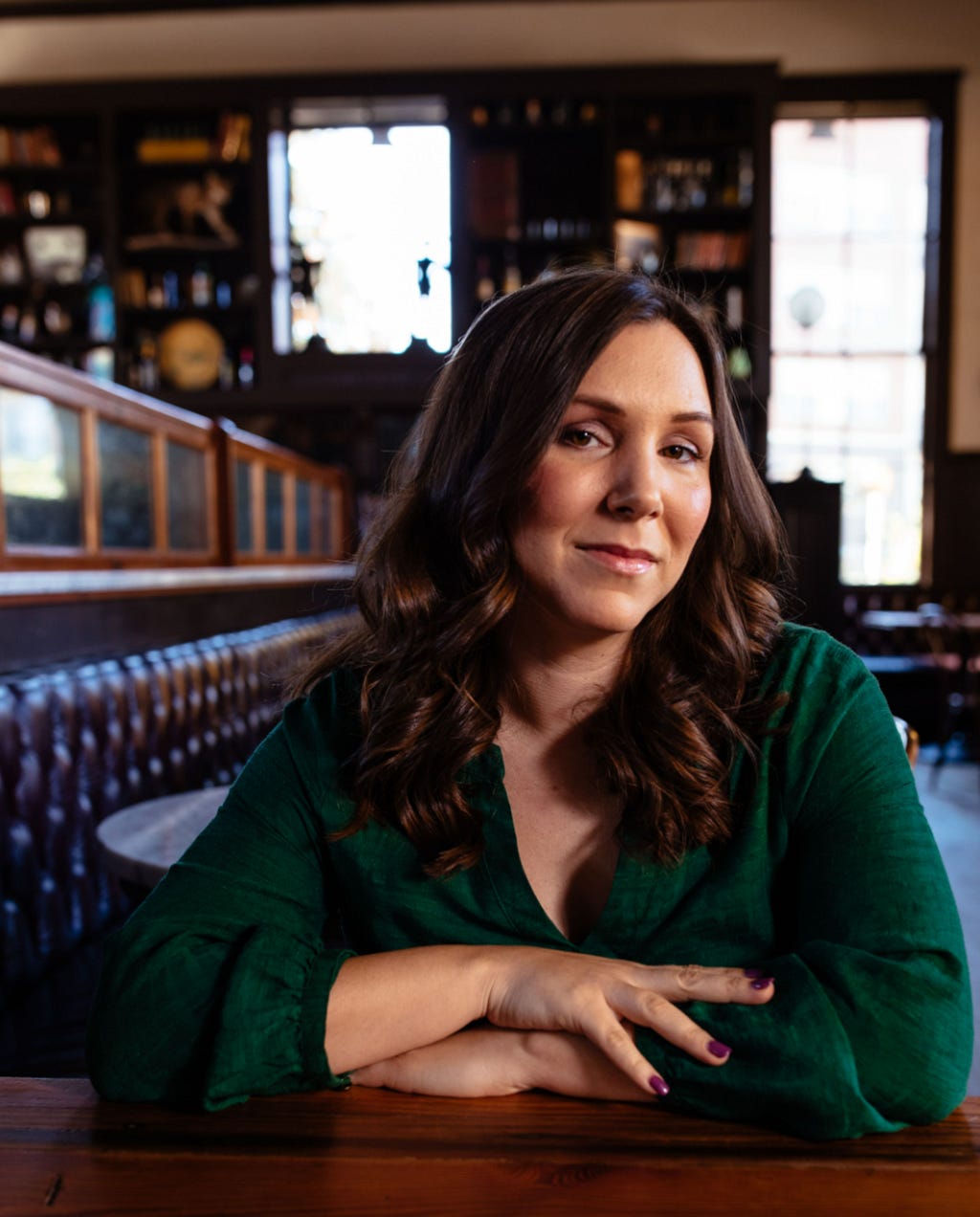
As a part of our series about “Why We Need More Women Founders”, I had the pleasure of interviewing Melissa Bentivoglio.
Melissa Bentivoglio was immersed in the world of elite classical ballet training and competitive dancing from a young age until University. While healing from a sports related injury, Pilates was prescribed for rehabilitation. In 2018, Melissa designed her own custom reformer which eventually went into her boutique fitness studio, Frame Fitness, located in the heart of Toronto, which opened February 2020.
Thank you so much for doing this with us! Before we dig in, our readers would like to get to know you a bit more. Can you tell us a bit about your “backstory”? What led you to this particular career path?
Throughout the majority of my young life into my emerging adulthood, I was dedicated to elite classical ballet training and competitive dancing. While healing from a sports related injury, Pilates was suggested to myself for rehabilitation. I saw it as a natural evolution to my life as a dancer. This drove my deep dive into Pilates instruction and fitness training. I became a teacher in Toronto’s top studios for over a decade and developed a robust private client roster of professional athletes and top executives. In early 2018 my focus shifted from fitness training to product design. I embarked on the journey of industrial design and prototyping whilst renovating and designing a fully bespoke brick and mortar boutique studio in the heart of Rosedale, Toronto. Frame Fitness opened February 2020 with my custom “ Frame By Melissa” studio reformers.
Can you share the most interesting story that happened to you since you began leading your company?
The most interesting story that has happened to me is actually starting the company. It was very serendipitous. I had been working for two years toward designing my own proprietary Pilates reformer, while concurrently building out my brick and mortar space. After 24 long months, my studio was finally open. I had started to sell out classes, and the energy within the studio was infectious. Six short weeks later, the pandemic happened and my studio was forced to close its doors. Although devastated as a result of the forced closure, those first few weeks of the pandemic created an opportunity for me to spend quality time with my three kids and allowed my creative juices to flow. I’m not a big TV watcher, so when my three kids were asleep at night, my seldomly idle mind was permitted to wander back to an idea I had had while designing my first reformer. At the time I had completed my first reformer design, I was 9 months pregnant and did not have the mental bandwidth to fully explore the proof of concept which was ignited as a result of becoming so inundated with work and preparation to open my own studio, that I was unable to train my private clients, a few of which had reformers in their homes but still required me to instruct them.
This was the start of a journey in which I partnered with my husband, while we were both at home in quarantine together, uprooted my three children and moved to another country
(Toronto to LA) to start a business during a global pandemic.
Can you share a story about the funniest mistake you made when you were first starting? Can you tell us what lesson you learned from that?
I am not sure how funny the “mistake” was, but it was a valuable lesson I learned at the inception of forming Frame Fitness. Amidst the earlier days of seed fundraising, a potential investor waited until I finished my lengthy pitch to tell me that even though the concept had relevant market value, a female mother of three without prior CEO experience would not be able to lead a company of this magnitude (given the hypergrowth in the competitive landscape and the market comparables that we would be going up against). I became very combative and tried to substantiate my value. This unfavorable perception of me could have negatively impacted my confidence and my ability to raise capital but instead I focused on my affirmations and my unwavering belief that I could do anything. Two months later and one hundred hours of pitching, I completed a successful seed raise. I have now learned that if you are trying too hard to persuade a potential investor of your value,or anyone for that matter- it’s the wrong fit. You can’t persuade people who won’t listen.
None of us are able to achieve success without some help along the way. Is there a particular person who you are grateful towards who helped get you to where you are? Can you share a story about that?
My mom has been instrumental in assisting me in fulfilling my passions and dreams from a very young age. Her unwavering support from the time I was a determined eight-year-old entering dance competitions to moving to another country with my husband and I to help raise our three children while I was working 15 hour days to launch this company -would NOT be possible without her. Lee, my partner in life and this new venture has also helped me achieve a great deal of early ‘subjective’ success. His positive attitude is a nice compliment to my competitive type A personality. Furthermore, he is innately gifted at developing and maintaining a far reaching and vast professional network which has proven invaluable in this business.
Ok, thank you for that. Let’s now jump to the primary focus of our interview. According to this EY report, only about 20 percent of funded companies have women founders. This reflects great historical progress, but it also shows that more work still has to be done to empower women to create companies. In your opinion and experience what is currently holding back women from founding companies?
Less than 2.3% of VC money in the U.S. last year went to female-led startups. A substantive decrease from 2.8% the year prior. Persisting gender inequality is a very complex social matter. Similar to any oppressed group, there are deeply challenging systemic barriers holding women back from achieving gender parity in positions of power. Societal norms and institutional laws all play a role, contributing to this disparity. Women were and remain disproportionately affected by the socioeconomic fallout of the pandemic. Moreover, working women are more likely to take on all familial and household responsibilities. According to Forbes Women, working mothers are eight times more likely to look after a sick child. This uneven distribution of unpaid work contributes to the “ double burden” that women routinely experience.
Can you help articulate a few things that can be done as individuals, as a society, or by the government, to help overcome those obstacles?
First and foremost, laying the groundwork for the youth, who are our future. If gender equality is tacitly instilled at a young age, representing the norm, it will facilitate and foster a gender balanced strategy. In addition, we must change the narrative and start to foster the confidence in young women to believe that they can be leaders and entrepreneurs. Creating a home environment which fosters egalitarian modeling will help to reinforce the gender balanced strategy. It is also so important to make funding more accessible to women given that 97.7 % of institutional money is given to men. As a women-led company, I recently requested from a headhunter that I wanted “MORE women applicants,” so far I have received one.
This might be intuitive to you as a woman founder but I think it will be helpful to spell this out. Can you share a few reasons why more women should become founders?
I’m biased as a strong female personality, but I believe that women’s strength and resilience are just some of the many reasons as to why women are natural innovators. Women in general have the propensity to be very intuitive beings and are very focused on understanding their teams and consumers. Women bring unique perspectives and viewpoints to revolutionize products and industries. Most concisely, more female founders will allow us to get closer to achieving gender parity and thus sustainable economic growth. More women should become founders because women-led startups employ more women, and when considered as a group, are more likely to succeed, with higher dollar-for-dollar returns on investment.
What are the “myths” that you would like to dispel about being a founder? Can you explain what you mean?
The founder’s trap. I find it exceedingly frustrating when warned about the myth that founders become incapable of delegating and that they must do everything themselves. While elements of that resonate, particularly when a startup is in its infancy, the execution of the business plan is essential to success and that requires a team.
Is everyone cut out to be a founder? In your opinion, which specific traits increase the likelihood that a person will be a successful founder and what type of person should perhaps seek a “regular job” as an employee? Can you explain what you mean?
I wouldn’t encourage anyone to seek a “regular job” as an employee vs. entrepreneurship. If I had listened to the peripheral perspective, I would not have raised a $5M seed round with fitness veterans. Statistically speaking, start-ups have a disproportionately high failure rate. A successful founder has a plethora of traits that correlate to success, but the absolute most critical traits are resilience, a strong sense of self (because you will be told YOU can’t do it more times than not), adaptability, and the ability to anticipate and thus mitigate as much risk as possible. Lastly, an unwavering belief that you are doing something meaningful and impactful. When someone is extremely passionate, there is no stopping that person.
Ok super. Here is the main question of our interview. What are your “5 Things I Wish Someone Told Me Before I Started” and why? (Please share a story or example for each.)
Trust your gut instinct. That intrinsic feeling is evoking emotion for a reason, trust your intuition.
You don’t have to be the smartest person in the room. In my business, I am constantly learning and iterating and re-evaluating the strategy, operations and the business. As the CEO, there is a lot of pressure to be the strategic innovator, visionary and exhibit leadership. As Socrates poetically said “ True wisdom comes to each of us when we realize how little we understand about life, ourselves and the world around us”.
Allow yourself to say no! As a CEO and business starter, it is important to have a clear, passionate vision. If something comes your way that deviates from that vision, it is okay to say no! Only you know what your vision is, and you should never let anyone change that.
Make sure to instill balance into your life. With the digital and work from home world we live in, it can be very easy to slump into work mode 24/7. Eventually you will run out of energy and focus, which can only hurt you in the long run. Be sure to continue to work on yourself and a work-life balance, mental, physical and emotional health should always be a top priority.
Don’t be afraid to ask for help! When you start your own business, it feels like your baby, and can be difficult to allow others to get involved. However, asking trustworthy people for advice and help may lead you down a stronger road than you thought.
How have you used your success to make the world a better place?
I am still on my journey to success, but I vehemently believe that living in a conscious world, where women-led companies are the norm, health is a priority and conscious consumption exists, will make the world a better place. As I continue to evolve my platform, I would like to focus on achieving gender parity, and continue to educate and draw awareness to our subconscious role in perpetuating societal inequalities.
You are a person of great influence. If you could inspire a movement that would bring the most amount of good for the greatest number of people, what would that be? You never know what your idea can trigger.
I would like to inspire a movement where women say no to the endless pursuit of physical perfection. Say NO to FaceTune and the filters that literally make you unrecognizable to yourself. Not being able to post a photo without using a filter or airbrushing it, is extremely harmful to a woman’s self esteem, even if this harm is of insidious nature. It is a terrifying thought that many women can’t leave the house without makeup or post a photo that hasn’t been digitally altered and airbrushed. On the surface, this toxic and damaging thought process was instilled at a very young age and every woman has experienced the feeling. Why do men not feel the need to hide their face or alter their social posted images?
We are very blessed that some very prominent names in Business, VC funding, Sports, and Entertainment read this column. Is there a person in the world, or in the US with whom you would love to have a private breakfast or lunch with, and why? He or she might just see this if we tag them.
This answer could vary depending on the day, but I would say Jessica Alba. I find the story behind her brand, The Honest Company, to be very inspiring and something that we have all experienced as consumers — not being satisfied with the quality or safety of a product, but also not being able to find any great alternatives. Clean products have become very popular, but in 2011, Alba was one of the first to disrupt the market with a mission-driven company. The Honest Company provides safe and clean alternatives to standard products that often contain harmful chemicals. As a woman who became a mother in 2011, honest products became staples in my household. In addition to her entrepreneurial success, she is an advocate for gender parity in the workplace with many initiatives such as closing the gender wage gap and actively seeking more female hires in C-suite positions.
Thank you for these fantastic insights. We greatly appreciate the time you spent on this.
Female Founders: Nikki Moore of Hello, Lovely! On The Five Things You Need To Thrive and Succeed as a Woman Founder
An Interview With Candice Georgiadis
Nothing happens overnight. Going into business I was well aware nothing was going to happen overnight. But your ambitions are so high in the back of your mind you think you are instantly going to create a massive success. You know how awesome your business is, why aren’t other people getting it? The truth of the matter, no one really knows it exists. You have to gain trust, become a reliable source of information, and create a relationship with your customers. Gaining customer engagement is a crucial part of the journey.
As a part of our series about “Why We Need More Women Founders”, I had the pleasure of interviewing Nikki Moore of Hello, Lovely! An accountant by degree, Nikki has spent 15 years growing her business knowhow and furthering her love for leadership by working in the business world. Married for over 12 years with two beautiful children, Nikki has learned how to partner personal fulfillment with professional fulfilment after starting Hello, Lovely a women’s networking organization aimed at creating that balance for both hardworking women and those not afraid to follow their dreams.
Thank you so much for doing this with us! Before we dig in, our readers would like to get to know you a bit more. Can you tell us a bit about your “backstory”? What led you to this particular career path?
Absolutely, I am a degreed accountant and the epitome of a day dreamer. I worked hard in my industry and even harder to find my passion. I love to read and dove into as many entrepreneur books as I could find. I realized early on that starting a business was my path I just didn’t know what that path looked like or what bumps I would find along the way. I wanted more time with my family and I wished there was someone to point me in the right direction. And that is what led me to starting a connection based group for women. To find the support, courage, and the cheerleaders you need to go after that next big idea!
Can you share the most interesting story that happened to you since you began leading your company?
It is interesting how the right people come in to your life at the right time. Here I was trying to organically build relationships little by little when I made a post in a business group online. It was just a small question about a potential mastermind I was thinking up. And I got a reply from a business coach. At the time, I had no idea it was a business coach, I was having genuine conversation about my business and I was getting amazing pointers on how to move forward. When I realized who I had been talking to I was insanely excited. Kyle Slaymaker of the Slaymaker Method, was mentoring me on business! I was quick to take him on as my coach and within 24 hours of working together, my vision was off paper and into action!
Can you share a story about the funniest mistake you made when you were first starting? Can you tell us what lesson you learned from that?
As an introvert, yes an introvert started a networking site (we are all capable of anything!), I had started a Facebook page because Facebook would be a great place to market! I think I had maybe 50 friends if I was lucky. Even so, I never posted. Not one word. Then one day, I said Hey, here I am, here is what I have to offer! Expecting this big influx of interest. Wrong! Yet somehow I was so incredibly upset when I had no engagement! That was years ago. I have since built relationships and put myself out there! You have to have value, solve a problem, and show people you are a real person wanting to help!
None of us are able to achieve success without some help along the way. Is there a particular person who you are grateful towards who helped get you to where you are? Can you share a story about that?
Hands down, my father and he will undoubtedly be the first to read this article. He is the type of dad to stand on the rooftop and shout about his daughters, all 3 of us. His quote for us, “Keep on plugging away…” When I first started dabbling with my own business I wrote and sold poetry. He put his everything into making things for me to display my art. From handmade wooden business card holders (the better to house them in stores) to large beautiful easels. My dad literally would walk up to strangers, my work in hand, and show them what I had to offer. So when we say the word grateful, that is certainly quite the understatement.
Ok, thank you for that. Let’s now jump to the primary focus of our interview. According to this EY report, only about 20 percent of funded companies have women founders. This reflects great historical progress, but it also shows that more work still has to be done to empower women to create companies. In your opinion and experience what is currently holding back women from founding companies?
Honestly it is learning how to take time for yourself. As women, we are so well equipped to take care of everyone we forget the importance of taking care of ourselves. And taking care of ourselves means taking that chance and pursuing what we love. We have to learn to delegate and not be afraid to ask for help. Trust me this is one area I struggle with most. If I am not doing it all, I am failing somewhere, right? No, certainly not. But it is getting the right mindset and using the resources you have to make it all work!
Can you help articulate a few things that can be done as individuals, as a society, or by the government, to help overcome those obstacles?
Celebrate the achievements. We are so focused on bringing light to the negativity in this world that it overshadows the amazing. There should be more articles out there like this, more media coverage! Get out there and support those small business owners and all the gifts they are providing the world. Remind our children again, that there is proof they can do anything!
This might be intuitive to you as a woman founder but I think it will be helpful to spell this out. Can you share a few reasons why more women should become founders?
Women are such passionate people. Can you imagine if all that passion was out there in this world? In addition, women are naturally nurturing. The whole premise of starting a successful business is to solve a problem and help as many individuals with your product or service as possible. This nurturing mentality is the perfect antidote for solving those questions that still lie unanswered!
What are the “myths” that you would like to dispel about being a founder? Can you explain what you mean?
“I don’t have time to start a business.” Each of our situations are certainly different but having enough time is essentially our way of talking ourselves out of going for it. We all have the same 24 hours in a day, how are you making the best of your time? I for one, swapped out the evenings of Pinteresting (how I love a good home décor pin!) for researching, reading, podcasting, and working on business development!
Another good myth, “there are too many similar ideas out there, why would anyone need to hear from me?” YOU are completely unique, YOU have a different skill set, and YOU have a fresh outlook on an already successful idea. The world needs to hear from YOU!
Is everyone cut out to be a founder? In your opinion, which specific traits increase the likelihood that a person will be a successful founder and what type of person should perhaps seek a “regular job” as an employee? Can you explain what you mean?
Not everyone is meant to be a founder and that is absolutely okay! You have to eat, sleep and breathe your mission. I am not saying you need to work until burn-out, certainly there are ways of working smarter not harder. What I mean is that you have to believe in your business so much that you will do what it takes to keep moving forward even when the going gets tough! Because when the going does get tough (and it will) you are the only one that can choose to keep it going!
You also have to have thick skin. This one I am 100% still working on! You will not be everyone’s cup of tea! It is just the nature of the beast. So when someone is adamant on telling you just how much they do not like your business, you have to believe enough in yourself and your work to overcome it.
Ok super. Here is the main question of our interview. What are your “5 Things I Wish Someone Told Me Before I Started” and why? (Please share a story or example for each.)
Nothing happens overnight. Going into business I was well aware nothing was going to happen overnight. But your ambitions are so high in the back of your mind you think you are instantly going to create a massive success. You know how awesome your business is, why aren’t other people getting it? The truth of the matter, no one really knows it exists. You have to gain trust, become a reliable source of information, and create a relationship with your customers. Gaining customer engagement is a crucial part of the journey.
Get a mentor. Learning from a mentor, someone one step ahead of you, can be a huge asset to your business. Who better to go to for business advice than from someone who has been there? Having someone help you set actionable goals and provide you with feedback is invaluable.
Invest in yourself. As hard as you try, spending some form of money in the beginning stages is inevitable. Investing in yourself will be one of the best things you can do for your business. Whether you feel you need to invest in a business coach to help move you forward or invest in masterclasses/courses to give you that extra knowledge, the investment will prove its worth.
Don’t go it alone. As I have mentioned several times throughout this interview, a cheering squad is essential! Knowing you have people routing for your success helps keep the motivation going. It will also be a great resource to ask questions and gain advice. We all have a variety of strengths. Joining together to learn from one another is where the magic happens!
Don’t forget to have fun! You can get caught up in the weeds of getting everything started you forget that you should enjoy the ride. You took a chance on this business for a reason. Have fun with it! It is all about living in the moment.
How have you used your success to make the world a better place?
If I can be that little bit of encouragement that someone needs to go after their dream and never look back, be it through my positivity or my ability to bring talent together, I feel I have made someone’s world a better place!
You are a person of great influence. If you could inspire a movement that would bring the most amount of good for the greatest number of people, what would that be? You never know what your idea can trigger.
Let’s call it the cheerleader effect! There’s that word again!
Where we make it our mission to connect with as many people as possible and spread positivity through small business. It can be as you have coffee in that small-but-mighty artist studio or any small business that you frequent. Each visit, bring someone with you who will in turn bring someone with them the next time they come and so on and so forth. This brings more visibility to these business and shows them just how awesome they are!
We are very blessed that some very prominent names in Business, VC funding, Sports, and Entertainment read this column. Is there a person in the world, or in the US with whom you would love to have a private breakfast or lunch with, and why? He or she might just see this if we tag them.
Marie Forleo! Talk about a powerhouse!! I have her book, Everything is Figureoutable on constant rotation. Her vision is everything I inspire to become. To help get the word out there that you are capable of anything and change begins with YOU! You are amazing, Marie!
Thank you for these fantastic insights. We greatly appreciate the time you spent on this.
Female Founders: Yetunde Hofmann Of Solaris On The Five Things You Need To Thrive and Succeed as a Woman Founder
An Interview With Candice Georgiadis
You will lose friends. This is especially true when you step out of a high-profile role with a degree of influence into the unknown. When I worked in the corporate world as a Global HR Director, there were consultants, suppliers, freelance coaches who were willing to have that coffee with me to bounce around ideas. I had colleagues internally who wanted to spend time with me and do things on my behalf. The moment I stepped out, my phone calls to many former colleagues who I thought would remain close were not returned. Suddenly they were nowhere to be seen! Going out on your own can be a lonely place in the beginning. The encouraging thing is that, with time, you soon find another tribe, a tribe with similar values and outlook to you and from whom you can draw comfort and reassurance.
As a part of our series about “Why We Need More Women Founders”, I had the pleasure of interviewing Yetunde Hofmann.
Yetunde Hofmann is an executive leadership coach, global diversity and inclusion expert, entrepreneur, board member, TEDx speaker, author of Beyond Engagement and founder of pioneering new leadership development programme for black women Solaris.
A former Global HR Director of a FTSE 25 company and founder of renowned leadership consultancy Synchrony — Yetunde has worked in and with organisations such as Unilever, E.ON, L’Oréal, Barclays Africa (ABSA) and GSK.
Yetunde is a Non-Executive Director of Treatt Plc, Board Trustee of IBE, Non-Executive Director of the CIPD and Visiting Fellow at Henley Business School.
Thank you so much for doing this with us! Before we dig in, our readers would like to get to know you a bit more. Can you tell us a bit about your “backstory”? What led you to this particular career path?
I was tired. I was working in a FTSE 25 business, living in one part of the country, working in another during the week and travelling abroad for work a significant percentage of my working life. In my last three years in the corporate world, I spent the first half driving a global project that was to change the operating model of that company from one that was manufacturing-led into one that was consumer-marketing led. This was a company that earned its stripes and credence through acquisition after acquisition and cost-focused bottom-line management. Not only was I given the opportunity to drive this change, which was unusual for someone of my background — I will come to that later — it was also being done at a time of significant uncertainty in the business, as the CEO was going to change.
My programme and project team of country business leaders, and diverse professions from across the organisation, many of them senior, were unsettled by the imminent change, not to mention the individuals who would be on the receiving end of having to execute any recommendations approved by The Board. The recommendations were approved and so I spent the second half of my last three years as the Global HRD for the commercial divisions of the same organisation, leading the execution of that change in the midst of constantly moving parts in the organisation.
Now, I said this was an opportunity that is rarely given to an HR professional, but it was one that I was given, I grabbed with both hands and the valuable experience I gained has contributed significantly to the success of my business and life today. In the remaining few months, my time was taken up with constant travel and dealing with employee relations issues that whilst necessary to address, did not excite me.
I was also the only black woman in senior management and one of only 5 women. It could at times be a lonely experience. And when a member of my team walked into my office and said ‘Yetunde, you are losing your mojo’ I knew it was time for me to move on, so I jumped with nothing to go to. I had the luxury of being able to take some time out to recharge, reflect on who I want to be, where I want to go and why and this led me to a place where I wanted to focus exclusively on doing what I love and enjoy, making a difference where I can and for the kinds of clientele I love and enjoy. I wanted to play to my own unique and innate strengths and that is what I do now. I love nothing more than helping people and organisation get the very best out of all of who they are because, when we are operating at our very best, it’s amazing what results we can create not only for ourselves but also for and with others.
My tenets in life are Love Leadership and Results and I try to live my life through those tenets. This permeates through my businesses. Love is the unconditional acceptance of self and others, Leadership is the belief that we are all leaders and the values of being authentic, building trust, being responsible, committed, accountable and living a life of contribution; Results are about impact and making a difference to the lives and success of others.
I now lead an international consulting business, Synchrony Development Consulting; a Community Interest Company called The Enjoyable Life Series; and I founded a Global Executive Leadership Development Programme targeted at the Black Female Executive or indeed the woman who identifies as Black in organisation, Solaris.
Can you share the most interesting story that happened to you since you began leading your company?
Gosh, there are so many stories I could share but one that is not only interesting but also shaped my attitudes today lies in the area of what to charge my clients. Firstly, I’m a person who hates rejection and secondly, I find it difficult, and still do, to talk about money! I arranged to meet with a business leader and owner who had been in business much longer than I am and in asking him about advice regarding how to cost my services, the one thing he said to me was ‘know the worth of what you are offering and put a value on it’. The second thing he said to me was clients can negotiate down but you’ll find it difficult to negotiate up so hold your ground. The third thing he said to me was this: “Never be afraid to walk away when you reach an impasse. A rejection is not about you, it’s business and no matter what level your fee is, it is not an indication of what you are worth as a human being”. As we drew our meeting to a close, he said to me, “One last thing Yetunde, if you are unsure what to say or do, then buy yourself some time. No client will deny you some more time to reflect on the meeting and return with a response or quote.” All this made perfect sense. I left our meeting feeling empowered and clear on what I would do in my next major client meeting, the most important of which was to hold my ground on my fees.
Now what I did not anticipate was the person I would meet sitting across the table from me. I had done all my preparation on what and nothing on my how — how I wanted to be experienced, what I needed to do to thwart my inner critic and believe in who I am. I walked into the meeting, and I could feel the blood drain from my face as the client spoke so elegantly and fluently about their challenges, how they thought I could support them and over what period of time. Then it got to the place where they wanted an idea of what the potential investment would be, and my question was: “what can you afford?” it came out of my mouth like an out of body experience. I couldn’t stop it. They responded with a figure which was less than 50% of what I anticipated and then I said “of course” we can deliver for that! We did deliver for that and thanking God for kind clients, they were willing on the second stage of delivery to revisit the investment levels agreed and (although not to the level that I would have liked) they did agree to a rise.
My biggest lesson and one that I do my best to adhere to consistently is to prepare — not just in the what but also in the how, anticipate and role play with yourself or with someone else the potential style and nature of your stakeholders and thoroughly research the background and context of any potential client.
Can you share a story about the funniest mistake you made when you were first starting? Can you tell us what lesson you learned from that?
The funniest mistake I have made is finding out that no one reads the script you send to them. One afternoon, I went into a prospective client meeting. The night before, I’d stayed up preparing, thinking of all the possible questions that may be asked of me. I’d even done my research on the individual, their teams, their company, their interests and much more. You know what I mean?
Of course, in the process, I’d played repeatedly in my mind all the possible ways the meeting could conclude: You’re wonderful. You’re just what we need. I’d like you to meet our CEO today! I’d like you to introduce you to all my senior leaders who I know will welcome your support. In my mind’s eye, I walked out of the meeting with a smile, having sealed the deal. Oh, how well it had gone. Oh, what excellent preparation I had done and if only others would prepare the way that I do and so on — let’s say I was slightly bordering on self-adulation.
Well, the day did arrive, and I had the meeting. We shared ideas. We swapped notes. I shared my insights and considered learning. I was thought provoking, engaging and knowledgeable. I was interesting and interested. I could feel myself puffing up at the chest: “this is good!” I said to myself. At the end of the meeting, the prospective client smiled, thanked me for my time and invited me to meet again in the future. They also offered to introduce me to others in their team for further exploratory discussions and concluded by inviting me to help myself to a coffee on the way out.
I was on the floor with disappointment. I felt my chest constrict. My palms started to sweat. How come? Why were my expectations not met? The problem is this: They had not read and learned my script! The one I wrote for them that outlined exactly how they should respond. In fact, I had not remembered to send it in advance. I therefore went into a meeting with my own expectations — and very high they were — only to have them not be met by the other party who indeed was unaware of them and of course had not bought into them.
I learned that day that the antidote to writing a script of any kind and in any situation is not to write one at all. We should have an open mind so that we can be truly and fully in the present. And in being present, we are not only able to listen to another with all of our being, but we are also able to open ourselves much more to the miracles and possibilities no matter how faint they are in the moment and that are ready to emerge more strongly if only they were noticed.
None of us are able to achieve success without some help along the way. Is there a particular person who you are grateful towards who helped get you to where you are? Can you share a story about that?
Yes indeed. There are two in the story I want to share because they work together. When you are MD of your own business and are about to go on a foray into a particular niche that may draw criticism or indeed attention, having the benefit of a sounding board and a cheer leader that encourages you to keep going; to get up after you’ve fallen over time and again is invaluable. When I wanted to launch Solaris, I was surprised at the amount of resistance I received from potential nominating organisations and from individuals that I felt would immediately rally round to support me. I also approached some search firms that I thought would be willing to provide their insight and knowledge as to how to go about finding the right type of delegate and client and still I met resistance and rejection, all delivered with sophisticated eloquence.
Then I turned to Sapphire Partners and asked two angels — Kate Grussing and Sally Springbett who said yes before they drew a moment’s breath. And have unconditionally provided a listening ear when needed, a connection when lost and a word or shout of encouragement when my shoulders drooped. They champion Solaris, provide their time, their wisdom, and their encouragement and today I can proudly say that our launch this year exceeded my expectations.
To whoever is reading this, I want to say if you have your eyes and heart set on a business idea that may seem like it might not live or walk, if you believe in it, be intransigent. Keep going and you will find someone, some people, somewhere, often where you least expect, who will step up and walk with you to the starting position and maybe even all the way to the finishing line.
Ok, thank you for that. Let’s now jump to the primary focus of our interview. According to this EY report, only about 20 percent of funded companies have women founders. This reflects great historical progress, but it also shows that more work still has to be done to empower women to create companies. In your opinion and experience what is currently holding back women from founding companies?
In my opinion, there are several factors that currently hold women back from founding companies and they may range in degree of prominence depending on the woman as we all are individual. Here are some of those factors:
The opportunity to network effectively
Networking is a critical method of sourcing potential backers, meeting people with ideas, or people who can open the right doors. These networking events sometimes happen at times of the day when women, many of whom can be principal carers and/or have young children, may not have access to. Covid has also exacerbated the issue. Women are the most negatively impacted demographic, as reported in this BBC article. It means that even if there is the opportunity to network, the ability to make the time to do so may be challenging. In addition to that, men and women do network differently and in the main conduct conversation in different ways. If networking events are dominated by men, then the outcome is likely also to be different for the man than it is for the woman and the result can be seen in the percentage of women founders vs men today.
The Fear of rejection and/or self-doubt
To found a business, an entrepreneur must appreciate that every yes and breakthrough that comes, many nos and shut doors will have been in the way. It comes with the territory. However, some of these shut doors and nos, may be real and others may be self-imposed; Limitations that are unreal and yet put in place because of personal and unreasonably high standards and a tendency to worry about ability. This Forbes article highlights the plight of the woman entrepreneur and the self-doubt — internal glass ceiling — that sometimes gets in the way of her own success.
A lack of access to capital
As it says in this Business Leader article, women can find it harder to access capital to establish their businesses — and may also lack access to guidance on how to get funding. On top of that, when they do get the opportunity and apply, they may experience gender bias, as highlighted in this article in the FT. Lastly, the amounts granted are likely to be much less, as expressed in this open letter written by male and female entrepreneurs to the government and published in the Telegraph. And yet we know that businesses run by women can be successful, make a difference to communities and to society. The majority of businesses founded by women tend to be small businesses of 1–10 staff and if they have a desire to expand and grow, which will require additional funding, gaining access to this is doubly challenging, as less than 5% of funding goes to women led start-ups.
Visible Role models
There are an increasing number of visible role models of female founders in the start-up world. Women who inspire and who are willing to give their time to share their life stories, challenges they’ve faced and overcome and the secret of their success. This is great news and the rapid development and evolution in technology has made accessing these stories a lot easier. However we need more. Role models are a great source of inspiration and encouragement because they signal to the female founder “if I can do it, so can you!” Having female founder role models is key to changing our world into one of hope for younger female entrepreneurs. The skills required for effective leadership — empathy, kindness, love, compassion and so on — are skills and attributes that women have, making this even more important.
Can you help articulate a few things that can be done as individuals, as a society, or by the government, to help overcome those obstacles?
There are so many things that can be done by all of us — society, individuals, government — to help overcome these obstacles and here are some for consideration:
As individuals
I would encourage every individual woman who has in her heart the desire to start a business to write a plan, no matter how unfinished and share it with another woman who also wishes to start a business and swap ideas. Spend some time on the internet searching for sources of funding — it’s amazing how much knowledge is stored on the net. Call your bank manager, as many banks today in the UK are beginning to wake up to the power and untapped potential that lies within the female founder and the mutual benefit of investing in women. These high street banks are launching specially tailored plans that include not only the provision of funds but also providing training in finance, money management, business development etc and access to business mentors and coaches, as well as loans with attractive interest rates and pay back periods. Some will even help to strengthen your business plan. There is no time like today to pursue your goal of starting your own business.
As government
It is important that the government overtly and visibly backs female entrepreneurs. It is encouraging that the government is already starting to do this, as illustrated in this press release from the government some months ago. In addition to this, where possible, the government should put in place flexible options, for example, for deadlines for funding application submissions, as called for in this article. Providing government backed assistance on how to navigate the various processes around funding, declarations, VAT, etc — which can be daunting for young founders — would also go a long way to lowering the barriers to founding a business.
As society
The Sustainable Development Goals (SDGs) — which include the eradication of gender inequality — and the drive by many governments to call people to support and promote the SDGs have been a great help for society and societies all over the world. The stereotype of the woman and how she is perceived is diminishing, though not as fast as it could be. The availability of technology and women becoming digitally fluent has also been a positive step forward. What society can do, however, and that means all of us, is challenge the stereotypes, microaggressions and unsubstantiated assumptions that women, at times, face. It means challenging and being challenged, celebrating every female founder and business owner, enabling focused networking and discussing topics that are tailored specifically to her needs and unashamedly so.
This might be intuitive to you as a woman founder but I think it will be helpful to spell this out. Can you share a few reasons why more women should become founders?
Firstly, we know that diversity in teams, organisations and communities enables innovation and creativity. This in turn will result in new product development or improvements in existing product offerings that will be benefit all. The more female founders we have and the more diverse the perspectives and ideas that emerge the better for us all.
Secondly, there is a commercial benefit — when women are part of teams and are founders their businesses do well economically. There is plenty of research to back this and this is the case regardless of where in the world you are. For example, this research done by Data shows that female founded businesses can even outperform those founded by men.
Thirdly, the natural style of leadership that a woman tends to have lends itself to business success today. We are living in a VUCA world and, in a time of uncertainty and volatility, where the unexpected has become the norm, we need a leadership style that demonstrates service, security, fortitude, compassion, empathy, kindness, nurturing and so on. These skills lie firmly within the gift and domain of the woman. There is no time like today for women founders to emerge.
Finally, there is an increasing number of women focused networks and support groups available that can be a source for mentoring, peer feedback and connections. This is therefore a good time for a woman who has an idea to explore. The flexibility that some organisations are putting in place to make their working practices more inclusive means that it is possible to start your business as a side hustle, to dip your toe in the water and have a go, before going full out.
What are the “myths” that you would like to dispel about being a founder? Can you explain what you mean?
That you need a lot of money to start a business
What you need is a great idea or a semblance of an idea that, with some encouragement, you can take forward. Now, for some ideas — for example to start a coffee shop that will then turn into a franchise of coffee shops — you may need an amount to start off for equipment, sourcing of supplies and even premises. But what is important is a clarity of purpose, an idea that can be grown and a network of support to encourage you. From there, opportunities for growth will come.
You must be an expert in the area you want to found your business
What you do need is access to people with knowledge and complimentary skills and capabilities to yours. No one is an island, and it takes more than one person to make an effective team. What is important is to have a personal leadership board — what I mean here is the various individuals who can support you and whom you can support. Conduct thorough research into your route to market, your customers, and consumers, the needs your service or product will be meeting, a gap analysis on where you need expertise and then go out to find that expert and engage him/her/them for what is needed and for how long.
If the market is too crowded, you are likely to fail
This is one that may play into the hands of the overly cautious. There so many restaurants, coffee shops, clothes shops, Tech Start-ups and so on. Some succeed and some fail. The reasons for each one failing will vary. A crowded market is not a reason to deter you from starting your business. It is important to focus on the reasons to do so versus the reasons not to do so. There are banks and investment houses, including private investors who, when excited by a story, even within a crowded market, would be willing to mentor you, to provide funds and to sit on your board as an investing non-executive director.
If you don’t have instant success, you’ve failed
Nothing good comes easy (unless you win the lottery!). What is important is the mindset with which you proceed, your intention to learn from every experience you have and a willingness to stand up every time you fall. This is where the benefit of having mentors and sponsors and champions comes in. It is also where the benefit of having a credible network of similar founders can come in. For example there are several credible networks for women founders in the Tech industry, like the Tech London Advocates for Women and for Black Women both of which have resources, ideas, opportunities that support female founders in the Tech industry and outside of it. You also have organisations like Weconnect that are especially geared to introducing women owned businesses to organisations keen to diversify their supply chain and supplier pipeline.
Is everyone cut out to be a founder? In your opinion, which specific traits increase the likelihood that a person will be a successful founder and what type of person should perhaps seek a “regular job” as an employee? Can you explain what you mean?
I believe in the power of the human spirit and the unlimited potential that we have as human beings. I think what drives us is our personal preferences and how hungry or determined we are to pursue a particular goal or purpose. Sometimes it is a pull that propels us into starting a business and other times it is a push. I’ve met several people in my life to date who because they were made redundant and unable to find a job, were forced into starting something on their own and then have gone on to be successful. I’ve also met people who have an entrepreneurial spirit and have chosen to stay within the corporate space and be Intrapreneurs. It’s not right or wrong. It’s simply different. For anyone wanting to start out on their own, whatever the route taken, like any change, or objective, it is important to research what is needed, including the skills, the attributes and what you may need to love doing to maximise the likelihood of your success. If you are someone who loves a steady income and knowing each week or month how much will be paid into your account, then perhaps establishing your business as a side hustle may be a good place to start. Job security is a myth too because no job is certain, no one can guarantee tomorrow in life. What you can do is be certain of who you are, what you are choosing to do and why.
Ok super. Here is the main question of our interview. What are your “5 Things I Wish Someone Told Me Before I Started” and why? (Please share a story or example for each.)
You will lose friends. This is especially true when you step out of a high-profile role with a degree of influence into the unknown. When I worked in the corporate world as a Global HR Director, there were consultants, suppliers, freelance coaches who were willing to have that coffee with me to bounce around ideas. I had colleagues internally who wanted to spend time with me and do things on my behalf. The moment I stepped out, my phone calls to many former colleagues who I thought would remain close were not returned. Suddenly they were nowhere to be seen! Going out on your own can be a lonely place in the beginning. The encouraging thing is that, with time, you soon find another tribe, a tribe with similar values and outlook to you and from whom you can draw comfort and reassurance.
Prepare to be ghosted. I remember meeting the CFO of a large global company at a networking meeting. I told him about my business and in conversation we learned that there may be an opportunity to work together. I gave him my business card (in the days when cards were still exchanged) and we agreed to meet up for coffee to have a more focused discussion. He was enthusiastic and immediately shared the number of people in his team that he would like me to coach. As is commonly expected, he said he would set up ‘chemistry’ meetings for me and the individuals but first we should discuss fees. I told him the fees, he negotiated a little and we agreed on what that fee would be. We left the meeting having shook hands. The next day he reminded me to send in the proposal, as discussed. I sent it exactly as we agreed. He thanked me, returned it signed and then I waited for the introductory emails to his team members. They didn’t come. I sent a reminder by email and waited and then another reminder. Nothing came back. I then saw the same CFO at another function, and he walked past me like he didn’t know who I was.
Your help will come from unexpected places. Having decided to set up my own business I wanted to talk to someone who would not only share his or her experience with me but would also give me some key advice on what to avoid. I also needed to be encouraged as I was full of self-doubt. My help came in the guise of a former Chief People Officer/Group HR Director of mine from many years back when I was just in the early stages of my career and he was the Group HRD of the global company in which I worked. I had not seen or communicated with him in almost 15 years and yet when I reached out to him for advice, he responded immediately and said to me ‘all you need to do is buy me a coffee and you’ve got me for as long as you need’. Until today, it has been one of the most rewarding and valuable coffee conversations I have had in my life as an entrepreneur. He not only gave me chapter and verse of his experiences, but he also offered to look at my ‘offer’ critically and gave me some of the most helpful advice around positioning. I am thankful.
Just because a company is global doesn’t mean its willingness to invest. A global consultancy invited me to bid to produce an online set of teaching videos that would be available to their large workforce across the world at any time of the day or night. We agreed all the details and I submitted what I thought was a reasonable bid and when I had the call with the client to discuss the outcome of my bid, the budget they quoted as a counteroffer left me with my jaw on the floor. When I recovered from the shock, we agreed to disagree and to part ways amicably. I left appreciating that wealthy consultancies certainly do not make their wealth by spending!
Beware of the “see mores”. It is easy to fall for a charmer and a person who acts like the key decision maker in an organisation. I came across one such individual in the early days of starting my business. These are the see mores. This person worked for a large manufacturing firm headquartered in London and, after seeing my proposal asked ‘May I see more of this, and may I see more of that; May I see more of how you would approach x or y.’ Each of these additions, resulted in a mini additional proposal being written on top of what was already agreed and all with a promise of a decision being made the following week and the next. This went on for over 9 months and then I got a phone call in which ‘See More’ said “I now will share this with my boss and my other stakeholders and will come back to you with their thoughts and if they had additional information they would like to see”. At this point, I realised that unless you are in front of and/or dealing with the key decision maker and gate keeper it is best to cut your losses. Ensure you know the role and purpose of the individual with whom you are dealing. That was a good lesson learned.
How have you used your success to make the world a better place?
I am doing my best and still have more to do. Through The Enjoyable Life Series CIC, we run events — called Episodes — and conferences designed to build community amongst diverse groups of people who wouldn’t ordinarily network in the same spaces. We also raise monies for charities whose purpose is supporting the currently disadvantaged in society. Our annual December conference, What’s Your Story? in London has leaders from all walks of life sharing a personal story about times of overcoming adversity, being stuck and finding purpose. It encourages people to see each other for who they are as human beings not for what they do or have. My ambition is to impact one million people and if each one then impacts another, imagine the impact on the wellbeing — in body, in mind and in spirit. It would be good.
You are a person of great influence. If you could inspire a movement that would bring the most amount of good for the greatest number of people, what would that be? You never know what your idea can trigger.
It would be to establish love-based leadership movement in cultures and organisations across the world. This is the key to unlocking productivity, diversity, inclusion, wellbeing, and joy at work. Without Love we only scratch the surface. The value of love-based leadership needs to be explored, the difference it would make investigated and the barriers to its establishment identified so that they can be demolished. This is the only way to genuinely drive change and create a world in which, no matter who you are or where you are, you belong and know that everyone, without exception, has something good to contribute and has a right to be given the opportunity to do so.
We are very blessed that some very prominent names in Business, VC funding, Sports, and Entertainment read this column. Is there a person in the world, or in the US with whom you would love to have a private breakfast or lunch with, and why? He or she might just see this if we tag them.
I would love to meet Michelle Obama because of who she is and what she has accomplished. I know that if she was inspired by the notion of love-based leadership she would be brave enough to join the movement. Can you imagine the change that would bring to a world that so dearly needs it? It would create a butterfly effect that would be unstoppable.
Thank you for these fantastic insights. We greatly appreciate the time you spent on this.
Female Founders: Lauren Hirsch Williams of Global Media Fusion On The Five Things You Need To Thrive and Succeed as a Woman Founder
An Interview With Candice Georgiadis
You must have people help you. Women, in general, think they must do it all. It’s not always easy to ask for help, especially if we’re not funded in a business venture. But that doesn’t mean we should go it alone. It’s essential to get help from a part-time VA, a mentor, colleagues, or even friends in a mastermind group. Having more than one brain in the room at a time is invaluable and will save hours and hours. Here too, social media and LinkedIn can help.
As a part of our series about “Why We Need More Women Founders”, I had the pleasure of interviewing Lauren Hirsch Williams.
Lauren Hirsch Williams is a high-performance strategist, author, Executive Producer, and award-winning screenwriter. She has held positions on all sides of the table, from Worldwide Director of Advertising at PepsiCo to creator of MovieHatch® and Founder of Global Media Fusion, an entertainment powerhouse the develops, produces, and distributes film and TV programming to over 1/3 of the entire planet. She’s worked on Emmy winning shows, written a breakthrough book, ONE SENSE AHEAD, and recently developed a women’s network — MyTurn TV — that’s rolling out across the globe with A-List celebrities in 2022 and beyond. For more: LaurenHirschWilliams.com.
Thank you so much for doing this with us! Before we dig in, our readers would like to get to know you a bit more. Can you tell us a bit about your “backstory”? What led you to this particular career path?
My claim to fame came when I held the Worldwide Director of Advertising and Consumer Communication position at PepsiCo for Frito-Lay snack foods. I was with the company for a decade and, as part of that role, I pursued my passion for the entertainment industry by handling product placement and integration on major studio films. Many marketing executives understand that I was part of the pioneering team for today’s mainstream celebrity product endorsement and integration by working on films such as Rainman and Back to the Future. For example, we contributed to Jay Leno’s ascent to fame by including him in a national award-winning series of TV commercials for Doritos when he was still on the local market comedy circuit.
When I moved on from the rigors of PepsiCo, I wanted to follow up on my own screenwriting passion and thought it would be a cinch because I had established a tremendous network in the entertainment industry. Surprisingly, my intentions turned out to be a big struggle. I discovered the industry I had supported for years was a tight-knit group that few could enter no matter your history and contacts. If I was having a hard time, people who had no connections would find it impossible. As a result, I came up with various ideas on how to help novices and soon realized my passion was more for creating businesses than it was for screenwriting.
I created MovieHatch, one of the first Hollywood crowdsourcing websites as well as groundbreaking sites in other industries such as the wedding market and consumer products. CNN found out about my endeavors and featured me in a global media segment about my innovations. With that exposure, the ‘bug’ to be an entrepreneur bit me hard, so I moved full time to founding businesses such as my latest venture, Global Media Fusion. I’ve been a happily driven Founder ever since.
Can you share the most interesting story that happened to you since you began leading your company?
MovieHatch was just launching when I was accepted to interview for a coveted spot with Springboard Enterprises. Their mission to help women founders secure funding to build and grow their businesses was the first of its kind. I was eager to be part of their organization because that year’s theme was ‘All Things Media.’
On the very day of the interview, Murphy’s Law occurred in full force — one thing after another went wrong. At the height of it, the clock struck 1:00 pm, and it was my turn to present in front of a group of stone-faced panelists whose job was to whittle down hundreds of applicants to a final 24 women. With great strength, I began speaking, but when it came time for the question-and-answer session, I was overcome with a sudden bout of severe vertigo and, within seconds, was slumped across the side of my chair. I only had a limited time, so I kept answering their questions even though I was gripping the side of the chair as the room was spinning at warp speed around me. Shockingly, in the end, they accepted me because of my tenacity. My vertigo-driven tenacity!
Can you share a story about the funniest mistake you made when you were first starting? Can you tell us what lesson you learned from that?
When I was first developing MovieHatch, I met an old friend who ran the production company that produced one of the world’s biggest hits: American Idol.
I really wanted to collaborate with him and was ready for a big pitch. He had two young colleagues with him the day we met, and before I started my pitch about MovieHatch, I felt compelled, for some reason, to voice my opinion about all that was wrong with the show that year. I knew him well enough that I felt comfortable being blunt — so I went to town about a handful of things they were screwing up in my [strong] opinion.
I didn’t give him time to fully respond before I laid into him about the next mistake. It turns out one of his colleagues (who had his nose in his phone during my whole rant) turned out to be Simon Fuller, the billionaire creator of the Idol TV franchise. Talk about a misstep of missteps in front of a powerhouse executive! The biggest lesson from that story is obvious — ALWAYS know who is in the room and ALWAYS stop to let other people answer your questions and LISTEN to read the room accurately. My friend was trying to warn me, but I wasn’t listening.
None of us are able to achieve success without some help along the way. Is there a particular person who you are grateful towards who helped get you to where you are? Can you share a story about that?
The most remarkable woman who changed the entire course of my career — and life — was Charlotte Weisenberger, and tragically, she passed away before I could fully thank her. She was my boss early in my career, and my time with her was short. She ran the media department at the Bloom Advertising Agency in Dallas, Tx, but only stayed a short time. Yet, that’s all it took to save me. There was a man in the account services department that requested I be moved onto his team. No one was aware he had been sexually harassing me, but he was in senior management, so I kept quiet. This was the 1980s, and that’s what women did — kept silent. Somehow, this tremendous lifesaver and hero named Charlotte instinctively knew something was wrong. I never had to say a word, but after a 10-minute conversation with me, she made the unilateral decision to keep me where I was and not permit the transfer to that man’s team. I’ve never been so thankful to not get a promotion!
Ok, thank you for that. Let’s now jump to the primary focus of our interview. According to this EY report, only about 20 percent of funded companies have women founders. This reflects great historical progress, but it also shows that more work still has to be done to empower women to create companies. In your opinion and experience what is currently holding back women from founding companies?
The most daunting thing holding women back from founding companies resides inside their heads. A mind is a powerful tool, and it dictates so much of our behavior and choices in life. When women have a mindset that spotlights doubt, insecurity, and imposter syndrome, it often overrides any passionate vision of lofty goals and dreams. The wrong attitude prevents many women from following the path that allows them to chase their dreams of founding a company.
Can you help articulate a few things that can be done as individuals, as a society, or by the government, to help overcome those obstacles?
There are quite a few programs that support women in business, but they aren’t always well known to people when they’re starting out. To overcome that lack of exposure, I think broader coverage and disbursement of information should be addressed. The government, society, and individuals can also help provide better education in the public school system, starting with young girls in elementary grades. A “can-do” mindset needs to be ingrained at a very young age for girls, so restrictions and doubts are dispelled or prevented before they become too deeply embedded. Another area that would help is more prominent publicity of business organizations that offer grants for seed funding. I believe the key with grants is not solely providing funding but making sure there’s a system of education and support to help women utilize those funds.
This might be intuitive to you as a woman founder but I think it will be helpful to spell this out. Can you share a few reasons why more women should become founders?
In general, women tend to be more focused on multitasking, relationships, and the encouragement of others. This helps women with their ability to juggle the many hats that an entrepreneur — and founder of a business — must handle every single day. Women seem to have a greater balance of right-brain and left-brain activity. This allows them to grasp the mandatory topics, processes, and execution requirements of founding a company in a well-rounded way.
What are the “myths” that you would like to dispel about being a founder? Can you explain what you mean?
First myth: You must have funding before you start a new venture. This is always desirable, of course, but it’s not at all true. You can start with an idea and a drive to work hard. There are many free resources available to people now. It may take more time to get something done when you’re on a no-budget or shoe-string budget, but you can still start a business without having a lot of funding first. Social media is a crucial element and cannot be discounted as a way to begin with limited funds.
Second myth: Your startup business is destined to fail. Although many sources state that 95% of new businesses fail, women shouldn’t let that guide their drive to create a business. Most businesses fail because the founders give up too quickly or buckle to early “failure.” They may hit a few attempts that fail and then walk away. (See my other comments in this article about learning to love failure and why it’s a sign of future success). If someone isn’t financially able to walk away from their current job to start a business, they should take baby steps and make it a side hustle until they can go full time.
Third myth: There is still a glass ceiling for women. Although there are many industries where women have a more challenging time climbing to the top, it’s still possible. It can be done. And if someone is the founder of the company, there is no glass ceiling because they’re already above it! Don’t let that hurdle stop progress and forward movement. The only ceiling faced by a founder is the self-created one. Founders should not let ‘old school’ ways of business stop them from starting a new company now.
Is everyone cut out to be a founder? In your opinion, which specific traits increase the likelihood that a person will be a successful founder and what type of person should perhaps seek a “regular job” as an employee? Can you explain what you mean?
One of the most important traits for being a founder is possessing motivation and a high level of perseverance. There will be so many times that founders will fall down, and it can be disheartening. But the successful founders find a way to get back up again and keep at it. It’s strong motivation and perseverance that gives them the strength to do so.
Another important trait is to have a clear vision of where the business is going combined with enough personal confidence to carry through to that place. There are plenty of hurdles in the entrepreneurial journey, so knowing precisely where a person wants to end up is paramount. Even if confidence twists like a rollercoaster, it’s vital to have a good amount of it to keep moving forward each day.
It’s also critical to be able to handle the constant pressure of wearing different hats. Even if a venture is funded and has a team on board, it’s still the founder’s job to make decisions and have a thorough knowledge of each aspect of the company. That can be difficult. Founders need to multitask and switch topics at the drop of a hat. The devil is in the details… nothing is too small to acknowledge.
If someone dislikes being alone, they may need to stick with a regular job as an employee. The entrepreneurial world can be a lonely one, and if a person struggles to be in an environment that doesn’t have a lot of people surrounding them at all times, it may not be the right path.
Ok super. Here is the main question of our interview. What are your “5 Things I Wish Someone Told Me Before I Started” and why? (Please share a story or example for each.)
I certainly have more than five things I wish someone had told me before I started, but I’ll provide the top 5 here.
1) You must have people help you. Women, in general, think they must do it all. It’s not always easy to ask for help, especially if we’re not funded in a business venture. But that doesn’t mean we should go it alone. It’s essential to get help from a part-time VA, a mentor, colleagues, or even friends in a mastermind group. Having more than one brain in the room at a time is invaluable and will save hours and hours. Here too, social media and LinkedIn can help.
2) Learn how to love failure or, at the very least, coexist with it. Although we all grow up thinking failure is a bad thing, it’s turns out it’s a good thing. Failures open the door to success in the future because we can learn from each failure what NOT to do. Having that information is just as valuable as seeing what DOES work. On top of that, failure is a fundamental aspect of every entrepreneurial venture. There’s no such thing as a business without any failure. So, the sooner we learn to embrace it, the sooner we can get to the vision we desire. I’ve created sales pages or product offers that took months to plan and execute, only to be a total loss. Although it stings, instead of walking away from my business, I learned from it and shifted my focus to new paths that did work.
3) Celebrate small steps. We all have our eye on the grand prize and feel the little mundane steps are not worthy of full attention and praise. But that would be wrong. If we celebrate and feel pride at each of the minor actions along the way, we learn it’s the fastest way to get to the grand prize. In writing my book, ONE SENSE AHEAD, I planned a celebration after each step was completed. For example, the Table of Contents may not seem important, but it set up the framework for writing everything else. My celebration created the momentum to help me finish writing the first chapter. And then the next and the next.
4) Set up an accountability system. I’m a Type-A, Aries, and being forced to do anything ‘by the book’ or with strict instruction is difficult. I’ve tried the simplest accountability coaching programs and hated them. However, I saw my milestones accomplished much faster when I finally found one that works for me — a monthly system. There’s a reason most successful people have an accountability system in place: they work. Just find the one that best matches your style and personality.
5) Start before you feel ready. As a founder, we always have plenty of new ideas or ways to improve our product or service. It’s quite like an artist who feels their work of art is never quite finished. If you wait until you’re fully ready, time will have passed, and you may miss the opportunity to chase that dream. Don’t get stuck in the paralysis of waiting. Just leap even when you don’t feel ready. You can constantly adjust and shift in the future. Being nimble is key. Be agile and reasonable to change.
How have you used your success to make the world a better place?
I think it’s so important — and fulfilling — to make sure every venture gives back to other people on any level. I’ve done my best over time to educate and work with students and people that may not be able to afford my services or programs but who want and greatly appreciate them. As often as possible, I like to tie some form of philanthropic organization to our shows or programs. My book, ONE SENSE AHEAD, helps people learn how to use skills they already possess — their senses — to find business success so regardless of any physical limitations or financial insufficiencies, they can still move forward.
You are a person of great influence. If you could inspire a movement that would bring the most amount of good for the greatest number of people, what would that be? You never know what your idea can trigger.
To reach the most significant number of people in my industry is to create television programming with enough appeal and attraction to keep audiences around the world engaged. Right now, that’s through a program — a series and movement I created — called Boundless Humanity™. The series supports a unique way to educate women, so they develop their business skills, start businesses, and yet still pay it forward with small everyday acts of humanity and kindness to other people. This paradigm change is the future.
We are very blessed that some very prominent names in Business, VC funding, Sports, and Entertainment read this column. Is there a person in the world, or in the US with whom you would love to have a private breakfast or lunch with, and why? He or she might just see this if we tag them.
One person I’ve admired is Jamie Kern Lima. She came from humble beginnings yet skyrocketed and became a pioneer in her industry and a trailblazer for all other women founders and entrepreneurs. She’s approachable, engaging, brilliant, and has stayed in touch with reality despite her enormous success. She proudly wears her failures as badges of lessons learned, allowing the rest of us to feel a haven when things don’t work out. She is the perfect definition of a role model for all other women, and if I had the great fortune to meet her, I’d be thrilled and ready to learn… and laugh (she seems to enjoy laughing a lot as well!).
Thank you for these fantastic insights. We greatly appreciate the time you spent on this.
Women In Wellness: Chakra Earthsong of KeVita On The Five Lifestyle Tweaks That Will Help Support People’s Journey Towards Better Wellbeing
An Interview With Candice Georgiadis
Become an expert in your own field — Working with a team of three at the beginning, I recall constantly reaching out to university professors and scientists in the fermentation field — but it wasn’t until we started experimenting on our own that we were becoming the experts we were initially looking for. Becoming an expert in the field, especially as niche as fermentation, allowed me to control KeVita’s narrative and spread that wealth of knowledge with those who are new to the industry.
As a part of my series about the women in wellness, I had the pleasure of interviewing Chakra Earthsong.
Chakra Earthsong is the Founder and the Chief formulator of KeVita. As a Certified Nutritionist, Chakra values the importance of self-care, probiotics and holistic wellness. She brings more than three decades of experience in the natural product and alternative health industries.
Thank you so much for joining us in this interview series! Our readers would love to “get to know you” better. Can you share your “backstory” with us?
I’ve always had a deep passion for health and wellness, which started at a very young age. I grew up motivated to find different ways to live more holistically and began fermenting raw goat’s milk decades ago. It was when I was culturing raw goats milk kefir that I discovered and began fermenting water kefir in my Ojai, California kitchen in 2008.
That’s when I dove into the benefits of water kefir fermentation. There was nothing else like it in the marketplace and as a nutritionist and life coach, I felt it was my responsibility to share my knowledge and experience with people — hence, how KeVita was founded.
That fermented water kefir turned into the creation of more than two dozen formulas and flavors of Sparkling Probiotic Drinks, Apple Cider Vinegar Tonics, Master Brew Kombuchas and Prebiotic Shots.
Can you share the most interesting story that happened to you since you started your career? What were the main lessons or takeaways from that story?
In the initial stages, I spent a lot of time researching, networking and seeking experts — especially those who had experience fermenting water kefir. I had a small team of three at the time, and we reached out to experts in the fermentation field, university professors and consultants. After months of experimenting on our own, it became clear that we were becoming the experts we were looking for. We developed the knowledge that is infused in KeVita’s drink lines as an authentic and transparent brand and thus were excited to share that wealth with the rest of the world. The lesson here is that no matter how much research someone completes on a given business — you are the one who knows your business the best and have the knowledge and authenticity that nobody else has.
Can you share a story about the biggest mistake you made when you were first starting? Can you tell us what lesson you learned from that?
When I was fermenting water kefir culture in my kitchen, I had one tablespoon of water kefir culture and the demand for a mass kefir culture grew unexpectedly and exponentially. I didn’t realize how I’d store all the extra gallons of culture and our extra fridge was packed to the brim. I ended up making friends with the manager of our local appliance store, and each time I ran out of space, I bought another refrigerator. I had three refrigerators filled with water kefir culture alone in the first year. Pro tip: Introduce yourself to the manager of your local appliance store when starting a new, first-to-market product and always err on the side of caution when it comes to storage.
Let’s jump to our main focus. When it comes to health and wellness, how is the work you are doing helping to make a bigger impact in the world?
Promoting a holistic lifestyle is one of the main pillars of KeVita, and I love how we’re offering authentic and high-quality fermented drink options that can help people meet their personal lifestyle goals. I’m passionate about making KeVita as accessible to as many people as possible. That’s why we offer delicious flavor options that appeal to a variety of taste preferences — from Sparkling Probiotic Drinks for those new to the fermented drink category to Master Brew Kombuchas and Apple Cider Vinegar Tonics for more seasoned drinkers.
Outside of KeVita, I love giving back to communities and those in need who align with our brand values. We’ve partnered with many non-profits over the years, including the Whole Planet Foundation on their International Women’s Day initiatives.
Can you share your top five “lifestyle tweaks” that you believe will help support people’s journey towards better wellbeing? Please give an example or story for each. And if you could start a movement that would bring the most amount of wellness to the most amount of people, what would that be?
For me, my top five lifestyle tweaks would be:
Practicing self-care
When it comes to wellness, it’s essential to incorporate daily practices into your routine. As many of us have been home throughout the pandemic, it’s easy to get caught up with the more mundane aspects of life and work. Prioritizing self-care is everything. I like to spend a few moments each day journaling, enjoying a cup of one of my favorite teas, lighting candles, a long soak in a hot bath, reading a great book, taking a hike, taking time to talk to friends, or listening to what is calling to me in that moment. It is also important to rest your body as much as you can — taking the extra time to calm the body down goes a long way.
Finding ways to move my body
For exercise, I try to incorporate something in my day that keeps my body moving, whether that is practicing yoga, dancing, or hiking or walking outside and enjoying fresh air.
Eating well
Just as important as exercise is a balanced diet. It’s crucial to know what you are fueling your body with and ensure you’re getting proper nutrients and vitamins. KeVita is part of my own daily diet and I love using it as part of my wellness routine.
Being aware of my own breath
I like to begin my days with yoga or meditation to focus on the present moment and be mindful of thoughts and energy I allow to enter my body. This is especially important given the fast-paced world we live in today — these few minutes every morning help keep me grounded and full of gratitude.
Prioritizing enriching experiences
What is also incredibly important and often overlooked as a form of wellness is prioritizing experiences. Making sure to take time to have fun, travel, try new things and give in to fulfilling indulgences is so important for our mental health and overall wellbeing.
I’d like to think that introducing people to the probiotic drink category through KeVita has helped many people on their wellness journey. Creating a product that is delicious, bubbly and accessible to all has certainly added to my own wellness routine.
What are your “5 Things I Wish Someone Told Me Before I Started” and why?
Trust the process
I hold this as an important value in my life. The same applies to business. With the many hurdles and challenges in a start-up, it’s essential to trust the process.
Integrity and alignment are essential business values
These are essential values in my personal life and relationships. Through difficult learning experiences, I have seen how important these values are to me to make KeVita as successful as it is today.
Hire up and work with skilled individuals
People with high integrity who are aligned, skilled, passionate and open-minded have the capacity and willingness to learn to understand a complex product like KeVita. Don’t settle for less!
Trust your gut
If it doesn’t feel right to me, I need to listen to that voice and take a different approach that feels right to me.
Become an expert in your own field
Working with a team of three at the beginning, I recall constantly reaching out to university professors and scientists in the fermentation field — but it wasn’t until we started experimenting on our own that we were becoming the experts we were initially looking for. Becoming an expert in the field, especially as niche as fermentation, allowed me to control KeVita’s narrative and spread that wealth of knowledge with those who are new to the industry.
Sustainability, veganism, mental health and environmental changes are big topics at the moment. Which one of these causes is dearest to you, and why?
These are all topics I’m incredibly passionate about and are very close to my heart. I believe sustaining a healthy mental state is crucial to maintaining a long and healthy lifestyle. Health is multidimensional and maintaining a positive mental state is a huge aspect of overall health and wellness. What we feed our brain is just as important as what we feed our body, especially today. Taking care of mental health is just as important as taking care of physical health.
What is the best way our readers can follow you online?
Readers can follow me on Twitter and Instagram @chakraearthsong and can find me on Facebook at Chakra Earthsong. They can also find me on the KeVita’s social channels at @KeVitaDrinks on Twitter, Facebook and Instagram or on our website www.kevita.com!
Inspirational Women in STEM and Tech: Maria Moraes Robinson of Holonomics On The 5 Leadership Lessons She Learned From Her Experience
An Interview With Candice Georgiadis
Really invest in communication, as this is one of the biggest challenges for leaders. The formula that I always recommend to achieve high quality communication is the 3Cs of content, coherence and consistency. This means always checking that the themes and concepts you are using are being understood, that everything you say is coherent and that you are not contradicting yourself, and that you communicate regularly, so that people accept and absorb everything that you need to convey.
As a part of my series about “Lessons From Inspirational Women in STEM and Tech”, I had the pleasure of interviewing Maria Moraes Robinson.
An economist and a specialist in strategy and organisational transformation, her contributions to leadership thinking have transformed the way in which business leaders are able to achieve augmented agility through understanding and implementing a systemic form of strategy, through a focus on human values, an expanded form of consciousness and the quality of relationships within organisations and across ecosystems.
Thank you so much for doing this with us! Can you tell us a story about what brought you to this specific career path?
I decided to study economics at university as I felt this would help me to understand how to really create impact in the world. Since graduating, I have never stopped studying, expanding my knowledge to include other subjects such as technology, in order to ensure that I could always have the means to put all my experience, knowledge and discoveries into practice. Having this level of curiosity naturally led me into consultancy, allowing me to truly help leaders see and comprehend situations differently and organisations to overcome their challenges.
Can you share the most interesting story that happened to you since you began at your company?
Holonomics was founded on a systemic understanding of organisations, allowing us to bring diverse knowledge from many other areas. So to help people and organisations flourish, we complement formal strategy and innovation methodologies with anecdotes, metaphors and insights from many different disciplines.
We were asked by a CEO to help use our transdisciplinary approach to facilitate with one of the world’s largest mergers and acquisitions. What was so interesting is that people responded so positively to us bringing themes such as universal human values, that we were asked to extend the project by a month to allow us to write a book to be given to every single director, manager and co-ordinator in order to capture both the knowledge and frameworks we were bringing, and also the many insights which had emerged during the six month initiative. This level of appreciation for our work and our beliefs was incredibly rewarding for us.
Can you share a story about the funniest mistake you made when you were first starting? Can you tell us what lesson you learned from that?
When I was starting out in consultancy, I would often have long-distance flights. In one project I was so busy thinking about the demands of it that I did not take into account the fact that the climate was much colder than where I was living. This meant that when I arrived I had to borrow a colleague’s coat for the first few days. Nowadays I really make sure to think about where I am travelling and to prepare accordingly, understanding the locale and also any local cultural differences I may need to be aware of.
What do you think makes your company stand out? Can you share a story?
There have been a number of high-profile projects we’ve been invited work on due to senior leaders recognising that we work in a very unique way. What makes Holonomics stand out is our ability to go much deeper into digital and cultural transformational processes, exploring behaviours, feelings and relationship dynamics.
An example of this is the way we have developed our Deep Tech Discovery process which extends the concept of the Voice of the Customer to the Voice of the Stakeholder. This approach to innovation has really helped a of number major enterprises rethink the nature of the value they deliver to customers and clients in a much more systemic manner.
Are you working on any exciting new projects now? How do you think that will help people?
One of key areas that we work in is educational tech. We’re currently developing a new type of platform to improve the quality and accessibility of education for children and adults that also develops their self-esteem and develops their sense of place and of belonging in relation to their local communities.
We’re exploring platform-based solutions in partnership with businesses to help people to make full use of technologies which they would have previously been excluded from, thereby creating a virtuous circle. Sponsoring brands and organisations are better able serve the local communities in which they operate, and at the same time they are benefitting from contributions from those people in these communities who are impacted by their operations.
Ok super. Thank you for all that. Let’s now shift to the main focus of our interview. Are you currently satisfied with the status quo regarding women in STEM? What specific changes do you think are needed to change the status quo?
Nowadays although we still have many challenges, the situation for women is far better than before because technology has really opened up opportunities. The internet has created new ways for women to demonstrate their talent, creativity and ability to think systemically. Technology has democratised education, giving women who were previously excluded genuine access to knowledge through learning platforms.
What I would like to see now is for organisations to really look at society without boundaries or defining and judging which groups can make the best contributions. Many talented women in STEM have come from quite humble social backgrounds, with their success coming through the access and support they have been given, meaning that they have been able to develop a career in science and technology.
In your opinion, what are the biggest challenges faced by women in STEM or Tech that aren’t typically faced by their male counterparts? What would you suggest to address this?
A situation I have seen in many meetings, even in purpose-driven organisation, is men failing to acknowledge the value of their female colleagues’ contributions. This therefore demotivates them, resulting in the organisation losing a valuable source of creativity and insight. For this reason, I would like to see far more awareness from executive leaders of this challenge and provide support by helping men to become consciously aware of how they are acting and how they can shift to fairer and more supportive ways of behaving.
What are the “myths” that you would like to dispel about being a woman in STEM or Tech. Can you explain what you mean?
There is still a myth that women do not have a natural propensity for mathematics or rational analysis — it’s simply not true. Historically women did not develop these abilities to the extent men did due to their limited access to education. People still conclude that women are underrepresented in STEM because they lack the ability and the vocation to be successful.
One way in which leaders can help overcome this is by developing transdisciplinary deep tech projects, which by their very nature require multiple perspectives, disciplines and authentic dialogue to explore and solve the complex issues under investigation. In this type of environment women can flourish and make significant contributions to solving society’s most pressing challenges.
What are your “5 Leadership Lessons I Learned From My Experience as a Woman in STEM or Tech” and why. (Please share a story or example for each.)
When developing deep tech systems, always consider those people with whom you are talking by thinking about the best form of language to use. Understand their worldview, mental models and check they understand what you are explaining, and vice versa. I do this to improve decision-making at every stage of the design process.
Always look to find that sweet spot in a project between freedom and structure. While creativity is important, never forget the importance of checking in at regular intervals with team members, giving everyone space for dialogue and valuing diversity and different points of view, especially when these are different to your own.
When projects are not quite progressing as expected, one of the greatest leadership qualities is detachment, allowing you to pivot and change direction when necessary. I have found that this is especially important in contexts which are volatile and changing rapidly.
One of the most important things a female leader can do is to develop self-confidence, in order to be able to give other people space to express themselves and their ideas, especially in those situations where they may not have all the answers. So, as a leader, this helps me to facilitate conversations and dialogue, enabling the best solutions to emerge naturally.
For women in senior leadership positions in tech, it is important to create spaces for other women to share their challenges. For example I have facilitated female-led technology communities of practice that support women and allow them to develop both their technology and leadership skills.
What advice would you give to other women leaders to help their team to thrive?
Always look to create a culture of collective confidence and trust. This means always observing what you say to people, what you actually mean and how you act. People respond to actions more than words, and so cultivating this level of authentic leadership will naturally lead people to trust you more within the team, resulting in greater agility.
What advice would you give to other women leaders about the best way to manage a large team?
Really invest in communication, as this is one of the biggest challenges for leaders. The formula that I always recommend to achieve high quality communication is the 3Cs of content, coherence and consistency. This means always checking that the themes and concepts you are using are being understood, that everything you say is coherent and that you are not contradicting yourself, and that you communicate regularly, so that people accept and absorb everything that you need to convey.
None of us are able to achieve success without some help along the way. Is there a particular person who you are grateful towards who helped get you to where you are? Can you share a story about that?
I can honestly say that my mother has had the greatest influence due to her instilling in me the importance of a good education from an early age. When I was growing up, as well as reading to me she would also discuss the books with me, teaching me how to interpret what I was reading, helping me to develop my critical thinking. She always believed in me and my talent, giving me the self-esteem and confidence I have today.
How have you used your success to bring goodness to the world?
In my twenties I discovered that the world’s cultural traditions have established that the basis of prosperous and flourishing relationships between people are the five universal human values of peace, truth, love, righteousness and non-violence. They articulate the highest expression of humanity in each person, rather than being a code of conduct or behaviours, such as corporate values. They are not something to be taught and absorbed from without, as people already have these qualities within them. which simply need to be encouraged to be expressed.
I think that because of the way I am able to talk with people and develop a connection with them, I have been able to introduce these universal human values into boardrooms and therefore into discussions about corporate strategy. In my role as a senior advisor, I bring them into everything I do, creating spaces in my projects to allow these values to emerge naturally from within people.
You are a person of enormous influence. If you could inspire a movement that would bring the most amount of good to the most amount of people, what would that be? You never know what your idea can trigger. 🙂
The movement of universal human values, to help remind people of their deepest essence and exactly who they are. “Who am I?” has been a question people have asked since the dawn of civilisation, and universal human values provide an answer. When we are expressing these five universal human values of peace, truth, love, righteousness and non-violence we are able to develop high quality relationships in every facet of our personal and professional lives. So this movement would be to help people to discover, express and live these values.
Can you please give us your favorite “Life Lesson Quote”? Can you share how that was relevant to you in your life?
The quote that resonates the most with me is “Everything is worthwhile if the soul is not small” by writer and poet Fernando Pessoa. When we are really connected with our soul and with our essence, there will always be something to learn from every experience we have in life, helping us to evolve, progress and be a better person.
We are very blessed that very prominent leaders read this column. Is there a person in the world, or in the US with whom you would love to have a private breakfast or lunch with, and why? He or she might just see this if we tag them 🙂
My company Holonomics is one of the beta testers of OpenAI’s GPT-3 natural language processing applications. We actually include extracts written by GPT3 in our book Deep Tech and the Amplified Organisation. So I would love to have a conversation with Elon Musk, one of the founders of OpenAI, and explore the way in which artificial intelligence could be developed to express the five universal human values of peace, truth, love, righteousness and non-violence. This would be incredible for me.
Thank you for these fantastic insights. We greatly appreciate the time you spent on this.
Women In Wellness: Tatiana BoncompagniOn The Five Lifestyle Tweaks That Will Help Support People’s Journey Towards Better Wellbeing
An Interview With Candice Georgiadis
Celebrate the victories. I need to remind myself constantly of what I have accomplished with Eat Sunny rather than focus totally on what I have yet to do. To do this, I sometimes bring up old emails I wrote when I was first trying to get funding for the company. I realize that I actually delivered on a lot of the things I said I would be able to do. That’s something!
As a part of my series about the women in wellness, I had the pleasure of interviewing Tatiana Boncompagni.
Tatiana is the founder of Eat Sunny, a healthy meal delivery service based on the principles of the Mediterranean Diet. She’s a veteran health and wellness writer, a certified health coach and personal trainer and a mom of three. She is also an ambassador for Joy Bites, a no-sugar added chocolate bar from Russell Stover.
Thank you so much for joining us in this interview series! Our readers would love to “get to know you” better. Can you share your “backstory” with us?
I was born in South Dakota and grew up all over the US before going to college in DC. I started my career as a journalist and wrote mostly about fashion, health and beauty before taking a job at SELF magazine. There I was made the food editor and realized that I actually knew a lot about cooking. After SELF I started a business with a friend selling nutrition and fitness books to women online — I wanted to help women get more joy from their bodies and also help them see how strong they were. I think when we make changes to our lifestyle, like working out and eating nutritiously, it impacts everything — our careers and our relationships. My passion is helping people see that yes, they can change their lives. Now, with Eat Sunny, I am focused on helping my clients by providing them with healthy food. Many people want to eat healthy they just don’t have the time to cook for themselves or maybe they don’t know how to cook. I’m a mom in addition to being an entrepreneur, and I’m a single mom, so I can empathize and relate to customers who are on a budget and don’t have a lot of time. My mission is to make healthy eating accessible. We also make food that is well balanced, satisfying and delicious. I don’t believe in deprivation or restriction.
Can you share the most interesting story that happened to you since you started your career? What were the main lessons or takeaways from that story?
When I was laid off from my job at SELF magazine I was devastated. I loved my work there so much and I felt like our editorial staff was like a family. The magazine went from print and digital to digital only — so almost all of the entire print team was let go in a day. I was sad, but I also felt like it was an opportunity for re-direction. I had been working on an article about female wellness entrepreneurs — we were calling it something like ‘the guru next door’ — and interviewing all those women made me realize I wanted to be one step closer to the people I was helping. In other words, not just writing about people who were helping others get healthy, but being someone who did that. And that’s when I decided to start the business creating ebooks that ultimately put me on the path to launching Eat Sunny.
Can you share a story about the biggest mistake you made when you were first starting? Can you tell us what lesson you learned from that?
The biggest mistake I ever made was not taking an unpaid internship with a TV network when I moved to New York. I thought I was too old to do an unpaid gig. But had I taken an internship it would have led to a job. Now I know to keep an open mind. Sometimes you don’t make a ton of money doing a job but it can open doors to bigger things. Long story short: do the call, take the meeting, be smart about your time but see the big picture, too.
Let’s jump to our main focus. When it comes to health and wellness, how is the work you are doing helping to make a bigger impact in the world?
I want to make it easier for people to eat healthy, but also to show them a new, more self-loving way to think about food and nourishing their bodies. Our meals are made with lots of antioxidant rich vegetables, fibers rich ancient grains, healthy sources of fat like nuts and olive oil, ethically sourced animal protein (or plant protein). We are so thoughtful about our ingredients and how we build a meal. I want to show people that you don’t have to cut carbs or go 100 percent vegan to improve your well-being. The idea is that you can eat in a way that is sustainable, that you can do for the long term. And we can prevent all kinds of diseases and prolong our lives that way. Oh, and your skin really glows, too!
Can you share your top five “lifestyle tweaks” that you believe will help support people’s journey towards better wellbeing? Please give an example or story for each.
Lift weights. Lifting weights and building muscle mass helps prevent sarcopenia, which is the natural loss of muscle mass that happens as we age. This can be completely reversed simply by engaging in resistance exercise 2–3 times a week.
Stop drinking so much alcohol. Alcohol dependency is so common. But drinking taxes the liver, floods the body with sugar and causes inflammation. Reduce the amount of alcohol you are consuming and you will immediately see changes in sleep, skin, bloating and weight.
Eat enough protein with every meal. Not too much. Enough. We serve about 4–6 oz with each meal at Eat Sunny. For an average woman, that is an ideal amount. Protein keeps you satisfied, burns calories being broken down into energy the body can use and provides amino acids that are essential for maintaining muscle and tissue.
Reach for low sugar or no sugar snacks. We reduce the amount of sugar we use in our snacks at Eat Sunny so that the snacks taste less sweet and are better for your system in that they won’t cause blood sugar to spike. I also love Russell Stover Joy Bites chocolate bars because they have no sugar added and they satisfy my sweet tooth.
Walk as much as possible. Exercise is so important but it doesn’t have to be at a gym. More than exercise, movement and not being sedentary is what is critical to our health.
If you could start a movement that would bring the most amount of wellness to the most amount of people, what would that be?
I would love to have people really pay attention to what they are saying to themselves when they eat. I’d like to also outlaw the word “clean” when it comes to eating. Food is not “clean” or “dirty” and we are not “bad” when we eat foods that are high in calories or whatever. That kind of negative self-talk is so harmful. Let’s focus on getting the most nutrition and pleasure from our food, not on beating ourselves up for enjoying a cookie. It’s okay to want and eat a piece of chocolate. Maybe just choose a chocolate that isn’t full of a bunch of bad stuff, like the Joy Bites bars. That’s why I love them so much. They are no-sugar-added and don’t contain any colorings or weird preservatives.
What are your “5 Things I Wish Someone Told Me Before I Started” and why?
When giving criticism, start by pointing out the good things someone brings to the table. It’s important to let people know their worth before explaining the ways you think they can improve their work.
You can’t be all things to all people. I want to serve everyone but the truth is our meal plan is not ideal for people who have allergies to nuts or can’t eat any onions or garlic. I had to learn to be okay with the fact that our meals weren’t going to be ideal for everyone.
Focus on the solution, not the problem. Mistakes are how we get better. They happen — but they should also be used as a road map to making your service better.
Celebrate the victories. I need to remind myself constantly of what I have accomplished with Eat Sunny rather than focus totally on what I have yet to do. To do this, I sometimes bring up old emails I wrote when I was first trying to get funding for the company. I realize that I actually delivered on a lot of the things I said I would be able to do. That’s something!
Take time off. As a founder and entrepreneur the work is never fully done. But you can easily get burned out if you don’t take time away. You also need that for a shift in perspective that can lead to more creative problem solving.
Sustainability, veganism, mental health and environmental changes are big topics at the moment. Which one of these causes is dearest to you, and why?
Mental health. I think people don’t fully appreciate the role food can play in supporting your mental health. Having balanced blood sugar and eating enough pro and pre biotic rich foods to support gut health (which is where a lot of serotonin is made) is so key. And so is consuming foods containing Omega 3 fatty acids — they can help prevent depression. Yes, food is so powerful!
What is the best way our readers can follow you online?
Female Founders: Jenn Graham of Inclusivv On The Five Things You Need To Thrive and Succeed as a Woman Founder
An Interview With Candice Georgiadis
Build a circle of trust. Surround yourself with people who believe in you, who want you to succeed, and who have the business chops to poke holes in your ideas and make them stronger. You need a mix of counselors, cheerleaders and strategists to help you prepare for moments that can change the trajectory of your business. I have an advisor Kim Seals, who I consult with before every big pitch and with her help I won a $10K Startup Runway grant! And of course, be sure to thank those who help you along the way.
Jenn Graham is the Founder and CEO of Inclusivv. As CEO, Jenn is dedicated to creating a product that empowers communities to build empathy, raise awareness, and create collective action around critical issues. Since founding Inclusivv in 2016, Jenn has built a global team and a digital platform that has enabled thousands of dinners across the world, with a goal of inviting a million people to the table by 2021. Jenn has been named Atlanta Business Chronicle’s “2019 Small Business Person of the Year”, a 2020 World-Changing Woman by Conscious Business Media and is a 2019 Startup Runway Winner.
Thank you so much for doing this with us! Before we dig in, our readers would like to get to know you a bit more. Can you tell us a bit about your “backstory”? What led you to this particular career path?
It was actually a bike accident on my way to work one day that propelled me into community organizing. I had always complained about the lack of safe infrastructure in our city, but I had never done anything to change it, until I was the one impacted. It was through this personal experience of dealing with a structural system did I learn that there are two ways you can create real and lasting change. The first way requires changing it from within the system as a participant (employee, voter, volunteer, etc) and the other way is more disruptive, by changing the culture through stories (media, language, ideas, etc.).
After co-organizing TEDxAtlanta for five years I learned the power of storytelling, and the power of a well-structured story to package an idea and deliver it in a way that was well received. Yet I began to feel frustrated with the lack of implementation of these big ideas. I realized talk is easy, leading real and lasting change is hard. And I became obsessed with figuring out how we help close the loop for people, and give them the tools to take action around meaningful issues.
That’s when I discovered the power of participation combined with storytelling as a fuel for creating real and lasting change. I realized that in order to bring ideas into action and really drive progress, we need a way for everyone to be able to participate, share their voice and make a commitment to be part of the solution. In order to do that, we had to go smaller and more structured. That’s what led us to create Civic Dinners, now known as Inclusivv.
Can you share the most interesting story that happened to you since you began leading your company?
Nothing could have prepared us for the pandemic. In March of 2020, we were halfway through Techstars Social Impact, with big hopes and dreams of scaling. And then the world shut down. It was a scary time for our team and for people all across the globe. Essentially, dinner was cancelled. The whole premise of our company was in jeopardy. We held our breath as we pivoted overnight into the virtual world, at a time when we needed to feel connected more than ever, especially during peak social isolation. We successfully pivoted within just 10 days, and thankfully, video created the intimacy that we needed to recreate the magic of in-person conversations. The silver lining was that there were some perks to going digital. We were now able to bring others together from around the world, and suddenly geography or access to transportation was no longer a barrier for people to participate in these powerful conversations. We took this transition period to double down on our global mission and translated our site into 11 languages, setting us up for expansion into Europe, Africa and Latin America.
None of us are able to achieve success without some help along the way. Is there a particular person who you are grateful towards who helped get you to where you are? Can you share a story about that?
After the bike accident that launched me into community organizing, I was introduced to Thomas Stokell, the founder and CEO of Love to Ride. He had built an app that used behavior change theory to get more people cycling, and I was blown away by his use of technology to help create real and lasting behavior change. I shared my ideas and early experiments with Civic Dinners and he saw immediately how it could be a global tech platform for gathering people around conversations that matter. As a non-technical founder, I leaned on him for guidance on building the MVP and the foundations for building a solid team. Full disclosure, we’re now married with two kids and loving every minute of it.
Ok, thank you for that. Let’s now jump to the primary focus of our interview. According to this EY report, only about 20 percent of funded companies have women founders. This reflects great historical progress, but it also shows that more work still has to be done to empower women to create companies. In your opinion and experience what is currently holding back women from founding companies?
As a woman, and as a mother of two young children, I can say personally why women might opt out of being a founder, for the same reasons they might opt out of any high-stress job that requires 110%. It’s a lot of work. And you have to have a high risk tolerance or be financially independent. For me, if it wasn’t for a supportive husband, and support at home, it would be impossible. Thankfully I was well on my way on my journey of entrepreneurship before having children. I also know that I have an abnormally high work ethic, but it comes with a lot of sacrifices and tradeoffs with friends and family time, and mom guilt. It can also be lonely being a founder, and without the right support system with other founders, few understand what you’re juggling. For me, the hardest part has been managing the finances, taxes, legal, hiring, firing, and all the not-so-fun parts of running a business on top of sales, customer experience and product development.
Can you help articulate a few things that can be done as individuals, as a society, or by the government, to help overcome those obstacles?
I wish someone understood all that goes into being a founder. I feel there would be a lot more empathy and support if people simply understood what it takes to start and grow and fund a business from scratch. I feel blessed to have benefited from so many startup incubators and accelerator programs, from the Women’s Entrepreneurship Initiative of the City of Atlanta, to LaunchPad2x to the Center for Civic Innovation Fellowship, to Techstars. So many of these groups offer training and education on the areas of entrepreneurship, however I feel what we need most is the fractional technical support around finance, legal, accounting and financial modeling. Having trusted advisors to surround ourselves with early would give us the freedom to focus on our strengths, without costing us an arm and a leg. The early stages are so critical and often founders go without paying themselves or those essential first hires that can cover these core business areas. I was blessed to be offered a zero interest loan through Invest Atlanta and that helped me hire a COO to help take over areas of the business that weren’t my strengths. Therefore, access to financing that is founder friendly and perhaps even forgivable (if certain revenue metrics are met) would be powerful.
This might be intuitive to you as a woman founder but I think it will be helpful to spell this out. Can you share a few reasons why more women should become founders?
We hosted a public conversation on “Working Moms,” with special guest Allion Robinson from The Mom Project. The insights from this conversation were mind-blowing, but they reinforced something I’ve always known and still believe: women bring an invaluable perspective to leadership which, in the end, is good for everybody. There are so many studies highlighting how women leaders positively impact a company’s bottom line, but beyond that, women have a unique way of pouring into their teams. And we can’t overstate the importance of representation; when younger women see us in leadership roles, they are more likely to pursue these roles themselves.
What are the “myths” that you would like to dispel about being a founder? Can you explain what you mean?
One of the greatest myths or misconceptions about being a founder is that “they” have all the answers. It’s likely that the founder had a great idea or a grand vision and the curiosity and persistence to pursue it. But it doesn’t mean that they are an excellent people manager, or finance wizard, or can even teach people how they do what they do. As a founder, it requires a lot of humility and self-awareness to understand what you’re good at, and where you need to either buff up your skillset or outsource. There’s no way the founder can be everything to everyone. And the leadership style at the top has to adapt to the changing needs of the organization as it scales from 1–10 to 11–20 to 21–35 in size.
Is everyone cut out to be a founder? In your opinion, which specific traits increase the likelihood that a person will be a successful founder and what type of person should perhaps seek a “regular job” as an employee? Can you explain what you mean?
Being a founder definitely requires responsibility, adaptability and a high level of comfort with uncertainty. It requires a certain risk tolerance, and a level of confidence that you have what it takes to figure it out along the way. If you prefer stability and security, it’s probably not the best fit for you. Being a founder has exciting highs and also gut-wrenching lows, and needs the emotional support and high self-esteem to keep going when things get tough. There’s also power in being an intrapreneur within a company, where you have the security of a paycheck, and the freedom to build something new.
Ok super. Here is the main question of our interview. Based on your opinion and experience, what are the “Five Things You Need To Thrive and Succeed as a Woman Founder?” (Please share a story or example for each.)
Know what brings you joy. I’m definitely one of those people who takes every self assessment available on the planet, from DISC to 16 personalities, to Enneagram, to Human Design. You name it, I’ve taken it. But true self-awareness is understanding what makes you happy, what brings you joy, where you feel most valued, and how you serve others using your strengths. It’s important to remember what brings you joy, what’s worth your time and attention, and what’s not.
Dream big. Asking questions like, “if you could do anything, knowing you could not fail, what would you do?” to get to the root of your passions and desires. I did this with my husband after we got married knowing that we had two years before we would start a family. I made the decision to go all in and see if this idea of bringing people together for conversation could fly. And then I got to work.
Build a circle of trust. Surround yourself with people who believe in you, who want you to succeed, and who have the business chops to poke holes in your ideas and make them stronger. You need a mix of counselors, cheerleaders and strategists to help you prepare for moments that can change the trajectory of your business. I have an advisor Kim Seals, who I consult with before every big pitch and with her help I won a $10K Startup Runway grant! And of course, be sure to thank those who help you along the way.
Stay customer focused. No matter what, always stay close to your customers. They are the ones with the problem you are helping them solve, and they help co-create the solutions with you along the way. One thing we’re implementing is a Customer Advisory Council to help us understand the biggest pain points, where we are providing the most value, and where we could improve. It’s humbling and it’s gold.
Live in integrity. Being a founder is hard. There will be moments where you want to cry, and others where you feel invincible. There will be moments when you aren’t sure if you’ll make payroll and have self-doubts. Stay true to your values and be true to yourself and your word. Remember that even if everything doesn’t go as planned, you’ll always have yourself to fall back on. Therefore be kind and proud of yourself, for you have the courage to pursue your dreams.
How have you used your success to make the world a better place?
When I first set out to build Inclusivv (formerly known as Civic Dinners) I wanted to create a company that would be an example of how a business could do well by doing good. I’m proud to share that we are a Benefit Corporation, and recently B-Corp certified. We’re also a women-owned business and certified, and have a very diverse team, leadership team and board. We truly walk the talk. And what we do is all about elevating consciousness around important issues, and giving everyone a chance to share their voice, hear diverse perspectives, and commit to action. Through our platform, we’ve held over 3,000 conversations, engaging over 26,000 people around the world on topics ranging from Bridging the Racial Divide, to the Voice of Women, to Belonging. We have a goal of equipping one million people with the skills and tools to engage in meaningful dialogue around important issues that strengthens empathy and leads to real and lasting change within organizations and communities.
You are a person of great influence. If you could inspire a movement that would bring the most amount of good for the greatest number of people, what would that be? You never know what your idea can trigger.
I truly believe that Dr. MLK Jr. had it right all along. I feel that at the root of the division in this country and the world is not hate, it’s separation. I believe that if we committed to getting to know one another on a human level, through sharing stories and engaging in dialogue around the issues we care about, we’d realize that we have a lot more in common than we thought and we’d start collaborating rather than arguing. There’s so much misunderstanding because we’re talking at each other, about each other, but not with each other. Therefore, the movement I’d love to see is everyone having monthly conversations with people they’d normally not meet, and being exposed to new perspectives. I believe it would generate a tremendous amount of empathy and help accelerate the necessary culture change that we need around climate change, racial equity and more.
We are very blessed that some very prominent names in Business, VC funding, Sports, and Entertainment read this column. Is there a person in the world, or in the US with whom you would love to have a private breakfast or lunch with, and why? He or she might just see this if we tag them.
BrenéBrown is one of my advisors, although she doesn’t know it. I follow her work and imagine collaborating with her one day as at the core of our work with Inclusivv is the power of storytelling and the importance of vulnerability. It would mean so much to be able to co-create a curriculum with her and leverage her deep knowledge and research with our platform to help practice vulnerability through structured conversations in a safe, brave space.
Thank you for these fantastic insights. We greatly appreciate the time you spent on this.