“Travelers will sacrifice other things before they will give up their vacations; people see travel as a given, not a luxury” with Gavin Tollman and Candice Georgiadis
The transformation occurring in travelers today is fascinating to me. Travelers will sacrifice other things before they will give up their vacations; people see travel as a given, not a luxury. However, there are still elements keeping people from traveling or from choosing guided vacations — we are careful to stay on top of all of these consumer trends. We recently conducted a study to learn more about what might be keeping people from traveling. A staggering 89% of respondents said travel is enjoyable but stressful and difficult to plan, and 37% felt they didn’t see any ‘real culture’ on their last trip. We offer experiences to combat these negativities surrounding travel, and we will further leverage technology and guest feedback to continue to disrupt the status quo and minimize these numbers.
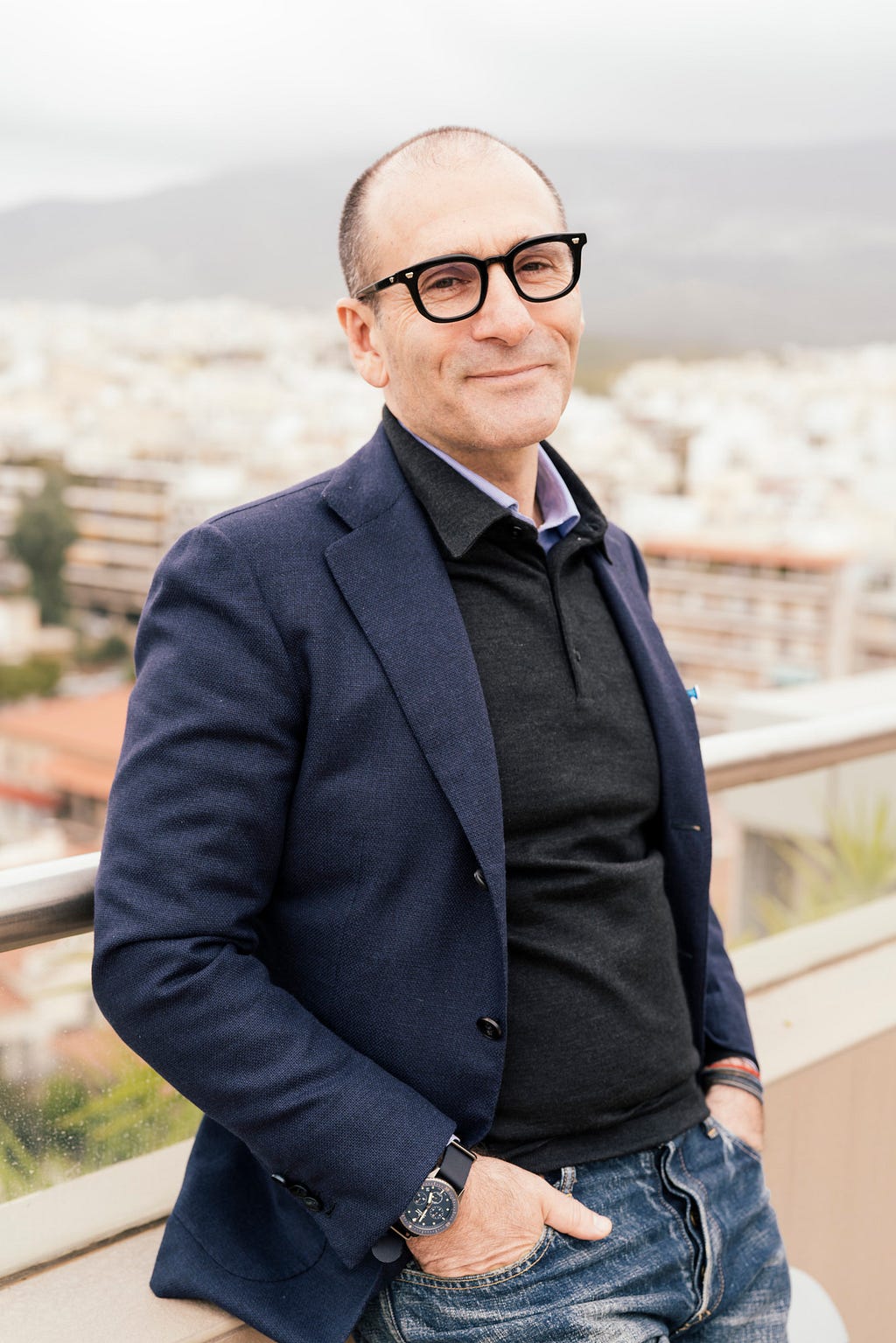
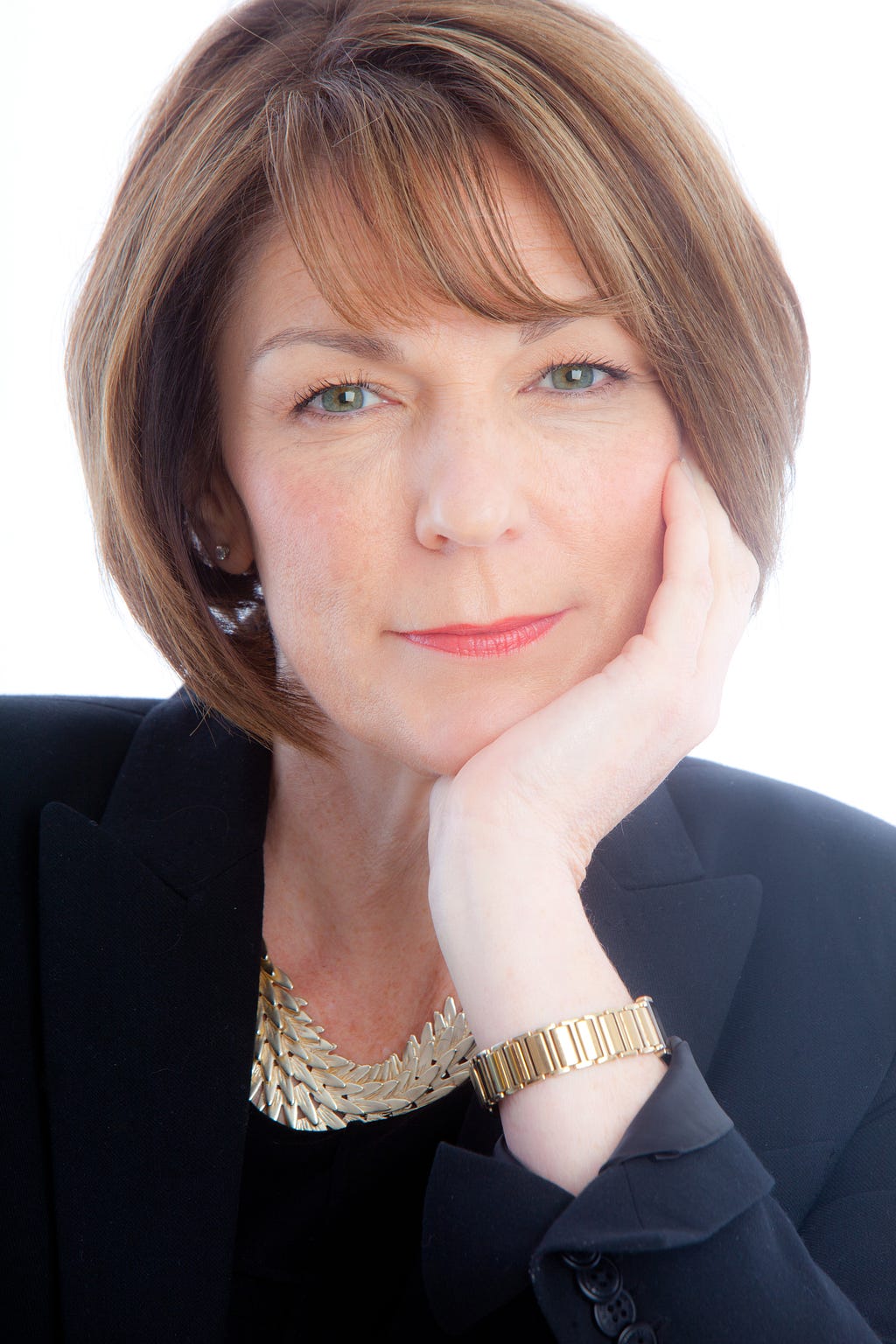
I had the pleasure of interviewing Gavin Tollman. Gavin is the CEO of global guided vacation company Trafalgar and Chariman of The Travel Corporation, the world’s largest privately-owned travel company. He has over 20 years of experience as an executive in the tourism and hospitality business, serving as U.S. President of Trafalgar prior to becoming global CEO. Under Tollman’s leadership, Trafalgar has expanded its trips beyond Europe to include the Americas, Asia, Australia, New Zealand and, most recently, Africa and Antarctica, now offering itineraries in all seven continents that capture the local influence in each place. Having led the company to success over the past 20 years, Gavin keeps a keen eye on the evolving landscape and innovates products to coincide with the ever-changing travel climate, with an emphasis on supporting local communities. Tollman can speak to budding trends in the travel industry, including changing travel patterns to combat overtourism and the newest iterations of experiential and local travel. He can also serve as an authority on the future of the guided travel space, in terms of demographics, destinations, perceptions and the evolution of the guided vacation.
Thank you for joining us! Can you tell us a story about what brought you to this specific career path?
I am a third-generation Tollman in the travel industry. Despite a short stint in banking, I changed paths to join my family at The Travel Corporation, but believe me, the choice was not made for me. It was my decision to work in the travel industry. I am an intrepid traveler, and I jumped at the opportunity to sell travel. This is not a job or a career for me — I love what I do.
Can you share the most interesting story that happened to you since you started your career?
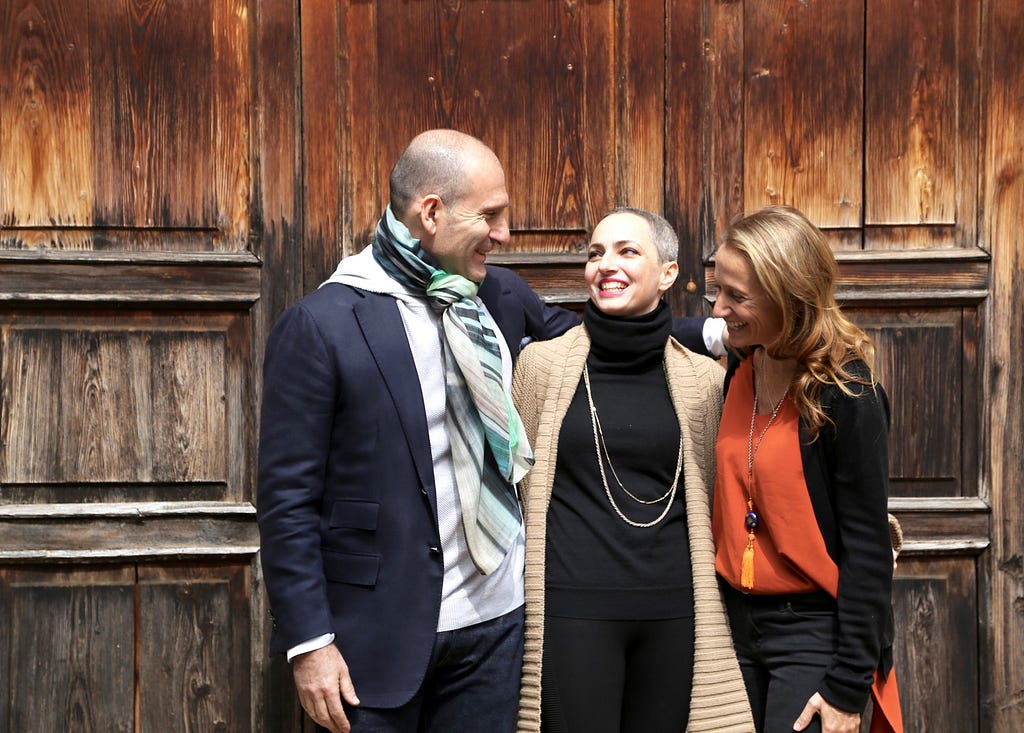
In 2009, in my last year as Director of Global Sales for Trafalgar before becoming CEO of the brand, we identified a need to create experiences where our guests could truly connect with the destinations they were visiting. No one in the world was talking about authenticity and travel at the time, and we looked at that and said yes, this is something we want to and need to do. We began working with the Esposito sisters in Sorrento, Italy, who welcomed our guests into their home over a homecooked meal and limoncello. Breaking bread was the simplest and purest local experience we could offer, and this experience was the beginning of our Be My Guest program, now in its 10th year. We’ve expanded the program to offer exclusive local experiences on nearly all of our vacations, where guests can connect with locals and taste the products of those destinations direct from the source, uncovering a piece of history and meeting the characters who bring these places to life. Authentic experiences like these have turned into a global phenomenon and the base of what our guests look for in travel today, and Trafalgar was at the very beginning of it.
Can you share a story about the funniest mistake you made when you were first starting? Can you tell us what lesson you learned from that?
I’ve pretty much worked in every department within the Trafalgar brand. As my first job during the summer in the mid-80s, I used to transfer guests between the airport and various hotels. One day, a group of guests arrived early in the morning from Australia. I was listening to people but not checking what they were telling me, and I ended up dropping a whole group of people off at the wrong hotel. It taught me that I’ve lived by a virtue of trust, but to always verify and double check behind the scenes — a lesson that still applies to my work today.
What do you think makes your company stand out? Can you share a story?
Trafalgar stands out because of our passion for what we do. We have an enormous responsibility to fulfill guests’ travel dreams and we take that seriously, and that passion permeates our entire business. It is not something we take lightly. Part of the DNA of our brand is putting our guests first. We seek out transparent reviews and implement that feedback. Customers will always tell you what they really believe and so when I look back at every one of my interactions with a customer, those conversations have informed many of our initiatives whether its our commitment to sustainable travel or offering authentic, exclusive experiences.
Four years ago, I was in Venice for one day to see a 20+ group of guests visiting on our Gladiators, Gondolas and Gold family experience trip. When I met the guests one of them came up to me and put his arm around me and said, “Thank you, thank you, thank you!” He told me he was from New Jersey, of Italian descent and traveling with his mom who had grown up in Italy, as well as his two kids and wife to connect back to his Italian roots. The man told me that earlier in the trip the Travel Director, Marco, had realized the town the guest’s mother grew up in was just outside Florence, and that the group would be driving past there. Marco had the driver pull of to the side of the road and he explained to the group what it is like to grow up in a small rural area of Italy. A house nearby saw the coach parked outside and came over to ask what was going on, and the man’s mother told the locals she grew up in the same town. The local family then invited the entire group into their home, organically creating this unique experience. The man thanked me because Trafalgar allowed him to deeply connect with and experience his cultural roots, and more proud moments like these have happened on our other trips as well.
Which tips would you recommend to your colleagues in your industry to help them to thrive and not “burn out”? Can you share a story about that?
Life/work balance is very important. It is very easy to let work take over your life and hard to find time for things you love, but you have to work to build those things into your schedule. I’ve discovered yoga and would recommend that to others, but whether it’s yoga or something else you have to plan for it, don’t wait for it to happen. I also think it’s important for people in the travel industry to realize we are fulfilling travel dreams, but its not a life or death situation (most of the time). We need to cherish what we do and have fun doing it. Finally, surround yourself with people who you want to work with and enjoy spending time with.
None of us are able to achieve success without some help along the way. Is there a particular person who you are grateful towards who helped get you to where you are? Can you share a story?
Without a doubt it’s our Chairman Stanley Tollman. He is my constant source of inspiration as well as a mentor and guide. He inspires me because he is a man who is well into his 80s and wakes up every day driven by service and looking after our clients. Whether he is trying out a new menu at Ashford Castle (a property under Red Carnation Hotels which is owned by The Travel Corporation) to see what our guests will like or looking at Costaver’s (a Trafalgar sister company) rebranding, he listens to problems and lives for solutions. He is the wisest business person in the world and is willing to share his expertise and advice with others.
Let’s jump to the core of our discussion. Can you share with our readers about the innovations that you are bringing to the travel and hospitality industries?
We bring an authenticity to our guests that is not replicated anywhere else in the industry, connecting our guests with people, places and experiences in a robust way that they cannot do on their own. We created an entire way of travel driven around understanding people as individuals and not numbers, in reference to our guests, our destination partners and our travel agent partners. We were also the first in the packaged vacation space, and the first in the travel space to encourage honest reviews and use that feedback to improve our product. Reviews have been transformational for our product delivery, which has caused everyone in the industry to raise their game. We implemented this internally through Feefo Friday, when everyone joins together to read reviews, assess problems and address any issues.
Which “pain point” are you trying to address by introducing this innovation?
One of our greatest challenges as a legacy brand is fundamentally transforming the industry. Trafalgar has been offering guided vacations for over 70 years, so our constant “pain point” is continuing to evolve and continuing to bring our guests the best experiences available to them in today’s market.
How do you envision that this might disrupt the status quo?
The transformation occurring in travelers today is fascinating to me. Travelers will sacrifice other things before they will give up their vacations; people see travel as a given, not a luxury. However, there are still elements keeping people from traveling or from choosing guided vacations — we are careful to stay on top of all of these consumer trends. We recently conducted a study to learn more about what might be keeping people from traveling. A staggering 89% of respondents said travel is enjoyable but stressful and difficult to plan, and 37% felt they didn’t see any ‘real culture’ on their last trip. We offer experiences to combat these negativities surrounding travel, and we will further leverage technology and guest feedback to continue to disrupt the status quo and minimize these numbers.
Can you share 5 examples of how travel and hospitality companies will be adjusting over the next five years to the new ways that consumers like to travel?
1. Incorporating sustainable practices into offerings and letting consumers be a part of that
2. Personalizing experiences for guests
3. Showing they appreciate their guests
4. Interacting with guests on a personal level, with respect, instead of just as a large brand
5. Making sure guests return home enriched by their travel experience
As a travel insider, how would you describe your “perfect vacation experience”?
When I travel, I love to push myself outside of my comfort zone, whether it be with food, meeting new people, etc. I like to do things I cannot do at home, so I can return home having learned from my experiences. I also like to travel immersively, respecting the communities I visit while making sure to provide a positive contribution whether that’s through supporting local businesses or befriending local people and swapping stories of our experiences.
Can you share with our readers how you have used your success to bring goodness to the world?
Integrated into our very own brand DNA is the importance of making a difference through travel. There is nothing that fills me with greater pride than hearing stories from our local partners, like Marta Cucchia, a skilled artisan in Perugia, Italy and the fourth generation of women in her family to run the Laboratoria Giuditta Brozzetti workshop, keeping the ancient art of handweaving alive, and how her business would not have existed had it not been for Trafalgar. It is the 10-year anniversary of our Be My Guest program and we have heard stories like Marta’s from our partners over all the years we have ran this program. We do it with the belief that we are spreading goodness through it. In an environment where travel can be seen as negative, we need to, as an industry, be seen as a force for good, and Trafalgar is leading that charge through actions, not just words.
The Future Of Travel: “Traveling luggage-free is the future” with Ziko Atamuloev and Candice Georgiadis
Traveling luggage-free is the future. Unicoaero provides the end to end solution for airlines to manage and track the mishandled baggage claims and deliver back to the passenger, while passengers can track each stage of their case. This helps to increase the NPS for airlines, and also improves their customer service at the same time.
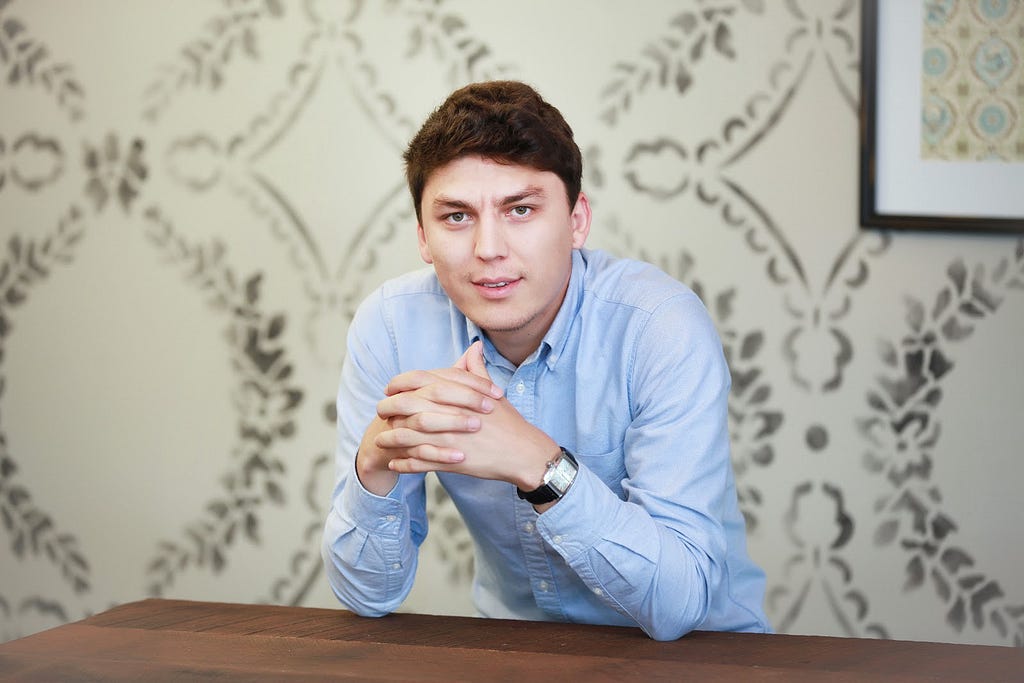
I had the pleasure of interviewing Ziko Atamuloev, the Founder and CEO of Unicoaero. He is a young serial entrepreneur who is passionate about revolutionizing the baggage space within the airline and travel industries, and who is committed to positively transforming the world. He founded Unicoaero in 2016 and currently resides in Sunnyvale, CA.
Thank you so much for joining us! Can you tell us a story about what brought you to this specific career path?
Everything started in 2008 when I was on a trip from Kiev to Prague. I was a student at the time and traveling for a summer school program. My bag was mishandled during that trip.
I didn’t get my bags back for 4 days and had no way to track them at that time. I thought that I was one of the few unlucky people who had their luggage lost, but now I know that I was one of the billions of upset passengers who experienced this unpleasant scenario. I didn’t know at that time, but later on this experience inspired me to revolutionize the baggage space.
Can you share the most interesting story that happened to you since you started your career?
One of the most interesting stories has been the issuance of IATA’s Resolution 753. Our goal as the Unicoaero team was to create a platform where airlines, ground handlers, couriers, and passengers experienced seamless transparency when it came to baggage tracking and handling.
We didn’t know the details about IATA 753 at the time, but we ending up building all of the features directly in our platform that helps airlines comply with IATA 753, which is mandatory for them.
IATA 753 officially came into effect in June 2018. We already had a ready product for airlines to start implementing immediately to comply with the resolution.
Long story short, we built the perfect product at the right time.
Can you share a story about the funniest mistake you made when you were first starting? Can you tell us what lesson you learned from that?
A lot of things have changed since we started, but initially our goal was to build a platform similar to uber for baggage. We were thinking about developing a website where passengers could go and book an order, which helps them bypass the baggage carousel at arrivals on their trip.
But, after learning that this is going to be a very big challenge because of addressing a direct b2c market, we then turned our focus to b2b, which basically means that we help airlines trace and track mishandled bags more efficiently.
This strategy helps us grow the number of airlines and airports we work with, and build relationships with airlines and airports at the same time.
Nevertheless, even during the early days of the project, I would go and meet airlines for a pitch. After closing the deal, when airlines would place orders, I again would go and pick up their bags, and then deliver.
If someone would ask something like, “where is your driver?” my answer would be something like that they are waiting in the parking lot or another excuse.
I was a Unicoman, multi-tasking CEO.
What do you think makes your company stand out? Can you share a story?
Our team and vision definitely make us stand out. Our team has the combination of travel expertise and Silicon Valley. I always wanted my team to be close to the Silicon Valley mindset, but to also understand the travel. The product roadmap that we have built is the perfect path to change the way people travel.
First, we focus on a b2b market and help airlines with mishandled bags and lost and found. This is the end to end solution that will help passengers to bypass carousels and baggage offices in the case that their bag is mishandled.
Also, they can file their mishandled baggage claim remotely. The tracking link will be provided to them so that they track their case and be aware of updates every step of the way. This is the valuable product that helps airlines cut costs and provide better customer service for passengers.
The next step is to provide b2c products which will help billions of passengers to travel luggage-free. Airports are getting smaller but the number of passengers to them is increasing. Our role is to provide door-to-door baggage delivery. That is the vision and how we want to impact the future of travel.
Which tips would you recommend to your colleagues in your industry to help them to thrive and not “burn out”? Can you share a story about that?
The travel industry is very interesting. The market is very big, but the barrier to entry is also high. People don’t understand how difficult is to enter the b2b side of travel industry. Also, when it comes to b2c side of it, there are many tough regulations.
I always suggest focusing on a niche that would target the b2c market, but to also always find the middle man to reach out to the consumer.
The perfect way of succeeding in the travel industry is the b2b2c path.
None of us are able to achieve success without some help along the way. Is there a particular person who you are grateful towards who helped get you to where you are? Can you share a story?
Of course. First of all, let me share a story about how I hired one of our VP of Biz Developers. It was only me and one software developer at the time, so we needed someone who knew how to reach out to decision makers in the airline industry and sell the product.
I reached out to the former VP of Avianca and board member of Star Alliance and asked him if he could be the advisor to the company and later join us when we grow. He was also considering leaving the bureaucratic world of airlines and working on something more dynamic. Therefore, it was a right time for both of us. We reached out to many airlines together to make an important initial impact.
Another story is about my current VP of Products, who joined us when I only had a demo product and 2 airlines who were testing it. He introduced me to Plug and Play, which then invested and helped us close out angel round. Soon after, we had a bigger and team and developed a great product from scratch. I also appreciate Lynn Hampton, a former CFO of MWAA and Catherine Mayer, who used hold important positions at SITA. There are many other people who have helped us to achieve the current success and these people are from the VC world, travel industry and also even government officials.
Let’s jump to the core of our discussion. Can you share with our readers about the innovations that you are bringing to the travel and hospitality industries?
One side of Unicoaero is b2b, which focuses on mishandled baggage and lost and found items. The other side of Unicoaero is Unicobag, a b2c product which provides on-demand baggage delivery from airport to door, door to airport, and the long-term vision is to bring the solution from door to door.
Traveling luggage free is the future. Unicoaero provides the end to end solution for airlines to manage and track the mishandled baggage claims and deliver back to the passenger, while passengers can track each stage of their case. This helps to increase the NPS for airlines, and also improves their customer service at the same time.
Unicobag is a unique product that helps passengers to enjoy every part of their travel experience and never have to carry heavy bags.
Why carry bags with you to downtown, when you can request a delivery right from your hotel in Dubai and get back your baggage directly in your house in LA?
Which “pain point” are you trying to address by introducing this innovation?
Currently, passengers check in their bags at departure and if the bag is mishandled, then in arrivals the passenger has to go to the baggage carousel and wait for the bag which is not there.
After, the passenger has to go to the baggage office, wait in line, and then finally can start to fill out the claim form. After, the passenger goes home and starts waiting for updates about when the airline will find and deliver the mishandled baggage. Are we in 1993? No!
Our product helps the airline to communicate with the passenger much sooner and sends a link to them directly via sms and email. The passenger clicks the link and submits an auto filled form remotely. The tracking link will be provided for the passenger, which will help the passenger to track each stage of the delivery process.
Airlines at this moment just monitor the case, while the software starts tracing the mishandled baggage. When the baggage is found and sent on the earliest flight, the order will be auto created for the courier to pick up the baggage and delivered.
All parties can track every step of the case online. When the bag is delivered, the passenger enters a digital signature on the drivers app, which will close the case at the end. See the difference from the current process of waiting, wasting time, and ending up with frustrated passengers?
How do you envision that this might disrupt the status quo?
We currently have 40 airline users and most of them are expanding to more airports. I believe that any airline that is customer satisfaction is focused will want to use our product to jump to the next level for their own efficiencies and passengers’ satisfaction. We don’t have an airline that started to use the product and left. Passengers should not wait at baggage carousels for something that is not there and airlines should get rid of manual handlings.
This will change and Unicoaero will be the game changer.
Can you share 5 examples of how travel and hospitality companies will be adjusting over the next five years to the new ways that consumers like to travel?
Travel companies including airlines and IT providers like Amadeus are putting efforts to change the travel industry. Many airlines are creating venture arms like JetBlue Ventures, Air Asia, JAL, Israel Airlines, Amadeus, and Sabre, just to name a few.
This shows how the travel industry giants are close to innovation and also to Silicon Valley, specifically to invest in startups that are solving major issues in the travel industry.
JetBlue Ventures is one of our investors — the idea of door-to-door delivery excited them and they wanted to be a part of the Unicoaero family.
Another example is that airlines like Emirates and many others started to think about the travel ecosystem and end to end solutions for passengers and baggage.
You are a “travel insider”. How would you describe your “perfect vacation experience”?
Let’s say that I am flying from SFO to San Juan. My perfect experience would be to check in online. Meanwhile, I request a baggage delivery from my house in San Francisco to my hotel in San Juan.
The airline app tells me the latest time that I should leave my house, so I don’t miss the flight. The app needs to also know the traffic from my house to the airport, the security queue wait time at the airport, and the walking time from security to the gate. One of the major issues at the airport is the security. There are many advances technologies that airports can use which won’t force you to take off your shoes or belts. Dubai is a good example, so this travel experience would also have a similar security experience.
The baggage delivery app and the airline app would be integrated, so I can track my baggage along the way as well. The airline provides fast WIFI, so I can still stay connected. (Note: JetBlue’s wifi is very good).
I arrive, jump into an uber and get to the hotel. The doorbell rings, and I receive my bag shortly after arrival.
Can you share with our readers how have you used your success to bring goodness to the world?
My lesson is to always give back. You can help young entrepreneurs, communities, students, or anyone else that you connect with. Sharing your knowledge really important to any success story.
I would say that the business that we do is not easy, and we also consider it as a social entrepreneurship. We want to be successful, but also to help others. If we are making other people’s lives easier, if we are being able to help people travel easier and with ease, if the question is yes for us, then we are on the right path. Always give back.
You are a person of great influence. If you could start a movement that would bring the most amount of good to the most amount of people, what would that be? You never know what your idea can trigger. 🙂
I would start a critical thinking movement for the young generation. I would also want peace and tolerance for everyone.
Critical thinking may be advanced, but a light version included in education is what millions of kids need today. We want kids to grow up and already know what they want from life. Being educated or having a diploma from an ivy league university does not mean anything anymore. We want a generation of people who know where they belong and how they can make their lives and other people’s lives successful.
“Teach women to ask the hard questions and to be clear about the market rates for their role and the expectations of performance” with Lisë Stewart and Candice Georgiadis
Teach women to ask the hard questions and to be clear about the market rates for their role and the expectations of performance. If they suspect that they are not being compensated fairly, then they need to have the support and training to speak up. In our Cirque du Sophia program, we involve women in practice sessions, to simply become accustomed to asking tough questions and dealing with the reactions. It is possible to raise these concerns in a way that demonstrates market awareness, competency, self-confidence and business savvy.
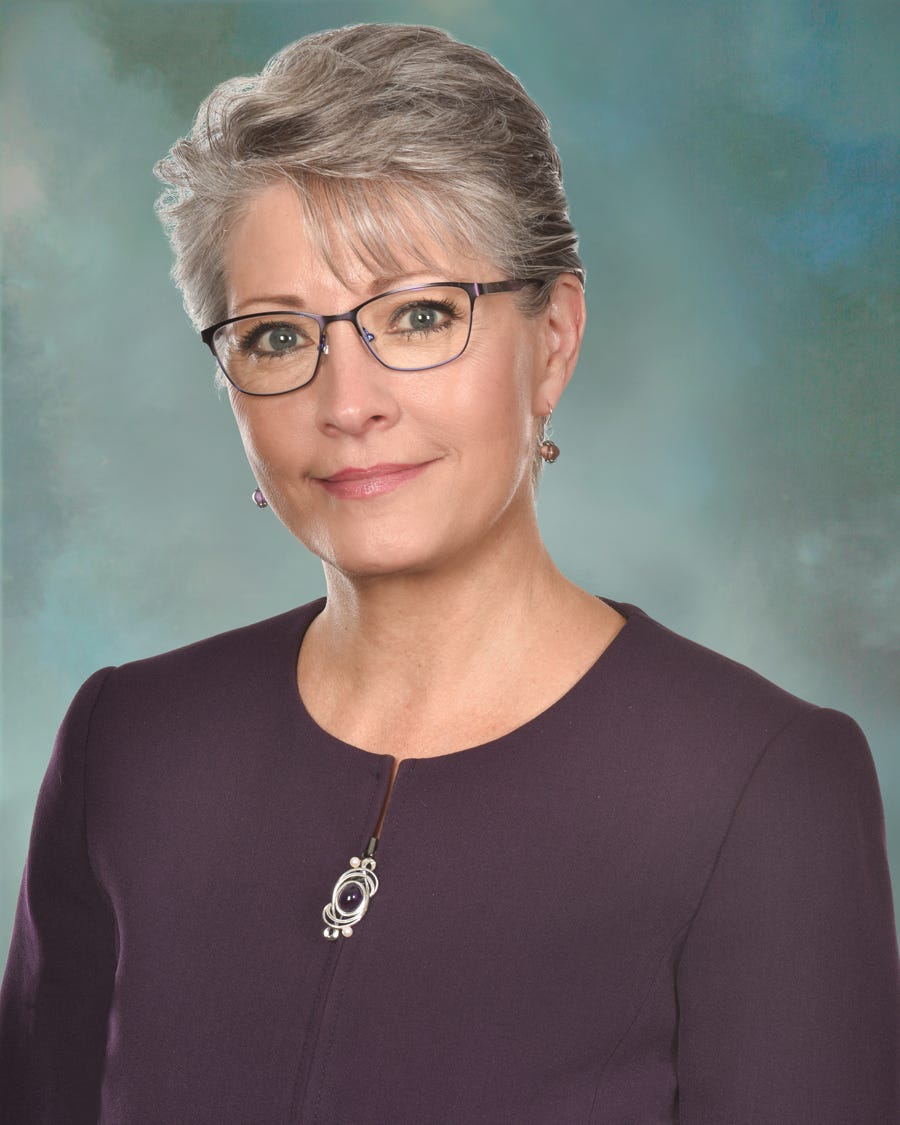
I had the pleasure of interviewing Lisë Stewart, Principal-in-Charge of EisnerAmper’s Center for Family Business within the Private Business Services Practice. She has more than 25 years of experience in organizational development, strategic planning and training, and human performance management. A popular and nationally recognized speaker, Lisë is well known for her advocacy and training for, privately held businesses. She offers case studies, humor and practical, no-nonsense advice to make her information accessible and realistic for clients and participants. Her training is in organizational psychology and small business, and she is the author of numerous articles on organizational and individual effectiveness, and business sustainability. Additionally, Lisë has been a keynote speaker on topics pertaining to small business nationally and internationally for over 25 years. Prior to joining the firm, Lisë was the Founder and President of Galliard International, the largest provider of transition services for small businesses in the country. In 2014, she founded the Galliard Family Business Advisor Institute, a non-profit membership organization for those interested in supporting and saving family owned companies in their local communities. Lisë holds certifications from various organizational development institutions, including the Gestalt Institute’s Certification in Professional Coaching and attainment of Professional Level Certification through the International Coach Federation.
Thank you for joining us! Can you tell us the “backstory” that brought you to this career path?
I started my ‘career’ in the non-profit world in New Zealand. As a gently bossy person by nature, I was leading a number of volunteer organizations and working hard to increase productivity, community impact and volunteer loyalty. Most of the volunteers were women (as is still the case) and yet, many of their husbands were running their own small businesses. These business owners heard about my work through their wives and asked me to do the same for their companies… and a new practice was born.
Can you share the most interesting story that happened to you since you began this career?
One of the most interesting, and often bittersweet, situations arise out of tragedy. In working with women over many years, one of the most rewarding situations has been when a company founder (usually a father or husband) has suddenly passed or become too ill to lead and a women has found herself needing to step into this incredibly important, yet frightening role. Coaching women and watching them blossom, sometimes becoming fully aware of their natural gifts for the first time is a fantastic experience. I have had the honor of working with dozens and dozens of women as they developed their unique, signature style of leadership, found their voice and stepped up to the challenge of running a business, supporting a family and leading a workforce. It is truly a powerful thing to witness.
Can you share a story about the funniest or most interesting mistake you made when you were first starting? Can you tell us what lesson you learned from that?
Early in my career, I worried that I was too young and too inexperienced to run my own company successfully. I started my first business at 24 and my 3rd business at 28. I was keen and excited but green and inexperienced — so I tended to hire older women to guide me. Unfortunately, I was too tentative, and failed to give them feedback or to be really clear about my boundaries. It wasn’t until I had to fire one of these older, more powerful women, that I found my voice. I am not very tall and I will never forget standing face to face with a women who was 20 years my senior and a good foot taller than me and telling her to pack up her things, she was fired. I was terrified. However, I learned that (1) I have a strong set of personal values for which I will not compromise; (2) I have a right to set professional boundaries that support the organizational culture that I want to foster and (3) Older is not necessarily wiser or kinder — those are attributes you must earn and demonstrate, every day.
Even in 2019, women still earn about 80 cents for every dollar a man makes. Can you explain three of the main factors that are causing the wage gap?
I believe that these are old, hierarchical patterns of behavior that need to come out of the dark to be addressed. In this day, I think that too few companies are really assessing their pay scales and are simply following old practices without really giving them much thought. So, one factor is simply ignorance and a failure to examine old practices. Secondly, I think that companies have been able to pay women less because women didn’t question their compensation and it was an easy way to save money. That is changing, quickly. Finally, women still seek to be liked — to get approval from those around her, and will often settle for less. Again, this is changing and more women are finding their voice in the workplace. But until we challenge the status quo, businesses have little reason to change.
Can you share with our readers what your work is doing to help close the gender wage gap?
In our leadership work with women, we help our clients to develop the confidence and tools to question these old practices and to challenge the status quo. We help women to learn new techniques for both demonstrating their value and advocating on their own behalf. We focus on our reactions to conflict, our communication patterns, our common assumptions and our expectations. We have a lot of old patterns to change. We also work with younger generations to point out these inequities and with leadership, regardless of gender, in organizations to call their attention to both the practice and the resulting impacts. If companies want to retain talent, then they must pay attention to compensation, recognition and rewards — for everyone.
Can you recommend 5 things that need to be done on a broader societal level to close the gender wage gap? Please share a story or example for each.
(1) Raise awareness of the issue. In a recent meeting with the leadership team of a west coast company, we asked questions about their compensation policies. They were surprised by the questions and said that they had not reviewed either their policies or practices in many years, if at all. The company had simply grown, organically over the past 20 years with little attention to those types of details. Upon further scrutiny, they discovered that female managers, in several cases, were being paid less than their male counterparts. They were embarrassed and offered no excuses, other than that they hadn’t thought about it and were not sure how it happened. Fortunately, the problem was quickly addressed.
(2) Teach women to ask the hard questions and to be clear about the market rates for their role and the expectations of performance. If they suspect that they are not being compensated fairly, then they need to have the support and training to speak up. In our Cirque du Sophia program, we involve women in practice sessions, to simply become accustomed to asking tough questions and dealing with the reactions. It is possible to raise these concerns in a way that demonstrates market awareness, competency, self-confidence and business savvy. “I am considering my options for the future and I’d like to have some visibility regarding your compensation and professional development practices.” “Can you help me to understand how you ensure that salaries in this organization are fair, equitable and based upon merit and performance?” “What is your philosophy regarding the advancement of women or other minorities in the workplace?” “I am interested in learning more about how you identified the competencies for key roles and how your review and compensation program is working.” “I am concerned that, as a company, we have not had any direct focus on fair and equitable compensation. I’d like to start a conversation about how we can address this.”
(3) Promote more women leaders and teach the importance of advocacy. Because these inequities exist, we need women, in influential positions, to begin to change these patterns. Women need to advocate on behalf of other women, not to provide favoritism, but rather, equality and recognition for performance. Women leaders are not always great champions for their fellow women workers. In some cases, it is such a hard fought battle to get to a senior position and the slice of the pie that is available to women can seem so small, that women may be reluctant to share/promote/advocate for and with other women. These perspectives need to be questioned. A recent study, sadly, indicated that women were more likely to be bullied by other women in the workplace. We need to help women to not just seek a piece of the pie, but rather, to become bakers. We find that, when given the opportunity to design systems and work in fields that encourage collaboration rather than competition, women thrive. As more women move into leadership roles, we need to broaden the conversation about how women can change the design of business, and avoid melding into the old, hierarchical patterns of a male-dominated system.
(4) We need to get better, in the business world, at defining competencies — both behavior and technical — that constitute excellent performance. The more that people understand about what is expected of them and given direct, candid feedback about how well they are meeting those competencies, the better we will be at removing some of the subjective aspects of compensation, recognition and reward. Recently, when working with a successful and well-known family business on the East Coast, we asked why a certain gentleman had been promoted to a senior position. There were several people in the organization who seemed qualified, both male and female. Upon reflection, the CEO admitted that it was because he had been a friend of the family a long time and he would feel guilty if someone else had been promoted. When pressed, it was evident that this man didn’t have all of the skills for the job and that some aspects of the role would have to passed on to other people. Going forward, the company agreed to develop a clear set of observable competencies for every key position and to advance people into roles, or increase their compensation in roles once they could demonstrate those competencies. When we rely on our gut, our personal relationships, or historical practices to guide our decisions, we may not recognize or realize the long-term impacts.
(5) Start early. Young people today are more aware than ever of the challenges that minorities in the workplace, including women, are experiencing — thanks in part to the media. We need to capitalize upon this awareness and desire to change the way we work. Working in the deep south recently, we coached a smart young man, who, in his early 30s was taking over the family business. One of the first things that he did was to begin to question the practices and unwritten policies that his grandfather had put in place when he first started the company many decades ago. Almost immediately he placed his young wife, who was highly capable, in the position of Vice President. He then began promoting other women, most of whom were much older than he was and changing the performance management and compensation policies to reflect true performance as compared to the desired impacts and competencies in the role. This had an enormous impact on the organizational culture, morale among the workforce and the levels of product — all for the better.
You are a person of great influence. If you could inspire a movement that would bring the most amount of good to the most amount of people, what would that be? You never know what your idea can trigger. 🙂
I would like to make conversations about succession and transition planning just as common in the business lexicon as discussions about sales, profitability or ROI. Over the next 20 years, over $10 trillion dollars is going to be transferred as business owners retire, sell or liquidate their businesses. This is going to have an enormous impact on our economy and most certainly on whole communities, particularly in rural areas of the country. With a little planning and a lot more awareness, we can literally change the direction of this economic ‘tour de force’ and help to buoy a sector that provide 40% + of our GDP. When companies actually plan for a transition in leadership or ownership, this opens up more opportunities for women, helps to ensure that practices and policies are fair and equitable and that the retiring generation is financially stable and secure. Let’s change the national conversation and make succession planning as important as business planning.
Can you please give us your favorite “Life Lesson Quote”? Can you share how that was relevant to you in your life?
Deal with the emotional issues before emotion IS the issue. We are forever teaching our clients that the best time to deal with issues that might cause conflict is before they have become important or urgent. For example, if you have certain requirements for a family member to enter the family business, such as the need to get a college degree, then make that they know this before they graduate from High School. If you are going to require a pre-nuptial agreement from those marrying into the family (and family business), then the best time to raise the issue is well before the wedding day! Put plans in place and have these important discussions while family members are young, before you hire key people, before you promote people or make important decisions.
5 Things We Need To Do To Close The Gender Wage Gap: “We need to challenge the unfounded gender biases such as benevolent bias” with Angela Peacock and Candice Georgiadis
We need to challenge the unfounded gender biases such as benevolent bias — the bias of kindness, where I choose to make a decision about your career without ever consulting you. It happens to men when they are making decisions about the careers of women but interestingly it also happens to women when they are making decisions about the careers of other women. This is because we carry the same unconscious programming, we carry effectively the same biases together and this particular one comes out in mysterious ways! The most obvious one is in maternity returners where we perhaps would make an assumption not to send that woman to an area on a project that would take her away from her family. Or not to offer her a project that would mean working late into the night, to assume that she will no longer be mobile because she has a family. Or the most deadly one — to make an assumption that she will most definitely have more time off than anyone else. Until we get to a place where we are making those same assumptions about men who have recently become parents, we are nowhere near being able to alter the assumptions about that stage of a woman’s career that can absolutely destroy her earning capability and so contribute to the gender pay gap.
As part of my series about “the five things we need to do to close the gender wage gap” I had the pleasure of interviewing Angela Peacock. Angela has spent the last 20 years of her career working across the global business sector — from Asia to North America, Europe and South Africa — developing and supporting companies and leaders with their corporate strategies and leadership development. During the last 10 years she and her team have specialized in creating the sorts of inclusive environments where everyone can be heard and excel. She is passionate about getting organizations to understand the link between the creation of inclusion, the achievement of tangible business results and the need to link it back to the people agenda. Angela has a strong reputation in the global inclusion arena and has worked with boards and C-suites across many firms from State Street to Microsoft, Fidelity to Accenture, Lloyds of London to the National Basketball Association. She is an inspiring speaker — using storytelling, hard facts and her history to ensure her messages hit home and are remembered long after the workshop has ended.
Thank you so much for joining us! Can you tell us the “backstory” that brought you to this career path?
My career path has been a rather long and winding road — and one that speaks to both gender balance and socio-economic line crossing in a big way. I was born into a very poor family that had lived in state accommodation for generations. I was an illegitimate child in the 1960s and, at that time in the UK, most mothers left the “unmarried mothers home” without their child. Babies were easy to adopt, especially little white girls with dark curly hair! However, my mum was the only one who left with me firmly in her arms. That was a tough call for her at that time — there was no assistance from the state and her own mother definitely wasn’t keen on being seen with an illegitimate grandchild in the family. So my mother managed to arrange nursery care and worked. In fact, she also bought herself a car — which was incredibly unusual in the UK at that time — and put herself in the bracket of being one of the few women in our small town who drove, let alone owned their own car. I’m not saying times were easy but we had food on the table and I had that very early imprint of a female role model who got up every day, went to work and managed to run her life — and I guess that was the beginning of the back story.
I was raised to read books from an incredibly young age (probably some of them wholly unsuitable) and also to be able to speak to the older people in our town and the younger people just the same. I think that has stood me in incredibly good stead in the work that I do now, dealing with CEOs one minute and discovering what’s really going on with the workers on the shop floor the next. When I was six, my mother married into a family from the East End of London and suddenly we went from the countryside to live in a big city where things were incredibly different. I remember that was the first time I really felt like an outsider — I spoke differently, I knew academically I was streets ahead of most of the others in my class and, to make matters worse, the teacher picked me out as her special example so I was pretty soon bullied, which carried on for most of my school career. My family ‘knew their place’ — they were frightened of anything outside that and, as long as you did a little bit better than your parents, that was considered acceptable. But I always had the rebel in me.
I think through being bullied I learned to stand up for myself but did it with intellectual argument rather than physically fighting with anyone. I was also a great observer of who else was “othered” — viewed and treated as different — during my school years. Typically in the early 1970s the people who were othered were those of different races, people where English was their second language or anyone who was just downright different — allegedly like me. It wasn’t until high school that I really started to get annoyed about the gender imbalances — the subjects that we were allowed to study at school (I still can’t sew a button on and that was the only thing we were allowed to do when the boys were doing metalwork and woodwork) and being taught, albeit subliminally, to behave like a “good girl”. At that time I could enter any debate fairly eloquently and yet it was frowned upon, whereas the boys were allowed to make grandstand speeches and be strong in their opinions. Luckily that wasn’t true of every teacher. With most people who go on to achieve, there is usually a great teacher to be found in the background — and I had two who encouraged me and pushed me on.
However, by the end of school, the bullying had got the better of me and I left school completely unqualified and six months before the official school leaving age in the UK. The only jobs that were offered to me were simple ones and fairly low-level ones and I realised then that, if I wanted to make my mark, I would have to use my confidence to craft my career rather than my non-existent qualifications (something that is seemingly impossible to do these days). Luckily, I had what my father would have called the “gift of the gab” and I was hired by two publications to sell their advertising space over the phone. My ability to talk to anyone at any level and to explain things very clearly must have come to the fore because by 17 I was the best salesperson in the department. I very quickly got married, though, and fell into the regular pattern of building a home and having a child. I still think we fight with this at a corporate level — expectations you subconsciously absorb when you are young will reverberate throughout your life. With the exception of my mother, almost all the women I knew were homemakers and almost all of them were married young with children — and that was the path I followed. I managed to do that for 18 months! When I discovered a passion for arranging flowers and icing cakes, that took over for the next five years. I would create wedding bouquets (again with no qualifications), and wedding and birthday cakes — everything from the Taj Mahal in icing to a recreation of Winnie the Pooh in fondant.
And then at 33 a major change happened. I went on a “women returning to work” program and spent the whole time thinking “I can do this”. I took myself off on an adult retraining program and within six months had met my now business partner and was running team building programs for Sony — firstly in the UK and then throughout Europe. I still think it was my naivety that had me knocking on the door of the general managers of these plants asking them why — when they knew what the problems were — they were leaving their staff to feel the way they did and challenging them to fix those problems because in my simple world it seemed very easy to do.
Can you share the most interesting story that happened to you since you began this career?
I guess my big break initially was when a TV programme was filming at a client’s site where we were running team-building programs, and they came and asked me some questions. This was broadcast to the whole of the UK — I was terribly impressed with myself at the time. The next week, when I attended a conference that the British government was running for “women in business in the Arab world”, as part of my biography I wrote that I had appeared on the Open University TV program. At the conference, I was approached by the organizer — one of their speakers had dropped out and he asked me if I would take the afternoon slot to talk about women in leadership. I remember hiding in the bathroom and frantically scribbling some notes on the back of a piece of paper before taking to the stage, only to find that the woman who had dropped out, and who I was replacing, was a famous sheikha from Dubai and that most of the women in the audience had in fact turned up to hear her speak on women and leadership. I did my best and, at the end of that session, I guess it must have been the refreshing direct approach but my partner and I were asked to go on a tour of the Arab world sponsored by our government and HSBC bank — and the rest, as they say, is history.
We soon moved into mainstream training by hiring some incredibly impressive consultants and trainers into our team. After 10 years of doing that and learning what drives businesses, learning what makes them tick, learning when businesses fail, learning how to motivate staff, learning how to move a culture and to change it and make it stick effectively and also seeing how not to do that, we were asked to begin the first part of our work in inclusion. We were running leadership programs for Cisco and one of the modules was on the “unconscious brain” and the effects it has on decisions we take. I will never forget the day that their head of learning asked me whether we could virtualize the program and whether we could scale it. I’m not sure if I really knew then what it would mean for our organization, but I agreed to both. We left, spent six fiery months ensuring we could do both, and we were off.
Having run that program, we were then asked by several other organizations if we could do the same thing for them. I still believe that it’s not just being “diversity and inclusion specialists” but the combination of being strategists, practical people, people who know how to move cultures forward that makes the difference in this — and, of course, maybe my humble beginnings mean that I have an insight into exactly how it feels to be “othered”. Although with all of this I have to acknowledge that if I had not been born a white woman in those circumstances, the chances are very strong that I wouldn’t be where I am today.
Can you share a story about the funniest or most interesting mistake you made when you were first starting? Can you tell us what lesson you learned from that?
Some years ago, we were working with a global professional services firm and they had hired the Carre Theater in Amsterdam for their annual leadership conference. We’d been asked to bring our acting troupe to the theater and they were staging various sketches and scenarios in the foyer as the delegates arrived in order to demonstrate assumptions and bias that we hold. I arrived at the theater to prepare myself to give the keynote speech later on that morning and it suddenly struck me that I wanted to join in too. So I went off and, in my running gear, made myself look even more scruffy than usual, picked up a vacuum cleaner and started to vacuum around the feet of delegates — in many cases, much to their annoyance, including one woman who tapped me on the shoulder and actually asked me if I realized how very annoying I was being and said couldn’t I do my job once the paying customers had gone inside the auditorium? The whole thing was being filmed and we decided to try an experiment.
We filtered everyone through one of the doors to the auditorium and, still carrying the heavy vacuum cleaner on my arm, I held one of the doors open. Almost 500 delegates walked in past me — with not one smiling, not one offering to hold the door so that I could pass through and not one saying thank you. I went off, got changed, put my make-up on and my suit, and an hour later was on the stage giving my well-known keynote. I had lunch with the delegates and later that day did some active business planning with them. Still nothing… still no-one recognized me. At the close of the session, I once again went on the stage for closing remarks and I’d had the film crew speed up the videoing of the 500 entering the auditorium. We ran this at fast speed with people staring at the screen not really understanding why I was doing that as I began to speak these words: “Sometimes we have to consider who we ‘other’. Sometimes we have to consider who is worthy of our thanks and who is not. Sometimes we have to consider who we believe is less human than us.” Some people had realized by now but others were staring at me as though I had gone mad. When I pointed out that the janitor holding that door was the same woman they had listened to all day, you could have heard a pin drop in that auditorium.
I have done that hundreds of times since then. The most fun is when I actually get changed out of my running gear and into my suit on stage — quite a feat to do discreetly, I can tell you, but always with the same impact. It’s a session that both breaks my heart — in that I have to wonder if I would also walk past and not acknowledge somebody that I didn’t see as worthy — but also sends people off with a loud clanging gong of a message.
Ok let’s jump to the main focus of our interview. Even in 2019, women still earn about 80 cents for every dollar a man makes. Can you explain three of the main factors that are causing the wage gap?
1. We are hiding the bias — behind most of the stated reasons for the pay gap is a group of people keen to preserve a status quo and a business environment that has served them well for years. We need to be explicit about the REAL reasons for the pay gap. The fact that two-thirds of the “privileged groups” in an organization believe that diversity initiatives have no business impact at all — and 60% believe they will be overlooked for their next promotion in favor of a diverse candidate — should not be a secret known only to supporters of diversity initiatives. Facts like this show what a permafrost exists in the management ranks of organizations. Leaders who say the right things but — when their bias comes calling fail to take action to support creating the environment that is needed for pay parity to exist — need to be both helped and “seriously encouraged” to do what needs to be done to move things forward. Part of the reason we have not managed to change things is we have not called out things like this before. We have to now — and loudly.
2. Given point one, we have to shout more loudly about the micro business case for gender balance in general — and draw the line between wage parity and attracting and retaining more females who make it to senior roles. However, grand statements have been around for years and make almost no difference to the permafrost layer of leaders making the decisions. Catch-all words like “innovation” and “matching our customers” are old hat and unlikely to engender anyone to change. Ask managers just what impact having a gender-balanced team environment will make to their business outcomes specifically. Move that conversation to one that highlights the need for an inclusive environment where difference is not tolerated but encouraged to flourish. Have them be specific about just what the impact of this will be on their own business outcomes. What product do they need to innovate? Which market to understand better? Create a culture where a pay gap of any sort will close.
3. Inclusion and diversity need to be defined as two very different things if we’re to successfully close the wage gap. Gender wage gap issues in terms of the “gender” and “gap” parts are measurable and are pure diversity elements. Creating an inclusive environment where everyone with the capability to succeed can do so — that is where the real work needs to be done in order to close the gap. All the rules, policies and process changes won’t work without it.
Can you share with our readers what your work is doing to help close the gender wage gap?
I can tell you what we are not doing — we are not fixing the women. There are many organizations out there running programs that aim to build women’s confidence to make them feel that they can compete with the men and even teach them negotiation skills. If that was going to work, these programs would have impacted the gender pay gap years ago because many of them have been running for 15 years in that way. We do run programs specifically for women, which might sound like a contradiction in terms, but those programs are absolutely geared towards them finding strength in their authenticity and a resilience that will last them through their career — so it’s about building the foundations for their career launch or their launch onto a board. Interestingly, very often on those programs when we run one of the exercises called “ready for the board” — where we take them through strategic development steps and have them present on what their strategic answers would be pertaining to their own organizations — what we hear from the women is “hell I already knew all of this but I would never have spoken this publicly”. It’s almost as if organizations think that top layer, that strategic decision making from executive committee or board, is some sort of dark art that’s a little bit mystical and a little bit hidden. But we absolutely do not aim to fix the women — in fact all our work is about fixing the culture of an organization to make it fit for purpose.
Although there are slight differences in terms of the interceptionality issues, we tend to see the same issues in every single country where we operate. When you see the same thing manifesting in the US that you see throughout Europe and in Asia, you have to strip that back and look at it from a deeper level. And in all of those areas and all of those countries, the overarching work we are doing is letting the genie out of the bottle. We are done with preaching to the choir, we are done with gently trying to encourage, we are actually creating online environments where leaders in organizations are being held to account for what they are doing to change the culture of their organization to one of inclusion — and that means they have to learn to feel more comfortable with people who would have made them feel uncomfortable in specific roles in the past.
So it is very much in the area of bias — but less about having them suddenly come on a workshop that has them “see the light” and recognize their own bias and far more about robust conversations happening in organizations that change the culture away from one that allows the bias to run unsaid and puts it into these other practical things that we need to do. We basically make them talk it out loud and then we ensure we use Thaler nudge theory to ensure that everything they are doing — every time they go to recruit, every time they go into a performance management meeting, every time they think about who they are going to put on a project or work allocation — they cannot even get to the paperwork or the process necessary to do that until they have been through a 30-second nudge. We are trying to interrupt what is a lifetime of thinking, a lifetime of heading towards one solution, and stop it in its tracks. Funnily enough, the organizations that we work with often say: “Are you trying to make me work with people who I haven’t got confidence in to do the job, people I don’t like?” My answer to that is always no — we want you to be able to learn to like more people. In other words, we want you to be more comfortable with more people who you believe are capable of doing the jobs you have on offer, rather than just sticking with the ones that your unconscious, you “instincts”, tell you and make you feel comfortable.
Can you recommend 5 things that need to be done on a broader societal level to close the gender wage gap. Please share a story or example for each.
1. I would absolutely change the way we speak to our children. I think we are kind of getting there with girls but I really do think we need to look deeply at the way we speak to young boys and even the way we describe babies when they are in utero. If you think about it, the minute we know that we are carrying a girl, very often the bedroom gets decorated in a delightful soft pink and it’s all very fluffy and delicate with fairies and flowers and pretty and if it’s a boy then the bedroom is blue and it’s dinosaur themed with trucks or something that is tough and hard and macho. And even during pregnancy there is evidence from Harvard that says when a baby is kicking when you know it’s a girl then it’s having a delightful little dance and if you know it’s a boy then aaargh that’s a big kick — he’s going to be a soccer player and the difference is tangible. And that translates then to what we tell them throughout the early years of their lives. I think we’ve nearly got there now; most girls these days will be very happy to tell you they want to be an astronaut or a lawyer or a firefighter or even the next president but when you ask boys, they are still saying the same things as in the past. Boys in general haven’t yet been given permission to be sensitive, they haven’t been given permission to be the next nurse, rather than the doctor, to be the caregiver — and the assumptions we make that men don’t sew or do crafts or really use the creative side of their being, I think is really, really important. I have a poster at home that talks about the different ways that we talk to boys and girls, and my favorite quote on it is this one: “For every girl who throws out her E-Z-bake oven, there is a boy who wishes that he could find one”. I think that’s incredibly important. Right from the get go we need to be telling both genders that they can do anything they want to. We will not solve the bias that sits behind the gender pay gap if we can’t continue to raise — right from young children — individuals who have sweeping and absolutely not valid biases from one gender against the other.
2. We need to challenge the unfounded gender biases such as benevolent bias — the bias of kindness, where I choose to make a decision about your career without ever consulting you. It happens to men when they are making decisions about the careers of women but interestingly it also happens to women when they are making decisions about the careers of other women. This is because we carry the same unconscious programming, we carry effectively the same biases together and this particular one comes out in mysterious ways! The most obvious one is in maternity returners where we perhaps would make an assumption not to send that woman to an area on a project that would take her away from her family. Or not to offer her a project that would mean working late into the night, to assume that she will no longer be mobile because she has a family. Or the most deadly one — to make an assumption that she will most definitely have more time off than anyone else. Until we get to a place where we are making those same assumptions about men who have recently become parents, we are nowhere near being able to alter the assumptions about that stage of a woman’s career that can absolutely destroy her earning capability and so contribute to the gender pay gap. It’s interesting when you look at the background to benevolent bias and it does seem to stem from our early years — what we saw, whether our mothers worked or not, and indeed the deep programming that a lot of people like me over 50 got from Disney cartoons and things like “I dream of Jeannie” — where, despite the fact the protagonist is a bright, independent woman, she knows she has got to brush her hair, put the sexy clothes on and stay at home and look after the family and play the little wife. Her real work (in this case as a witch!) is hidden in case it diminishes “her man”. We carry these biases with us constantly and they come out in mysterious ways.
3. The other area of gender bias that I think we should be talking about a lot more broadly is intersectional bias. We know that the IWPRS report on sex and race discrimination in combination in the US states quite clearly that we know that discrimination in pay, hiring and promotions has a significant impact on all of the wage gaps that we are seeing. But we also know that very specifically for Hispanic women and African American women the gap is even bigger. When we look at intersectional bias, it’s an interesting thing to see. We sometimes make assumptions when we hear the word bias, that it’s about one specific thing — “I have a bias about women in the workplace.” I don’t believe that it is that. When organizations hire at graduate level, very often it is 50/50. This decreases the higher they climb –intersectional bias comes into play at higher levels. So I can see a woman doing an associate role in a law firm but I can’t actually envisage her being a partner. The bias comes in when we sit in front of a promotion panel and goes back to our early programming of “what a leader looks like”.
4. As a society, we need to ensure people are incentivized to drive the inclusion change that will lead to the pay gap closing. So ALL managers, for example, should be made accountable for driving the change. Targets around promoting greater numbers of females or insisting on a more balanced slate when recruiting are essential. But more essential still is offering a dynamic and measurable system that is linked to performance — where managers HAVE to have made some practical things happen in order to drive the right environment for ALL people to flourish. We need to start aligning inclusion to the things that matter to people — salary, bonus and promotions.
5. In some US states — including California and Massachusetts — employers are not allowed to ask job applicants how much they previously earned. Similar measures are under consideration in a number of other states. These laws to stop “previous salary” questions can help break the cycle of gender pay disparity by removing the link between historic inequalities and pay negotiations. In 2017, when the law was announced in New York, the chair of the NYC Commission on Human Rights, Carmelyn P Malalis, said it was designed to “break the cycle of income inequality” and put an end to women and people of color being “held back by their current or previous salary”.
It’s interesting that we still shy away in general from conversations about wages. Perhaps if we weren’t so polite, we would have women asking men about what they earn and, better still, men asking women — and supporting them to take it up with their employer. Now that would be something!
You are a person of great influence. If you could inspire a movement that would bring the most amount of good to the most amount of people, what would that be? You never know what your idea can trigger. 🙂
I think in a small way I have already started the movement that I’d like to see really take off — under #likemorepeople. It basically works on the basis of acknowledging the assumptions we make about another human. We decide on them just by how they look, sound, the job they are doing, the clothes they wear, the color of their skin, etc. We should stop and ask ourselves two very specific questions — what could we know and what should we know? This gives us a whole plethora of things that we could ask another human being to understand more about them.
I very much believe in reaching humans one by one, changing my mind a little bit every single day, so a movement that gave structure to that in some way would be incredibly powerful. One of the things that we ask the delegates on our programs to do — and that I hold true to myself — is each new year coming up with three questions. Nothing to do with asking someone about their race or where they were born but simple questions where we can meet them halfway. Questions like: What do you usually eat for breakfast? What’s your favorite ice cream? (food is always a good one) What newspaper do you take? What was the most inspiring book you have ever read? What did you want to be when you grew up? What’s the animal that you have owned that you are most close to? Are you a town person? Choosing three every year that you ask strangers is a good one. I have had some amazing conversations with taxi drivers the world over, just by applying that rule — and have discovered authors of seriously impressive books on war history, mature students whose past as refugees has been filled with horror and pain, and inspirational CEOs who are taking a less fervent route to earning a living. All of these things open my eyes and enable me to do as the hashtag says and grow my brilliant brain, diversify my thought processes, increase the neural pathways in my brain and learn to #like more people!!
Can you please give us your favorite “Life Lesson Quote”? Can you share how that was relevant to you in your life?
Usually my answer to that is: “Don’t judge someone because they sin differently from you”. It’s one lesson I live by, accepting that no-one is perfect and that we all have faults and foibles — that we get it wrong. This, though, means living in vulnerability and practicing humility. When I first began this work, I really believed that it was a simple equation — there were good and bad people in the world. Good people did all the good things to drive diversity forward in organizations and bad people did all the things that cause people of difference to have issues making their way in the world. However, very soon I saw layers of complexity around this. Very often the people who inadvertently stand in the way are doing so because of a fear — a fear of change, a fear of difference. We are weird human beings; at one level we seek ultimate connection and at another level we look at a human being and very quickly work out whether they are “comfort tribe” or not. But I also recognize that what I did was to judge people’s life decisions as a representation of how effective they would be in the workplace. I soon came to the conclusion that I am supremely imperfect in every way and that actually that quote which — when I use it on social media gets more hits than almost anything else — is one that we should live by.
We are very blessed that some of the biggest names in Business, VC funding, Sports, and Entertainment read this column. Is there a person in the world, or in the US whom you would love to have a private breakfast or lunch with, and why? He or she might see this, especially if we tag them. 🙂
I would love to meet New Zealand Prime Minister Jacinda Ardern — an incredible woman putting people and their wellbeing and happiness at the center of her government’s decisions. Her pledge that her country will be one where “success is measured not only by the nation’s GDP but by better lives lived by its people” really strikes a chord. And the way she reacted to the terrible Christchurch mosque shootings by reaching out to people at the scene both physically and mentally — just being there to share their pain — was an example to leaders around the world. She behaved in a way I have never seen a prime minister anywhere do before. To my mind, she is the epitome of inclusion.
5 Things We Need To Do To Close The Gender Wage Gap: “We must close the housework gap” with Christine Michel Carter and Candice Georgiadis
To close the gender wage gap, we must close the housework gap. Unlike men, women tend to take on the daily or weekly tasks — laundry, groceries, cleaning, childcare — that can’t be deferred if she wants to work late.
As part of my series about “the five things we need to do to close the gender wage gap” I had the pleasure of interviewing Christine Michel Carter. Featured in The New York Times, Christine Michel Carter is the #1 global voice for working moms. Called “the mom of mom influencers,” “the exec inspiring millennial moms,” and “the voice of millennial moms”, Christine clarifies misconceptions about working mom consumers for brands and serves as an amplifier of their personal truths. From delivering consumer insights and brand marketing content to helping HR and diversity teams attract and retain these hardworking professionals, Christine works with advertising agencies, research firms and companies to ensure they’re at the forefront of the minds of female consumers. Her insights have been included in four books and she is the best-selling author of “Can Mommy Go To Work.” She also contributes to several global digital publications, including Forbes, TIME, Harper’s BAZAAR and Parents. Because of her digital presence and work with mom influencers, Christine was asked by Senator Kamala Harris to support the awareness of the Maternal CARE Act, a personal issue also close to her heart. The creator of Mompreneur and Me, Christine has introduced the first national mommy and me professional development networking event that has garnered the attention of Adweek and Entrepreneur as well as global brands like McDonald’s and Tessemae’s.
Thank you so much for joining us! Can you tell us the “backstory” that brought you to this career path?
My career in marketing started in 2006, when I was the director of marketing for a retailer in Baltimore. I enjoyed providing leadership to and advising the CEO, director of operations, and other stakeholders on effective communication strategies and messages so much, I decided to open a retail marketing firm. Over the years I’ve been labeled a thought leader because I’ve headlined workshops, seminars and panels, instructing, educating and inspiring organizations on successful marketing to black millennials and millennial mom consumers.
Can you share the most interesting story that happened to you since you began this career?
I had a consulting firm because when I was 21 years old, I was told by my then employer no one would ever pay me a great deal of money for my marketing strategies. That I was too young. No other reason. However, I’d already been in management roles and other companies and at this particular company, I provided leadership to and advised the CEO, director of operations, and other stakeholders on effective communication strategies and messages. I left that job because I was told to settle for a low salary just because I was 21. Eight years later I returned to the workforce full time, and was hired with a company making three times the amount of money my former employer told me I was worth. Without that ignorant comment and the support of friends and family, I wouldn’t have had the courage to step out on my own. And because I had my own success as an entrepreneur, my resume was stronger.
Can you share a story about the funniest or most interesting mistake you made when you were first starting? Can you tell us what lesson you learned from that?
When I first began as a consultant, like most women I undervalued my services. My hourly rate was 1/3 of my male counterparts, and as a result it really forced me to work with some… interesting…. businesses. From there I learned that it’s important to research what your competitors are charging, and that’s it’s okay to price yourself out of the conversation.
Ok let’s jump to the main focus of our interview. Even in 2019, women still earn about 80 cents for every dollar a man makes. Can you explain three of the main factors that are causing the wage gap?
The housework gap: Millennial women are working more hours, earning more money and contributing more to household income. But they’re also still doing the majority of the unpaid work at home.
Remote work: A remote job is one that is done away from the office in a remote location. This could be either work done from home, or work done on the road. Not all companies allow employees to work remote.
Flexible work: A flexible schedule is one that allows and employee to work outside of traditional 9am to 5pm business hours, and often goes hand in hand with remote work. Not all companies have adopted a flexible work policy.
Can you share with our readers what your work is doing to help close the gender wage gap?
Due to household responsibilities moms have they have very little time for sponsorship and networking. I know what that feels like. That’s why I created Mompreneur and Me events, which are inclusive parent and child-friendly networking events. Moms no longer need to feel guilty for wanting to focus on their career or for leaving their child to do so- their child is with them at the event and they’re in a room with like-minded women. Plus the events are nationwide and free, which everyone loves.
Can you recommend 3 things that need to be done on a broader societal level to close the gender wage gap? Please share a story or example for each.
To close the gender wage gap, we must close the housework gap. Unlike men, women tend to take on the daily or weekly tasks — laundry, groceries, cleaning, childcare — that can’t be deferred if she wants to work late.
Working moms also need the ability to work from home. It’s been reported remote workers log more hours and are more engaged. Eliminating commuting time would give some of these moms nearly an extra hour of their day back to complete household chores.
Working moms should also have a flexible work schedule. They have a credible reason to request this- they statistically go to work earlier than the average young worker and are more likely to have nonstandard work hours. Keep in mind: a flexible job doesn’t just impact the amount of time a working millennial mom spends with their child, it also affects the mom’s finances, stress levels, health and overall quality of life.
I also think job sharing is a fantastic form of flexible working for moms. It would allow moms interested in becoming mompreneurs a more flexible schedule to pursue passionate work, and for those who have returned to the workforce or for those looking to advance their careers, it provides them with the opportunity to learn new skills and make an impact within their organization.
You are a person of great influence. If you could inspire a movement that would bring the most amount of good to the most amount of people, what would that be? You never know what your idea can trigger. 🙂
It would definitely be my current work with Mompreneur and Me. Though millennial moms say motherhood is an important part of their identity, nearly half say their career is their identity outside of motherhood. So Mompreneur and Me helps mothers in their careers by helping them develop new skills.
Can you please give us your favorite “Life Lesson Quote”? Can you share how that was relevant to you in your life?
Oprah once said that a mentor is someone who allows you to see the hope inside yourself. My kids do that for me. I also do a lot of public speaking and professional development work for teenage girls and I’m so inspired by this next generation of passionate, self-confident #blackgirlmagic.
We are very blessed that some of the biggest names in Business, VC funding, Sports, and Entertainment read this column. Is there a person in the world, or in the US whom you would love to have a private breakfast or lunch with, and why? He or she might see this, especially if we tag them. 🙂
Oprah Winfrey!!!!! (and I’m saying that in my Oprah voice.) I firmly believe it’s not motherhood that keeps us from gaining clarity and launch- it’s being a female. For example, men apply for a job when they meet only 60% of the qualifications, but women apply only if they meet 100% of them. We’re terrified to launch because we’re terrified to fail, but it’s like Oprah said: “you get out of life what you have the courage to ask for.” If you’re not asking- no telling- life you want to empower others and brand your skills, you’re not gonna get it from life.
This was really meaningful! Thank you so much for your time.
5 Things We Need To Do To Close The Gender Wage Gap: “Own your worth!” with Dr. Tana M. Session and Candice Georgiadis
Own your worth! Women must become comfortable negotiating for higher starting salaries and annual increases based on reliable market data and research. Start talking finances with other men and women and share resources and information on salary ranges in your industry. Information is power!
As part of my series about “the five things we need to do to close the gender wage gap” I had the pleasure of interviewing Dr. Tana M. Session. Tana has built a successful career in Human Resources spanning over 20 years, where she has held almost every position available, including 10 years as the top HR executive for multiple organizations. Her experience has enabled her to embed her passion for Diversity, Equality & Inclusion in everything she develops and implements. In 2014, Tana established her award-winning, WMBE-certified coaching and consulting practice, (http://www.tanamsession.com), offering her expertise through speaking engagements, group and 1:1 coaching and Human Resources consulting. She was recently recognized as a Huffington Post “Top Female Expert to Follow,” and in 2019, Tana received her Honorary Doctorate (PhD) degree in Philosophy/Humane Letters. Dr. Session is an international speaker who has spoken at professional events throughout the U.S. as well as Bangkok, Dominican Republic, Cuba and Jamaica. Tana completed her undergraduate degree in Business Administration and her MBA in Organizational Psychology & Development. Recognized by the University of Phoenix as one of its Distinguished Alumni of Southern California, Tana also joined the team of UCLA Extension and California State University — Long Beach as an Instructor/Adjunct Professor. In 2019, Tana was selected as the only MBA alumni in American InterContinental University’s history to speak as the keynote speaker for the commencement ceremony where she shared a powerful message to over 7,000 attendees in Houston and Atlanta. Tana is the author of three books, including the #1 Best-seller Get Your Career Life in Order. Tana has been a contributing writer for Forbes.com and BlackEnterprise.com, and has been featured in Huffington Post, Essence Magazine and on various television, syndicated radio and podcast shows. She is also a contributing Lifestyle Segment co-host for the nationally syndicated talk radio show, “In the Know,” where she shares career and motivational advice. In her free time, Tana likes to travel and spend time with family and friends. In June 2014, Tana and her family relocated from New York to Los Angeles. She now enjoys getting to know her new home state.
Thank you so much for joining us! Can you tell us the “backstory” that brought you to this career path?
I started my career in Human Resources over 20 years ago as an Administrative Assistant. Over the years, I have held almost every position in HR, including the top HR executive for multiple organizations. Today, I am a Human Resources Strategist, Award-winning International Speaker, Author and Career/Life coach.
Can you share the most interesting story that happened to you since you began this career?
The most interesting thing that has happened to me since starting my own business was my trip to Bangkok. I got booked as a speaker at the Annual Women’s Leadership & Empowerment Conference hosted by the Tomorrow People Organization based out of Serbia. It was my first in-person international speaking event, and I learned so much about women around the world. My main takeaway after spending three days at the conference was women are not as different as we tend to think we are, regardless of nationality, religion or race. As women, we face similar issues and concerns around the world. This was truly an inspiring and eye-opening experience for me.
Can you share a story about the funniest or most interesting mistake you made when you were first starting? Can you tell us what lesson you learned from that?
When I first started my consulting/coaching business, I hid behind my corporate name, TMS Business Solutions, Inc. I was used to having my employer’s company name validate me. I quickly learned that would not work for me as an independent consultant. I had one person tell me my company name reminded her of a computer system company. I immediately hired a branding coach and changed to a d/b/a entitled TanaMSession.com, and rebranded my website and marketing materials. I’m so glad I made this pivot early in my entrepreneurial journey, which has made such a positive and well-received change in my business.
Ok let’s jump to the main focus of our interview. Even in 2019, women still earn about 80 cents for every dollar a man makes. Can you explain three of the main factors that are causing the wage gap?
Here are three main factors I feel have caused the wage gap through the years:
1. The “Off Ramp” has been a major setback for most women as it relates to advancing their career and their salaries. Since women have historically been the primary caregivers for children, maternity leave has oftentimes stalled their careers. While the women were out on maternity leave or took extended parental leave, staying out of the workforce anywhere from six weeks to one or more years, their male counterparts have been promoted and received their full annual merit increases and bonuses. Most companies will prorate the annual merit increase and bonus for any employee who Is out on a leave of absence during the performance year, resulting in the increase and bonus being reduced by the number of months the employee was not working. This gap can broaden based on industry and occupation.
2. Women are by nature nurturers. This has hurt women when it comes to negotiating their salaries and increases. Negotiating is not a skill many women are good at or comfortable doing when it comes to their salary.
3. Gender discrimination and the intersectionality of gender and race discrimination has also played a role in the gender wage gap. For example, on average, black women earn $.63 on the dollar of white men, which is $.17 less than their white women counterparts.
Can you share with our readers what your work is doing to help close the gender wage gap?
Through my work as a Career Coach and International Speaker, I provide women with strategies to successfully negotiate salaries for new jobs and promotions, and how to position themselves for higher salary increases and bonuses in their current positions. My female clients have experienced up to 35% increases in their salaries by implementing the strategies we developed, starting with knowing how to own their power and their worth.
Can you recommend 5 things that need to be done on a broader societal level to close the gender wage gap? Please share a story or example for each.
1. Own your worth! Women must become comfortable negotiating for higher starting salaries and annual increases based on reliable market data and research. Start talking finances with other men and women and share resources and information on salary ranges in your industry. Information is power!
2. Whenever possible, do not disclose your current salary to a new employer during the interview or salary negotiation process. If you are currently underpaid, your new employer may offer you a lower salary than they budgeted for the position because their lowest offer may still be a significant increase over your current salary. There are several states who have made it illegal for employers to ask about current salary prior to making an offer to help decrease the wage gap for women and minorities.
3. Women should raise their hands for new and bigger projects to gain leadership experience and exposure to decision-makers. This will take some strategic self-promotion skills, but it is necessary to help elevate your career and your salary. Also, actively seek out promotions or new positions even if you do not have all of the listed requirements for the job. Men do it all the time!
4. Organizations should conduct regularly salary audits for all positions and compare female employees’ salaries against their male counterparts who are in the same job with the same or comparable responsibilities, experience and education. The numbers don’t lie! Put a plan in place to bring women’s salaries in alignment with their male counterparts, even if the increases have to be incremental over a 6–12 month period. Openly sharing the salary audit results and adjustment plan with employees will help boost employee engagement while holding the organization accountable along the way.
5. Organizations should regularly review the diversity, equality and inclusion of their leadership teams to ensure they are hiring and promoting the best person for the job. Also, review market data to ensure salary ranges are meeting local job market demands. This is a good time to make internal salary adjustments to current staff’s salaries to ensure internal equity and to help all employees remain competitive with the external job market.
You are a person of great influence. If you could inspire a movement that would bring the most amount of good to the most amount of people, what would that be? You never know what your idea can trigger. 🙂
The mission of my work is to help change the lives of 1 Million women and the men who love and support us. My movement is “Stop Being the Best Kept Secret ®” where I work with indivduals to help them move past historical and generational trauma and learn how to own their power, truth, healing, worth and destiny. The breakthroughs they have experienced in both their professional and personal lives have been my reward for the work I do.
Can you please give us your favorite “Life Lesson Quote”? Can you share how that was relevant to you in your life?
My favorite “Life Lesson Quote” is “Rent your title, but own your character.” At the end of the day, I want to be remembered for how I served others and made a positive impact in their lives. Titles can be taken from you, involutarily or voluntarily, but your character and what people say about you when you’re not in the room is what will stand the test of time.
We are very blessed that some of the biggest names in Business, VC funding, Sports, and Entertainment read this column. Is there a person in the world, or in the US whom you would love to have a private breakfast or lunch with, and why? He or she might see this, especially if we tag them. 🙂
The one person I would love to have a private breakfast or lunch with is Bozoma Saint John. I have admired her from afar for years. Her authencity and ability to be unapologetically black throughout her career for Pepsi, Apple, Uber and now Endeavor has been inspirational to so many women of color. Her energy and spirt flow through her online presence and her keynote speeches. The way she shows up and supports her squad is also admirable. During our breakfast or lunch, I would like to learn more about her personal journey to truly owning her power and worth in corporate America, and hear her thoughts on what I can do to scale the work I’m doing to grow my brand and business and serve more people. Not to sound cliché, but of course Oprah Winfrey would be my second choice in case Bozoma is busy that day.
This was really meaningful! Thank you so much for your time.
5 Things We Need To Do To Close The Gender Wage Gap: “Allow salary information to be shared” with Shanna Hocking and Candice Georgiadis
Allow salary information to be shared — Many companies require employees to keep salary information confidential and they can penalize employees for speaking openly about their salaries, which limits women’s ability to understand when there are parity issues. One respected leader in my field told me her actual salary figure to give me a sense of what the market offers. Even more than the number, her candor made quite an impression on me. She told me: “We all rise together as women.” In turn, I have shared this with other women I have mentored through salary negotiations to help prepare them with the information they need to be successful.
As part of my series about “the five things we need to do to close the gender wage gap” I had the pleasure of interviewing Shanna Hocking. Shanna is the Associate Vice President, Individual Giving at the Children’s Hospital of Philadelphia, providing strategic leadership and direction to a team of 35+ across annual, major, planned, principal, and international giving. Previously, Shanna was the Senior Director of Major and Planned Gifts at the Wharton School at the University of Pennsylvania, where she led the major and planned gifts program, and served as a senior fundraiser for the institution, engaging alumni primarily in New York City and London. In addition, she developed and directed Wharton Women in Leadership, an initiative to engage senior executive alumnae as volunteer and philanthropic leaders with the School. She previously worked in development at The University of Alabama, Duke University, and the Jewish Theological Seminary. Shanna frequently speaks, writes, and serves as a podcast guest on the topics of leadership, fundraising and career development. She has been published on Fast Company, The Huffington Post, Career Contessa, Forbes, and Motherly. Shanna’s expertise has been featured in the Harvard Business Review and Thrive Global. Shanna received a B.A. in Psychology from Columbia University and a B.A. in Modern Jewish Studies from the Jewish Theological Seminary. She is a Certified Fund Raising Executive (CFRE).
Thank you so much for joining us! Can you tell us the “backstory” that brought you to this career path?
At 18, I knew I wanted to have a career in fundraising. I staffed an event for my alma mater where a donor honored his mentor with a gift to the university and I knew then I wanted to help create these opportunities to transform ideas, people, and places through philanthropy. I started as a development intern in college in the regional office for my alma mater. Over the last 18 years, I built a career in higher education fundraising and transitioned two years ago to academic medicine fundraising. Today I am the Associate Vice President, Individual Giving at Children’s Hospital of Philadelphia, and I am also a speaker, writer, and podcast guest on the topics of leadership, fundraising, and career development.
Can you share the most interesting story that happened to you since you began this career?
One of the most wonderful things about fundraising is that my career is all about people’s stories — what motivates them, what they want their legacy to be. I have been privileged to meet many wonderful people, including celebrities. It has been especially joyful to meet many book authors who have inspired and influenced me, both in my work and in my own writing.
Can you share a story about the funniest or most interesting mistake you made when you were first starting? Can you tell us what lesson you learned from that?
Early in my career, I had a big first meeting with a donor who had capacity to make a significant gift to the institution. After 10 minutes, he asked, “What can I do for you?” His candor caught me off guard. I mumbled something about being grateful for his time and that we hoped to get him more involved. He gave me the opening and I hesitated. Because I was afraid to ask, I missed an opportunity. I could have let that experience intimidate me; in this instance, it could have changed my career path. Instead I realized asking itself was my opportunity to serve others. Many years later, I coach every new gift officer I work with to anticipate and respond to this question. By being vulnerable about my own mistakes and teaching my staff to be prepared, I channeled fear into positively supporting others.
Ok let’s jump to the main focus of our interview. Even in 2019, women still earn about 80 cents for every dollar a man makes. Can you explain three of the main factors that are causing the wage gap?
The gender wage gap is complex and the result of many factors. I would suggest that three of the factors are: some male-dominated occupations pay significantly more than industries or roles that mostly employ women; women are expected to behave differently when it comes to certain work behaviors, such as salary negotiations; and bias against working mothers. Recent research studies from Princeton and Harvard, on women around the world and in America, have both shown there is a “motherhood penalty” — women earn less after the birth of their first child.
Can you share with our readers what your work is doing to help close the gender wage gap?
As an individual, I coach women to prepare for salary negotiations, I write and speak about the importance of women being able to ask for what they want, and I spend time considering the role that unconscious bias plays in hiring and negotiation.
Can you recommend 5 things that need to be done on a broader societal level to close the gender wage gap. Please share a story or example for each.
1. Promote women’s financial security — Women need additional training on salary negotiations (that account for bias against women). Many organizations have started to offer coaching for women, but they are not broadly available. In addition to understanding how to ask for a raise or negotiate a salary, women could also benefit from money management training, which has historically been something that men were expected to do.
2. Eliminate the motherhood penalty — Women are perceived to be less committed to their jobs when they have children. This bias, in addition to the significant challenges in managing a successful career and home life, can contribute to why working mothers choose to leave the traditional workforce. I have experienced this bias throughout my career, once being told in an interview that I wouldn’t be recommended for the role, because I had a family at home — not because I didn’t have the requisite experience or potential to lead.
3. Consider salary transparency — This can mean many different things, whether publicly posting all salaries, being forthcoming about salary information in interviews, or committing to pay men and women equally. Many states no longer allow employers to request previous salary history, which has historically contributed to the gender wage gap.
4. Allow salary information to be shared — Many companies require employees to keep salary information confidential and they can penalize employees for speaking openly about their salaries, which limits women’s ability to understand when there are parity issues. One respected leader in my field told me her actual salary figure to give me a sense of what the market offers. Even more than the number, her candor made quite an impression on me. She told me: “We all rise together as women.” In turn, I have shared this with other women I have mentored through salary negotiations to help prepare them with the information they need to be successful.
5. Create affordable childcare options — When a family has to make a choice between paying the cost of childcare or staying home to care for children, this can affect the ability for parents to contribute financially to the family or advance their careers. This isn’t a women’s issue, but caregiving responsibilities have often fallen to women.
Unfortunately, it is not likely that the gender wage gap will disappear any time soon. These are suggested efforts to help us get closer to our goals. For there to be any significant changes, many of these efforts would have to be done together, rather than considering any one on its own.
You are a person of great influence. If you could inspire a movement that would bring the most amount of good to the most amount of people, what would that be? You never know what your idea can trigger. 🙂
My goal is to inspire a movement to “Be yourself boldly” — intentionally putting your truest, best self out there, because the world needs you.
Can you please give us your favorite “Life Lesson Quote”? Can you share how that was relevant to you in your life?
Luck is when preparation meets opportunity. Women, in particular, often credit their success to “luck”. Saying that things occur solely by chance discredits the role you play in making magic happen. You worked hard to get where you are and you should proudly share that with others. I think about this often in terms of how I can best be prepared. Most importantly, when the door is open, will you walk through? Recognizing opportunity takes courage.
We are very blessed that some of the biggest names in Business, VC funding, Sports, and Entertainment read this column. Is there a person in the world, or in the US whom you would love to have a private breakfast or lunch with, and why? He or she might see this, especially if we tag them. 🙂
I’d love to have lunch with Amy Nelson, Founder and CEO, The Riveter. I admire her commitment to helping women be successful at work, her own efforts to reduce the gender wage gap, and scaling the “maternal wall”, as she calls it.
This was really meaningful! Thank you so much for your time.
The Social Impact Heroes of Social Media: “Collaboration Over Competition” with Heather Heuman and Candice Georgiadis
Collaboration Over Competition — I learned early on in my first business that some people find your energy, excitement and thinking outside the box as competition and don’t make you feel welcome. I allowed for this to dampen my drive when I was first starting out. I have since realized that there are indeed people that also believe in the power of collaboration. Continue to put out into the world what you want to see more of and you’ll attract more people that are excited when they meet someone doing great things.
As a part of my series about social media stars who are using their platform to make a significant social impact, I had the pleasure of interviewing Heather Heuman, the CEO of Sweet Tea Social Marketing, host of the ‘Business, Jesus and Sweet Tea’ podcast and founder of Social Thrive Business Academy where she helps Christian business owners grow using social media marketing. She is an international social media speaker, strategist and consultant that specializes in helping businesses and brands discover how to grow in today’s noisy social marketplace with solid social media strategy that gets people to stop scrolling. Heather has worked with clients like Chick-fil-A, Wilson Sports, Chambers of Commerce and global brands during her 19 years in the digital marketing space. Heather lives in South Carolina with her husband and three kids and is the biggest fan of sweet tea you’ll ever meet!
Thank you so much for doing this with us! Can you tell us a story about what brought you to this specific career path?
Although I thought I was going to be a teacher inside the walls of a special education classroom as my career, circumstances quickly landed me on a different path. After needing a job quickly after a terrible personal devastation in my life in 1999, I found myself in Hilton Head Island, South Carolina as the Customer Service Manager at a local grocery retailer. The work was fine, but I was not in love with working crazy hours and holidays and found myself taking a $15,000 pay cut so I could work at a digital marketing agency as their office manager during regular weekday hours. Little did I know that this career change would be a huge pivot in my career, for the better. Over a two-year timeline, I was promoted to Project Manager and then transitioned to become a web designer and then later a graphic designer. This was the foundational bedrock for my love of digital marketing as you and I know it today.
Can you share the most interesting story that happened to you since you began this career?
I wish I could tell you my most interesting story didn’t impact my bank account, but it does. Last year I found myself chatting on the phone with someone that had been referred to me on Facebook by an online mentor. That referral led to them becoming a client and I made $72,000 of income as a result of that one phone call in a 9-month window for my consulting and done for you services. This was transformational in my life and continues to solidify to me the power of social media marketing for business growth and why my new book, The Golden Rules of Social Media Marketing, was so exciting for me to write to get practical strategies out for others to use to grow their businesses too.
Can you share a story about the funniest mistake you made when you were first starting?
Can you tell us what lesson you learned from that? For those of you that remember ICQ, it was one of the original instant messenger platforms and we used this as a regular means to communicate within the office at the digital marketing agency. I remember one afternoon messaging my co-worker and friend Melissa in the office about something completely not work related like going to her apartment at lunch and watching HGTV and I accidentally sent the message to the CEO. The lesson I learned from this was to always double check before sending texts, emails and messages to people.
Let’s now jump to the core focus of our interview. Can you describe to our readers how you are using your platform to make a significant social impact?
My heart weighs heavy for the causes of human trafficking and fostering/adoption. And since I have been in business I have made it a top priority to use my social influence for the good of making a global impact among these areas. I donate 50% of the proceeds from a digital summit I created to help in fighting human trafficking. The course is ‘How She Built It: Growing Your Business Without Sacrificing Your Faith and Family’ and was specifically designed to help Christian women growing businesses. Additionally, 10% of the proceeds coming into my company are being donated to assist with fostering/adoptions throughout the United States. My husband and I are right now in the process of becoming foster parents and I’m leveraging social media to talk about that journey to foster. Our hope and prayer is that we share candidly about the journey to make it less scary for others that might be curious and serve as an outlet for them to hear from someone else that is walking in that journey. Too many times people shy away from these issues on social media, but the reality is, when people that have a heart for kindness and helping talk about the topics needing to be addressed, people are often times more willing to listen. Fostering/adopting may not be for every family, but if one family is inspired by our journey we will feel talking about it and using my social influence would be well worth it.
Wow! Can you tell us a story about a particular individual who was impacted by this cause?
A family we know in South Carolina moved to Thailand summer 2018 to be the feet on the ground helping to fight human trafficking. They were willing to leave the comforts of their lives here in America to move across the world for this cause near and dear to my heart. So it was exciting for me to be able to send them a donation from the proceeds of my ‘How She Built It’ summit last year to aid in their journey of helping young girls and women in the red light districts of Thailand.
Was there a tipping point the made you decide to focus on this particular area? Can you share a story about that?
There are so many struggles and areas of possibility to give back to the world but I felt these two areas as ones to focus on. The human trafficking topic is something I started to learn more about in 2011 and as a mom of three young children, it truly breaks my heart to even believe this is an issue we have throughout the entire world. When it comes to fostering/adopting, I can’t really say anything in particular happened, aside from watching and loving the movie Annie as a young girl, other than that it has been heavy on my heart since I was a teen and I consider it a joy to help where I can.
Are there three things the community/society/politicians can do help you address the root of the problem you are trying to solve?
1) More Empathy- I think that we as a society often times look at everything from a selfish perspective and we lack empathy for others.
2) Be Kind — Conflict will arise but how we handle ourselves when we’re in conversation with others and doing life could use a heavy dose of kindness for all human beings.
3) The Golden Rule — Treat others the way you would want to be treated. When this is taken into consideration, we would not have many of the issues we have in the world today.
What are your “5 things I wish someone told me when I first started” and why? Please share a story or example for each.
Business isn’t easy but it certainly is worth it when you are showing up and making an impact for your family to have the life that allows the freedom and flexibility you crave but also allows you to make an impact on the community around you. Here are the 5 things I wish someone told me when I first started:
1) Collaboration Over Competition — I learned early on in my first business that some people find your energy, excitement and thinking outside the box as competition and don’t make you feel welcome. I allowed for this to dampen my drive when I was first starting out. I have since realized that there are indeed people that also believe in the power of collaboration. Continue to put out into the world what you want to see more of and you’ll attract more people that are excited when they meet someone doing great things.
2) Comparison is the Thief of Joy — I am extremely motivated and driven to do well in the things I aspire to do and this holds true in business as well. Because I enjoy growing and pushing myself I found that I would start looking at how someone else was doing in their business and it would lower my own drive to keep going. When I realized that the person I needed to be comparing myself to was me and my journey, it became so much easier to not only keep focused but also seeing the small wins.
3) Growth Requires Strategic Action — If you spend so much time learning and not enough time implementing it is very easy for the vision to feel like it isn’t getting any closer. And it is also quite possible to be doing activities that aren’t going to actually bring you closer to your revenue generating goals. Therefore, make sure that your efforts you are focusing on are directly tied to your business growth goals and do those smart actions in your business.
4) Be the Hot Fudge Sundae in the Midst of the Vanilla Ice Cream Cones — I’m one of the first people to tell you vanilla ice cream is quite tasty and it isn’t boring. But, my point here is that among all the people that do what you do, your customers are looking for their person to help them with exactly where they are right now. When I first started my second business in 2014, I was focused on helping any business owner that needed help with their social media marketing. But the more clear I got and the more focused I got on my vision, I realized I had a calling to serve Christian business owners and brands that were wanting to not only improve their social media marketing but that also wanted to make a kingdom impact. When I made this shift in my business in 2015, it not only allowed me to stand out among all the people that are social media strategist, but it allowed for me to be the ‘go-to’ for Christian brands and leaders. When you are brave enough to know who you are and who you aren’t, you make it that much easier for your customers to know you are the ideal person to help them with what they need.
5) Being Vulnerable is a Sign of Strength — The world may make you feel the opposite. It may make you feel you are weak when you show emotion and become vulnerable, but I know that when you lean into your heart and you speak from the truth and experiences of your life, it makes you more human. No matter what people say, no matter what marketing done well may feel like to you, people connect with people. Sharing in your business and messaging about adversity, hardships, triumphs and grit allow for people to know you care and the values that drive your mission. At the end of the day we all have a choice on how we choose to be vulnerable with our team, with clients, with our family and with community. Lean into the story you have and realize you can be vulnerable and share those pieces of your life in your business and the circumstances of your past doesn’t define you. How you choose to live despite them does.
You are a person of enormous influence. If you could inspire a movement that would bring the most amount of good to the most amount of people, what would that be? You never know what your idea can trigger. 🙂
If I could inspire a movement it would be called Courageous Kindness. The world needs more people that are willing to just be kind. It is easy to love and be kind when others make us feel they deserve it or treat us exactly as we would like to be. Yet, we live in a time where people are hurting on the outside and lashing out,but look like everything is fine on the outside. My Courageous Kindness movement would empower people to treat others the way they would want to be treated, to demonstrate kindness unconditionally and to know that a smile and friendly tone can go a long way regardless of religion, race, sexual orientation, ethnicity or gender.
Can you please give us your favorite “Life Lesson Quote”? Can you share how that was relevant to you in your life?
My favorite life lesson quote is “A fool takes no pleasure in understanding, but only in expressing his opinion.” This quote comes from Proverbs 18:2 in the Bible and has been a great encouragement to me to make sure that I keep an open ear and a willing heart to hear how other people feel, even if it is different from my own. It is so easy to separate the person from the topic, but when we realize at the end of the day we’re all part of the human race, I’d like us to be able to unite despite races, places of diversity and faith on a human level, something we can have connection on.
Is there a person in the world, or in the US whom you would love to have a private breakfast or lunch with, and why? He or she might just see this, especially if we tag them. 🙂
I would love to have a private breakfast or lunch with Marcus Lemonis as he has been one of my biggest inspirations to my business journey as an entrepreneur. His adoption journey he shares on the wildly successful show The Profit helped me have a human connection with him as fostering/adopting is something that has been heavy on my heart since I was 15 years old. Having an opportunity to sit and talk to him about his growing up in Miami and business strategy would be an absolute dream.
How can our readers follow you on social media?
Thank you so much for asking. It would be wonderful to connect with your readers on social. Seriously, social media is my jam and happy place. It is the bedrock of the two businesses that I’ve created and grown from scratch.
“We are seeing this “wellness” trend integrated into the guest experience not only in food offerings, fitness and amenities, but also in the room itself” with Andrew Simmons and Candice Georgiadis
These trends in F&B have also adapted to a broader theme of “wellness.” This can be seen in the healthier food options and in how the local farm/fresh has become the new focus for a lot of brands. We are seeing this “wellness” trend integrated into the guest experience not only in food offerings, fitness and amenities, but also in the room itself. Rooms are trending towards a cleaner and smarter design, often including everything from water and air purification systems to therapy-designed lighting systems to aid in relaxation and stress reduction — all parameters and specifications are set by the guest via an app.
I had the pleasure of interviewing Andrew Simmons, the Director of Hospitality Studio for Nadel Architects. Andrew has experience in both domestic and international markets with projects ranging from “new build” hospitality and mixed-use projects to “renovation/re-purpose” in multiple markets in a variety of scale. He has over 24 years of experience and eight years in the Las Vegas market specifically. Some of the hospitality clients Andrew has worked with include: Hyatt, Starwood, Hilton, Marriott and Wyndham Grand. Over the course of his career, many of the projects Andrew has worked on have received international design awards and recognition. His experience shows him to be a proven leader and dedicated to solving complex problems by using creative thinking while effectively balancing client needs.
Thank you so much for joining us! Can you tell us a story about what brought you to this specific career path?
I have been interested in architecture since childhood, from playing with Legos to becoming fascinated with castles in my early teens. Initially I had plans of going to the Air Force Academy as a sort of competition between one of my buddies who wanted to attend West Point; our family moved and the appointment process stalled, so I decided architecture is as cool as flying planes.
Can you share the most interesting story that happened to you since you started your career?
I was lucky to start my career working for John Portman in the early 90’s to around 2005. It was a great time to be a young designer working for an International firm traveling to Asia, the Pacific Rim and Eastern Europe doing big iconic projects. I have been lucky to visit and explore a lot of cities and cultures in the early days of transition to global trends. There are lots of stories about being a young architect seeing the world, meeting new and interesting people, and having some good times — but that’s probably a whole new series of interviews.
Can you share a story about the funniest mistake you made when you were first starting? Can you tell us what lesson you learned from that?
I was working on a Hotel project (Westin) in Warsaw, Poland that was right next to the old WWII Ghetto District. We were pushing to get a signature building element into the project and the contractor was getting a little irritated with my efforts. At the end of the meeting he said (in a Swedish accent) “we don’t have time for your damn glass tube Andrew, we are trying to remove all the unexploded bombs we are finding without killing anyone.” That’s when I realized, it’s just architecture and we’re not in the losing lives business, but I did get my “glass tube.”
What do you think makes your company stand out? Can you share a story?
Nadel is a very diverse design firm covering many markets and project typology. We often work on multi-family, retail and hospitality components individually or together as a mixed-use development. We have multiple experts in the field with vast experiences. This enables us to have a holistic involvement in planning as well as expression. The project not only gains efficient planning and programmatic adjacencies but also establishes a unified vision in terms of design and the quality of details. A good example would be our San Leandro waterfront development consisting of a 200 key Duel Branded Hotel, 300-Unit multi-family apartment building and multiple destination restaurants and event/amenities area.
Which tips would you recommend to your colleagues in your industry to help them to thrive and not “burn out”? Can you share a story about that?
Architecture is fairly unique in terms of an occupation because it’s a bit disjointed. It is controlled by the laws of physics, while also being completely subjective and unfortunately sometimes controlled by “trends.” I think the process of “cut and paste” design can be a big disservice to the industry and to a creative soul. I’ve always been a fan with the creativity of thought and exploration process; it’s really the most efficient use of time — an extra 20% of effort in the early design phase can often resolve 80% of the issues and achieve a more successful vision. In some of the overseas work, we would develop three schemes per project for the owners to review. This really forces exploration and more thought. The process can be applied internally to the firm in the early stages of the design phase as well as supplemented with collaboration efforts between design leaders.
None of us are able to achieve success without some help along the way. Is there a particular person who you are grateful towards who helped get you to where you are? Can you share a story?
I will also always be grateful to John Portman for giving me great opportunities and inspiring me in architecture, art and furniture. I’ve been lucky to be involved with many projects that have changed the skyline of cities across the world. When I was working at Portman, my architectural mentor was Richards Mixon who was one of I. M. Pei’s original associates when he was first staring out in the United States. Richards taught me the integrity of design, the purity of architectural massing, and detailing. We visited a Pei project and he challenged me to put a finger in a stone joint and walk around the entire building — it will always come back to the same place.
Let’s jump to the core of our discussion. Can you share with our readers about the innovations that you are bringing to the travel and hospitality industries?
Although Nadel is based in California, we work in national and international markets; I currently live in Las Vegas and split time between the Santa Monica office. Las Vegas is unique in the hospitality market due to a variety of economic and tourist focused attributes. Nowhere in the world can you find the density of properties and variety of offerings than in Vegas where a 3,000 key hotel is a standard property for the city — there are more hotel rooms along Las Vegas Blvd between Tropicana Ave. and Flamingo Rd. (one city block) than there are in downtown Chicago.
I often refer to Las Vegas as an “experimental laboratory” for the hospitality industry in response to the ever changing need to rethink and redefine the large resort properties as well as the guest experience. This not only encompasses guestroom configurations and room-to-suite mix ratios, but also expands to amenities and public spaces. Day club Pool/DJ based amenities are beefing up while expansive check-in front desks are slimming down in favor of a more personal kiosk or personal device experience. Food and Beverage outlets are incorporating quick Grab-n-Go service options. For the typical room layouts, Vegas was one of the first markets to explore the open bathroom concepts and living space configurations.
Beyond the playful nature of room configurations, Las Vegas was one of the first markets to expand on the programmatic mix of typical guestroom versus suites to the point of embracing the “All Suite” concept. This can first been seen in the early 90’s with the Rio All-Suites Hotel and Casino further expanded on with THEHotel at Mandalay Bay (now the Delano) and most recently with Vdara at City Center. As branded standalone towers these properties capture not only the international markets but also the staple Vegas business and convention travelers. Further expanding on creative programming of property mixes and also catering to a specific market group, Vegas lead early with the “Hotel within a Hotel” concept. These properties usually exist in either the upper floors of a Hotel Tower or dedicated building and are known for their luxury of amenities and level of service. These branded hotels usually have a smaller room count and are served by dedicated private elevators enhancing the prestigious experience. This started with the Four Seasons at Mandalay bay and continues today with MGM/NoMAd Hotel (the renovated Monte Carlo), SkyLofts (MGM Grand) and Sky Suites (Aria) along with the branded Nobu Hotel as part of Caesars Palace.
Which “pain point” are you trying to address by introducing this innovation?
I wouldn’t consider the issue as a “pain point” but rather an effort to redefine how the guest interacts with a Hotel and their expectations. These trends that are currently being explored could be considered a reaction to the established typology: Services vs. Opulence and Wellness vs. Indulgence. For service, we are seeing personal experiences catered to the guests needs; this can be in the form of technology advances with personal devices to in-room automation which can both add to the ease of the guests experience as well as helping the efficiency of the property. Rooms filled with opulent materials, surfaces and décor are trending towards a cleaner and “smarter” room. Wellness is now being integrated into the guest experience not only in food offerings, fitness and spa amenities, but also in the guestroom. This ranges from water and air purification systems to therapy designed lighting systems which aid in relaxation and stress reduction. There is also an added benefit with the incorporation of room technology and wellness amenities. These new room types create a low-carbon/energy conservation experience that can be marketed to travelers’ demands as well as reinforce a company’s commitment to sustainability.
How do you envision that this might disrupt the status quo?
I’m not sure if these new design trends are a disruption or rather an evolution of the guest’s demands and new desires. This really is a byproduct of changing trends and the need to adapt to the new Millennial group of travelers.
Can you share five examples of how travel and hospitality companies will be adjusting over the next five years to the new ways that consumers like to travel?
I think this new group of travelers and the shift in trends within the hotel market is developing to try to capture these guests. This group is no longer making hotel destination decisions based on just a hotel stay or room night booked; this “new guest” has become a lot more sophisticated in selecting hotels by the location based on an attribute rather than a price point or brand. These new influences can be directly associated with a robust economy, largely fueled by the growing Millennial population, as well as a cultural behavioral shift that now desires an experience above all.
I think a key word for this new influence in the hotel experience would be “immersion,” immersion into the city, destination and local characteristic distinct to the property location.
We are seeing the F&B outlets at a hotel respond directly to this influence and are adapting local character in a variety of ways ranging from pop-up restaurants, and food truck service, to integrating different local restaurants and bars to run specialty events. These experiences are looking to create more of a social gathering atmosphere and give a direct link for the guest to interact with local food and residences of the city or town. The Lobby bar has been replaced with a “living room” or “gathering place” for these interactions to take place. Often times these spaces are adaptable and transform from breakfast service/quick grab-n-go meals to evening cocktails with a smaller sampling of cuisine in a more tapas type of offering.
These trends in F&B have also adapted to a broader theme of “wellness.” This can be seen in the healthier food options and in how the local farm/fresh has become the new focus for a lot of brands. We are seeing this “wellness” trend integrated into the guest experience not only in food offerings, fitness and amenities, but also in the room itself. Rooms are trending towards a cleaner and smarter design, often including everything from water and air purification systems to therapy-designed lighting systems to aid in relaxation and stress reduction — all parameters and specifications are set by the guest via an app.
You are a “travel insider”. How would you describe your “perfect vacation experience”?
As a family we have been going to Punta Mita, Mexico for over a decade now. At first from Chicago, it was a break from the cold; but now that we’re living out west and in a warmer climate, it’s a nice break filled with natural beauty and family activities which allow us all to “re-set”. An ocean front suite at the St. Regis watching my oldest daughter surf, my youngest search for green turtles, and my wife and I having margaritas just doesn’t get any better.
Can you share with our readers how have you used your success to bring goodness to the world?
I am lucky to have a great family that has supported me throughout my career, from starting in Atlanta, to relocating to Las Vegas. I personally feel that even with all the wonderful projects I have worked on, my greatest accomplishment are my two daughters. I think the “goodness” I have brought to the world will be two beautiful, smart, driven, talented, independent thinking women (with great taste in music) who outshine their daddy’s accomplishments and make the world and even more beautiful place.
You are a person of great influence. If you could start a movement that would bring the most amount of good to the most amount of people, what would that be? You never know what your idea can trigger. 🙂
Creativity of thought. In a world of instant gratification, robust technology, and growing artificial intelligence, I think taking a little time to think about an issue or problem and develop a creative solution will help elevate us all.
How can our readers follow you on social media?
I’m a pretty active member in the LinkedIn community and Nadel has a robust social media program to include all the major media outlets. Please follow Nadel and learn of all the great projects our firm is currently involved in.
5 Things We Need To Do To Close The Gender Wage Gap: “Women need to create a global movement on the scale of #metoo because wage inequality is a massive issue throughout the world” with Kaiwen Wan and Candice Georgiadis
Women need to create a global movement on the scale of #metoo because wage inequality is a massive issue throughout the world. One of the things that brings the US and China together in this time of tense relations, for instance, is the fact that both have yawning gaps in wages between men and women. If the men of both countries wish to fight each other, so be it — but I think women can come together.
As part of my series about “the five things we need to do to close the gender wage gap” I had the pleasure of interviewing Kaiwen Wan. Kaiwen is a young, female, minority CEO, born in small-town China, educated in hardscrabble Appalachia, and sharpened in the alleys and boardrooms of New York City. She built Palapod, an application that enables people from all walks of life to become entrepreneurs, within a year of moving to New York, and raised over $100K in investment in the span of a single summer.
Thank you so much for joining us! Can you tell us the “backstory” that brought you to this career path?
I’ve always identified with the underdog in life, since I come a country where a women struggle under more than a thousand years of expectations. Later, in the US, I achieved an MBA degree, but even here in this land of equality for all, I found that women’s wages were below that of my male peers. Equally important, I also noticed that the people of Appalachia as well as my co-founder’s state of Michigan, whether male or female, were getting left behind, and with jobs being lost year by year, people needed something to guide them on the path to self-employment. This is the backstory which led to Palapod.
Can you share the most interesting story that happened to you since you began this career?
When I launched this company, I was astounded by the serendipity of how things came together. I wanted to create my own startup team to become an example for all the other teams that I would be forming through Palapod. However, the problem was that I was actually kind of timid at meetings and events, but once I opened up and was willing to tell my backstory, people wanted to talk to me, and I felt I had something to offer, which increased my confidence.
Can you share a story about the funniest or most interesting mistake you made when you were first starting? Can you tell us what lesson you learned from that?
I was frustrated when I got my first case of founder burnout, and I thought it was bad. But then I realized that I’m building an application to help people become entrepreneurs, so it was an excellent data point for me to help other entrepreneurs! At the same time, I decided that I need to maintain a balanced life because I’m serving as an example to other entrepreneurs, and so I should be happy myself.
Ok let’s jump to the main focus of our interview. Even in 2019, women still earn about 80 cents for every dollar a man makes. Can you explain three of the main factors that are causing the wage gap?
Women themselves haven’t awakened completely yet. Essentially, women still underestimate their abilities, fail to work together in many cases, and fail to come together and create enough positive communities. The community has united to fight against negative ideas, such as fighting back against sexual harassment through the #metoo movement, but we also need to come together around amazing things that we’re doing out in the world.
Can you share with our readers what your work is doing to help close the gender wage gap?
We help women to know that they can make their mark in the world, and create something amazing — maybe even their own movement if they don’t give up. If women create their own businesses, find teams that truly believe in them, and build communities, anything is possible. Most importantly, female entrepreneurs don’t need to ask their bosses for a raise because they’re the bosses themselves!
Can you recommend 5 things that need to be done on a broader societal level to close the gender wage gap. Please share a story or example for each.
1) Men need to take up the cause. It should not simply be seen as a women’s issue but a human issue.
2) Women need to create a global movement on the scale of #metoo because wage inequality is a massive issue throughout the world. One of the things that brings the US and China together in this time of tense relations, for instance, is the fact that both have yawning gaps in wages between men and women. If the men of both countries wish to fight each other, so be it — but I think women can come together.
3) We need political candidates to bring the issue to the forefront. This election season in the US is better because we have plenty of female candidates, but I also strongly support Andrew Yang because his “freedom dividend” would bring monetary compensation for the unpaid work predominantly done by women in our society, such as childcare.
4) We need more people to study the wage gap. When was the last time you heard of someone who double-majored in gender studies and economics, for instance.
5) We need more female entrepreneurs! That’s part of the reason I’m building Palapod because women need to know they can build something, and not simply within the tech bubble either — it’s a whole society movement. The other reason it’s great to have female entrepreneurs is that female entrepreneurs are also female bosses, and female bosses sure aren’t going to pay women less.
You are a person of great influence. If you could inspire a movement that would bring the most amount of good to the most amount of people, what would that be? You never know what your idea can trigger. 🙂
I think one of the most important things for the wellbeing of humanity is the protection of our environment and the creatures that inhabit it. As we speak today, the Amazon is burning, and creatures are dying by the thousands. We need to do something about this before it’s too late.
Can you please give us your favorite “Life Lesson Quote”? Can you share how that was relevant to you in your life?
“The great Way is easy, yet people prefer the side paths.” -Laozi
To many people are stuck on small, petty things because they feel big ideas are too complicated, but actually some of the biggest ideas have some of the most elegant and simple solutions if people are willing to pay attention.
We are very blessed that some of the biggest names in Business, VC funding, Sports, and Entertainment read this column. Is there a person in the world, or in the US whom you would love to have a private breakfast or lunch with, and why? He or she might see this, especially if we tag them. 🙂
I’d like to meet up with Elon Musk someday because he’s a visionary like me and I think we’d connect. He wants to change society by sending humanity to Mars and other big ideas, and what I’m trying to due is create more Elon Musks in the world via my entrepreneurial innovations. I also admire how he pushes himself and drives forward past doubters to do something truly great.
This was really meaningful! Thank you so much for your time.