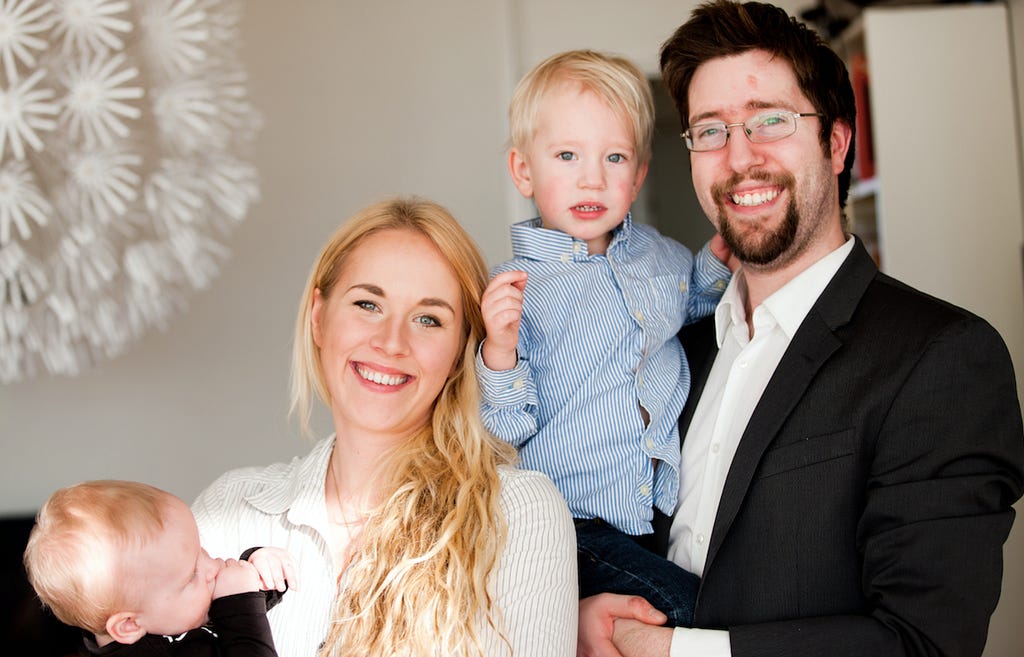
Dr. Jerry Bailey of Lakeside Holistic Health: 5 Lifestyle Tweaks That Can Dramatically Improve Your…

Dr. Jerry Bailey of Lakeside Holistic Health: 5 Lifestyle Tweaks That Can Dramatically Improve Your Wellbeing
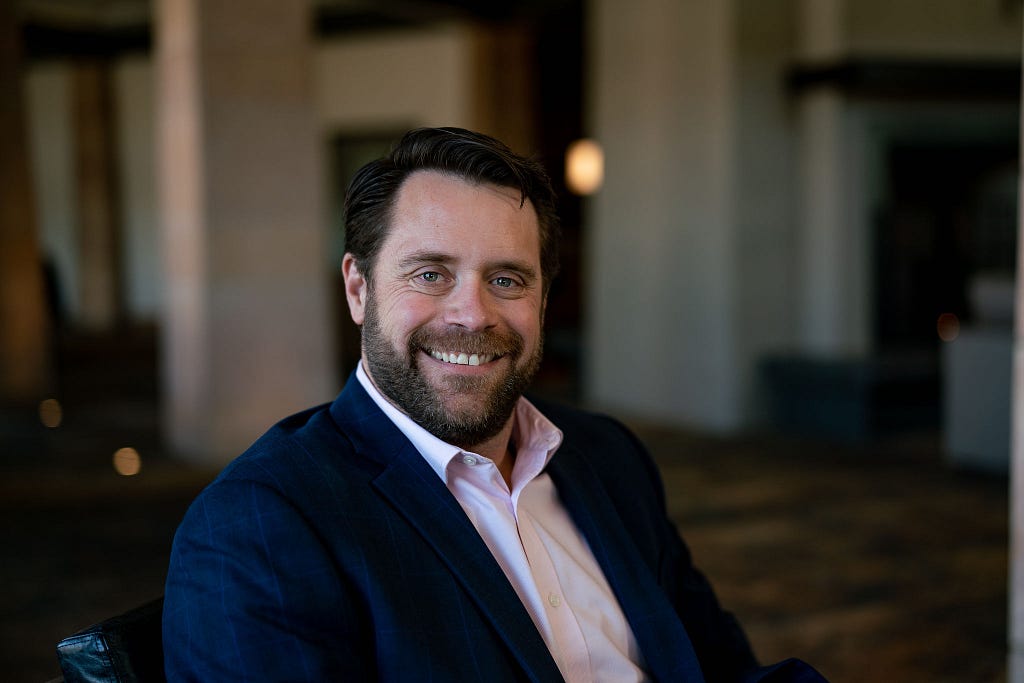
Sleep: Set a scheduled bed and wake time for each day. And stick to it. Keeping your bed and waking time the same each day NO MATTER what happens each day is key to getting the amount of rest and recovery you need to establish strong brain, hormone and cardiovascular performance. Getting at least 8 hours each night is key to keeping HRV (heart rate variability) high. HRV is a marker for the adaptability of your heart and thus your physiology’s ability to adapt. We are losing our ability to adapt to the stressors of everyday life. This is evident in everyone from millennials to boomers and especially in my generation, Gen X. You want peak performance in every aspect of health, wellness, mindset, performance and business-Get REST!

As a part of my series about “5 Lifestyle Tweaks That Will Dramatically Improve One’s Wellbeing”, I had the pleasure of interviewing Dr. Jerry Bailey.

Dr. Jerry Bailey is a prominent expert on men’s medicine and leads the world in the emerging science of Poly-Hormonal Adrenal Testosterone Syndrome. He is an acclaimed speaker, former clinical and graduate educator, one of few practicing experts, and is considered a leading authority on men’s health. He holds degrees in Chiropractic, Acupuncture and Masters of Science in Human Nutrition and Functional Medicine. His prior background to Chiropractic school was in Health Promotion in Rehabilitative and Prescriptive Programming, Nutrition and Coaching from Central Michigan University. He has been in practice for over two decades seeing tens of thousands of patients in that period. His clinical experience and acute awareness of current research, as a former faculty at the University of Western States in the Graduate Studies department in the Masters of Science of Human Nutrition and Functional Medicine, affords him a unique ability to apply current research to clinical practice to be a truly evidence-informed practicing physician. Not only has he observed this new phenomenon in his patients but has also started to observe similar hormonal patterns in himself, thus leading to the deep dive into the discovery and research of this new syndrome. Even though he leads an active life, exercising regularly with HIIT training, competing in full and half Ironman events, along with Crossfit, and eats a specific personalized eating plan Dr. Bailey had developed PHAT syndrome himself.

He, along with his physician wife, have been the top Functional/Natural medicine practice in the inland northwest for many years. Their clinic is at the forefront of cutting edge evidence-informed practice along with the development of new protocols to aid in reversing most of the chronic illness and hormone imbalances seen today. He is a dad to two amazing sons. He is also a drummer, a gig his day job supports.

Thank you so much for doing this with us! Our readers would love to “get to know you” a bit better. Can you share with us the story about how you first got involved in fitness and wellness?

In high school during the late eighties and early nineties, I was always into weight training and sports. My family health history was typical of the Midwest where we had cardiovascular issues, diabetes, obesity — all those things that were part of my family and people around me — you know, parents, friends, aunts, and uncles were having these major health issues. I knew that I did not want that for myself, my future kids, and my spouse. It really spurred me on to learn all I could about wellness, fitness, and nutrition. That’s what motivated me to earn my bachelor’s from Central Michigan University in exercise physiology — essentially, nutrition, athletic coaching, and then onwards to my chiropractic studies and my master’s in human nutrition and functional medicine. I’ve always been looking for the answers for those difficult cases, for why people can’t get better and conducting as much research as possible to find out those answers versus, “Well, we’re just not sure here’s a drug for you.” I never want drugs to be the answer. I saw that wasn’t the answer way back then and wanted to give everybody the opportunity to really make choices, to delve into their health and wellness and do the best things they can to prevent chronic health conditions that we see today. Most health conditions today can be attributed to lifestyle. And if we don’t correct that, we are headed down a path where millennials are not going to outlive their parents. And that’s a sad case of seeing an evolution of health based on today’s standards of living

Can you share the most interesting story that happened to you since you started your career?

I think for me, there’ve been a couple, but I think really being from the Midwest and you just go with the flow, you don’t try to stick your neck out in anything. I think the most interesting thing is getting recognized when I do talks or when I’ve done seminars or meeting people there that say, “Hey, I’ve been following you since one of your first podcasts you did way back or your first interview with supplement companies. When you’re talking about supplements, I followed you in that.” And so that’s always been interesting for me to see that people have an interest in what I say, and they’re applying it to their clients and getting success. That’s the most humbling aspect of what I do. I taught those methods over the years to other practitioners that they come back and say, “Hey, you taught me this. And it stuck with me and it’s actually helping my clients.” So, I think that’s really the most interesting thing that happened to me since starting my career — giving back pays off. And then when former students and other doctors come and say, “Hey, what you said really stuck with me and it’s really benefited me and my clients.”

Can you share a story with us about the most humorous mistake you made when you were first starting? What lesson or take-away did you learn from that?

There have been a few over the years, but not really mistakes, they’re just, you know, things that happen. The most humorous one was when a gentleman called and I was first in practice. I was by myself, answering the phone, doing everything, way back in 2000. He wanted to make an appointment and didn’t want to give his name, or any information. He just wanted to show up at the clinic. And we said, “You know, I can’t do that. I need to know your name. He was very restrictive in his speech, didn’t want to divulge too much on the phone and really wanted to talk to me in person. And I said, “Okay, well let’s schedule a time.” He said, “Oh, I don’t want my name on the list.” The gentleman was worried he would be in a system somewhere and be tracked and everything else. And so when he comes in for the visit, same thing just didn’t want to divulge much. It was like pulling teeth to get anything out of him. And it was a simple, low back issue and I spent about an hour with him. Most of it was me talking, just trying to get him to talk, but I thought, “This guy’s never coming back. I’ll never see him again.” It just didn’t feel like we clicked. Well, he scheduled for a second. He comes in and the guy wouldn’t stop talking. And 20 years later, he still sees me a couple of times a year, comes in and he never really wants any care. He just wants to sit and talk and ask some questions and then once he’s done, he says, “That’s all I got. I’ll see you later.” I’m like, “Okay.” So I think that’s the most humorous thing that happens sometimes in clinical practice is you’ll see somebody and think this first visit did not go well. And then next thing you know, you’re still seeing them 20 years later and they just come in for those questions. So what lesson or takeaway can you learn from that? Just be open to everything around you and the people around you. It will surprise you. That’s the big thing being there and being that ear. So they’re heard, they’re listened to, and that they can get the answers they’re looking for is really key.

Can you share with our readers a bit about why you are an authority in the fitness and wellness field? In your opinion, what is your unique contribution to the world of wellness?

Twenty plus years in clinical practice plus the degrees I have and the experience I have of seeing tens of thousands of patients over the years, really shows what we can do from taking that person from just starting out in the health realm like, they’re on medications, they’re overweight, they have all these chronic health conditions and just taking them step by step, changing their diet, getting them to walk. We really optimize their health with specific testing that we do and optimization to really find out genetically what they need and how we can boost their performance. Even at an elite level, a one to 5% change in performance is the difference between second and first place with the same training for somebody. That really gives me authority as the training I’ve had as an exercise physiologist, as a nutritionist, as a chiropractor, as an epigenetic specialist — that authority is built into those degrees. It’s also the experience of treating a wide range of the at-home person who doesn’t do exercise and kind of lays on the couch to optimizing them into the performance they want, whether it be onto a simple 5k or an iron man that I’ve done myself, to qualifying for the Boston marathon. It’s seeing that variety and knowing how to really get into their mind, to get them where they want to be, and where they need to be is really key. And that’s what brings my authority about, in my opinion, what is my unique contribution to the world of wellness? I think it’s that global view of a person — a fitness person, fitness trainer; we’ll look at them at a fitness level. A nutritionist will look at a nutrition level and nobody really puts the pieces together. And I’ve seen that from my bachelor’s days on to my masters and doctorate that nobody takes the time to put together your fitness. A trainer will say, it’s all about the exercise, your nutritionist, says it’s all about nutrition. And it’s really a combination of those along with the genetics and their mindset. And that’s my unique contribution is combining their fitness, combining their nutrition, combining their genetics, combining their physical attributes to really optimize their health and wellness. Thus allowing them to be the athlete they want to be, or the parent they want to be or the husband, the wife, the whole thing that they want to be and how to keep that mindset going when they’re at their darkest because we can really help them get out of that realm and into that bright light so they can go forward.

None of us are able to achieve success without some help along the way. Is there a particular person who you are grateful towards who helped get you to where you are? Can you share a story about that?

There are so many people that I am grateful for — during my training itself, from my bachelor’s days on, up through my master’s and doctorate level days that have helped to get me where I am. It’s hard to say a particular person. In the undergraduate days there were two professors that really stuck out Dr. Roger Hammer and Dr. Jeff Edwards, both at Central Michigan University. I loved them dearly, still talk to them to this day, 25 years, 26 years later, I still talk to them on occasion. Those two were there in my chiropractic days. So many wonderful professors again, I think the best I would say is Dr. David Panzer, who still practices close to 40, 50 years later, wonderful doctor, the breadth of knowledge there. The peacefulness in his nature of teaching — I was so grateful he gave me the confidence to know I was doing the right thing and made the right choice and become a chiropractor and help people. That soft hand of guidance and that ear to talk to when you need to, that’s really the people who’ve guided me. I mean, even way back to high school, I could say coaches and teachers that were amazing along the way really helped develop me to be the doctor I am today. Even in my nutrition training, Dr. Alex Vasquez, who is a phenomenal teacher and knowledgeable person that I’ve ever met in nutrition and medicine. His guidance and character really helped develop my nutritional understanding a lot more than I ever thought I would into the depth of knowing down to the cellular level, how nutrition really feeds the body and how nutrition and vitamins and minerals function in the body. There’s not a single person who’s driven me forward. It was that conglomerate of my inner circle guiding me along that way.

Ok thank you for all that. Now let’s move to the main focus of our interview. We all know that it’s important to eat more vegetables, eat less sugar, exercise more, and get better sleep etc. But while we know it intellectually, it’s often difficult to put it into practice and make it a part of our daily habits. In your opinion what are the 3 main blockages that prevent us from taking the information that we all know, and integrating it into our lives?

The three main blockages, I believe, is the knowledge of how to do it, implementing it on a daily basis, and then celebrating the success of that. Those three things are key in learning how to really just start incorporating vegetables into the diet, how to exercise a little bit more, how to get more sleep. Taking away things from, you know, getting the electronics out of your life, several hours before bed — that’s really key knowing in dietarily wise, like you can really eat less sugar, eat more vegetables by simply eating the rainbow, not Skittles the candy, but the rainbow of colors of vegetables. Eat those every single day that — you know, Roy G Bev, the red, orange, yellow, blue, green, indigo, violet, the colors we learned. Every single day, right there you have eight colors of vegetables and eight cups of food that you wouldn’t have before. That’s the simplest way to do it is pick that color each every day, pick a cup, pick those colors, pick a food form and eat them. That’s going to make you get those vegetables in every single day. And that’s a simple way you can incorporate eating more vegetables and avoid junk because you’re going to be full and have lots of energy and not want to eat sugar. How to exercise more, get moving, just get out and go for a walk, get into nature, celebrate nature by what’s called forest bathing. The Japanese study this for a long time and showed that those who got out into nature and walked around in nature actually had better health, lower cortisol, and stress response in their system, better cardiovascular markers and better neurological, better neurological function. Simply getting outside and walking, sleep wise, track it, use a tracking device to track your sleep. So you know how you’re sleeping, what’s disturbing you. You can see how exercise and nutrition affects your sleep. Those three main things are really key to doing that and that’s how you integrate it. Eating the rainbow for vegetables is really, really key. You’ll cut the sugar out cause you’ll be full from eating all those.

Can you please share your “5 Non-Intuitive Lifestyle Tweaks That Will Dramatically Improve One’s Wellbeing”? (Please share a story or an example for each, and feel free to share ideas for mental, emotional and physical health.)

The 5 top non-intuitive lifestyle tweaks to dramatically improve one’s well being are:

1) Sleep: Set a scheduled bed and wake time for each day. And stick to it. Keeping your bed and waking time the same each day NO MATTER what happens each day is key to getting the amount of rest and recovery you need to establish strong brain, hormone and cardiovascular performance. Getting at least 8 hours each night is key to keeping HRV (heart rate variability) high. HRV is a marker for the adaptability of your heart and thus your physiology’s ability to adapt. We are losing our ability to adapt to the stressors of everyday life. This is evident in everyone from millennials to boomers and especially in my generation, Gen X. You want peak performance in every aspect of health, wellness, mindset, performance and business-Get REST!

2) Food: Eat the RAINBOW-ROY GW BIV. Eat each color every day in vegetables and a couple fruits. Red, Orange, Yellow, Green, White, Blue, Indigo and Violet. If you hit six colors of veggies at a cup each and two colors of fruits for a cup each you won’t have the time nor the will to eat sugar-ladened processed foods! From lightly sauteed, to baked, to fresh, eat all these colors and you will have the nutrient density to meet most of your daily needs of vitamins, minerals and phytonutrients that we don’t even know the name of yet! Plus, you will naturally be in a caloric deficit but nutrient-dense diet high in fiber to stimulate better digestion, elimination, detoxification and energy increase thus leading to natural decrease in weight loss without even trying.

3) Infrared therapy: using red-light therapy that you can simply order on amazon has been shown to benefit mental, physical and spiritual aspects of health and wellbeing. Find a unit that is dual light wavelength of 660 and 850 nm as these hit the spectrums to greatly influence wellbeing and health. Using these daily for 15–30 minutes laying on the body in any area from the face/head (increase mental focus and alpha wave stimulation) to the groin (to increase testosterone in men and balance in women) to the feet (for plantar fasciitis). A simple easy tool to boost your health and wellness with little to no investment on you. You can tie this in with number 4 for a super neuro-boost to the brain.

4) Get and use an Alpha Stim unit. The alpha stim is a cranial electrotherapy stimulation (CES) device that delivers a natural level of microcurrent, via small clips worn on your earlobes, through the brain to stimulate and modulate specific groups of nerve cells. This little unit is key to decreasing anxiety, depression, insomnia and increasing alpha wave (our creative and peaceful waves) formation in the brain. I use this in conjunction with infrared therapy every day to get my brain primed for the day and at the end to chill the nervous system when I have an incredibly busy stressful day. The brain has five waves: gamma, beta, alpha, theta and delta. The alpha stim places in, of course, alpha waves, which are reflective and restful. When we are anxious or depressed and can’t sleep, we are in beta waves which increase these negative emotions and states. In today’s society we are stuck in beta not moving up to gamma nor down to alpha, theta or delta. This little machine primes us for peak state of performance and creativity.

5) Get Adjusted and Acupuncture! This is a no-brainer on how to increase wellbeing. Yet the majority don’t do either. Research shows those under the care of a chiropractor and acupuncturist are healthier and miss fewer work days than those under regular medically based care. Those that seek out these types of medicine are generally more willing to take care of themselves and are independent of sick care. After practicing both of these medicines for two decades and tens of the thousands of patient visits I can speak to this being true. My clients that get regular care from my clinic make better choices for their health and wellness while not needing medical interventions such as drugs and surgery. While each type has its place, the goal should be independence of care on health and only these functional or alternative medicines have that as part of their tenets of care. “Your body has the ability to heal itself, if given the right tools.”

As an expert, this might be obvious to you, but I think it would be instructive to articulate this for the public. Aside from weight loss, what are 3 benefits of daily exercise? Can you explain?

Three daily benefits of exercise are besides weight loss, of course is one you’re lubricating your joints. If you aren’t moving the joints they can’t lubricate themselves. The fluid in there kind of gets old and gritty like old car oil. And that lets the arthritis set in. Another benefit is improved cardiovascular flow, not only to the muscles and joints, but also to the brain. We’re going to improve brain function significantly by exercising every day and getting movement. You also increase blood flow to your adipose tissue, your fat cells, which will help you lose weight. You’ll trigger actual weight loss just by getting the movement in there. And really the third one overall is emotional. Not only mentally, are you better prepared, but emotionally you’re better to handle the day by being able to burn off calories and burn off energy in the system and bring the body out of that, bring the body out of the head and into the body. We are so stuck today in our heads because we sit at computers all day and don’t get much movement. The brain is stuck in this ever-flowing circle of stimuli, stimuli, stimuli, and we don’t get it out of our head and into our body. Those are the three things I believe are really beneficial for daily exercise.

For someone who is looking to add exercise to their daily routine, which 3 exercises would you recommend that are absolutely critical?

This one is epic. I love weight training. I do CrossFit. I’ve been doing weight training for close to 35 years now since like eighth grade. It’s one of the most beneficial things we can do to strengthen our body and research shows the more muscle mass we have as we age, the better we age. We used to think it was cardiovascular, but we’re seeing that this chronic cardio is really bad for the system and actually is detrimental to the cardiovascular system. So strength training is important to have muscle mass as we age; it’s actually anti-aging. Three exercises that I would recommend for sure are deadlifts as long as your back is good, squats, and bench presses. Body squats will work your back, your shoulders, and your legs immensely and bench press of course works your upper body. So those three things are really key exercises that you should be doing to really help your body grow.

Is there a particular book that made a significant impact on you? Can you share a story?

The Celestine Prophecy — that book was so instrumental in my development and my wife’s too, because it gave us this view, like we had a lot of hard science on exercise and nutrition, but we were missing the mindset. That book gave me that intuitive look into people’s personalities to help them better develop a really good core lifestyle and mindset to their lives. So that way they could move forward and not be stuck in the perpetual circles they were stuck in. That book really impacted me in the sense of being able to look at people differently and not just kind of go, “Oh, this is this person. This is that person.” It really gave me that look of each person as an individual. And how do I reach that person individually based on what I’m seeing in their life. It really went through particular aspects of personality that gave me insight, how to communicate with people and how to really block those people that are the energy suckers, how to be able to block that and still communicate with that person and get them to have a better life and change how they are. That book really sent me down the path of natural functional medicine

You are a person of enormous influence. If you could start a movement that would bring the most amount of good to the most amount of people, what would that be? You never know what your idea can trigger. 🙂

I’m working on that right now. Within men, I see a wonderful condition that I’ve coined PHAT syndrome, it’s poly hormonal adrenal testosterone syndrome. That’s what we’re seeing. There’s a lot of research on it, just hasn’t been named. They’re calling it PCOS in men. Although men can’t have PCOS because we don’t have ovaries. PCOS affects more than 10% of the population of women. We’re seeing it more and more, and I’m seeing it in men now, the same exact hormonal imbalances that we see in women; we’re seeing it in men. So that is my little niche you could say of what I’m seeing with men from not just the 35 to 55, my average patient, but we’re actually seeing it in younger men. It’s testosterone issues, it’s stress response issues. It’s neurological issues, it’s cardiovascular issues, it’s glucose issues, it’s increased adiposity or fatness in their body. It’s a conglomerate across the board, eight different things that are going on in their health that we see and often doctors will go, oh, it’s testosterone deficiency or it’s just diabetes. And no, it’s actually what we’re seeing every single day in men. We’re having to address it differently than just doing a pill for an ill. It’s really lifestyle medicine and it’s really balancing those systems to get them to heal that little trigger that I see is that this a PHAT syndrome in men, and really helping them get it out there.

Can you please give us your favorite “Life Lesson Quote”? Do you have a story about how that was relevant in your life?

I actually have two quotes there. One was from a high school coach, a football coach. We had lost a game and he gave this quote and it was: life has never been as good as it seems. Life is never as bad as it seems and in between his reality. And so I try to live that every day no matter how good life is. It can be bad at some time, but really, it’s living in the moment and living forward to the future. That’s how I interpret that is really living in the moment, living everything I can each day with my family, with my kids, my practice and patients, and everybody around me to cherish that daily life for them. So that’s that one. The other one, I use all the time. I use it as a hashtag, which is “let’s rock” and that’s how I wake up every day. I don’t do caffeine. I don’t do coffee in the mornings. I’m naturally energetic. People are surprised by that. They’re like, man, you must drink a lot of coffee. I’m like, I don’t like the taste of coffee. I like the smell of it, but I don’t like the taste of it. So my life is always let’s rock. Being a musician, also being a drummer, it’s all about rock and roll and that’s what gets me going. And so essentially living in the moment and then let’s rock are really the two key things that I like.

We are very blessed that some of the biggest names in Business, VC funding, Sports, and Entertainment read this column. Is there a person in the world, or in the US whom you would love to have a private breakfast or lunch with, and why? He or she might just see this if we tag them 🙂

There are so many people I’d love to have lunch with to chat, talk and see their life story. I think most recently, kind of the big one that I would say is Gene Simmons of Kiss fame. I know he’s a busy person with all of his companies. I would love to take the time to sit and have breakfast or lunch with him. I would take the time to understand his mindset and drive he has had since the 70’s with the band along with his other companies. His consistent drive and constant work ethic really speaks to me. He delivers so much to his fans and his companies. My wife and I take our sons to concerts every year, since I am a musician I believe it’s important to support the arts. We saw Kiss locally here several years ago. The boys dressed up with facepaint and made signs. It was amazing. Kiss gave back to the local military support groups. That’s really key in helping others at all levels of success in your life and at that level they are I really dug their giving back to the community they play in. My parents always taught me no one’s better than you. No one’s worse than you. We’re all equal. You can learn something from everybody you meet and you can teach something to everybody you meet. That really helped me in my growth. I think definitely, like I said, Gene Simmons would be a good person to sit and chat for a little bit with to learn from him and give back to him things I have learned from him.

What is the best way our readers can follow you online?

You can follow me on Facebook under the guy show live. You can follow me at Dr. Jerrybailey.com and you can also find me on Instagram at Dr. Jerry Bailey. Those are the great places to follow me. You can get my newsletter along with all the videos I have on YouTube also, you can get me at the guy show on YouTube for my podcast, along with videos that I have on there too.

Thank you for these fantastic insights. We wish you only continued success in your great work!


Dr. Jerry Bailey of Lakeside Holistic Health: 5 Lifestyle Tweaks That Can Dramatically Improve Your… was originally published in Authority Magazine on Medium, where people are continuing the conversation by highlighting and responding to this story.


Whitney Casares of Modern Mommy Doc: How Extremely Busy Executives Make Time To Be Great Parents

Instead of spending all week thinking about what you need to get done to make your life happen, take a chunk of time to make a plan. A half hour should work just fine to organize your day or your week (maybe less once you get really used to this method). Then, set aside another hour or 2 to, in 1 sitting, try to move through as much as possible on your list. If you’re still not done once the timer goes off, plan another 2-hour chunk in a few days. Compartmentalizing our to-dos reduces our mental load, allowing us to be more mindful throughout the day.

As a part of my series about “How extremely busy executives make time to be great parents” I had the pleasure to interview Whitney Casares, MD, MPH, FAAP.

Dr. Whitney is a private practice pediatrician and founder of Modern Mommy Doc, where she guides professional women to find success in the workplace and at home. She’s the author of The Working Mom Blueprint: Winning at Parenting Without Losing Yourself and The New Baby Blueprint: Caring for You and Your Little One. As a Mama Mindset thought leader and coach, she teaches working moms how to go from conflicted to centered.

Thank you so much for joining us! Can you tell us your “childhood backstory”?

I was born committed. When I’m in on something, I’m all in. At the age of 9, I marched into my living room and announced boldly that I’d finalized my plans to open a business. Within weeks I had enough money cleaning horse stalls to fund three additions to my Barbie collection. High school, college, and medical school were all filled with passion projects and exercises in persistence.

I continued that commitment to diligence and focused energy as a practicing physician. I leaned in to the working world. Someone needed to stay a little late to see a toddler with a high fever on a Tuesday night? My partners could count on me. The group needed someone to lead a committee? I was their girl. An urgent email came through and needed to be answered immediately? No problem. I was happy to do what it took to be a team player and to advance my own career. I caught up on relaxation and rejuvenation on the weekends, hanging out with friends and sleeping in whenever I wanted to.

I went full-force professionally because I wanted to prove myself a worthy employee and because I wanted to succeed. I love my work and I wanted a seat at the table, as Sheryl Sandberg put it in her groundbreaking book, Lean In. I knew there were generations of women who paved the way in the working world before me with single-minded grit so I had the opportunity to even be a doctor in the first place. I respected that and wanted that for myself too.

Then I had a baby girl and everything changed when it came to being “all in.” My daughter suffered from severe colic. She struggled with potty training. She had the hardest time sleeping. She tantrumed all the way through her toddler years. She lashed out whenever she was emotionally dysregulated. She suffered from the very first month of her life under what I know now was an extreme level of anxiety.

My daughter and my family needed their mom’s full commitment, but my professional obligations at work continued to pull at me as well. In fact, the more senior I became in my job, the more pressure I felt to be “all in,” even when I really couldn’t be. We had another daughter and, as the 2 girls grew older, life got even more complicated. There were school supplies to buy, music classes to sign up for, playdates to join, laundry to fold, doctors’ appointments to schedule — times 2. Things got chaotic real fast being a working mother of 2.

Sure, I could do it all. I was a jedi at juggling everything: work, home, my social obligations. You name it, I could fit it in, make it happen, or mop it up. But I started to question if doing it all was worth it because, I realized, in trying to do it all one big thing was missing: joy and contentment.

I hardly ever felt centered and aligned. I was constantly conflicted — pulled every which way, all at the same time. I forced my career and my mothering to fit together in my life by doing more constantly — staying up late most nights to answer emails I couldn’t get to during the day, spending time on car rides in the passenger’s seat with my family ordering toothpaste and toilet paper for our home, fitting in responses to lingering personal texts on the way to or from a meeting or an after-school activity.

I was strong — fierce, even, in the eyes of the world — but I didn’t feel very solid inside myself. I had to make a change. I too was burned out to do anything else. Like so many other working moms around me, even those without such an extreme situation with their child, I started yearning for a better version of my motherhood experience. That’s when I started really diving into this idea of how to be more centered and less conflicted.

Can you share the story about what brought you to this specific point in your career?

I decided I had to break the cycle of burnout I was experiencing if I ever wanted to experience more centeredness for myself, and that meant changes at home and at work. I had to figure out a way to navigate the working mom world with more intentionality, to move from overindulgence or small, stolen moments as my only form of self-care to a pledge to make space for myself and my needs in a sustainable, consistent way. From a lean in mentality at work to a decision to say yes when it made sense for me and my family and to say no when it really didn’t. From acting resentful and haughty when my partner didn’t share my mental or household duty load to actually working toward more equity between us. From operating out of guilt when my kids begged for me to spend all day, every day with them to showing up for them regularly with attunement and connection. I moved from conflicted to centered, and, when I did, it changed everything.

I started learning and talking with other moms. I realized I was not alone in my struggle. And, as I heard other moms’ stories and quandaries, it became clear that we all needed a better framework for sustainable motherhood. I founded Modern Mommy Doc in 2017 with a few blogs about common mindset issues moms face and it quickly took flight. I developed a social media platform, launched a podcast, and started speaking and writing extensively about how to make motherhood more about thriving than surviving. My new book, The Working Mom Blueprint: Winning at Parenting Without Losing Yourself, gives professional women the practical tools and long-term strategies they need to go from conflicted to centered.

Can you tell us a bit more about what your day to day schedule looks like?

I spend three days a week in my private practice pediatrics practice seeing patients — from newborns all the way up to 23 years old. My other two mid-week days are spent coordinating with my Modern Mommy Doc team to provide relevant content for our community, talking with industry experts for my podcast, writing, and working with like-minded brands who want to elevate motherhood.

Ok, thank you for that. Let’s now jump to the core of our discussion. This is probably intuitive to many, but it would be beneficial to spell it out. Based on your experience or research, can you flesh out why not spending time with your children can be detrimental to their development?

We know that our kids need our time and attention at regular intervals. When our kids don’t have enough focused face time with us, free of distraction or outside competitors for our attention, the research is clear that they suffer. They can develop emotional and behavioral problems if they don’t have at least one caregiver who is regularly attuned and responsive to their needs. The research doesn’t say, however, that we need to be with our kids all the time. In fact, studies show that it’s the quality of the time we spend with our kids that matters most, and that we’re present — not just for the big moments, but for the mundane, in-between times, too.

On the flip side, can you give a few reasons or examples about why it is so important to make time to spend with your children?

Our kids need to know they are valued and loved and, most importantly, that our relationship with them matters to us. We can only build on that relationship if we spend enough time with our kids getting to know them well. Quality does matter most when it comes to strengthening our bond with them, but, if we don’t give them enough space within our schedules, there are fewer opportunities for that quality time. When I’m in a rush to get from appointment to appointment and only leave a ten-minute window for “quality time” with my four-year old, those few moments usually aren’t really very quality at all. I feel impatient and stressed. She doesn’t have the space to ask me questions or to the time to dawdle because I’m so urgent to move onto my next task. When we have a few hours, or even a full day together without the pressures of work, though, we both relax into being around each other and enjoying each other’s company.

According to this study cited in the Washington Post, the quality of time spent with children is more important than the quantity of time. Can you give a 3–5 stories or examples from your own life about what you do to spend quality time with your children?

When we prioritize moments to intentionally focus on our relationships with our children, practicing special time is one of the best ways we can make the most of it. Special time can mean setting aside 20 minutes per day to remove distractions, get on the floor or sit at the table with our kids, and play. We let our kids lead us, refrain from using any judgment statements (good or bad), and spend time doing what they want to do. As opposed to a time-out, when you intentionally remove your attention for bad behavior, it’s a time-in with your child, when you intentionally focus on your child and your child alone.

This doesn’t have to be complicated. When my daughters were babies, this was as simples as me getting on my hands and knees next to their activity mats. When they were toddlers, it literally meant playing with building blocks on the floor. Most importantly, I set a timer, turned my phone off, and made the time only about me and my children. Now we love to go on mommy-daughter dates to get our nails done or to visit the new polar bear at the zoo. When we remove the distractions of the outside world and focus just on our children for discrete periods of time they can count on, we build a foundation of memories and mindfulness, ultimately building resilience and connection.

We all live in a world with many deadlines and incessant demands for our time and attention. That inevitably makes us feel rushed and we may feel that we can’t spare the time to be “fully present” with our children. Can you share with our readers 5 strategies about how we can create more space in our lives in order to give our children more quality attention? Please include examples or stories for each, if you can.

There are times when taking time to be “fully present” with our children mean we just need to do less, but, the reality is, not everything can be brushed aside. Efficient professionals use these tricks to get it all done with the least amount of time and stress possible, leaving space in their lives to give their kids more quality attention:

They Batch To-dos

Instead of spending all week thinking about what you need to get done to make your life happen, take a chunk of time to make a plan. A half hour should work just fine to organize your day or your week (maybe less once you get really used to this method). Then, set aside another hour or 2 to, in 1 sitting, try to move through as much as possible on your list. If you’re still not done once the timer goes off, plan another 2-hour chunk in a few days. Compartmentalizing our to-dos reduces our mental load, allowing us to be more mindful throughout the day.

They Refuse to Equate Chores and Errands with Self-care

Sometimes I take a vacation day, and I spend every minute of it running errands for my family. Usually, by the time 5:00 pm rolls around, I feel tired and grumpy. I often wish I had just gone to work. At the very least, I feel disappointed and wistful about how I used my time. Errands are a necessary evil, but don’t get them confused with quality moments alone or with your loved ones. I manage to get most of my checklist items crossed off without lifting a metaphorical finger. You can too.

They Off-load the Tasks That Drive Them Crazy (or That They Don’t Do Well)

I’m not always good at cleaning my house. So, I hired someone who is to take care of the number 1 task I don’t need or want to do. Hiring a house cleaner reduced my stress, forced me to organize my house the night before she arrived each week, and gave me back my precious time, so I could spend it on more important things, like anything else. I’m also not great at cooking weekday meals other than spaghetti and meatballs or chicken teriyaki out of a freezer bag. I shine when it comes to holiday meal extravaganzas, but my husband is a weekday wiz in the kitchen. Since he and I both know I would probably succumb to takeout every night if he didn’t cook consistently (and because we keep working at being parenting teammates), he wears the chef’s hat in our home most Mondays through Thursdays.

They Automate

One way to reduce your mental load is to simplify the number of tasks you have, either by getting rid of them or by delegating them to someone else. For the tasks you have to attend to, reduce your time thinking about them by automating. Thank goodness we live in a modern world where, for a small fee, we can automate almost everything we do. I would wither on the vine if it were not for autopay and internet grocery and household goods delivery services. Diapers, wipes, sippy cups, household items like paper towels, hand soap, and toilet paper — I get them all from online ordering.

They Use the Car to Strategically Multitask

The car is your friend. Research shows that multitasking generally decreases our productivity, but, in the car, the same rules don’t always apply. The car can be a place to get a lot accomplished in a short period of time. Even when I’m the one driving, I use the car as a mini office. If I’m riding by myself for extended periods, I spend the time in the car listening to podcasts and audiobooks.

I love reading paper books, but I just know I would never have the time to get to everything I’ve had on my “meaning to” list if I relied on my evenings and weekends. That was especially true when I was a new mom. The car was a place where, when I was by myself, I knew I could get a lot done by listening. It still is. Especially when it comes to books in the parenting or self-help sector, audiobooks are the way to go.

How do you define a “good parent”? Can you give an example or story?

Good parents are intentional about creating a safe, stable environment for their children where they can develop resilience, grow physically and emotionally, and fail fearlessly. They balance warmth and support with firm limits. They also problem-solving, self-compassion, and a growth mindset by practicing it themselves. As a working mom, I get the chance to do this on the regular.

For example, my husband and I ordered a special celebratory dinner the night my first book, The New Baby Blueprint, was published. It was an important professional milestone for me, and I was proud of all the hard work it took to get to that moment.

My 6-year-old sauntered down our first flight of stairs and into the dining room, looking less than enthusiastic about her dinner options but very interested in the latest family news.

“Does that mean since you have the book out now you’re done with working, like for forever? Will tomorrow be a mommy-daughter day and all the days after that? Can you stop being a doctor now?”

It would have been easy to cave inward from the weight of that question. She was genuine in her ask and my reaction was sincere too. When she asked me to never leave her side, it fed into an ingrained belief I see so many women struggle with. It’s a belief that to be a good mom I need to be completely devoted to my children — above my work, above myself — above every other area of my life.

The next day at my pediatrics office, the opposite scenario ensued. At our monthly medical professional meeting one of my partners passed around a sign-up sheet with a list of committee and volunteer opportunities.

“I want to remind everyone that this is not a lifestyle practice,” one of my partners voiced to the room. “Our work goes beyond clocking in at 9:00 am and clocking out at 5:00 pm. We each have to pull our weight. We need every person to pick up the slack and, right now, we really need more committee members — as many as possible.”

With the book newly published and my daughter’s comments fresh in my mind from the night before, I hesitated to add my name to the list but knew it might draw criticism from my business partners. I felt the same pressure all the other moms I know feel to be a good worker — someone who’s fully committed to my colleagues and my corporation, the kind of person who takes care of my personal life on my personal time, who doesn’t let family considerations interfere with my professional pursuits or efforts.

I decided, in the end, to join 1 work committee — the one with the lowest time commitment and the least amount of energy required. When my kids are older and I’m in a different life stage, I’ll commit to more (maybe) and, if I do, it won’t be to fit a good worker ideal. It will be based on what my company needs and what works well for me at the time.

“Well,” I told my daughter that next night at the table. “Something interesting happened today. Mommy had to be strong so I could do what was best for you and for me. Here’s the thing, sweetie. I can’t stop working…but I also don’t want to stop working. I love you and your sister so much, and, at the same time, I love helping people. I want to use the special way I’m wired to help people who don’t live here with us too. What I can do is make sure we have plenty of opportunities to be together doing all the things we love and being connected with each other.”

“OK,” she said, taking it all in. Then, she brightened. “Actually, can I help? I know! I can make signs around the neighborhood telling new moms we can help them feel less scared about having their babies.”

My pride in her resilience puffed up like a balloon. See? I thought. Like me, she struggled initially with accepting that her vision of me connected at the hip all day, every day is unrealistic, but she was able to problem solve through it. By choosing a more middle road, I’m teaching her she can do the same when she’s older and in my shoes.

How do you inspire your child to “dream big”? Can you give an example or story?

My kids have so many career aspirations, I can’t keep them all clear in my head. One day, they want to be baristas. They next day, it’s an astronaut that tops the list. I’m most focused on letting them explore their dreams and passions, and teaching them that tenacity in the face of failure is the critical component to achieving great things.

My oldest daughter has a severe anxiety disorder. She wanted to attend a sleep-away camp and, while I was excited for her, I was also terrified she would end up sleeping poorly each night and a nervous wreck each day. For her, though, the thought of going on a completely independent adventure — playing with new friends, exploring in muddy creeks — sounded totally exciting at the moment. I could have squashed her dreams because I was afraid she will fail, but what would that teach her? She’d be less likely to pursue even bigger dreams she has — to be a scientist and an expert on Japanese culture. So, I gave her the green light, knowing that, if the week didn’t go perfectly this time around, we would learn from the experience and make it better the next time around.

Even more powerful, the more I demonstrate a willingness to pursue seemingly unattainable goals myself, the more my kids have the confidence to do the same. Thanks especially to the plethora of virtual meetings I’ve had during the pandemic, they’ve been present for most of my business team meetings this year. They’ve heard about my major wins and maybe even more about the times I’ve bombed. They’ve also watched me fall down time and time again, only to dust myself off and get going again.

“Mom? How do you just talk like that in front of people?” one of them asked me last week after I gave a virtual keynote. “Don’t you get scared? Why don’t you mess up?”

“Practice, practice, practice,” I replied. “Oh, and I’ve messed up plenty of times. The first time I spoke in front of an audience, I was completely petrified. But I know when I make a mistake when I’m speaking, it just means I have room to improve. I’ll do it better next time. And I know that the only way to not be petrified of something is to keep doing it.”

When I am vulnerable and human with my kids, they know they can be vulnerable and human, too. They also know that it’s safe to try hard things, no matter what the outcome.

How do you, a person who masterfully straddles the worlds of career and family, define “success”?

Success in the workplace and at home means that we are centered. We have a clear vision for our lives and our life goals. We make decisions that align with those priorities. We’re not bound by the pressures of societal gender bias, mom guilt, or outside agendas. We have a framework for spending the majority of our time and energy on the things that matter most to us, and for addressing the rest of the tasks and commitments in our lives that threaten to steal away from those precious resources.

What are your favorite books, podcasts, or resources that inspire you to be a better parent? Can you explain why you like them?

I love Big Little Feelings (@biglittlefeelings on Instagram) and author Tina Payne Bryson for all things parenting with presence and skill. The communities at Working Mom Kind (@workingmomkind on Instagram) HeyMama, and Mindful Mamas Club are also amazing for working mom support. The book that most inspired me toward more inner grace and personal growth (which always makes me a better parent), is Self-Compassion by Kristin Neff. When I learned to be more graceful to myself, I had some much more grace for my kids and pretty much everyone else around me, too!

Can you please give us your favorite “Life Lesson Quote”? Can you share how that was relevant to you in your life?

“One day you will tell your story of how you’ve overcome what you’re going through now, and it will become part of someone else’s survival guide” — Brené Brown

Everything I have to teach to other moms, I’ve struggled through myself. My darkest days as a new mom, my sense of complete hopelessness as a burnt-out employee with extreme family needs — those were the hardest moments of my life, but they also formed the person I am today and gave me perspective that there are always lessons to be learned in times of crisis. Sometimes, in fact, when you’re at your rock bottom is the time you’re vulnerable and open enough to take in what you need to learn.

You are a person of great influence. If you could inspire a movement that would bring the most amount of good to the most amount of people, what would that be? You never know what your idea can trigger. 🙂

My dream is for women to have support from their employers to lean in and out when they want to (and need to) from their professional endeavors and from their commitments at home. Workplace policies, paid parental leave for both moms and dads, and a culture shift toward seeing working mom professionals through a whole-person lens is what we need to make modern motherhood more manageable.

Thank you so much for these insights! This was so inspiring!


Whitney Casares of Modern Mommy Doc: How Extremely Busy Executives Make Time To Be Great Parents was originally published in Authority Magazine on Medium, where people are continuing the conversation by highlighting and responding to this story.

Tia Fagan: Five Things We Can Do To Develop Serenity And Support Each Other During These Anxious…

Tia Fagan: Five Things We Can Do To Develop Serenity And Support Each Other During These Anxious Times

Connecting to ourselves: A simple practice of asking yourself — what do I need at this moment? I often recommend people find a comfortable position, place their hand on their heart, and take three deep breaths in and out through the nose with a longer exhale.

As a part of my series about the things we can do to develop serenity and support each other during anxious times, I had the pleasure of interviewing Tia Fagan.

Tia Fagan is a Conscious Parenting and Authenticity Coach and has been coaching and guiding people since 2016. Through explorations and accessible tools, Tia helps people release the expectations and pressures that life has placed on them over the years, especially in their parenting. Tia’s mission is to help people reclaim their truth and inner knowing, empowering them to create deeper relationships, more peace, joy, and authenticity within their family and life.

Thank you so much for doing this with us! Our readers would love to “get to know you” a bit better. Can you share with us the backstory about what brought you to your specific career path?

I spent my life fulfilling the expectations of others — excel in school, go to college, have a well-paying job, get married, have kids. I was a ‘good girl’ and did as I was told. I worked as an environmental engineer, bought a house, got married, and then became pregnant. I followed the rules. I stayed in my head. I lost myself in the process. Yet I often wondered — who was I really?

Then uncertainty and unpredictability arrived. Halfway through the pregnancy, I found out I was having twins. Two weeks later, I was put on bed rest, and at 34 weeks, news from the latest ultrasound indicated that one of my daughters stopped growing, so I was induced for delivery. My daughters spent the next 12 days in the NICU before coming home. My daughters made it clear from the beginning that any expectations of motherhood I had would be tossed aside. Over their first eight years, I often asked myself, “Why didn’t I feel good about how I was parenting? Why can’t I trust myself? What was I doing wrong?” These questions started me on my path of rediscovering my authentic self and becoming a conscious parent. I began to pause rather than punish, listen rather than lecture, connect rather than correct, feel rather than fix. With this radical shift, the relationships with my daughters deepened to one of mutual admiration and respect. Having said that, I am not perfect, and I no longer want to be. However, I continue to grow, learn and put in the effort each day to show up as authentically as I can.

With my own experience, I realized that my life’s purpose was to help others to find a way of living and parenting from a heart-centered and connected space. I am now a certified Conscious Parenting & Authenticity Coach dedicated to guiding and supporting parents in the process of re-discovering themselves with the understanding that their children are their wisest teachers. Their children invite them to go within, question, wonder, heal and re-find their true selves. By unlocking their authenticity, they can support their children, regardless of age, as they stay connected to their inner knowing, their truth, and their voice. This work and the conscious coaching that I and others provide are ultimately shifting the parenting paradigm and changing not only their family, but future generations.

Can you share the most interesting story that happened to you since you started your career?

Early in my coaching career, a mother of three children under six reached out to me for help. She was frustrated and desperate for solutions to fix her children. I gently explained that my role as her coach would not be to provide tools to change her children but to become curious about what was going on within herself, her children, and examine the bigger picture. I could feel her hesitation since she was feeling overwhelmed, yet I could sense deep down she was yearning to be the parent her children needed her to be, and she longed to be as well. I admit I was hesitant to work with her at the time. I didn’t want to waste her time and money since she was focused on solutions on that first call. However, I felt deep within me to trust that she was drawn to conscious parenting and was looking for more than fixes and set my fear aside. We started working together. I deeply listened. She continued to ask for solutions at the beginning and while I was tempted to give her fixes and ideas, I resisted. I trusted myself, my coaching ability, and the process. As she started to practice and implement conscious parenting and began rediscovering herself, she experienced shifts within herself and her children. She stepped into becoming the parent her children needed, and most importantly, she reconnected with her authentic self. She began to feel calmer and more empowered. She trusted herself and her ability to show up for her children in how each of them needed. It was beautiful to witness how if we hold space for another, gently reflect back without judgment, families change as a parent steps into their truth. This memory reminded me how believing in another and oneself is a powerful gift. She trusted me, and I trusted her ability to rise and step into who she inherently was inside. She was able to find more joy, not only in her parenting but in her life. I feel lucky that she chose to work with me at the beginning of my career. She and others like her are a powerful reminder of why I do this work.

What advice would you suggest to your colleagues in your industry to thrive and avoid burnout?

A piece of advice I wish I had received when I started coaching was to be mindful of creating space in our day for ourselves, even if it is just a few minutes before and after being with a client. We must model and remind ourselves that while we are fully present for our clients and give them every bit of our attention, not to forget to do the same for ourselves. I often take at least five minutes before each client to connect to myself so that I can release any tension or stress I may be holding onto to be fully present for our time together. Taking this little bit of time helps create a safer space because I am fully there for them, letting go of anything I may have been holding onto prior to a session.

As we nourish our inner space, not just our outer space, we are better able to come into each session with expansion, receptivity, and openness. Creating that internal connection and time also allows for more clarity in the rest of our business to thrive too.

What advice would you give to other leaders about how to create a fantastic work culture?

Even though I work for myself at home, I ensure that I have connections with other colleagues. To create a virtual work culture, especially one as a sole business owner means intentionally connecting and putting in the effort to reach out to others. I often ask myself; how can I support another? I feel strongly about collaboration and abundance, not competition. Creating a healthy and fulfilling work culture means supporting others on their own work journey and receiving support as well. Working together, making connections, and referring people creates a work culture of support and collaboration that benefits not only those in the business but those we all serve.

Is there a particular book that made a significant impact on you? Can you share a story or explain why it resonated with you so much?

“The Conscious Parent” by Dr. Shefali Tsabary. When I read Dr. Shefali’s book I was still stuck in my parenting despite having been on my own inner journey for several years. I noticed that I was often grasping for control, frustrated, and worrying about losing the connection I had with my daughters. Fear was primarily driving my parenting, and it was not a place that felt comfortable to me. However, I didn’t know another way at that time. As mentioned, I had been on the path of self-discovery at that point, and while unconsciously the inner work was transferring into my parenting, it was not with intention. When I read “The Conscious Parent,” I remember feeling I could fully exhale again. The concepts in Dr. Shefali’s book were what I had been missing in my parenting. I started taking courses from Dr. Shefali, and when she opened up her Conscious Coaching Institute, I became certified in her Conscious Parenting MethodTM.

Because of this book, I began to see my daughters as a window into my own self. They were mirroring back to me the blind spots where I still needed to grow. They reminded me to take the lessons I had been learning on my journey of self-discovery and mindfully bring them into my parenting. Over time, I shifted into more responding and less reacting, more connecting and less correcting, and more listening and less lecturing. Am I perfect? Absolutely not! But each day, I try to do better for myself and my daughters, who are now in their 20s. The learning never ends.

Ok, thank you for all that. Now let’s move to the main focus of our interview. Many people have become anxious just from the dramatic jolts of the news cycle. The fears related to the coronavirus pandemic have only heightened a sense of uncertainty, fear, and loneliness. From your experience or research what are five steps that each of us can take to develop serenity during such uncertain times? Can you please share a story or example for each.

Life can often feel overwhelming, and when we feel as though we have no control over our surroundings, what is happening, or how people are interacting with us, we often feel a sense of uncertainty and fear. It helps to remember that we only have control of our own thoughts, feelings, and actions. Everything else on the outside is not in our control. However, we do have the ability to decide how to respond to what is happening outside of us. This process is not always easy, and sometimes we may not remember, but as we continue to practice and notice over time, it does become easier and more accessible. Here are five practices we can do to develop serenity during uncertain times:

  1. Connecting to ourselves: A simple practice of asking yourself — what do I need at this moment? I often recommend people find a comfortable position, place their hand on their heart, and take three deep breaths in and out through the nose with a longer exhale. As you feel your hand on your heart, gently ask yourself, “What do I need at this moment?” Allow for whatever comes up from within. Sometimes it might be something big such as “I need a vacation” or it may be something smaller like “a walk outside.” Trust what arises and if possible, give yourself this gift and meet the need. For more significant things like a vacation that is likely not doable in the moment, how could you break that down into a small step you can do today? Perhaps it’s looking at old vacation pictures, researching vacation destinations, or watching a video of the ocean waves. It is up to us to find the serenity within. What small thing do you need today? How can you provide it to yourself?
  2. Body scan: Our body is always talking to us, but often we are not listening. When we connect to our body, we often find areas of tension or stress that we are carrying because of the uncertainty in life. As you scan your body slowly from the top of your head, down your arms and hands, your abdomen and back, into your pelvis and legs, notice any areas that feel tight and tense. Now try to soften into those areas. You are not necessarily looking to release all of the tension, but if you can soften just a little bit, it helps your body and nervous system relax more and better find a peaceful moment from the inside out.
  3. Creativity: Often when we are stressed or anxious, being creative helps release anxiety and fear. Being creative means lots of things and finding what brings us creative joy can get us out of our head and into our heart. Many of us may think we aren’t creative. I used to believe that and now I realize creativity comes in many different shapes and sizes such as cooking, dancing, coloring, writing, or gardening. The possibilities are endless! Enter a space of curiosity and try something creative. It is about the process and the experience, not the end result. Step into the moment, release any judgment, and create.
  4. Meditation: The power of meditation to bring us serenity is endless. I often encourage people to create multiple opportunities for meditation throughout their day. It is in the moments of life when we are stressed and worried that we often need it the most, but don’t feel we can access it. Meditation is not only done on a cushion in a quiet space for an extended period of time, but it can also be brought into daily living. Set a timer a few times a day to meditate no matter where you are. You don’t have to sit or have silence around you to do this. It is finding the stillness in the chaos. Mindfully focus on your breath for 3–5 minutes while cooking dinner, in a meeting, playing with your kids, or sitting on the couch. As we notice our breath, let go of the past, and release the future, we are returning to the present moment. Even if it is only for a second, we find serenity for that second because anxiety and worry do not exist in the present moment.
  5. Scripting: Often when we feel anxious, out of control, or afraid, we are stuck in a sense that we have no control over a situation or life. Scripting is different from journaling in that we write about how we would like our day or an event to unfold, as if we are setting the scene of a play in which we are in. Through the process of scripting, we are able to regain a sense of serenity. Scripting doesn’t necessarily change the situation or event, but it can help us gain a different perspective. It can allow us to notice that we have more control than we realize through our thoughts and actions. Through scripting, we can see our life situations as an opportunity in how we want to show up and be during uncertain times. We may recognize that we have more choices and control over how we choose to live in this moment. Again it doesn’t mean we can change what is going on around us, but it allows us to change how we perceive, think, act, and feel about it, bringing more serenity.

From your experience or research what are five steps that each of us can take to effectively offer support to those around us who are feeling anxious? Can you explain?

When people around us feel anxious or overwhelmed, we often want to fix and change things to help them feel better and ourselves as well. However, when we step in and try to make things better, we often do the opposite. We also take away their ability to tap into their capacity to feel empowered to help themselves. The more we, as parents, support our children without fixing or changing, but by guiding, the more they will have the ability to support themselves as they grow older and support another who is feeling anxious. Here are five things you can do to support another, regardless of age, from child to adult.

  1. Accepting all feelings: Learning how to allow and hold space for big emotions for another is often one of the greatest gifts we can give to someone who is feeling anxious. As we offer support to others, it is important to recognize and accept that whatever feelings another is having is their experience and are valid. We may not understand what they are going through, but we can sit with them as they share their experience and any frustration, uncertainty, anxiety, or other feelings without. This allows for a safe space for them to feel fully seen, heard, and accepted. As we fully embrace their feelings, the anxiety can diminish because they know that they are supported and accepted no matter what they are experiencing.
  2. Getting outside together: Sometimes, the best thing we can do with another is encourage them to join us outside and reconnect with nature. There is nothing quite like remembering that we are part of something bigger than ourselves, and nature naturally provides this. Breathing in the outside air, feeling the sun or rain on our skin, moving our bodies, or simply sitting down and taking it all in. Whether you play, walk, or sit together, being outside helps calm our nervous system in a way that only nature can.
  3. Not taking things personally: Often when someone is struggling during challenging times, we may take their behaviors or mood personally. We may think we should make things better or they should be doing things differently because they are upsetting or irritating us with their anxious behaviors. However, when we enter curiosity and ask ourselves, “What else may be going on?” or “How can I support them in a way that they need?” As we wonder and look beyond the surface and realize it is not personal, we are better able to see things from a place of acceptance and understanding. From this compassionate space, rather than coming from being defensive or not supportive, we can support them to navigate their anxiety.
  4. Allowing for autonomy: As we support someone, especially children, during uncertain times, how can you create age-appropriate opportunities for the child to feel some sense of control and autonomy for themselves? Allowing children to make decisions and do things for themselves can help another feel a little more secure during those uncertain times because they feel more empowered. Through a sense of personal agency, they often feel less anxious because they realize they can change and control what they are able to do, which can often help reduce anxious feelings.
  5. Shifting from control to connection: When we shift into supporting someone who is feeling anxious with connection at the forefront, we help the other feel seen and heard, which creates a feeling of connectedness. We may not have noticed how often our own worries may be showing up as control of the other. When we are supporting another, is it possible we may be trying to manipulate the situation or the feelings the other is having? We may be trying to teach a lesson, which in fact creates more anxiety. When we try to control or correct something, we come from a place of disconnection and disempowering the other. An important part of connecting means providing what the other needs, not what we think they need. This attunement allows the other to feel safer and release some of the anxiety they may be feeling.

What are the best resources you would suggest to a person who is feeling anxious?

For children and early adolescents, I recommend GoZen.com and the book “Superpowered” by Dr. Shefali Tsabary and Renee Jain.

Can you please give us your favorite “Life Lesson Quote”? Do you have a story about how that was relevant in your life?

“Our deepest fear is not that we are inadequate. Our deepest fear is that we are powerful beyond measure. It is our light, not our darkness that most frightens us.” ~ Marianne Williamson

The first time I heard this quote it took my breath away. I was in the first couple of years of my own inner work, and it touched a spot deep inside me where this truth lived within. I always thought I was most afraid of failing, doing something wrong, messing up, but when I heard that our light most frightens us, I realized I was most afraid of being me. I was afraid of shining my light and standing in my truth because what if that meant being rejected for who I truly am. It was a pivotal moment in my life, because it peeled down a defense I had built within me that was afraid of being seen, truly seen, as me. From that day forward I became even more dedicated to continuing my inner work, shining my light, and inviting others to do the same.

You are a person of great influence. If you could start a movement that would bring the most amount of good to the most amount of people, what would that be? You never know what your idea can trigger. 🙂

I would love to see a movement of people reconnecting to their authentic selves, which includes a parenting paradigm shift towards conscious parenting. Not only would this movement support the current generation and their children but future generations as well. As people reparent and reconnect to their authentic selves, whether they are parents or not, they inherently influence those they are connected with. And if they are parents, they are able to raise their children with more wholeness and with less projection, fear, and conditioning so that their children are more connected to their authentic selves as they grow older. As people shift internally, they automatically create an external shift in the world around them now and into the future. An added beauty of this movement is that it allows people to move through times of uncertainty with more trust, knowing, conscious choices, and connection.

What is the best way our readers can follow you online?

People can find me at my website https://tiafagan.com or on Facebook, Instagram, or Clubhouse.

Thank you for these fantastic insights. We wish you only continued success in your great work!


Tia Fagan: Five Things We Can Do To Develop Serenity And Support Each Other During These Anxious… was originally published in Authority Magazine on Medium, where people are continuing the conversation by highlighting and responding to this story.
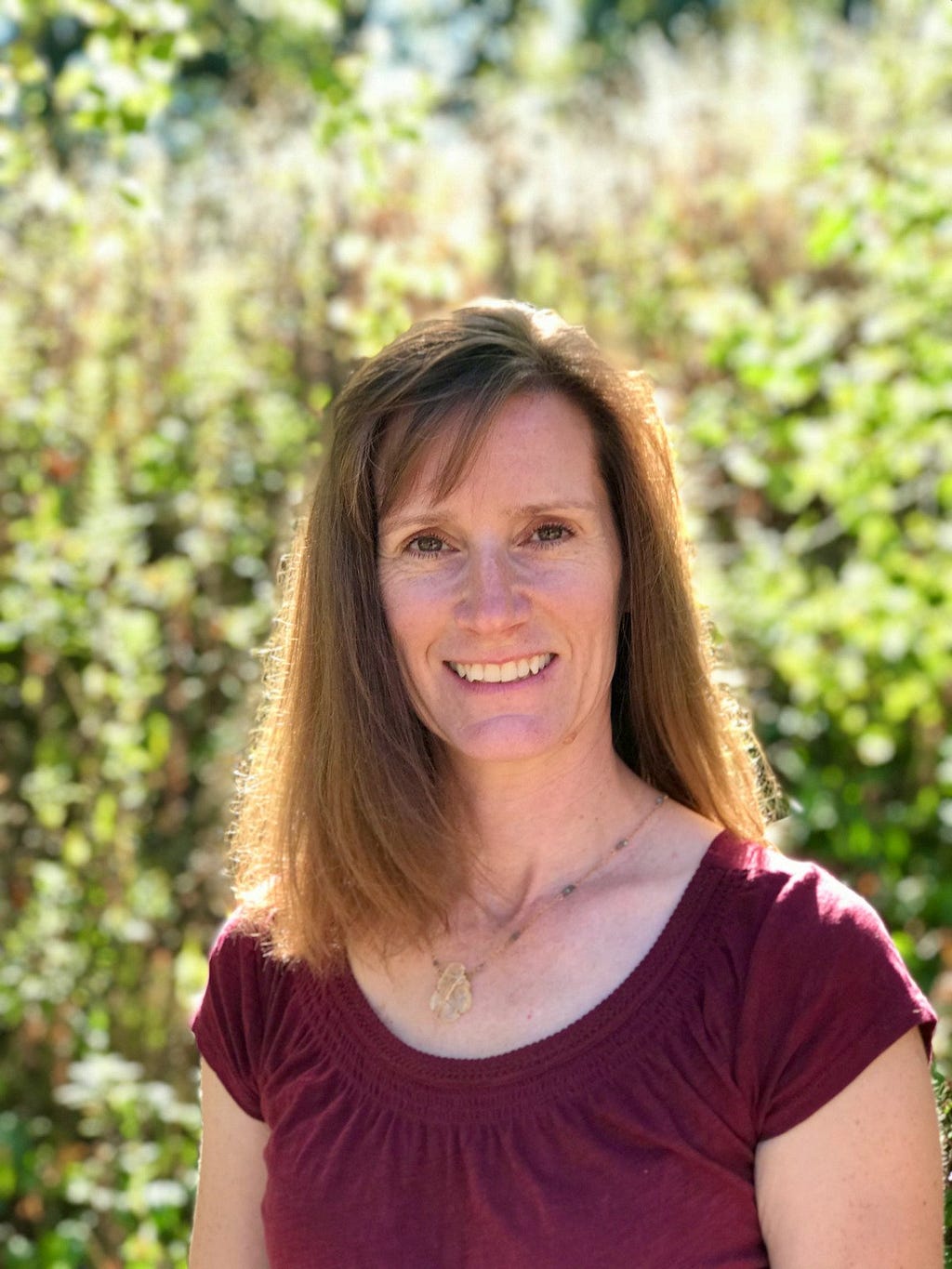
Dana Levin-Robinson of Upfront: How Extremely Busy Executives Make Time To Be Great Parents

Be flexible in your work schedule if you can- there are a lot of hard parts in running a startup, but the flexible schedule is a perk when you have a young child. My co-founder and I are very transparent with each other and figured out a schedule that works for both Upfront and our families.

As a part of my series about “How extremely busy executives make time to be great parents” I had the pleasure to interview Dana Levin-Robinson.

Dana is the CEO and Co-Founder of Upfront, the first site dedicated to pricing transparency for the parenting world. She is the former Chief of Staff at VirtualHealth, a growth-stage health tech company that was named Deloitte’s 39th Fastest Growing Company, and spent years in various advertising agencies in NYC. Dana graduated with her MBA from NYU’s Stern School of Business and BS from Boston University and lives in NYC with her husband and baby son.

Thank you so much for joining us! Can you tell us your “childhood backstory”?

I was born and raised in Tel Aviv, Israeli until I was 10 when our family moved to Warsaw, Poland. It was a really difficult transition: I’d never spoken English before and going from a large public school to a small international school was a big culture shock. Over time, I grew to appreciate how lucky I was to be exposed to so many cultures, backgrounds, and perspectives from such a young age.

Can you share the story about what brought you to this specific point in your career?

As a mom of a one-year-old, I’m surrounded by new moms and that means I’m surrounded by the pain point of finding daycares near me or the price of a daycare. For parents to make the best choices for their families easily, they need to know hard costs, and we just didn’t see anyone in the market addressing this issue.

Can you tell us a bit more about what your day to day schedule looks like?

My husband and I both have busy careers and make sure to divide and conquer as much as we can. We alternate mornings with our very active one year old then work from home until the evening. My schedule is different every day- sometimes I have six back-to-back meetings and other days I spend doing QA on the child care rates in our database. We then have some time as a family of three giving our son a bath and dinner and put him down for the night.

Ok, thank you for that. Let’s now jump to the core of our discussion. This is probably intuitive to many, but it would be beneficial to spell it out. Based on your experience or research, can you flesh out why not spending time with your children can be detrimental to their development?

Children of course need a supportive and loving home, and to us that means spending plenty of time with our son without distractions like our phones. We try to avoid situations where we’re 50% working and 50% watching him because we never do great work and our son deserves quality time with each of his parents.

On the flip side, can you give a few reasons or examples about why it is so important to make time to spend with your children?

While I love spending time with our son, I also have a ton of other responsibilities, so our household approach is often divide and conquer. If I need to work during the weekend, my husband will take our son for a walk or playdate. We were fully formed individuals before becoming parents so giving up our social life (not that anyone had much of a social life this year!) or hobbies is something that needs to be consciously carved out and prioritized.

According to this study cited in the Washington Post, the quality of time spent with children is more important than the quantity of time. Can you give a 3–5 stories or examples from your own life about what you do to spend quality time with your children?

Our family is big on long walks so we spend a lot of the weekends heading to parks and playgrounds in NYC. Our son loves the swings in particular and looking at all the dogs in Central Park (despite knowing we’re a cat family!). We also have our weekly brunch tradition in the same place, and he loves sitting in his high chair near us stealing french fries. I also found that baby activities are a lot more tolerable if other adults are present so outdoor baby and parent music classes have been a mainstay this year for us.

We all live in a world with many deadlines and incessant demands for our time and attention. That inevitably makes us feel rushed and we may feel that we can’t spare the time to be “fully present” with our children. Can you share with our readers 5 strategies about how we can create more space in our lives in order to give our children more quality attention? Please include examples or stories for each, if you can.

  1. I try to focus on one thing at a time. Multitasking can be great, but also results in work mistakes if I’m watching my son at the same time. I put my phone down, get on the floor, and play with him without distractions.
  2. If I see my son is independently playing, I try crossing chores off my list like grocery orders or paying online bills so I’m not dealing with those tasks during time I can focus on work or relax
  3. Hire or ask for help when you need it- I’m very upfront that we have a weekly cleaner because I can spend those hours with my family instead
  4. Automate your life where you can- our entire household is automated on Amazon’s Subscribe and Save. Having toilet paper and cat food arrive like clockwork means I don’t have to go to the supermarket or waste time remembering to order something.
  5. Be flexible in your work schedule if you can- there are a lot of hard parts in running a startup, but the flexible schedule is a perk when you have a young child. My cofounder and I are very transparent with each other and figured out a schedule that works for both Upfront and our families. That can mean I stop working at 5pm, spend a few hours with my son before his bedtime, then log back in to finish work.

How do you define a “good parent”? Can you give an example or story?

A good parent is someone who supports their child to become a self-sufficient, caring human being. We really prioritize our son’s independence and autonomy through letting him feed himself and playing with his toys alone. I was a Resident Assistant in college, and the number of parents who came to me asking to teach their 18 years old how to do basic things like laundry astounded me.

How do you inspire your child to “dream big”? Can you give an example or story?

My son is only one so it’s a bit early to start with him! But we plan to expose him to travel, art, and different food so he’s always seeing new things and trying to learn what else is out there in the world. And if he is half as passionate about the price of daycares as his mom, then I’ll be very proud.

How do you, a person who masterfully straddles the worlds of career and family, define “success”?

Success means something different every day- it can mean finishing a really exciting project at work or spending a day relaxing with my son in the park. I see my career and family as being equally important parts of my life.

What are your favorite books, podcasts, or resources that inspire you to be a better parent? Can you explain why you like them?

Our family swears by Emily Oster- we just love her and her data-driven approach to parenting decisions. Her books are non-judgmental and helped us assess what worked best for our family.

Can you please give us your favorite “Life Lesson Quote”? Can you share how that was relevant to you in your life?

My mom coined the perfect life motto: be smart, not right. It’s really easy with work and parenting to think like “this is the way things should be done” without realizing how that actually plays out. I try to pick my battles- my son won’t always eat his dinner and sometimes he gets peanut puffs instead. It’s not the end of the world.

You are a person of great influence. If you could inspire a movement that would bring the most amount of good to the most amount of people, what would that be? You never know what your idea can trigger. 🙂

Not surprisingly for someone who runs a company dedicated to the price of daycare, we’re very focused on talking about money. It’s a topic I think is often overlooked in both work and parenting. We rarely share our salaries or the average cost of childcare. From our research, we found that parents think a baby’s first year costs $5,000 when it’s closer to $21,000. That comes from lack of conversations and tools that share how much things truly cost.

Thank you so much for these insights! This was so inspiring!


Dana Levin-Robinson of Upfront: How Extremely Busy Executives Make Time To Be Great Parents was originally published in Authority Magazine on Medium, where people are continuing the conversation by highlighting and responding to this story.

Lessons from a Thriving Power Couple, With Gisela and Daniel Wood of Momentum Property Education

Being a supporter to the organization, understanding that your role is not to boss people around and tell them what to do, instead, your job is to show them the vision and then being a servant leader as my mentor always says — help your team, help you.

As a part of our series about lessons from Thriving Power Couples, I had the pleasure of interviewing Gisela and Daniel Wood.

Gisela and Daniel Wood are investors and entrepreneurs. Together they have started 7 companies, done over 100 international property deals and through their property education company Momentum Property Education, they have helped hundreds of people start investing in Property and creating financial freedom.

Thank you so much for doing this with us! Can you tell us a story about what brought you two to your respective career paths?

We have both been in large corporations in leadership positions but always felt that the corporate ladder was restricting in that we were always building someone else’s dream rather than creating our own future. What made us change our path was when we had our first son, William. We realized that with us both working 9–5 he would actually spend more time awake with his teachers at kindergarten than with us. That is when we knew we had to make a change.

Can you share the most interesting story that happened to you since you two got married?

A fun story is how I, Daniel, introduced Gisela to the start of our property investing journey. We had been recommended and read the book “Rich Dad, Poor Dad” and we were very excited to start investing in property, but we didn’t know how to begin.

A couple of weeks later I saw an ad on LinkedIn for a free property workshop. I called my mother and asked her to take care of William that Saturday and told Gisela that I had planned a romantic day for the two of us.

We started with brunch, followed by a walk through the Stockholm archipelago, when we stood looking over the water I told her I had planned a surprise for us — we were going to a seminar about property investing!

Luckily she was as excited as I hoped and that event started us on our property journey.

Can you share a story about the funniest mistake you made when you were first starting? Can you tell us what lesson you learned from that?

We made a lot of mistakes starting out, at the time they were not very funny but in retrospect it is ridiculous how many mistakes we made. One that stands out, is one of our very first property investments. We decided to do a joint venture with a local UK company who had been recommended. We hadn’t done our due diligence, we just trusted the recommendation. Well, the project ended up a disaster. Among other things, when the architect designed the building we were converting, a terraced house into three flats, he didn’t take into consideration that the upstairs apartments needed to have their own entrance. Instead he had designed the property so the entrance for all three flats went through the bottom flats living room.

What do you think makes your company stand out? Can you share a story?

I think the big difference between Momentum Property Education and other education companies is that we are very honest and transparent. We don’t pretend that all our deals have gone perfectly, or that it is easy to become an investor. Instead, we share our story, our setbacks, our challenges and what we have learned from them so others can avoid our mistakes and have a simpler path to success.

Are you working on any exciting new projects now? How do you think that will help people?

The most exciting project right now is our partnership with a crowdfunding platform. We teach our students how to successfully invest in property, we connect them to quality partners that will help them achieve good deals. With the crowdfund we can finance up to 80% of their entire project cost as well. It makes their path to success much easier and smoother.

What advice would you give to other CEOs or founders to help their employees to thrive?

I think the key is communication. Make sure everyone in the organization understands and shares the company’s vision. Make sure they understand what they are a part of and why THEIR role is important. They might feel that all they do is fill out a spreadsheet, or make tweaks to a system, but if you show them how every action they take will impact someone’s life, it will help them feel involved, important and motivated.

How do you define “Leadership”?

Being a supporter to the organization, understanding that your role is not to boss people around and tell them what to do, instead, your job is to show them the vision and then being a servant leader as my mentor always says — help your team, help you.

None of us are able to achieve success without some help along the way. Is there a particular person who you are grateful towards who helped get you to where you are? Can you share a story about that?

Our first few deals went very badly, in fact we ended up losing about 400 000 GBP. We were very lucky at that point to meet Kim Kiyosaki — Author of Rich Dad, Poor Dad. She helped us in how we could turn our company around, restructure our debt, restructure our deals and go out and do new deals. She was a lifesaver.

We were supported by many, many amazing people.

How have you used your success to bring goodness to the world?

We have tried to give back in as many ways as possible. Momentum Property Education is one way we support others so they don’t have to go through the same challenges and setbacks as we did. We have set up a foundation that works with various environmental causes.

What are the “5 Things You Need To Thrive As A Couple”? Please share a story or example for each.

  1. I think communication is key, we have been through a lot together but we have learned that if we communicate it is easier for the other to understand and accept when one is going through a tough time. I remember once, I was so tired and was in a bad mood, it didn’t matter what happened around me, I was going to take it the wrong way. But through this fog I was able to communicate that if I am in a bad mood, please give me space so I don’t say something I’ll regret later, just let me be.
  2. Another important part of our relationship has been setting goals together for the future. Making sure that we are in sync with our goals has made a huge difference for us and it leads to the third “thing to thrive”, being aligned in our journey.
  3. We have had so many setbacks and losses, if we were doing this alone we probably would have started blaming each other for the setbacks, but as we have both been involved, in charge, and running the projects we are a team, we have succeeded as a team and failed as a team.
  4. The fourth point we would like to share is making time for each other. Make sure you get a little time for each other every day (at least if you aren’t traveling) so you can reconnect with each other.
  5. And finally, keep the romance alive. Try to do something for the other person every day, it doesn’t have to be a big deal, it could be writing a short note of affection, cleaning up when the other doesn’t expect it, buying flowers, anything, something, every day.

You are people of great influence. If you could inspire a movement that would bring the most amount of good to the most amount of people, what would that be? You never know what your idea can trigger. 🙂

It would really be two things. One is the personal empowerment of individuals. To teach them how to take control over their financial future and start creating their own opportunities. The second would be to support those successful individuals and teach them to give back 10% to charity. That way we would, as a community, be able to solve more issues than any one person or organization could ever hope to.

Can you please give us your favorite “Life Lesson Quote”? Can you share how that was relevant to you in your life?

There are no unreasonable goals, only unreasonable deadlines.

This is to us a powerful saying, we have set goals for ourselves that no one has thought reasonable and we have had setbacks that have had our entire families saying “I told you so”. Yet we have persisted, our families have suggested that we get “a real job”, yet we persisted, and today we have a property portfolio and don’t need “a real job”.

We are very blessed that some of the biggest names in Business, VC funding, Sports, and Entertainment read this column. Is there a person in the world, or in the US with whom you would love to have a private breakfast or lunch with, and why? He or she might just see this if we tag them 🙂

Can I only pick 1? With so many esteemed people reaching this column I would want to add a few — Sir Richard Branson, Oprah, Vera Wang, Tony Robbins, Sarah Blakely and Warren Buffet — if one of you is reading this and is available –we’ll pay for the meal 😉

How can our readers follow your work online?

Easiest is to visit our website https://www.momentumpropertyeducation.com or follow us on social media by searching for Momentum Property Education, if you enjoy podcasts we run the Momentum Investing Podcast where we interview top industry experts every week https://www.momentuminvestingpodcast.com

This was very meaningful, thank you so much! We wish you continued success!


Lessons from a Thriving Power Couple, With Gisela and Daniel Wood of Momentum Property Education was originally published in Authority Magazine on Medium, where people are continuing the conversation by highlighting and responding to this story.