Dr Kourtney Sanfelice of Balanced Wellness Solutions: 5 Lifestyle Tweaks That Can Dramatically…

Dr Kourtney Sanfelice of Balanced Wellness Solutions: 5 Lifestyle Tweaks That Can Dramatically Improve Your Wellbeing

An Interview With Candice Georgiadis
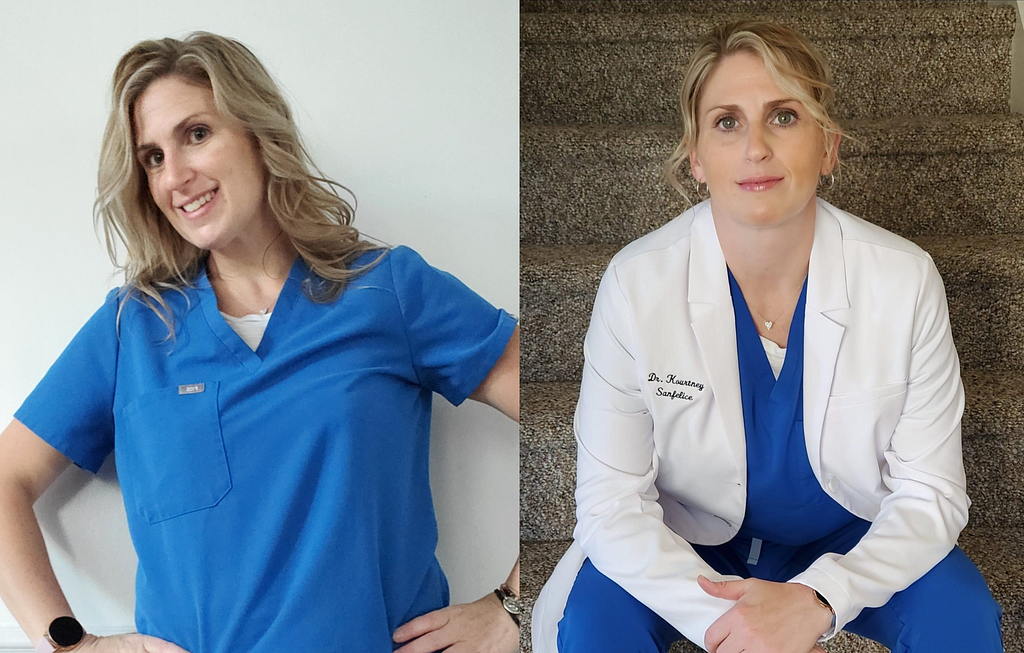
Gain Control of Stress with Purpose — I do this with my toolbox of holistic tools. This is not an easy task and will change most days for people. It requires you to pause, reflect, and identify what is causing stress or anxiety in your daily life. If is something that is unchangeable, find the things that bring you peace: yoga, meditation, massage therapy, breath work, petting your dog, talking to a friend, crocheting, baking or anything else that you enjoy.

As a part of our series about “5 Lifestyle Tweaks That Will Dramatically Improve One’s Wellbeing”, I had the pleasure of interviewing Dr. Kourtney Sanfelice.

Dr. Kourtney Sanfelice is a Functional Medicine Practitioner, Pharmacist, Integrative Nutrition Health Coach, Yoga/Fitness Instructor and CBD Specialist. CBD education became her passion as she learned the benefits of the amazing plant by transforming her own health, tapering off a medication she was taking for 16 years with one week of a daily CBD regimen. Over the past five years, Kourtney helped hundreds of people achieve their health and wellness goals using CBD.

IMG_4422.MOV

Thank you so much for doing this with us! Our readers would love to “get to know you” a bit better. Can you share with us the story about how you first got involved in fitness and wellness?

I graduated in 2005 from Temple University School of Pharmacy in Philadelphia. A few years after graduating, I left my corporate retail pharmacist position to work from home for a mail order pharmacy. I made this change in order to fulfill my desire to be a stay-at-home mom (I was pregnant, expecting my son in a few short months) but still maintain my career as a pharmacist. Working at home was not ideal for me, as I was not working directly with people.

After my son was born, I started taking Zumba classes to lose my pregnancy weight. I was encouraged by my instructor, who loved my upbeat energy, to get licensed to teach Zumba classes. I received a group fitness certification through the American Aerobics and Fitness Association of America and started teaching Zumba several times a week at the local YMCA and a small dance studio. It was so much fun and rejuvenated my mind, body, and soul. I eventually started working at an independent, family-owned pharmacy where I was able to connect with patients and help them with their health and wellness goals. I ultimately found my passion in educating people using professional grade CBD oral tinctures.

I have worked one-on-one and helped hundreds of people achieve improved health and wellbeing with CBD. Eventually, my focus expanded to helping people holistically, not only with CBD but also with supplements, herbs, nutraceuticals, and nutrition. I became a Certified Integrative Nutrition Health Coach through The Institute for Integrative Nutrition, which further deepened my knowledge of integrative and functional medicine. I also received my certification as a Functional Medicine Specialist through the Functional Medicine Business Academy. I now work as an independent community pharmacist and have my own functional medicine practice, Balanced Wellness Solutions, LLC, where I serve as a mentor, educator, and clinician to help clients find balance in their everyday lives, manage stress, improve nutrition, address the root causes of health issues, and obtain personal wellness goals.

Can you share the most interesting story that happened to you since you started your career?

My journey from one end of the healthcare spectrum, where I started as a corporate retail pharmacist, to the opposite end, where I now practice holistic care and functional medicine, has been mind-blowing. As a pharmacy student and corporate retail pharmacist, I learned about the human body, how it functions and malfunctions, and how to use pharmaceuticals to “fix” those malfunctions. I learned how drugs work on different conditions, as well as side effects, dosing, drug-drug interactions, drug-condition interactions and how to safely dispense, advise and recommend treatment. I now often cringe when I fill certain prescriptions and spend a great deal of time in my practice reaching out to people to make sure they are taking the proper supplements to replenish what they are depleting when taking certain medications and often provide guidance as to how to substitute prescription medications with more natural products and treatments. While there certainly is a need for traditional Western medication and prescriptions, the big focus of my practice is to help my clients balance traditional medicine with holistic and natural solutions.

The process for dosing CBD runs totally counter to the traditional pharmacist dosing process. CBD dosing is extremely patient-specific, as it is used for so many different conditions related to our endocannabinoid system and our bodies’ homeostasis. Teaching people to go into CBD dosing with an open mind to figure out what they need is the polar opposite of what I have learned and taught as a pharmacist. But it works, and it works well!

I started using CBD for anxiety and episodic panic attacks when some CBD samples arrived in my pharmacy over five years ago. I was intrigued and wanted to learn more. I started researching and decided to give CBD a try. In one week, I tapered off citalopram (Celexa), an anti-depressant that kept my anxiety under control for over 16 years (except for during my pregnancy) and never looked back! Of course, my anxiety is a work in progress that I address every day, but I am now armed with a holistic toolbox of resources that enables me to avoid taking a medication with so many chemicals and side effects. What I am learning now as I deepen my knowledge of functional medicine is the relationship between my anxiety and my hormones and other health issues that I have experienced over the years.

Can you share a story with us about the most humorous mistake you made when you were first starting? What lesson or take-away did you learn from that?

There have certainly been a few “mishaps,” as I always try new products or treatments on myself or close family and friends before I start with clients. Using CBD has been quite a journey for me. There was a lot of trial and error on my behalf as I taught myself about CBD. Six years ago, the CBD market was nothing like it is today. The education was limited, the products were much less polished, and there was a huge legal gray area, as laws were in flux in many states.

One day, about five years ago, I was taking my CBD tincture, which back then was a bottle with no markings. A “dropperful” was a different quantity to whomever drew it up (whereas today packaging is labeled for dosing and specific concentrations). I took a “dropperful” of “high concentrate” CBD oil. My syringe sputtered as my bottle was getting low. I decided that I needed more to get the full dose that had been helping me therapeutically. Well, I guess I filled up the syringe all the way and only meant to put half the dropper in (remember, no actual dose). About an hour later, I am not sure what I was feeling, but it was pretty “trippy.” If you are taking a quality product, you should not get impaired, given the small amount of THC (0.3% or less), but in this case I felt very “strange” to say the least. I am not sure how this was possible with the small amount of THC that was supposedly in the bottle, but I was getting a first-hand lesson in the difference in product quality, integrity, and labeling. I now preach to my patients to learn their sources so that this doesn’t happen to them. You want to know what you are putting in your body, especially if you are using it to treat specific conditions, particularly serious conditions. If you are treating seizures, you want to be darn sure you are taking the correct product and dose, even if it is “just a plant.”

I have researched and tried many brands on the market, and, while the industry has come a long way in general, it is crucial to pay attention to what you are using. There are approximately 3,500 CBD brands on the market, and approximately 93% of them are adulterated and mislabeled. Not all CBD is created equal. Go to a healthcare professional who can educate you on how to use the various CBD products, the difference between products, and most importantly, the purity and quality of products. Anyone can slap a label on something and call it their own. If you choose to do your own research, you need to find out the farming process, where the hemp came from, its genetics, the cannabinoids included, and a certificate of analysis that describes the integrity of the product. I want people to understand that they should seek help from someone who is experienced so that they can safely achieve their therapeutic best!

Can you share with our readers a bit about why you are an authority in the fitness and wellness field? In your opinion, what is your unique contribution to the world of wellness?

I feel that I have a unique, broad spectrum of knowledge to help my clients. I started with my Doctor of Pharmacy degree back in 2005, worked in corporate retail and mail order pharmacy, and eventually in a family-owned independent pharmacy. I taught group fitness and Zumba for about six years, and I am currently finishing up 2021 with my certification as a Yoga instructor and Reiki practitioner. I am a Certified Integrative Nutrition Health Coach as well as a Certified Functional Medicine Specialist. I treat each client as an individual, helping them with their own personal needs. My wide background of education, knowledge and experience helps me to guide my clients on their path to wellness, whatever that looks like to them.

None of us are able to achieve success without some help along the way. Is there a particular person who you are grateful towards who helped get you to where you are? Can you share a story about that?

Yes! I am so grateful for my very best friend, Theresa Moore, who is like a big sister to me. She has had an enormous impact on me in both my personal and professional life. I met Theresa when I was at a very transitional point in my life. I was in an unhealthy marriage and had a monotonous job that offered little of the personal rewards that I now enjoy. Theresa has been an amazing friend who helped me find my self-worth that I lost along the way. Some days were harder than others as I went through a divorce and started my life over, which was a very scary process. Theresa encouraged me to follow my dreams and to never give up. She continues to challenge me to be the best version of myself and helps keep me grounded when I need support. But my gratitude goes beyond our very special friendship. This past year Theresa created a self-awakening program that was designed to provide a 200-hour Yoga instructor certification. However, this program was so much more than that. It was an amazing tribe of women who grew together. We learned so much about ourselves and each other through Yoga, meditation, Reiki, holistic self-care, workshops, and book club discussions. It was a life-changing experience of self-growth and awakening. This program taught me so much about myself, enabling me to better serve my clients in the functional medicine space.

Ok thank you for all that. Now let’s move to the main focus of our interview. We all know that it’s important to eat more vegetables, eat less sugar, exercise more, and get better sleep etc. But while we know it intellectually, it’s often difficult to put it into practice and make it a part of our daily habits. In your opinion what are the 3 main blockages that prevent us from taking the information that we all know, and integrating it into our lives?

Yes, it is so simple to say the obvious things that we should all do to be “healthy,” but the reality is so much more complex, as every person has their own goals, momentum, stress, and health issues. What is simple for some people is not always easy for others, for a variety of reasons. Each client must be treated as an individual with their own needs, goals, and obstacles. The main things that I see my clients needing help with are:

  1. Accountability — Having someone to check-in with, someone to be a support system and a cheerleader. Not all people need this, but for some it is essential for them either to get started or to keep going.
  2. Societal Pressures — So many people feel an extreme amount of stress trying to keep up with our fast-paced, technology-driven society, with busy schedules and the need to balance work, family, friends, social activities, health and wellness and physical activity. We live in a world where you can get anything pretty much immediately with the push of a button. No matter what a client needs help with, anxiety almost always becomes part of the equation when we meet and start working on goals. There is always a root cause for this anxiety, and my goal is to address and treat it.
  3. Mindset — Patients should seek to evaluate and modify their lifestyles on a daily basis. The key is to focus on the positives and the things that we are grateful for in our lives. There are days that we are going to fail. We are going to have days with poor nutrition, missed workouts or lack of physical activity. There will be days that we didn’t drink enough water or drank too much alcohol or coffee. There will be obstacles every day, but it is important not to give up. We need to keep going, whether we are progressing, derailed, maintaining, or taking baby steps. Every day is a blessing.

Can you please share your “5 Non-Intuitive Lifestyle Tweaks That Will Dramatically Improve One’s Wellbeing”? (Please share a story or an example for each, and feel free to share ideas for mental, emotional and physical health.)

  1. Gain Control of Stress with Purpose — I do this with my toolbox of holistic tools. This is not an easy task and will change most days for people. It requires you to pause, reflect, and identify what is causing stress or anxiety in your daily life. If is something that is unchangeable, find the things that bring you peace: yoga, meditation, massage therapy, breath work, petting your dog, talking to a friend, crocheting, baking or anything else that you enjoy.
  2. Keep Active/Challenge Yourself — Keep both your body and your mind active. Whether it is going on a nature walk or hike, a high intense cardio training, or my new favorite, a fun Peloton Bike ride! Challenge yourself. Do a fun themed puzzle or find a cool Lego to construct, create a DIY household project, or read an interesting book and learn something new.
  3. Join a Group — Whether is a book club, a fitness group, game club or dog training group, it’s always fun to make new friends or connect with old friends with common interests!
  4. Trade Healthy Recipes with Family/Friends — You are what you eat! Finding things that are healthy and delicious and make them part of your lifestyle. Then share your heart-warming meal or treat with someone you love! Eating well should be part of a life-long journey, no dieting required!
  5. Create a Joy Jar — Yes, as big, or as little as you want! Decorate it from your heart. Every day, I add little things to it that bring me gratitude. Sometimes it’s just a little note or word on a piece of paper that reminds me how my life is blessed. They are little reminders that make my heart happy.

As an expert, this might be obvious to you, but I think it would be instructive to articulate this for the public. Aside from weight loss, what are 3 benefits of daily exercise? Can you explain?

  1. Improve Mental Health — Get those endorphins flowing!
  2. Establish a Routine — Have a daily regimen that keeps you well-rounded and balanced!
  3. Improve Physical Health — Get that heart rate up to help prevent disease and promote overall wellness!

For someone who is looking to add exercise to their daily routine, which 3 exercises would you recommend that are absolutely critical?

What’s most important is that you consistently keep active and moving.

  1. 30 minutes of cardiovascular activity daily to get the heart rate up! Even just simple walking, take it at your own pace.
  2. Yoga for stretching and keeping limber. Again, take it at your own pace, whether it’s five or ten Sun Salutations upon waking in the morning or an active Vinyasa class.
  3. Keep your muscles toned and strong, no weights required. You can use free weights to fit your body type, or just use your body’s natural resistance (push-ups, sit-ups, squats, lunges, for example).

Is there a particular book that made a significant impact on you? Can you share a story?

The Alchemist by Paulo Coelho is my all-time favorite book! The constant theme in The Alchemist is to pursue your dreams and follow what your heart desires. Wherever your heart leads you, you will find your treasure. In the book, a boy travels from his homeland in search of a treasure. He encounters many obstacles along the way and ultimately discovers a “treasure” within himself resulting from his experiences, the people that he met and the lessons that he learned.

This is a must-read for all, no matter what journey they are on or what path they are following!

You are a person of enormous influence. If you could start a movement that would bring the most amount of good to the most amount of people, what would that be? You never know what your idea can trigger. 🙂

I want people to know that there is no fast and easy way to health and wellness. It is an ongoing, life-long journey of choices, not a quick-fix or easy answer. It sounds funny coming from a career pharmacist, but I am all about my patients reducing their reliance on pharmaceuticals to the extent possible and changing their underlying lifestyles to be the healthiest forms of themselves. This is a daily process, and we are all constant works in progress. There is not and will never be a magic pill or uniform answer, as every person is an individual with his or her own unique needs. As I learned in my education at The Institute for Integrative Nutrition, we must balance the nutrition on and off our plates to achieve health, wellness, and happiness.

When working with myself and my clients, my goal is to figure out the cause of disease or health conditions and treat them from the root cause up.

Can you please give us your favorite “Life Lesson Quote”? Do you have a story about how that was relevant in your life?

“The Secret of Getting Ahead is Getting Started.” — Mark Twain

I have always waited for “the perfect time” to get started doing things, especially starting my own business. The truth is that there is no perfect time! Just get started, even if it is with tiny steps, one at a time. The little things turn into bigger things, and dreams start becoming reality. I was struggling starting my own functional medicine practice until I met Dr. Christine Manukyan, who changed my life and put my career on a new path that I never imagined was available to me. When I joined Dr. Christine’s Functional Medicine Academy, she taught me how to become focused on getting started, and that the learning process will continue forever. There is nothing to wait for. Get into the messy action and things will fall into place. I took a leap of faith, and I did just that. My functional medicine practice is growing every day and I love working one-on-one and in groups with my clients. By focusing on what I can do, instead of what can go wrong, and having the mindset of moving forward every day, I have taken my practice to new levels, and I am helping people achieve their health and wellness goals.

We are very blessed that some of the biggest names in Business, VC funding, Sports, and Entertainment read this column. Is there a person in the world, or in the US whom you would love to have a private breakfast or lunch with, and why? He or she might just see this if we tag them 🙂

Wow! This is a hard one! But someone who has impacted me at some rough times in my life is Mel Robbins. I just love her genuine and sincere personality. Mel is so real in describing her own struggles, past and present, that I feel like I could relate and chat with her as a girlfriend over coffee about anything and receive fantastic, practical, judgment-free advice! Her five second rule and daily journal changed my life. It ties into my quote from the last question. Just get on your feet and get started! It doesn’t matter how big or small the task. Just move forward!

What is the best way our readers can follow you online?

Website: balancedwellnesssolutions.net

Podcast: Balanced Wellness Solutions with Kourtney (Spotify, Apple Podcasts, Google, Castbox, Amazon Music, Stitcher)

IG: Dr.Kourtney.Sanfelice

Facebook: Kourtney Chichilitti Sanfelice

The Wellness Pharmachic

Thank you for these fantastic insights. We wish you only continued success in your great work!


Dr Kourtney Sanfelice of Balanced Wellness Solutions: 5 Lifestyle Tweaks That Can Dramatically… was originally published in Authority Magazine on Medium, where people are continuing the conversation by highlighting and responding to this story.

Women In Wellness: Whitney DiFoggio of Teeth Talk Girl on the Five Lifestyle Tweaks That Will Help…

Women In Wellness: Whitney DiFoggio of Teeth Talk Girl on the Five Lifestyle Tweaks That Will Help Support People’s Journey Towards Better Wellbeing

An Interview With Candice Georgiadis

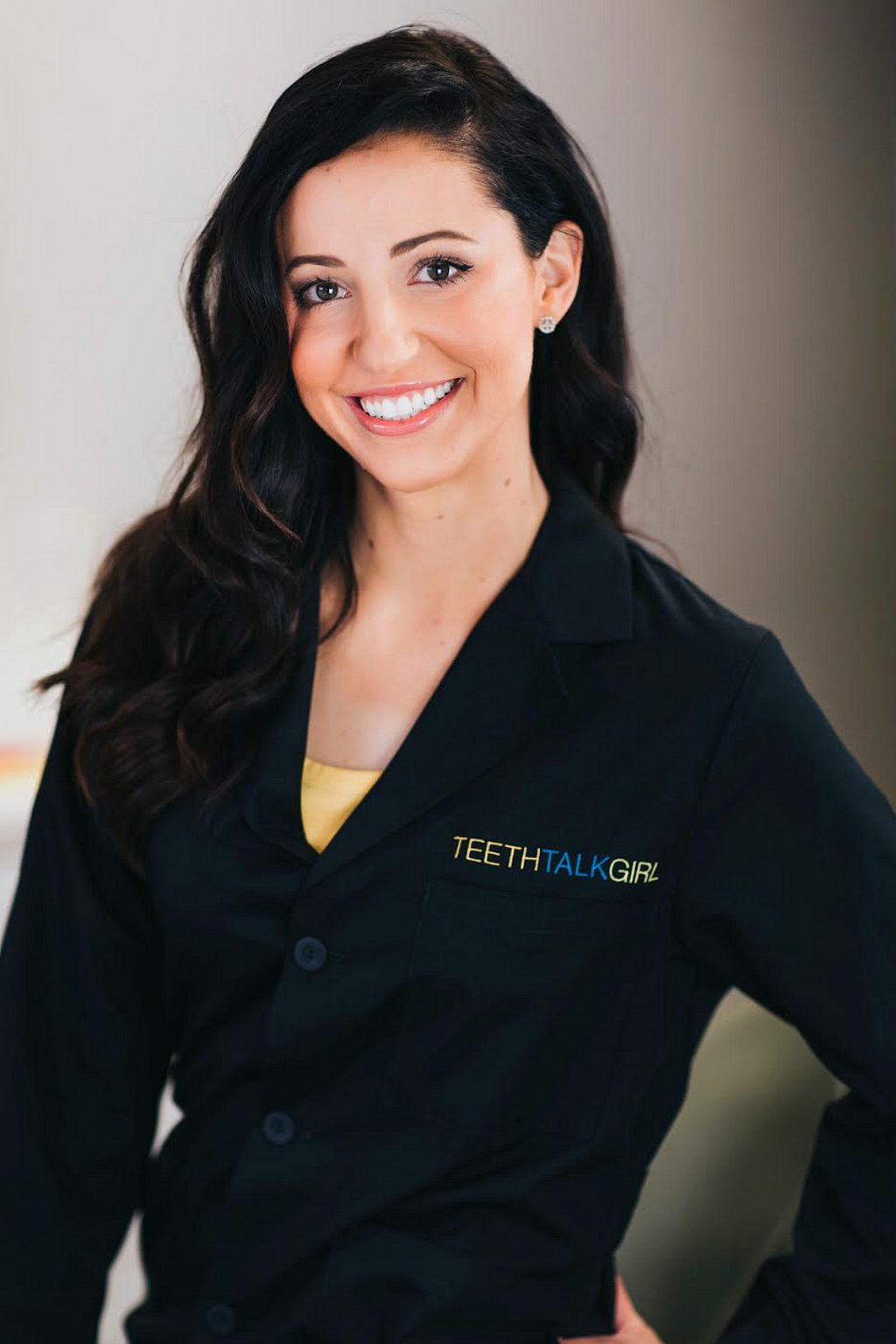
Get up and move! A simple walk around the block can really change the vibe of your entire day. I personally have been LOVING daily yoga and stretching for a clear mind.

As a part of my series about the women in wellness, I had the pleasure of interviewing Whitney DiFoggio, a Registered Dental Hygienist and Founder of Youtube Channel, Teeth Talk Girl and TeethTalkGirl.com.

Over the past five years, Whitney has leveraged the web to share information surrounding the importance of oral health worldwide through her social media accounts and website. With over 232K subscribers and over 44 million views, Whitney’s YouTube channel, “Teeth Talk Girl,” helps educate the general public on how to keep up their oral health. In addition to her Youtube Channel, Whitney recently co-founded a company called Happy Teeth where for every item purchased, an oral health kit is donated to someone in need. Whitney graduated from the University of Illinois Chicago with a Bachelor of Science in Biology and attended Prairie State College for Dental Hygiene.

Thank you so much for joining us in this interview series! Our readers would love to “get to know you” better. Can you share your “backstory” with us?

Thank you so much for having me! So, I’ve always loved both teeth and acting. It was hard for me to decide if I wanted to study theater or dentistry in college. Long story short, I chose dental hygiene school and did some acting on the side throughout college. After I graduated, I was working full-time as a dental hygienist and loving it, but I started to miss acting and that “on-camera energy” so much. I was unable to audition for most shows and film projects due to my rigorous work schedule, so I thought why not get my “entertainment energy” out on my own by making videos about teeth at home! At first, I truly thought I would just send the videos to my friends and family, but then I posted one onto YouTube and a bunch of people started watching and requesting more! It was super organic how it all came together and my audience has been growing ever since. Combining my passions of both teeth and acting/being on camera simply just makes sense and aligns with my life. Now, 6 years later, my YouTube channel (YouTube.com/TeethTalk) has also expanded into a dental health platform on my website (teethtalkgirl.com) where you can find both articles and videos about countless dental health topics (information about bad breath, oral cancer screenings, bleeding gums, teeth whitening, etc.). I am so proud of my dental health platform (Teeth Talk Girl) which provides free dental health education to the public, and I’m so happy to be sharing my story!

Can you share the most interesting story that happened to you since you started your career? What were the main lessons or takeaways from that story?

The most interesting thing that has continually happened to me was stressing out every time something was “the biggest and most important thing I’ve ever done” because I’ve come to realize that the next “big and important thing” will ALWAYS be bigger and more important than the last thing.

For example, when I was taking my dental hygiene board exams, I remember feeling the most stressed and nervous I’ve ever felt, to the point where it made me dizzy and lightheaded. That has happened every time I do something important, such as signing a big contract, creating a big video, etc., ever since.

What I’ve learned is that there is no reason for me to feel like that. I need to understand that when I am prepared to do my best, I need to trust myself to do my best. Trusting myself was one of the hardest lessons to learn (especially because I’m an overthinker), but now that I’m slowly getting better at it, I have SO much less stress in my life.

Can you share a story about the biggest mistake you made when you were first starting? Can you tell us what lesson you learned from that?

I would have to say my biggest mistake was thinking I could do it all. I was working full time chairside (as a clinical dental hygienist) in addition to working full time on my business, which consisted of both my YouTube videos and my oral health website. As I started expanding my business and hiring more help, I thought things would slow down and I could continue to work fulltime chairside (because I love it so much)! But I quickly learned that BURNOUT IS REAL and I could not continually juggle a million things. Trying to work three full time jobs was not healthy for me. Even though I loved it, my body was burning out. So the best thing I learned was that it’s okay to love multiple things, but it’s not okay to overwhelm yourself trying to do them all. Balance is key to a happy and healthy life.

Let’s jump to our main focus. When it comes to health and wellness, how is the work you are doing helping to make a bigger impact in the world?

The goal of my work is to educate EVERYONE about the importance of dental health. Most of us were never properly educated on how to floss, for example! I, myself, didn’t learn how to use proper flossing techniques until I was in dental hygiene school. Everyday I have either my patients at work or the comments on my videos tell me how they didn’t know either. So, with my social media, I’m able to reach a large number of people each day to share awareness about the importance of dental health and proper home care techniques in caring for our mouths.

Can you share your top five “lifestyle tweaks” that you believe will help support people’s journey towards better wellbeing? Please give an example or story for each.

1. Make sure to take time out of the day to care for yourself: whether it be a bubble bath, listening to music, or even 5 minutes of silence while you lay in bed. Self-care is really important and I would say it’s critical for a healthy life.

2. Don’t let brushing and flossing your teeth feel like a chore. My whole message on my social media is how such simple things that take less than 2 minutes can change your overall life. Gum disease is related to many conditions, such as diabetes and heart conditions. So brushing and flossing is not just for “fresh breath”: it can actually prevent gum disease, which contributes to better wellbeing.

3. Connecting with your loved ones is the most important thing in my life! Even if you are unable to physically see the people you love, scheduling a virtual hangout such as a phone call, zoom, or texting can be an immediate mood booster.

4. Get up and move! A simple walk around the block can really change the vibe of your entire day. I personally have been LOVING daily yoga and stretching for a clear mind.

5. Volunteer! Honestly, sometimes we are just “doing the motions” in life: working, eating, sleeping, repeat. However, when you add volunteering into your life, it gives you an opportunity to both serve and grow.

If you could start a movement that would bring the most amount of wellness to the most amount of people, what would that be?

I think if a clear message about how dental health directly relates to your overall health went mainstream (not just on social media) then more people would know and understand this concept! So many people tell me that they had NO IDEA that gum disease directly relates to heart disease, for example. And oftentimes, when patients learn this information, they end up working harder and putting more effort into their dental home care. So, the movement would be making more mainstream media content regarding dental health (even if it were to be something like a comedy television show about a dental office) to help gain awareness and help the public start thinking more about the importance of healthy teeth.

What are your “5 Things I Wish Someone Told Me Before I Started” and why?

1. “Stop caring SO MUCH about what you look like.”

I used to spend so much time making sure I looked super-camera-ready for my videos until I realized it’s way more important to spend that extra time on other, more important, things. Time is important and use it wisely.

2. “You can’t do it all…even if you think you can.”

I’ve always been a so-called “busy girl” who tries to juggle it all, but I’ve come to the point of burnout due to working full-time clinically as a traditional dental hygienist and full-time creating “Teeth Talk Girl” dental health YouTube videos and oral health website. Now that I work part-time clinically and have help with my videos and website, I now also have time to breathe!

3. “Breathe.”

I never realized how important meditation and yoga could be until I started reading a bunch of motivational books and “boss girl” type books. Every single author in these books seems to mention something about daily yoga or meditation or even practicing some type of faith. Whichever you choose, I would suggest adding it into your daily routine.

4. “Stop perfecting everything.”

I think most dental hygienists tend to be detail-oriented and borderline perfectionists due to the type of job we do. However, when it comes to YouTube, social media, and building a brand, you have to just keep moving and be okay with things not being “perfect” at the start.

5. “Companies aren’t always nice.”

It was a huge wake up call when I realized that some companies care more about money than helping people. I’d never dealt with anything like that before so it was really hard to take in. I’ve always been lucky to work with people who all morally feel the same way I do, so going from my small private dental office group to the big corporate world of dentistry was definitely different and scary. Being mentally prepared for uncomfortable business situations is something to always keep in mind.

Sustainability, veganism, mental health and environmental changes are big topics at the moment. Which one of these causes is dearest to you, and why?

Mental health! Dental anxiety is a real thing. So many patients have past childhood trauma and/or fear of the dentist. Knowing that so many patients are nervous about visiting the dental office, I’m determined to help educate and care for all patients so they can comfortably receive dental care.

What is the best way our readers can follow you online?

My YouTube channel is YouTube.com/TeethTalk and my Instagram is @teethtalkgirl. In addition, my website is teethtalkgirl.com and I also have a facebook page (@teethtalkgirl) where I post my YouTube videos and website articles as well!

Thank you for these fantastic insights!


Women In Wellness: Whitney DiFoggio of Teeth Talk Girl on the Five Lifestyle Tweaks That Will Help… was originally published in Authority Magazine on Medium, where people are continuing the conversation by highlighting and responding to this story.

Women In Wellness: Debbie Rosas of Nia on the Five Lifestyle Tweaks That Will Help Support People’s…

Women In Wellness: Debbie Rosas of Nia on the Five Lifestyle Tweaks That Will Help Support People’s Journey Towards Better Wellbeing

An Interview With Candice Georgiadis

Live skin to skin. Being touched by the world and touching the world in return is our most intimate and pervasive sense. The skin is our largest organ and is constantly touching and being touched. But connecting that to pleasure, we can experience deep wellness throughout our body and inner being. My feet are the hands that touch the earth, and have 7,000 nerve endings. When those nerves can receive sensation from the ground up, we can feel the pulse of the world around us resonate within. Sense the fabric on your body, touch the bark of the tree you walk past, embrace the water that you swim in. These are amazing experiences when done intentionally.

As a part of my series about the women in wellness, I had the pleasure of interviewing Debbie Rosas.

Debbie Rosas is the founder and co-creator of the Nia® Technique. Dedicated lifelong to self-healing and self-mastery, Debbie has been a pioneer in the body-mind fitness industry since 1976. Credited with establishing the mind-body fitness category, she is a leading fitness innovator, teacher, author, choreographer, performer, healer and artist whose work greatly influences the lives of thousands worldwide. After nearly 40 years, Debbie continues to offer classes, workshops and trainings online and in-person around the world.

Thank you so much for joining us in this interview series! Our readers would love to “get to know you” better. Can you share your “backstory” with us?

It’s interesting, because I feel like people today know me as someone who cherishes the body and mind connection. For quite some time now, I’ve been heavily involved in the fitness/wellness community, and my passion has been to help people uncover and understand the relationship between and within their internal selves and the external world around them.

But I wasn’t always Debbie Rosas, founder of Nia — once upon a time, I was disconnected from and unaware of the beautiful relationship that could exist between my mind and body. I grew up with multiple learning disabilities and somatosensory illnesses — I struggled with hearing and seeing, reading and directionality, and my body didn’t feel like a safe place for me to be within. I experienced a deep lack of confidence when it came to both my internal self and my external relationship with the world around me.

As I grew older, I began to dive deeper within my body and speak to it. I started to uncover my inner Voice, a way for me to communicate not only with my physical self but also with my spirit and soul. That was when I began to feel a true sense of safety from within.

From that point on, I began to approach life as an artist, bringing with me a deep curiosity not only of the world around me, but also of the incredible being that was me — my body, my mind, my soul and my spirit.

As a stay-at-home mother, I had a nagging feeling that I needed to do something. I began by becoming a commercial artist. After I had my second child, I experienced a deep depression. At the time, postpartum depression wasn’t a term people used or understood, so I wasn’t able to label these feelings, but I knew within me that there was something incredibly off balance. Near my house, there was a gym for women. One day, I decided to try it out, see if losing weight and feeling better about my appearance would make me feel better about my internal self, too.

Something incredible happened that day. After doing a quick exercise, I stepped off the machine, and felt as though an emotional weight had been lifted from me. I was perplexed — how could I move my leg, and feel something else, deep inside? A short while later, a friend brought me to an aerobics class. Once again, I felt the same sensational transformation within my spirit.

Walking out of that class, that same Voice within me that had guided me all my life said, “You’re going to create a movement program that uses the body. No machines — make a program of what you know.” And that’s what I did — I created my first fitness program, called the Bod Squad. Not only did we offer aerobics, but we also included a focus on awareness and meditation and offered education about health, wellness and diet. This wasn’t common at the time, and I knew we were onto something, but I couldn’t quite place my finger on it.

A few years went by, and I wanted to find a way to honor and celebrate the growth our students were showing. A martial artist invited me to his dojo to learn about the belt ranking system. When I took my shoes off, I found the missing piece to what I had been trying to accomplish at Bod Squad. I thought to myself, “How have I been teaching people to move without sensation? How have I been telling people to move the body, but not sense the body?”

That’s when I set out to create something new — Nia. While the name comes from Non Impact Aerobics, the program is so much more. Nia helps people uncover the sensation of feeling connected to themselves, which is something many people don’t even realize they’re missing. We offer people the opportunity to look within and become the conscious leader of their own body and life.

Can you share the most interesting story that happened to you since you started your career? What were the main lessons or takeaways from that story?

With Nia’s creation came the never-ending question — can you get a cardiovascular workout without jumping up and down? While I certainly knew the answer was a resounding yes, I knew that we had to dig deeper to defend the brand we had worked so hard to build. So, we invited a doctor from St. Francis Sports Medicine Clinic to come and run a test: could Nia as a program provide cardiovascular conditioning?

The results were clear — not only could Nia offer cardiovascular conditioning, but the program had a number of other incredible benefits. We could prevent many of the muscular injuries that occured during traditional, high-impact aerobics, and people of all shapes, sizes and fitness levels could take part at their own individual paces and intensities.

The main takeaway for me, though, was something much deeper. After hearing a scientist say all these proven benefits of Nia, I felt an immense wave of confidence, and I realized I had to validate every single piece of the Nia process. I had to find specific answers to each step: why was participating barefoot important? Why did we encourage people to ebb and flow out of different levels? Why did we practice on three planes of the body? I began looking more intentionally at the form and function of the human body, rather than just what made me feel good. And by using the science of the human body as a litmus test, paired with the innate focus on our inner minds and wellness, we’ve been able to turn Nia into something incredible.

Can you share a story about the biggest mistake you made when you were first starting? Can you tell us what lesson you learned from that?

My biggest mistake was thinking everyone would immediately see the same extraordinary benefits of Nia that I do. When I realized that you could get fit without punishing yourself, I imagined everyone else would immediately leap at the opportunity as well. That’s not what happened, though. Early on, I remember explaining to someone the incredible experience behind Nia — that we were getting people to move with pleasure. That person immediately responded, “People don’t care about pleasure when they’re exercising — they need to feel the pain to know it’s working.” That’s when I realized that I had to change an entire thought consciousness within our society, and show people that “No pain, no gain” isn’t the only possible mentality when it comes to getting fit.

Now, I’ve realized that people will come to Nia when the time is right for them. And once they arrive, they’ll experience the sensation of working in a relationship with their body, rather than forcing it into an uncomfortable position or tension.

Let’s jump to our main focus. When it comes to health and wellness, how is the work you are doing helping to make a bigger impact in the world?

Ultimately, Nia isn’t just about “fitness.” Instead, our program is designed to help people find healing and comfort within themselves. We work with a lot of people living with short and long term illnesses. Often, when people are diagnosed with something like cancer or Parkinson’s, they feel disempowered, like there’s no solutions or actions they can take upon themselves to better their lives. But making decisions about your own movement and truly listening to your body are things that anyone can do, even when dealing with a horrific prognosis. It makes me proud that these people can come to Nia and experience agency in their own bodies. I think it has an incredible impact both on them and their loved ones.

The same is true with mental burdens. Especially amidst the darkest days of the COVID-19 pandemic, we saw a large number of people dealing with depression and stress. Through our Zoom and on-demand classes, we were able to give people the opportunity to bring their emotional spirit to the dancefloor and relieve their bodies, minds and spirits of some of the tension they were carrying.

We had been offering online classes before the pandemic, but the past few years have been the times where we’ve really seen the impact that our Zoom classes can have. Taking part in the Nia experience within your own home is freeing in it’s own way. We realized that when people are in front of others in person, there can be a bit of “stage fright.” But when they’re in their own space, people are able to move like nobody’s watching. They can use their own voice and feel less inhibition.

Can you share your top five “lifestyle tweaks” that you believe will help support people’s journey towards better wellbeing? Please give an example or story for each.

  1. Live skin to skin. Being touched by the world and touching the world in return is our most intimate and pervasive sense. The skin is our largest organ and is constantly touching and being touched. But connecting that to pleasure, we can experience deep wellness throughout our body and inner being. My feet are the hands that touch the earth, and have 7,000 nerve endings. When those nerves can receive sensation from the ground up, we can feel the pulse of the world around us resonate within. Sense the fabric on your body, touch the bark of the tree you walk past, embrace the water that you swim in. These are amazing experiences when done intentionally.
  2. Use your voice. Especially if you’re living alone or working in a home office, you may not be exercising the tongue and the mouth much. Keep them coordinated by speaking out loud. Read a book out loud, talk to a news anchor and exhale, using your loud breath. Blending your body and breath can grow your connection to your inner Voice and align you from the inside out.
  3. Activate the mindset of RAW. — The practice of RAW (Relaxed body, Alert mind, Waiting) infuses the body with the listening sensation. Particularly in times with stress in our relationships, RAW can help us listen and allow others to find their own engagement without us feeling pressure to fix or change them.
  4. Feed the body with five sensations:
  • Flexibility. Experience the sensation of energy moving out and along your bones. Lengthen yourself through the crown of your head and give the body what it wants — volume and space.
  • Strength. We use strength in everything we do. Packing energy in your bones and squeezing to align yourself allows us to execute movements with ease and grace. This is an art — it’s finding the perfect balance between squeeze and release to create a comfortable awareness and tension within our bodies.
  • Mobility. Mobility is the sensation of energy and constant motion. These sensations are happening within our body — our lungs are intaking air, our hearts are pumping our blood, our stomachs are creating energy from the food we eat. By becoming more aware of our inner mobility, we can become one with our bodies and souls.
  • Agility. Agility is the starting and stopping of our movement. Our breathing starts and stops, our mind starts and stops as we move from one topic to another. We use our agility when we drive a car, or when we move across the room.
  • Stability. When we bring these senses into a workout or everyday activity, we have to have stability. Your life and wellbeing relies on your stability and inner balance. And, when you enter into a workout, your body must stay in a place of resting, readiness and action. We need support from underneath and behind us. Balancing the stimulation that our body experiences allows us to stay healthy and well.

5. Return to the body’s playground. When learning to walk, every able-bodied human goes through five key movements to stand up and walk. By returning to these stages, we can experience inner healing and begin to redevelop our flexibility, strength, mobility, agility and stability in just minutes.

  • Embryonic. With your spine on the floor, move like a fish in water. Toss and turn, move from your back to your belly and twist your spine. When we’re on the ground, our body knows we can’t fall, so we experience higher levels of relaxation and relief.
  • Creeping. Rest on the floor belly down and begin to move in a lizard-like pattern. Allow the left and right sides of your body to begin organizing themselves into cohesive units.
  • Squatting. The squatting portion of this stage can be difficult for some adults, but with time and practice you can regain your inner child’s strength. Enter into a squatting position, similar to a monkey. Feel the parts of your body that have lost resiliency. Shift your body weight and begin reclaiming the flexibility you once held in your hips and legs.
  • Standing. Press your feet down into the ground and stand. You’ll experience a blast of inspiration that comes from this sense of balance between gravity and electricity. You’ve freed and aligned the energy systems that go into your body, and can now engage with the world around you in a more thoughtful, balanced way.

What are your “5 Things I Wish Someone Told Me Before I Started” and why?

  • Trust your gut. Some people call it your second brain, I call it your first.
  • Follow your heart. We’re always guided by meaning and purpose. We should ask ourselves, “How did I end up here? Why am I doing this?”
  • Don’t settle for the status quo. Daily, feed your body with new information. Always think: “What else?” Curiosity is one of our greatest gifts.
  • Observe the path you’re on. Check the choices and decisions you’re making against their intentions. If my purpose is to inspire people to feel and heal, then I need to ask myself if that intention was accomplished after every workout or piece of writing.
  • See everyone in life as unique and sacred. Rather than thinking you have to compete with someone, recognize and welcome the difference between you and them.

Sustainability, veganism, mental health and environmental changes are big topics at the moment. Which one of these causes is dearest to you, and why?

I’m incredibly passionate about sustainability of the human heart and the conscious being. I believe that we have lost sight of what it means to be a conscious human: of what it means to be conscious and compassionate. One of our biggest abilities for connection is through our bodies, and yet so many people are unwilling to look each other in the eyes or touch and connect. I hear often that people feel as though they have to protect themselves, but that is how we lose connection with each other. We all have that inner child inside of us. I think it’s incredibly important that we all cherish and nurture that inner child with the space and opportunity to connect. If we don’t start waking up and understanding that we need to touch and connect, we will face the loss of a part of the collective human heart that we won’t be able to get back.

What is the best way our readers can follow you online?

To keep up with Debbie and all things Nia visit,

Website: https://nianow.com/

Nia TV: https://www.niatv.fit/

Instagram: @niatechnique

Twitter: @niatechnique

Facebook: @NiaTechnique

YouTube: @NiaTechnique

Thank you for these fantastic insights!


Women In Wellness: Debbie Rosas of Nia on the Five Lifestyle Tweaks That Will Help Support People’s… was originally published in Authority Magazine on Medium, where people are continuing the conversation by highlighting and responding to this story.
Female Founders: Brittany Lammon of The Chub Rub Patch On The Five Things You Need To Thrive and…

Female Founders: Brittany Lammon of The Chub Rub Patch On The Five Things You Need To Thrive and Succeed as a Woman Founder

An Interview With Candice Georgiadis

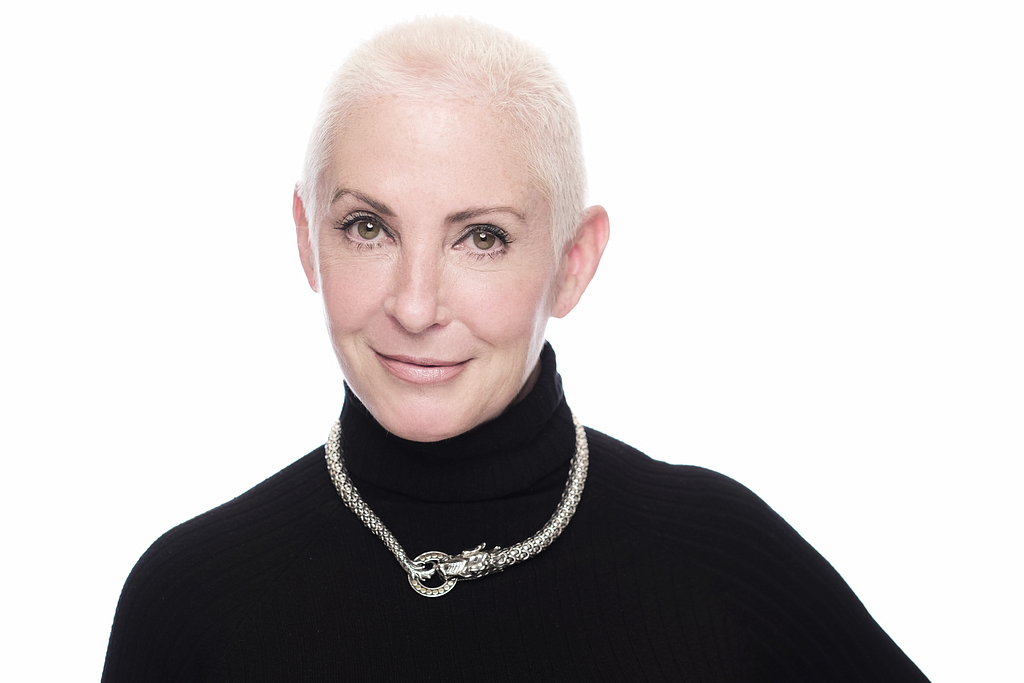
Developing relationships & talking with many people that may or may not be beneficial for your company is key to creating your own success. Always have an open mind. I have created countless new relationships through my own journey. I have also had to sacrifice some relationships that were not beneficial to my vision. This can be hard, but you have to believe in yourself and your product or service and you have to know what is best for your own success. -You have to be comfortable with seeing your own weaknesses and being able to identify areas of opportunity. This goes back to the mistakes I first made when starting this business. I had to be able to see where I was falling short and I had to become comfortable with hiring out to help me with things I wasn’t good at, or things that needed an expert’s touch.

As a part of our series about “Why We Need More Women Founders”, I had the pleasure of interviewing Brittany Lammon.

Brittany Lammon, inventor and CEO of her company The Chub Rub Patch, is a makeup and hairstylist to the stars. She currently works with the biggest entertainment industry in the world, the WWE. She travels around the country and the world making the Superstars of the WWE look fabulous with her hair and makeup expertise.

Thank you so much for doing this with us! Before we dig in, our readers would like to get to know you a bit more. Can you tell us a bit about your “backstory”? What led you to this particular career path?

I have been a hairstylist for the past 19 years, and my passion for inventing really started when I invented a tool for hairstylists that helped open bobby pins. I have always been creative and also very passionate about helping women feel more beautiful.

Can you share the most interesting story that happened to you since you began leading your company?

I would have to say the most interesting story would have to be how I went viral on TikTok multiple times. This is really how my company became a success. We made some fun little videos and seeing the amount of views and the amount of times the video was shared was exciting. The outreach of TikTok is incredible. The comments from women all over the world about how this product was exactly what they were looking for or how much it has helped them was amazing. We are now selling in 10 countries because of TikTok.

Can you share a story about the funniest mistake you made when you were first starting? Can you tell us what lesson you learned from that?

Starting your own business is hard and I have made many mistakes since the beginning. When I first started on this journey I really thought I could do it all on my own and I was afraid to ask for help. I think this is a common theme with women no matter what they may undertake. A new mother is afraid to ask for advice because she may be seen as not good enough. A new female director may be afraid to ask for help because she may be seen as not up to the challenge. I learned through countless failures that there are people out there who can give me great advice, and there are people I need to be able to count on to help me. Don’t be afraid to go to those who may have been down this road and ask them to help you.

None of us are able to achieve success without some help along the way. Is there a particular person who you are grateful towards who helped get you to where you are? Can you share a story about that?

My sister Megan is really the person who keeps me organized and on top of everything that comes along with running your own business and I am so incredibly grateful to have her by my side through all of this. She definitely is the organized one out of us two. She has the patience of an angel when dealing with me and she runs my day to day operations when I am on the road. She has always been that person that has never questioned any of my endeavors; she only questions what she can do to help me. Megan has always been my biggest fan. She also remembers all of my passwords as well which is a great help.

Ok, thank you for that. Let’s now jump to the primary focus of our interview. According to this EY report, only about 20 percent of funded companies have women founders. This reflects great historical progress, but it also shows that more work still has to be done to empower women to create companies. In your opinion and experience what is currently holding back women from founding companies?

I think what is holding back women from founding companies is that we are too scared to fail so we never try it at ALL. When you are passionate about something you just need to start somewhere, even if you fail and have to try again a hundred times. We want to be great at everything we do and all the roles we as women take on- being a mother, wife, friend. We are so worried about what people will think of us if the company isn’t a success that we never try at all. A lot of great ideas are lost that way

Can you help articulate a few things that can be done as individuals, as a society, or by the government, to help overcome those obstacles?

I believe that as a society we could uplift and support other women’s companies by promoting or advertising one another’s brands/products. I also believe we can come together as a community of women- maybe in group settings or open forums and discuss these issues together. We can help each other find solutions for obstacles that we may share in common. Maybe there is another powerful female founder out there who has been where you are and they can provide help or some sort of mentoring to get you over that obstacle. Companies are predominantly founded by men, and I believe we should not be afraid to ask for advice and professional guidance from successful company founders that are men. That being said I also think women who are brave enough and passionate enough to found a company need to be given the respect and professional courtesy they deserve. Most importantly, my individual belief is that we are all human and we all share a common goal in succeeding as an Entrepreneur. We as a human race regardless of gender need to show support for one another and champion behind anyone who strikes out to start a new company.

This might be intuitive to you as a woman founder but I think it will be helpful to spell this out. Can you share a few reasons why more women should become founders?

Women as a whole put passion behind anything they put their mind to. If women believe in something enough to put their whole heart into it they always achieve it. I am not saying men don’t do the same, but from my experience women pour their passion into everything they truly believe in. What holds a lot of women back is the fear of the unknown, but you will never know what you can succeed in if you don’t try! There is nothing wrong with failing, actually you learn just as much from failing as you do in succeeding. The most important thing is that you can say you did it! If more women could overcome that initial fear of trying (and the fear of failing!) it would increase the percentage of businesses that are founded by women. Celebrating the courage and success of women founders could help inspire other women to do the same!

What are the “myths” that you would like to dispel about being a founder? Can you explain what you mean?

There are a couple myths I would like to address in being a founder of my own company. People may think having your own company is an overnight success, but what many are actually seeing is the end result of years of trying, failing and trying again. They do not see the endless hours that are put into the process. Achieving success in business can be at times what feels like an endless loop of trial and error before the desired final product or service is reached. Some may perceive that success is easy and it just comes to those who try fairly quickly. That unfortunately isn’t the case. You have to develop a work ethic like never before because this is your vision and no one else sees what you see in the end. Working for myself may be the most difficult thing I have ever done. I am in control of my own destiny and I have to make sure I am focused and dedicated because I know no one else is going to force me to finish or is going to tell me how many hours I need to work on this. I am my own boss and my successes and failures fall right back to me.

Is everyone cut out to be a founder? In your opinion, which specific traits increase the likelihood that a person will be a successful founder and what type of person should perhaps seek a “regular job” as an employee? Can you explain what you mean?

I don’t believe everyone is cut out to be a founder of their own company, and that is totally ok. It is the work ethic that is most important. You have to be able to have a clear vision of what you want and know that it will take countless hours, unwavering dedication and the ability to overcome failure. Being a founder takes discipline, dedication, an endless drive to succeed, and the ability to work through obstacles that will throw you off track. Some people are complacent with a 9 to 5 corporate job where they know exactly what they are doing on a day to day basis. Founding your own company means taking on a lot of unknowns and not always having a manager to tell you how to do something or what resources to check out when you have questions or need assistance. Being your own boss and having control of your own destiny is a scary thing, but in the end the taste of success is the sweetest victory ever! But it doesn’t stop once you have achieved the desired outcome; you have to keep being dedicated and have a passion for work each and every day. Continued success means continued passion for what you are doing. It means changing the way you are doing things to meet the needs of the present, while anticipating the needs of the future so you can stay on that road to success.

Ok super. Here is the main question of our interview. What are your “5 Things I Wish Someone Told Me Before I Started” and why? (Please share a story or example for each.)

-The investment is going to be more than you ever expected. You may need to find avenues to help you with that and that can be tough.

-The amount of hours are endless. This is not a 9–5 job. The projection time for release date or opening may be pushed back later than expected as well. I started this company while still working full time as a hair stylist and makeup artist and traveling much of the time I am doing that. This means I am spending my “off time” still working, and that takes a lot of discipline. You have to be truly invested in your passion to make it work. -You always have to keep evolving. Always staying up with the latest trends, taking courses, and reading new material to keep your business at the top of its game. I am constantly watching Tik Tok, perusing social media and talking to my friends and family to make sure I am providing what people need now

-Developing relationships & talking with many people that may or may not be beneficial for your company is key to creating your own success. Always have an open mind. I have created countless new relationships through my own journey. I have also had to sacrifice some relationships that were not beneficial to my vision. This can be hard, but you have to believe in yourself and your product or service and you have to know what is best for your own success. -You have to be comfortable with seeing your own weaknesses and being able to identify areas of opportunity. This goes back to the mistakes I first made when starting this business. I had to be able to see where I was falling short and I had to become comfortable with hiring out to help me with things I wasn’t good at, or things that needed an expert’s touch.

How have you used your success to make the world a better place?

I try to use my company/product to spread confidence in women every single day! Body shaming is a major issue in today’s society. We don’t talk about how many different body sizes or shapes there are, and if you do not fit into the cookie cutter mold of what is considered beautiful you can be made to feel bad about that. Every woman is beautiful! I want women to be confident in what they wear and how they feel. There is no better feeling in this world than being comfortable in your own skin and feeling beautiful and I truly mean that. My number one goal is to be able to have women be confident and comfortable every single day. No woman should ever feel like they can’t wear a certain style because it brings them discomfort, or their body is not a traditional shape or size. Celebrate the beauty of your own body.

You are a person of great influence. If you could inspire a movement that would bring the most amount of good for the greatest number of people, what would that be? You never know what your idea can trigger.

I am a huge advocate for women empowerment and I think that is one of the biggest movements in today’s society. WE CAN & WE WILL do anything we put our minds to! We need to be confident and comfortable in everything we do and what better way to do that with women always uplifting women! There is no greater cheerleader than a woman who can celebrate the successes of another woman. Instead of gossiping about how someone looks, give them the empowerment of being able to celebrate their beauty and feel comfortable in their own skin. Cheer your fellow women on, inspire them to achieve the greatness that is inside all of us. Instead of “I told you so” when you see someone failing, say to them “I know you can do this!” Encourage each other to keep trying.

We are very blessed that some very prominent names in Business, VC funding, Sports, and Entertainment read this column. Is there a person in the world, or in the US with whom you would love to have a private breakfast or lunch with, and why? He or she might just see this if we tag them.

Someone who I truly think is the biggest innovator in the world is Elon Musk. He is driving society to places that are unheard of and making the unknown possible. He has passion and drive even when people can’t see his vision like he does. I would love to see his mindset and be able to pick his brain on actually what has been his best advice given to him.

Thank you for these fantastic insights. We greatly appreciate the time you spent on this.


Female Founders: Brittany Lammon of The Chub Rub Patch On The Five Things You Need To Thrive and… was originally published in Authority Magazine on Medium, where people are continuing the conversation by highlighting and responding to this story.

Kieran O’Brien of MediaKits: Five Ways For Influencers To Monetize Their Brand

An Interview With Candice Georgiadis

Ad revenue from content. Platforms like YouTube pay their creators handsomely for allowing advertisers to place ads in their videos. That revenue is shared between the creator and the advertiser. YouTube channel Ryan’s World generated $30M in 2021, and Ryan is just 9 years old.

As part of my series about “How Influencers Can Monetize Their Brand”. I had the pleasure of interviewing Kieran O’Brien.

Kieran is a 22 year old tech entrepreneur and co-founder of MediaKits.com. At the age of 16, Kieran started his first company, a marketing firm in the automotive industry, which led him into creating marketing technology solutions and scaling tech startups.

Thank you so much for doing this with us! Before we dig in, our readers would love to get to know you a bit more. What is your “backstory”? What brought you to this point in your career?

So where I am today is actually a direct result of my very first business venture. When I was 16, I started a company that built brand partnerships with digital creators and influencers — which ultimately led me into the creator economy space and sparked the idea for MediaKits.

Can you share the funniest or most interesting story that happened to you in the course of your career?

When I graduated high school in 2017, I decided to take a gap year. My parents wanted me to go to college, but I didn’t want to — so we agreed that I would take a year off to prove that I didn’t necessarily need to go to college to be successful.

So during that gap year, I booked a one way flight to Australia — and once I landed there, I was flying from Brisbane to Sydney — and was seated next to a guy who happens to own one of the largest automotive brands in the country — and my business at the time was doing digital marketing for automotive brands. We struck up a conversation on the plane — and then a few weeks later, we went out in Sydney, where I ended up closing a very large deal with his company and solidified my decision not to go to college.

How have you used your success to bring goodness to the world?

So my mentor, Kevin Gordon, is the founder of a charity called the Driven Project; and the mission of this charity is to take terminally ill children for rides in fancy cars. It’s such an amazing organization and I volunteer with that organization as much as I possibly can.

Do you have any words of advice for others who may want to embark on this career path but know that their dreams might be dashed?

I have a two pronged answer to this one. So, I’ll start by answering this through the lens of being an entrepreneur. Entrepreneurship gives you the power to choose your own path in life — and while it gives you complete control over your career development and your income — it can also be extremely difficult. My advice to others who are looking to head down this path would be to not give up. Keep pushing through. It’s not easy, there are going to be lots of ups and downs. It won’t always be glamorous — but it’s absolutely worth it. The skills you learn as a byproduct of trying — from sales to psychology to how to raise money — are the biggest ROI, the biggest reward.

So that leads me to the second half of my answer — and they’re interrelated, to a point because all startup founders are entrepreneurs, but not all entrepreneurs are startup founders. So if you’re looking to also be a startup founder — I would say to focus on building a real business. Give yourself time to learn how to generate sales and earn money without investors or venture capital. Do that for a few years and then turn your focus to raising money. It will give you time to be an entrepreneur first before you step into the role as a startup founder as well.

Is there a particular person who made a profound difference in your life to whom you are grateful? Can you share a story?

So I’ll go back to my mentor, Kevin Gordon. I met him nearly four years ago and he’s been like an older brother figure to me. We have very similar backgrounds — and honestly, sometimes it feels like we’re the same person, just a decade apart. I’ve been fortunate enough to have on his counsel throughout my entrepreneurial path — from my previous company to, now, starting and growing MediaKits. Having him believe in me and continue to offer his thoughts, perspective, and guidance so freely has just been an amazing thing to experience.

So what are the most exciting projects you are working on now? How do you think that might help people?

Well, of course, MediaKits is the largest project I’m currently working on — and both myself and my partner, Casey Adams are doing it to help creators in the creator economy. One of the things that makes MediaKits so unique is that we’re creator first. We’re not building a tool where creators sign up, give us all their data, and then we sell it to various brands — we’re actually doing the opposite. We want creators to be in complete control of their data, their presence, and their partnerships. The impact that we’re chasing in this industry is building a tool that supports the creators and what they’re looking to build.

What are your “Top Five Ways That Influencers Can Monetize Their Brand” . (Please share a story or example for each.)

  1. Brand Deals. Building brand partnerships can be extremely lucrative for both parties — but you have to be prepared. You’ll want to have a media kit, portfolio, or other professional-looking materials to help land this type of paid deal. David Dobrik’s deal with Chipotle is a great example to look at.
  2. Ad revenue from content. Platforms like YouTube pay their creators handsomely for allowing advertisers to place ads in their videos. That revenue is shared between the creator and the advertiser. YouTube channel Ryan’s World generated $30M in 2021, and Ryan is just 9 years old.
  3. Creator funds. TikTok popularized this tactic — but creator funds are pools of money that creators can tap into by creating viral content on the platform.
  4. Merchandise. Many creators choose to offer merchandise and market the items to their followers. Yes Theory is a great example of this with their brand “Seek Discomfort”
  5. Courses. Oftentimes, creators grew their fame online by being great at one specific thing, which opens the opportunity for them to teach their audience how to do it as well.

If you could inspire a movement that would bring the most amount of good to the most amount of people, what would that be?

You already heard me talk about my gap year and how that time really shaped who I am, not only as a person, but as an entrepreneur and startup founder; so if I could spearhead a movement, it would be advocating for and promoting gap years before heading into the university system. Maybe they travel, like I did, maybe they achieve a professional certification, or just go experience the world in a new way.

The reality is, though, that finances are often a barrier for students considering a gap year — so, eventually, I’d love to fund gap years for underprivileged students; and this is particularly applicable in the creator economy space. Many creators pursue their careers right out of high school because they’re already generating some income through content creation; and I think that’s inspiring and I would love to see more young people feel comfortable to take a risk like that.

Maybe they reconsider college in the future, maybe not — but no matter what, that gap year will give them an entirely new perspective on life — and that’s a movement I’d love to start.

Is there a person in the world, or in the US whom you would love to have a private breakfast or lunch with, and why?

Peter Thiel; because I believe that Peter is one of the most impactful technology entrepreneurs of our time and also has one of the most interesting investment strategies I’ve seen to date. He seems like an incredibly interesting person to share a meal with and I would relish an opportunity to pick his brain.

What is the best way our readers can follow your work online?

You can find us online at MediaKits.com, on TikTok at @MediaKits, Instagram @MediaKits. My personal instagram is @kieranobrien

What is the best way our readers can follow your work online?


Kieran O’Brien of MediaKits: Five Ways For Influencers To Monetize Their Brand was originally published in Authority Magazine on Medium, where people are continuing the conversation by highlighting and responding to this story.
Casey Adams of MediaKits: Five Ways For Influencers To Monetize Their Brand

An Interview With Candice Georgiadis

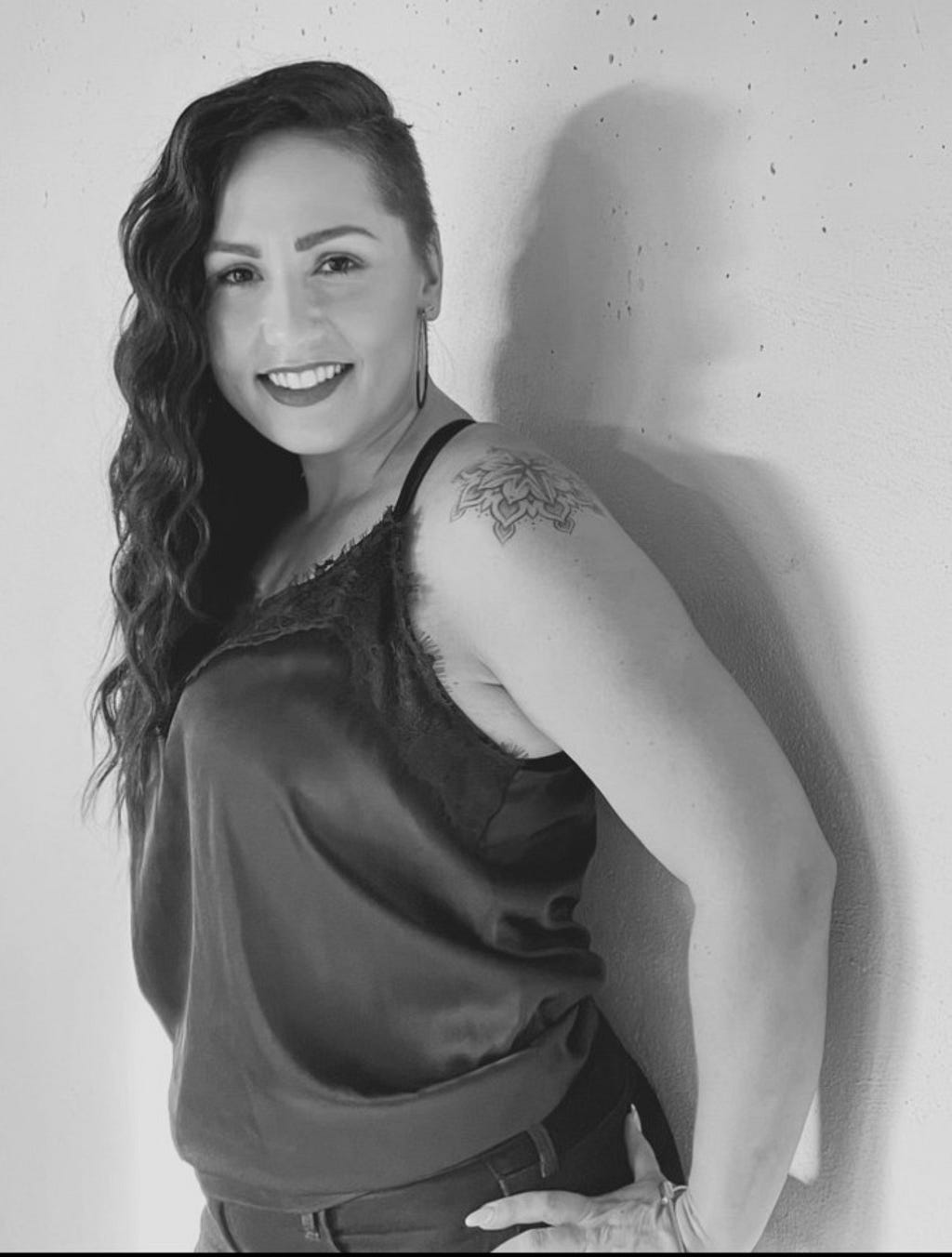
BRAND DEALS — The most effective way for creators to start monetizing their brand is to get paid to promote other products/services. Typically this happens when a creator takes the initiative to reach out and share their media kit with a brand, actively pitching themselves as a potential partner.

As part of my series about “How Influencers Can Monetize Their Brand”, I had the pleasure of interviewing Casey Adams.

Casey Adams is a 21 year old entrepreneur and co-founder of MediaKits. At the age of 17, Casey started his podcast, The Casey Adams Show, which has quickly become a top 50 business podcast. Over the years Casey has interviewed over 300+ world class individuals including the late Larry King, Rick Ross, Maye Musk, Robert Greene, and David Sacks.

Thank you so much for doing this with us! Before we dig in, our readers would love to get to know you a bit more. What is your “backstory”? What brought you to this point in your career?

When I was 15, I was almost paralyzed playing football — it actually put me in a neck brace for almost 6 months. During my recovery, rather than just watching TV or hanging out, I got really invested in personal development; and because of that, I started my first company at 16 doing Facebook advertising for local business. After that, I went through a number of transitions, started a couple different companies — but, the endeavor I’m probably most proud of, other than MediaKits, is my podcast. I’ve interviewed over 300 entrepreneurs — including Larry King, Elon Musk’s mom, and Rick Ross. That project has really helped me expand my network, make valuable connections and partnerships — and it’s really the backbone that’s led me to this point.

Can you share the funniest or most interesting story that happened to you in the course of your career?

I’ll go on with the most interesting — I actually interviewed Larry King back in 2019, and how I got the interview is really an interesting story — and one, I think that can be a great lesson for those in the creator community.

So this whole thing started when I went to a dinner hosted by the owner of the Houston Rocker, Tilman Ferittta in Beverly Hills. The majority of people there were influencers and as dinner was getting started, Tilman asked everyone to introduce themselves — and it just so happened that the guy sitting next to my business partner, Kieran O’Brien, was Chance King — Larry King’s son. Of course, I went over and introduced myself — and ultimately invited him to an event I was doing the following weekend with a number of entrepreneur personalities.

Fast forward to a couple weeks later — I’m walking through the Century City Mall with Kieran, and I happen to run into Larry King. So again, I go up and introduce myself — tell him that I met his son — and we take a picture to send to Chance. Long story short, I continued to build a friendship with Chance, and eventually it led to me having the opportunity to interview Larry King.

And the reason I love this story is because I put myself out there. I made the connection — and continued to foster that relationship — and there was no key outcome or end result that I was expecting by getting to know Chance. I didn’t introduce myself or invite him to my event because he was Larry King’s son. He’s a great person to know in his own right — so by getting to know him, and others in this industry, and focusing on more than just the immediate outcome, I’ve had a number of unexpected — but truly incredible opportunities, like getting to interview Larry King.

All that said — my takeaway piece of advice from that story would be that creators should focus on being open-minded. Take opportunities that come your way. You never know what they’ll lead to.

How have you used your success to bring goodness to the world?

I’m extremely purpose driven — and when it comes to my podcast, I strive to make the conversations impactful by really focusing on how I can use this interview to bring value to the listener. My goal is always to give them something they can take away and use in their real life — and I think the way I bring goodness to the world is by using my platform to inspire the younger generation to think differently about their future or an opportunity.

And for me, this is important because I didn’t have someone offering me that kind of advice when I was just starting out. Someone giving me practical advice or pushing me to reach for that opportunity — but knowing that I am that person for someone else is really what keeps me going, both through my podcast and through my work at MediaKits.

Do you have any words of advice for others who may want to embark on this career path but know that their dreams might be dashed?

As a creator myself, and as the co-founder of a company focusing on the creator space — I often think back to when I was just starting out. I had no content. No following. No one cared — and the concept of putting myself out there was scary. It’s easy to compare yourself to creators who are huge. They’ve been around for decades and have these huge followings — and it can leave you feeling like: “Wow. How can I do this? How can I compete?”. And my biggest piece of advice is to just get started. Don’t overthink it. The reality is, you just need to see what works. Find your groove by putting content out there and seeing what works.

I started my podcast using a pair of Apple headphones walking around my childhood bedroom — and, at the time, I was really telling the narrative to myself, but just recording it as I did. That episode never got any massive traction, but the more I dedicated myself to my podcast, the more relationships I built in the space, the more my views increased. I wouldn’t never have gotten to where I am today — from both a content and a partnership perspective — without just getting started.

The two other pieces of advice I would offer along these same lines are — one, make sure you’re being authentic to who you are and the type of content you want to create. Have a direction in mind for where you’re headed, but also — and this brings me to my second point — fall in love with the process. There’s no end to being a creator. Maybe you reach a million followers or you get that interview you’ve been dreaming about. That’s amazing — but what’s next from there? Fall in love with what you’re doing and finding ways to recreate yourself as you meet the goals you set for yourself.

Is there a particular person who made a profound difference in your life to whom you are grateful? Can you share a story?

When MediaKits first went to raise money, it was completely new for me. Raising venture capital wasn’t something I’d done before — but our advisor, Aristotle Lumis, had. He’s raised over $100 million across his various business ventures — and thanks to his expertise and mentorship, in just a few months, MediaKits went from never having raised a dollar to closing our million dollar seed round. Having someone we could bet on and trust as we went through the raising process for the first time was so impactful, it’s honestly hard to put into words what a huge help he’s been.

So what are the most exciting projects you are working on now? How do you think that might help people?

So neither of these are surprising — but my podcast and MediaKits. My podcast allows me to be a creator. I don’t think I’ve mentioned it, but I’ve actually interviewed over 300 entrepreneurs across a number of different industries — and that number just continues to grow. I want to continue finding new people to feature and new insights to bring to my audience — so that continues to be an exciting project.

MediaKits, on the other hand, allows me to support other creators in the space. Our product is designed to help creators best position themselves when they’re speaking to a new brand, without having to update their media kit every time. Their data already lives in our tool — making it really clear, easy, and beneficial for creators to advocate for themselves and build their personal brands. So, for me, of course I’m excited to build and scale MediaKits as a company — but I’m also excited to meet the needs of creators who are looking to make an impact in their space.

What are your “Top Five Ways That Influencers Can Monetize Their Brand” . (Please share a story or example for each.)

  1. BRAND DEALS — The most effective way for creators to start monetizing their brand is to get paid to promote other products/services. Typically this happens when a creator takes the initiative to reach out and share their media kit with a brand, actively pitching themselves as a potential partner. For example, the creator JR Garage (@jrgarage) has worked with many automotive brands by using a media kit.
  2. LAUNCHING A COMPANY — More and more creators are realizing how important it is to promote their own products and services. For example, Josh Richards and Bryce Hall launched Ani Energy because they knew it was a better idea than to be promoting RedBull for free.
  3. NFT LAUNCH — The creator economy is quickly shifting into web3 and it’s causing creators to look at monetization from a different perspective. For example, the famous entrepreneur Gary Vee launched an NFT project called “Vee Friends” and each NFT provides access to an annual event he’s hosting.
  4. AD REVENUE — This is very common for a lot of big YouTube creators. Monetizing your brand on YouTube is fairly simple but you need to fit certain criterias + get a lot of views. For example, in the peak of Jake Paul’s YouTube career he was making a killing from YouTube ad revenue.
  5. AFFILIATE DEALS — Creators can receive a % of the sales that they bring in for a brand through affiliate marketing.

If you could inspire a movement that would bring the most amount of good to the most amount of people, what would that be? You never know what your idea can trigger.

For me, it’s all about curiosity — and you might be wondering how I plan to start a movement around curiosity, but let me explain that a little further.

I’ve learned so much by asking literally thousands of questions to some of the world’s most influential, intelligent, and inspiring individuals; and each time I have the opportunity to sit down with one of these people, I can feel my skills getting sharper and my knowledge base getting deeper. These aren’t necessarily insights that you would learn in school. These are things that come from years of practical and theoretical experience combined. It’s life experience and on the job learning all wrapped into one.

So for me, I’d love to see more of that from future generations — that natural curiosity. The desire to learn and grow; to spend more time asking questions, listening to those around us, and continually self-educating. If I could turn that into a movement — that’s something I could see really driving value for future generations and our society as a whole.

Is there a person in the world, or in the US whom you would love to have a private breakfast or lunch with, and why?

As a podcaster I’d love to sit down and have a conversation with Tim Ferriss. His ability to have incredible conversations for hours is admirable and I’d love to learn more about how he thinks about the world.

What is the best way our readers can follow your work online?

Instagram: https://www.instagram.com/casey

Facebook: https://www.facebook.com/caseyadamsofficial

Twitter: https://www.twitter.com/thecaseyadams

YouTube: https://www.youtube.com/c/caseyadams

My media kit: https://app.mediakits.com/casey

MediaKits: www.mediakits.com

Instagram: https://instagram.com/mediakits

Twitter: https://twitter.com/mediakits

Facebook: https://facebook.com/mediakits

You can find us online at MediaKits.com, on TikTok at @MediaKits, Instagram at @MediaKits


Casey Adams of MediaKits: Five Ways For Influencers To Monetize Their Brand was originally published in Authority Magazine on Medium, where people are continuing the conversation by highlighting and responding to this story.

Female Disruptors: Ashley Thompson of MUSH On The Three Things You Need To Shake Up Your Industry

An Interview With Candice Georgiadis

“Success is not final. Failure is not fatal.” Success is not a fixed destination because the outcome of an undertaking is never the final outcome. The story always unfolds another chapter, and what may have been good at one point inevitably leads to something less good. This is the beauty of life; it’s amazing, and then terrible, and then amazing again. The second part is even more important to acknowledge, understand, and truly believe if you want to be an innovator or entrepreneur. Failure is not final, and yet we fear it deeply. Every life form seems to strive to its maximum except human beings. Why? Because we are afraid to fail and therefore never start. You can only reach your highest potential when you embrace failure as an integral part of growth and life.

As a part of our series about women who are shaking things up in their industry, I had the pleasure of interviewing Ashley Thompson, Co-Founder and CEO of MUSH.

Ashley Thompson is the CEO and Co-Founder of MUSH — like oatmeal but cooler ready-to-eat oats made with simple and clean ingredients to keep you fueled throughout your day. She launched in 2015 with the conviction that easy, delicious, and nutritious food can elevate the world in powerful ways. After discovering a white space in the market while working on Wall Street, Ashley set out to create a healthy, tasty, convenient food product inspired by her favorite “hack” as a kid: cereal and oatmeal soaked in milk. Today, MUSH is the leader in its category and the line of oats with benefits are made with seven (or less) wholesome ingredients to give your mind, body and tastebuds what they need to seize the day, every day.

Thank you so much for doing this with us! Before we dig in, our readers would like to get to know you a bit more. Can you tell us a bit about your “backstory”? What led you to this particular career path?

After reflecting on what led me to where I am today, two major dots connected. In early childhood, my sister’s diagnosis with Type 1 diabetes sparked an insatiable curiosity about health and wellness. I observed her struggle physically and emotionally with her condition, and all I wanted to do was help. I turned to learning about the human body, specifically the endocrine system, as well as nutrition and the connection between physical and mental health. I became somewhat obsessive about the human experience and the body as its sacred vehicle. That obsession ultimately morphed into a desire to help people with their physical and mental health by making nutrient-dense, delicious food more accessible.

Additionally, my father embarked on an incredible entrepreneurial journey when I was two. I witnessed firsthand the “American dream”. He painted a strong mental mapping of entrepreneurship, which shaped my perspective about work, life, and the pursuit of human potential. I gravitated toward his way of life — thinking, creating, doing, resting, reflecting… repeat — and subconsciously desired the same for my own. His journey influenced me to start my own business, MUSH. The rest of my life really prepared me for the how. Building a business is hard. That’s the best way I know how to describe it. Before MUSH, I was accustomed to signing up for hard things. At thirteen, I chose to attend boarding school with rigorous academics and excelled. It was hard. I then attended a great university, studied economics and mathematics, and graduated in three years. Hard. I started my career on Wall Street as one of very few female trading analysts. Hard. I learned how to do hard things fairly well, which has enabled me to adapt and persevere on my current path.

Can you tell our readers what it is about the work you’re doing that’s disruptive?

MUSH is the cleanest, plant-based ready-to-eat oats brand on the market, made with seven (or fewer) wholesome ingredients — and no artificial anything — in order to give you clean energy and help you reach your highest potential through good nutrition. The work we’re doing at MUSH is addressing the root cause of a very real and massive problem — poor health in America — in a way that does no unnecessary harm. 32% of Americans are overweight and 38% are obese. So, 70% of us are too heavy. Nearly a third of us have diabetes or prediabetes, and more than 40 million Americans have mobility problems. Astonishingly, heart disease kills a quarter of us. And all of these medical issues were essentially nonexistent until the twentieth century.

To address the aforementioned, we make healthy food that is delicious and accessible for as many people as possible. It’s a slow process. It takes time to educate people and change their habits. It takes time to build trust with consumers. We’re a small but mighty team of MUSH advocates though, and we’re excited everyday about the opportunity in hand. We can effect real change in the world each day, one cup of MUSH at a time.

In today’s world, which is filled with perverse incentives and short-term greed, our approach is distinct, disciplined, and disruptive. In this country, we reward efficiency over effectiveness far too often, which leads to wasted resources — time, energy, imagination, financial capital — on marginally better products, services, and experiences. We are maniacal about efficiency, but sometimes what we gain in efficiency, we lose in effectiveness. I don’t believe in hyper-efficiency as a way of life. I believe in restoring and protecting human health and trust in society, and that’s exactly what we’ve set out to do at MUSH.

Can you share a story about the funniest mistake you made when you were first starting? Can you tell us what lesson you learned from that?

This one is tough. I’ve made many mistakes, some more serious than others, and I would not characterize too many as funny. I guess a more lighthearted mistake occurred when we overloaded a refrigerated truck with product. We were moving quickly, running on empty, and trying to get the job done more efficiently. Well, we got caught at a weigh station on Interstate 5 in southern California and fined. The fine wasn’t funny, but what ensued was. We had to send another three teammates in a second refrigerated truck to unload part of the product from one truck to another, all on the side of the highway. Imagine five twenty-somethings unloading a bunch of cold oatmeal on the side of a highway, with state patrol shaking their heads the entire time. All of us found it pretty amusing, though I can imagine you had to be there to get the full effect. We wasted a lot more resources taking a short cut, and we learned that there are two ways of doing things: the right way, or again.

We all need a little help along the journey. Who have been some of your mentors? Can you share a story about how they made an impact?

I have several unofficial mentors, and each brings a superpower to the table. First and foremost, my dad has been my longest-standing mentor. He’s a high learner and incredibly wise as a result. Whenever I am grappling with the human condition, I call him. I remember the first time we had a hard problem with someone on the team. He took a ton of time to listen, spent energy digesting everything, and shared unique ways of problem solving the dynamic. He also supported me emotionally. Admittedly, I was a bit distraught, and he calmed my fears. He always makes me feel better, no matter what the situation is.

Two other mentors include my executive coach Laura and one of my investors Sam. Both individuals are incredibly smart and good, deep thinkers. Laura has an ability to connect with me on so many levels and make me laugh even on the toughest days. A lot of what I am experiencing as a first-time founder/CEO is exactly that, first-time. There’s a steep learning curve, and Laura is always there to aid in the process. She has seen it in all.

Tactically speaking, Sam has incredible operational expertise. That’s actually rarer than one would think in the investment world. As an investor, he always puts his money where his mouth is, he’s like a vortex of success. He wholeheartedly champions the things he believes in and helps will them into being with his winning mindset.

All of my mentors have at least two things in common — they are trustworthy and they read a lot. Reading enables learning, and learning enables growing. My unsolicited advice to any aspiring entrepreneur is to find mentors who 1. are trustworthy and 2. read.

In today’s parlance, being disruptive is usually a positive adjective. But is disrupting always good? When do we say the converse, that a system or structure has ‘withstood the test of time’? Can you articulate to our readers when disrupting an industry is positive, and when disrupting an industry is ‘not so positive’? Can you share some examples of what you mean?

Disruption in any industry is great when it creates more benefits than consequences for our people and planet. Social media is arguably one of the most disruptive advancements in social networking, and from my point of view, has done a lot of harm on the social fabric of our great country. Apps magnify social inequities, maximizes our desire for consumption, and perpetuates a socially-isolating environment that exacerbates our anxieties in the modern world. Certainly, you get to “keep up” with everyone and anyone, live vicariously through strangers during their most perfect moments in life, and explore the world through a 3”x6” LCD screen. Is that what we want? Is that what we need? Is it healthy? Is it worth sacrificing the present moment? Is it worth our sanity? None of us are impervious to the perils of social media.

Can you share 3 of the best words of advice you’ve gotten along your journey? Please give a story or example for each.

“Don’t die wondering.” This one speaks to Jeff Bezos’s regret minimization framework. A good mode of living is to minimize your number of regrets in life. Why? Because they make you wonder. They toy with your soul and imagination. What if I just tried…. What if I listened to my heart… What if it all worked out… Discipline weighs ounces. Regret weighs tons. The truth is, no one actually regrets failure because you can always find gratitude in the journey. However, most people regret the chances they didn’t take or the opportunities they didn’t pursue. “Don’t die wondering” is my daily mantra. It’s the chief idea that empowered me to quit my fancy finance job at 24 and sell oatmeal for a living.

“Follow your gut.” This one is easy to say and often hard to do because there are common misconceptions about the gut. People incorrectly think that gut and data do not go hand in hand, but gut is actually a compilation of thousands of data points, collected through observation and experience. Human intuition is one of the most powerful decision making tools at our disposal. I used my instincts, not data, to start MUSH. Had I waited for full information, I would have started much later and probably too late.

“Success is not final. Failure is not fatal.” Success is not a fixed destination because the outcome of an undertaking is never the final outcome. The story always unfolds another chapter, and what may have been good at one point inevitably leads to something less good. This is the beauty of life; it’s amazing, and then terrible, and then amazing again. The second part is even more important to acknowledge, understand, and truly believe if you want to be an innovator or entrepreneur. Failure is not final, and yet we fear it deeply. Every life form seems to strive to its maximum except human beings. Why? Because we are afraid to fail and therefore never start. You can only reach your highest potential when you embrace failure as an integral part of growth and life.

We are sure you aren’t done. How are you going to shake things up next?

I don’t know exactly what’s next. I only know that I am not done building MUSH. How far can I go? Only time will tell. I guess what’s next is one foot in front of the other. MUSH is an inward journey as much as an outward one. I derive so much joy and satisfaction from pushing the boulder up the mountain everyday — learning about the world, life, my own limitations and how to move beyond them.

In your opinion, what are the biggest challenges faced by ‘women disruptors’ that aren’t typically faced by their male counterparts?

Some of the biggest challenges women face in business arise from societal expectations. As a woman, you’re generally not expected to win in business. You’re not even really expected to be in business past a certain age. These expectations subliminally shape our reality — our experiences, thoughts and confidence — and thus create a challenging environment in which to thrive. A simple example is the expectation that women are supposed to have children. If she doesn’t have children for whatever reason (by fate or by choice), she may be perceived adversely, which can affect her ability to show up authentically at work or build a strong social network. If she does, that may impact her probability of achieving greater accomplishments. This is just one of many expectations set by society that create a unique and challenging paradigm for most women. It’s hard to win in the war of business when society doesn’t even expect you to be in it.

Do you have a book/podcast/talk that’s had a deep impact on your thinking? Can you share a story with us?

The Daily Stoic has been instrumental in awakening my once-latent ability to identify, understand, and manage destructive emotions. When I first started MUSH, I was anything but well-adjusted. I had a difficult time controlling my thoughts, fears, and feelings. Sometimes I couldn’t even identify which emotions I was feeling (weird, but so common in modern-day society). With the help of the podcast’s daily meditations, I’ve been able to transform my way of thinking, better control my thoughts and emotions, and ultimately become a more effective communicator, leader, teammate, daughter, partner, and friend.

You are a person of great influence. If you could inspire a movement that would bring the most amount of good to the most amount of people, what would that be? You never know what your idea can trigger. 🙂

I wish I could get all of society to understand that the truest measure of wealth is your health — physical, mental, and spiritual. Incentive structures would be markedly different, and people would tend to be happier and healthier. What more could we want? A rising tide lifts all boats.

Can you please give us your favorite “Life Lesson Quote”? Can you share how that was relevant to you in your life?

AD AUGUSTA PER ANGUSTA. It’s a Latin quote that means “to high places through narrow roads’’. This quote is relevant to my life because I have great aspirations, and it reminds me never to trade off what I want in the long-term for what I want right now. Life is filled with temptations and doubt, but the path of success and lifelong accomplishment requires consistency and sacrifice. It is long, winding, and narrow.

How can our readers follow you online?

Feel free to connect with MUSH and be the first to know about all our initiatives by following along at @mush on Instagram as well as eatmush.com!

This was very inspiring. Thank you so much for joining us!


Female Disruptors: Ashley Thompson of MUSH On The Three Things You Need To Shake Up Your Industry was originally published in Authority Magazine on Medium, where people are continuing the conversation by highlighting and responding to this story.
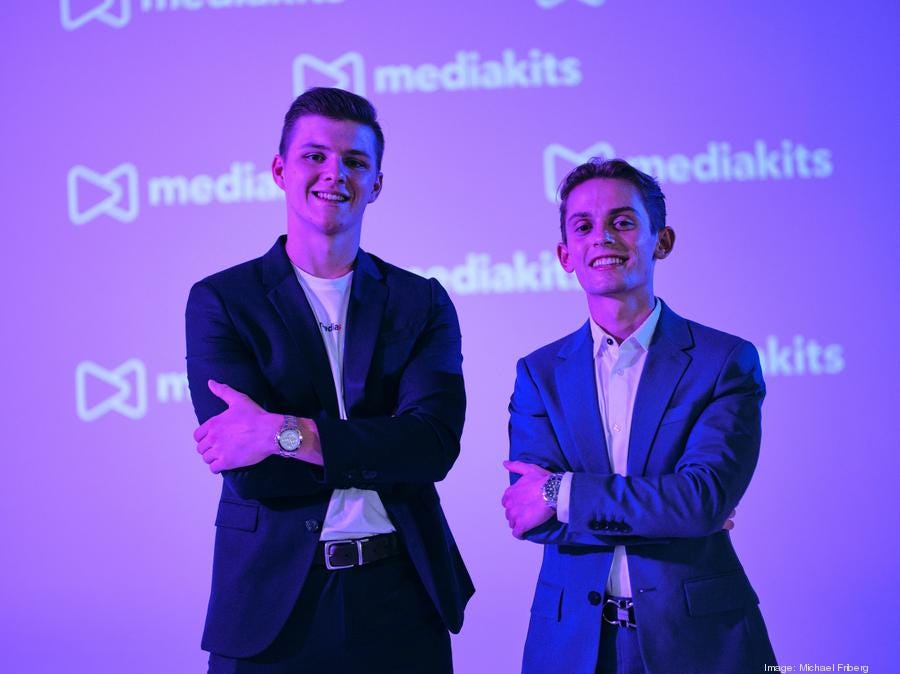
Female Disruptors: Ana Araujo Of Safe Circle On The Three Things You Need To Shake Up Your Industry

An Interview With Candice Georgiadis

It sounds cliche but, “do not give up”. It took over a year to get the app how I wanted and persistence was key. Also “filter the feedbacks” you get, people mean well but they don’t always understand your vision, even if you explain it. And sometimes “it’s ok to rest”. We get so wrapped up on the gridding idea that we forget that we are humans.

As a part of our series about women who are shaking things up in their industry, I had the pleasure of interviewing

Ana Araujo felt the need for a safety app that would actually keep her safer while she was out with friends and working. She got to work to come up with features and an alert system that actually made a difference. Now she is working to spread the word about Safe Circle App, trying to make the world safer one download at a time.

Thank you so much for doing this with us! Before we dig in, our readers would like to get to know you a bit more. Can you tell us a bit about your “backstory”? What led you to this particular career path?

I am originally from Brazil. I graduated in Journalism in 2011 and came to NYC immediately after. I felt out of love for Journalism and after years working in the restaurants business and trying to figure out my path, I decided to watch web development tutorials. And never stopped! Now I am a full stack web developer.

Can you tell our readers what it is about the work you’re doing that’s disruptive?

The old safety check apps allows you to add people from your contacts and therefore you will have access to their GPS locations 24/7.

With Safe Circle, you can create circles and Journeys. Only the people in the circle selected will have access to your information and only during the Journey.

For example, are you going on an online date? Select a Circle with your best friend. Going on a work trip? Select the circle with your manager.

And most importantly, the Alert System: When creating a Journey, you will select up to three check in times to mark that you are safe. At the time scheduled, you will get a notification to remind you to mark as safe. In case you don’t, the friends in your selected Circle will get an alert to inform that they should check up on you!

Other useful features are:

“All good” and “In danger” pins: You can create an extra layer for your alert system. The dual pin system! You can create two different pins that will be used to finish your Journey.

The first pin is the “all good” pin. If you finish your Journey with this pin, it will mean that you are safe and your Circle will be notified that you are safe!

The second pin is the “in danger” pin. If you finish your Journey using this pin, it will finish the Journey normally on your phone. However your Circle will be notified that you might be in danger and they will still have access to your Journey information.

Get Me Out: Well, if you are not in danger but want to get out of a situation, just press the Get Me Out button and your friend will be alerted to call you with an excuse for you to leave.

Emergency: You can have up to two emergency contact, then even if you don’t have a Journey set up, when you click on the emergency button, a Journey will automatically created and your contacts will have access to your GPS location. Plus they will receive an alert on their phones!

No data storage: Once you safely finish your Journey, all data is deleted! Nothing in any cloud or database!

Can you share a story about the funniest mistake you made when you were first starting? Can you tell us what lesson you learned from that?

Oh I made a few mistakes. Posting about the app publicly before it was actually ready and the only thing I got from it was insurance companies calling offering their services. Also not keeping proper track of interviews. I made a really cool video to one university in New Zealand and I was never able to find it after. Also be ready when telling people about your idea, you would be surprised how people seem prepared to shoot it down.

We all need a little help along the journey. Who have been some of your mentors? Can you share a story about how they made an impact?

I don’t have one specific mentor. I’ve been listening to my first users with very close attention. For example, the “all good” and “in danger” pin came about after a few mom’s got concerned with what would happen if the kidnapper knew about the app and told their kids to finish their Journey.

In today’s parlance, being disruptive is usually a positive adjective. But is disrupting always good? When do we say the converse, that a system or structure has ‘withstood the test of time’? Can you articulate to our readers when disrupting an industry is positive, and when disrupting an industry is ‘not so positive’? Can you share some examples of what you mean?

I believe it’s positive when ic comes to make people’s life better or easier. Being able to make a few lives better, without affecting other people in a negative way, it’s a blast. Sometimes, we can be revolutionary without harmful side effects.

Can you share 3 of the best words of advice you’ve gotten along your journey? Please give a story or example for each.

It sounds cliche but, “do not give up”. It took over a year to get the app how I wanted and persistence was key. Also “filter the feedbacks” you get, people mean well but they don’t always understand your vision, even if you explain it. And sometimes “it’s ok to rest”. We get so wrapped up on the gridding idea that we forget that we are humans.

We are sure you aren’t done. How are you going to shake things up next?

People’s favorite feature on the Safe Circle was the Get Me Out, so I launched a stand alone version of it, the Get Me Out app. I want to make it accessible and turn it into a real service to society. I want to use technology for a positive change. I am working on ideas that can make people happier and safer. Also, would love to have a free tech school for kids from low income areas some day.

In your opinion, what are the biggest challenges faced by ‘women disruptors’ that aren’t typically faced by their male counterparts?

I hate when people look at me like “oh how cute, she is doing this thing”. And when people look surprised that you are working on something that it’s actually good. Would you be that surprised if I was a male?

Can you please give us your favorite “Life Lesson Quote”? Can you share how that was relevant to you in your life?

You already have the no. Now go after the yes. — Ask for what you want and need, go for it, and if you hear a “no”, it’s totally fine. Just keep searching for the yes.

How can our readers follow you online?

@safe_circle_app

This was very inspiring. Thank you so much for joining us!

Thank you!!


Female Disruptors: Ana Araujo Of Safe Circle On The Three Things You Need To Shake Up Your Industry was originally published in Authority Magazine on Medium, where people are continuing the conversation by highlighting and responding to this story.

Women In Wellness: Erica Diamond of Bliss Essential On The Five Lifestyle Tweaks That Will Help…

Women In Wellness: Erica Diamond of Bliss Essential On The Five Lifestyle Tweaks That Will Help Support People’s Journey Towards Better Wellbeing

An Interview With Candice Georgiadis

Constantly Checking Email & Social Media. Americans check their phone on average once every 12 minutes — burying their heads in their phones 80 times a day, according to research. See if you can create two-three “check in” email blocks — mid morning and late afternoon dedicating a set amount of time to read and respond. If someone has to wait a few hours for an email response, the world won’t stop turning, so BREATHE.

As a part of my series about the women in wellness, I had the pleasure of interviewing Erica Diamond.

Teaching busy women how to prioritize self-care, Erica Diamond is a Certified Life Coach and Certified Yoga & Meditation Teacher, TV Correspondent, Founder of Bliss Essential oils, Author, Speaker, Course Creator, Podcast Host, and Founder of the award-winning women’s empowerment brand EricaDiamond.com®

Thank you so much for joining us in this interview series! Our readers would love to “get to know you” better. Can you share your “backstory” with us?

How far back would you like me to go? (laughs). After bombing my GMATS and not getting into MBA School, I built my first company from scratch in 1999 at 24 years old.

After enjoying seven years of entrepreneurship (Top 30 Under 30 Entrepreneur Award, Profit Hot 50 Award One of Canada’s Emerging Growth Companies), I sold my company in 2006 to Canada’s Largest Bag Retail Chain to raise my young boys. I was on the brink of burnout (cue the discovery of yoga and meditation), and I got as they say, “an offer I couldn’t refuse.” So, I sold my business and stayed home to mother my boys, go to mommy and me groups, volunteer at school and be present as a stay-at-home mom.

Fast forward to September 2009, with one son in grade school, and the other son in preschool, I started to get the entrepreneurial itch again, thinking “It’s time to create something again, but what will it be?” I knew I was too entrepreneurial to work for anyone else. Sitting on the fence with what I wanted to do, I imagined that if I was on the fence — an intelligent mom and savvy business woman — there were probably others who were sitting on the fence too, in many aspects of their lives as well: how to raise their kids, how to keep the passion alive in a marriage, how to manage a career and parenthood, how to know when to quit your job and try something new, how to juggle friendships, how to stay in good health, how to find “me-time,” etc.

I envisioned a hub where bright, dynamic, modern, women and moms could be inspired, empowered, educated, entertained and learn something new in their life. I started writing, and it took off immediately. Using all my coaching, self-care and entrepreneurial passion, women globally connected with the concept of being “stuck and on the fence,” unsure of where to go.

That was the birth of WomenOnTheFence.com (now EricaDiamond.com)

The rest is history, truthfully. From there it went to writing a book for women, to a weekly lifestyle and parenting correspondent job on Global News, to getting certified in life coaching, yoga and meditation, to a podcast, to a self-care course for women Busy To Bliss, to now, the birth of Bliss Essential, the highest quality and purest therapeutic grade essential oils on the market.

Can you share the most interesting story that happened to you since you started your career? What were the main lessons or takeaways from that story?

I want to focus less on the story and more on the lesson. The story is just details, but the learnings, ahhh, they’re what matters most.

After a few twists and turns along the way, after a few setbacks and failures, I have learned some big lessons.

When you put yourself out there, when you risk, it doesn’t always go according to plan. But I have more respect for those who TRY than those who stay safe and do nothing. It takes BALLS to risk.

Don’t you find that it’s always the ones who don’t risk, or who haven’t taken a chance and fallen yet, who are the most guilty of “judgey” behavior? After working with people for two decades, I can tell you, it’s the people who are out there risking, falling or failing, and then trying to get back up, who judge others the least.

Anyone who risks, is humbled by life. And they are never as quick to judge. So I am a supporter of ANYONE WHO TRIES. Trying is everything to me.

My biggest lesson you ask is best illustrated in my favorite quote, “It is not the critic who counts; not the man who points out how the strong man stumbles, or where the doer of deeds could have done them better. The credit belongs to the man who is actually in the arena, whose face is marred by dust and sweat and blood; who strives valiantly; who errs, who comes short again and again, because there is no effort without error and shortcoming; but who does actually strive to do the deeds; who knows great enthusiasms, the great devotions; who spends himself in a worthy cause; who at the best knows in the end the triumph of high achievement, and who at the worst, if he fails, at least fails while daring greatly.” — Theodore Roosevelt

Can you share a story about the biggest mistake you made when you were first starting? Can you tell us what lesson you learned from that?

A mistake I made early on was trying to do everything myself and thinking I was the best person to do them too. I thought, “I know the ins and outs of this company so I should just do it myself to ensure it’s done properly.”

Well, THAT worked out well! NOT!

I have since learned to always play to my strengths. I think women should play to their own strengths and outsource their weaknesses. Doing what I do best and leaving what I do worst, literally, to someone else, is what has made my business grow and evolve.

Let’s jump to our main focus. When it comes to health and wellness, how is the work you are doing helping to make a bigger impact in the world?

I try really hard. I think if you visit EricaDiamond.com, you will see just how hard I try. I also show up every single day to teach busy women how to prioritize self-care so that they can experience less stress, more calm and greater joy in their everyday lives. I do this in all my platforms: social media, my blog, Global TV, my podcast, my digital course, our essential oils. It is my life’s mission, purpose and passion. I am definitely in flow right now.

If I can teach one woman how to better care for her mind and body, the ripple effects are massive. It spirals out, and affects everyone in her personal and professional entourage. When a woman cares for herself and can derail burnout, her kids get a more present mom, her partner gets a more loving and patient partner, her colleagues get a more productive team member. I can go on and on.

Can you share your top five “lifestyle tweaks” that you believe will help support people’s journey towards better wellbeing? Please give an example or story for each.

If you look at a person’s daily routines and actions, you’ll likely be able to tell a lot about their health, wealth, and happiness.

Habits are key to your successes and well-being and happiness in life.

I’ll say that again for the people in the back!

Your habits are key to your success and well-being and happiness in life.

Which means, everything I often speak about when it comes to changing your life and forming new habits (it takes 21 days to form a new habit and 66 days for it to start to become more automatic), it all works, but only if you consistently stick with them.

In essence, our life is as good as our habits. The “little” things you do each day are the difference between producing positive results, no results, and even negative results. Habits dictate your well-being, your happiness, your emotions, your career, your finances — habits are everything.

The key to creating lasting change is repetition. It can’t be a one off that you do occasionally. Transformation is created when we are disciplined and couple that with the power of repetition. What you do sometimes won’t create lasting change. What you do most of the time will. Simply put, our habits become our lifestyle.

So, let’s discuss habits then as we discuss “lifestyle tweaks.” What are 5 habits that are actually draining your energy, and what kind of lifestyle tweaks can you make now?

1. Constantly Checking Email & Social Media

Americans check their phone on average once every 12 minutes — burying their heads in their phones 80 times a day, according to research.

See if you can create two-three “check in” email blocks — mid morning and late afternoon dedicating a set amount of time to read and respond. If someone has to wait a few hours for an email response, the world won’t stop turning, so BREATHE.

Same goes for social media. Create check in times, and SET A TIMER (20 minuets is fair) so you don’t get sucked into the SM vortex!

2. Complaining

Did you know that the average person complains anywhere from 15 to 30 times in a single day?

I know, it’s been COVID for eighteen months. It’s easy to complain.

Instead of complaining, try and focus your attention and energy on problem SOLVING, rather than problem creating. For example, instead of complaining how exhausted you are, try and get to bed earlier and learn how to start saying no (comes with learning about boundaries, and more on that below). Instead of telling people how overweight you feel, try and make the effort to start making some time for a movement regime.

Every time you’re about to speak and it feels likes a whine or complaint is about to come out, stop, and think again about what and how you could better say that thought. In fact, think: is there any point to saying that at all? I mean, is there really a point to complain about something you have zero control over, like the weather or the bad traffic? It’s futile when you think about it. We can’t complain about what we can’t control.

3. Taking Things Personally

This one is easier said than done, I hear you. But here’s the thing: taking things personally can be our biggest energy suck. It can literally change our entire mood by riding off of someone’s else’s vibe and then feeling like YOU’VE done something wrong. You then can start to feel resentful or like you’ve offended someone, when most of the time it wasn’t even about you at all.

We’ve been living through a global pandemic — the world is walking around more on edge, more pissed off these days. Chances are, their mood towards you HAVE NOTHING TO DO WITH YOU.

What you can do? Remember, it’s most like likely about them and not you. Stop taking things so personally. As I say often, you do you, boo. Most people are dealing with their own shit right now, so please take people’s moods these days with a grain of salt.

4. Not Getting Enough Sleep

“All the kale in the world won’t help if you’re exhausted.”

Sleeping can be your number one productivity and energy booster. Getting enough shut-eye time is the foundation of a life of happiness and well-being.

During sleep, your brain repairs and you boost your immune system. We know the studies on lack of sleep: risk of high blood pressure, diabetes, obesity, stroke and depression.

What’s the optimal amount of sleep? In a sleep study done by The American Cancer society, the findings were those who live the longest sleep 7–8 hours per evening.

I have spoken about the 4 pillars of well-being: Diet, Exercise, Sleep and Stress Management. Nurturing all the other pillars will help with sleep, obviously. If you move your body and exercise, eat well, have a stress management toolbox, you will sleep better.

A FEW QUICK SLEEP HACKS:
*Having an evening ritual or routine helps: nighttime bath or lavender tea, watch or read, journal or listen to an inspiring podcast
*Unplugging at least 60 minutes before bed
*Charging phones out of the bedroom
* Worry List: place a pad and pen on your nightstand. If you wake up in the middle of the night and your mind is racing, get it out of your head and onto paper to deal with tomorrow.

5. Constantly Pleasing Others & Forgetting Yourself

Living your life according to other people’s standards is a sure recipe for UNhappiness.

Now stay with me here.

We’re going to have a little chit chat on self-esteem and boundaries as it pertains to pleasing others.

Good self-esteem makes it possible for you to impose clear boundaries– it lets you say nowhen you want to say no, and cures the disease to please others.

You with me on that?

When you have good self-esteem, you are usually good at preserving your boundaries (ex: you don’t answer you boss’s call at 9PM, you know you are worthy of rest). You let the lines between work and play become clear: you are able to separate the two and become more present in your life. Life becomes more balanced, and people stop stepping all over of you.

If you have low self-esteem, you’re usually not so good at creating and setting boundaries. If you have low self-esteem, you become the yes girl and the people-pleaser. You might notice an invasion of work into your personal life, you might be feeling burned out and like balance is impossible to achieve.

Only pleasing others and forgetting yourself is a true energy drain.

The answer? Building your self-esteem muscle, each day. When you feel good about yourself, you will start pleasing yourself. You will realize you are worth it. You will feel deserving of happiness. You will start to feel more energized as you start to care for yourself.

Self-care is the answer to so much.

What are your “5 Things I Wish Someone Told Me Before I Started” and why?

  1. The law of 10,000 hours is real — you will get better as you practice. So practice, practice, practice.
  2. That tenacity and resilience are the greatest traits you could possess. It’s not how far down you fall, it’s how quickly you’re able to get back up. I don’t cry over spilt milk anymore, I dust myself off, and try again.
  3. That when you marry these four things and they intersect, that’s when the magic happens for you: What you love, What you’re good at, What the world needs now and What you can get paid for.
  4. That family is, was and will always be my number one priority. I have never strayed a minute from this rule. Not a minute. I have given up fruitful opportunities because it has always been family first for me. When that isn’t your first priority, wonky things can happen.
  5. That not everyone wants to see you win. That’s cool. You do you, you find your community, love them hard, and don’t be afraid to be YOURSELF! You know that you will always be in integrity if you are always your authentic self.

Sustainability, veganism, mental health and environmental changes are big topics at the moment. Which one of these causes is dearest to you, and why?

Mental health for sure. Through self-care coaching, yoga, meditation and teaching about the use of essential oils, I am literally teaching you how to rewire your brain for more calm and joy. Mental health is at the helm of everything I do.

What is the best way our readers can follow you online?

Visit our website first, EricaDiamond.com, grab a beverage of your choice and dive into 11 years of articles and content. I am also on social everyday, so come visit and say hi! I’m @EricaDiamond on Instagram and Twitter and Facebook.com/EricaDiamondOfficial on Facebook.

Thank you for these fantastic insights!


Women In Wellness: Erica Diamond of Bliss Essential On The Five Lifestyle Tweaks That Will Help… was originally published in Authority Magazine on Medium, where people are continuing the conversation by highlighting and responding to this story.

Female Founders: Vanessa Wruble of March On The Five Things You Need To Thrive and Succeed as a…

Female Founders: Vanessa Wruble of March On The Five Things You Need To Thrive and Succeed as a Woman Founder

An Interview With Candice Georgiadis

You will never not be working: being a founder in the non-profit space means always being on the clock and being available at any time to help the team and your partners, and, as we say, Get Shit Done.

As a part of our series about “Why We Need More Women Founders”, I had the pleasure of interviewing Vanessa Wruble.

Vanessa is a co-founder of March On — an organization that mobilizes the masses to build political power. March On supports and provides resources for hundreds of local affiliates and organizers nationwide, and partners with other progressive organizations on joint initiatives that work to shift the balance of power toward progressive, people-centered ideas.

Over multiple state and federal election cycles, March On has harnessed the national groundswell of grassroots energy and helped organizers channel that energy into sustainable change. Their initiatives increase civic engagement and amplify the voices of the marginalized to advance justice, fairness and equity.

In August 2021, they organized the March On for Voting Rights, a nationwide march where thousands of people joined together to demand that elected officials stop hijacking democracy, denounce voter suppression and ensure fair, easy access to the vote for all. The event was in partnership with Dr. Martin Luther King Jr.’s the Drum Major Institute, SEIU, National Action Network, Future Coalition and a network of other partners to organize events in cities across America to mark the 58th anniversary of Martin Luther King Jr.’s historic March on Washington and demand that his vision be deferred no longer.

Thank you so much for doing this with us! Before we dig in, our readers would like to get to know you a bit more. Can you tell us a bit about your “backstory”? What led you to this particular career path?

I’ve always felt the innate responsibility to make the world a better place and relieve suffering in general. I grew up in a household and went to a school that valued the importance of giving back, service, diversity, and ever since, everything I’ve done has been about helping others.

When I started, I wasn’t out there to become a huge activist, I was doing work in smaller ways and then it culminated in 2016 during the presidential election, which cemented the need to answer the call of making a much larger impact on our country’s political situation and systemic issues such as racism and sexism. This led to the creation of the Women’s March on Washington and eventually March On as an organization.

Can you share the most interesting story that happened to you since you began leading your company?

For the midterm elections in 2018, a group of activists decided to hang a giant banner off of the Manhattan Bridge that said VOTE, however, the banner ended up being so big that it took hours to hang, which eventually led to the stunt being reported and broken up by the police with only half of the banner hanging on the bridge. Even though we didn’t get to hang the banner, we still earned press coverage in every major New York media outlet promoting our mission. Was it a failure? Not sure, but I still chuckle to myself every time I think about it.

None of us are able to achieve success without some help along the way. Is there a particular person who you are grateful towards who helped get you to where you are? Can you share a story about that?

As I mentioned earlier, I’ve always felt the call to help others and a big part of that is from my father. He was a major influence on me and he put the idea into my head when I was young that I needed to do something very big to help the world — since then, he’s provided me with plenty of advice (some pieces better than others) for how I should and should not go about my career in activism.

Ok, thank you for that. Let’s now jump to the primary focus of our interview. According to this EY report, only about 20 percent of funded companies have women founders. This reflects great historical progress, but it also shows that more work still has to be done to empower women to create companies. In your opinion and experience what is currently holding back women from founding companies?

Largely, men and the patriarchy.

Can you help articulate a few things that can be done as individuals, as a society, or by the government, to help overcome those obstacles?

This is why I fight for systemic change. We need to rethink the entire way we behave as a people, so that we aren’t wired to think that men are more capable in any way than women. Right now, even if funders say they want to fund women, men still have an easier time getting money — there’s still a lot of work today as a society to try and shift this narrative.

What are the “myths” that you would like to dispel about being a founder? Can you explain what you mean?

One myth is that being a founder means working alone and making all of the decisions yourself. While this may reflect certain aspects of leadership, at March On we work in a nonhierarchical, collaborative way. I like to think of it as a collection of people who all contribute to our initiatives and larger mission.

Is everyone cut out to be a founder? In your opinion, which specific traits increase the likelihood that a person will be a successful founder and what type of person should perhaps seek a “regular job” as an employee? Can you explain what you mean?

The most important trait a founder needs to have is sheer determination. Being a founder means there will be roadblocks at every turn, and although it will be dispiriting, as long as you’re driven by some kind of passion that keeps you going, you can make it through anything.

Ok super. Here is the main question of our interview. What are your “5 Things I Wish Someone Told Me Before I Started” and why? (Please share a story or example for each.)

You will never not be working: being a founder in the non-profit space means always being on the clock and being available at any time to help the team and your partners, and, as we say, Get Shit Done.

You need to have thick skin: While sometimes this role can feel like a thankless job, it’s important to keep your eye on your goal and always know that you’re working towards making the world a better place

A lot of the work is managing interpersonal relationships: 99% of the job is dealing with people and different personalities, whether they’re part of your organization, partners, vendors and more — having good communications skills is essential

Consider the competitive landscape: Before you even begin, you need to consider other organizations or companies in the space to ensure that you will be filling a need that isn’t already filled

You have to accept reality: Something I say a lot is that you have to accept the world we live in vs. the world we wish we lived in — you have to accept reality, which sometimes means stepping outside of your comfort zone in order to grow and support your organization’s mission

How have you used your success to make the world a better place?

The first company I started (with Questlove of The Roots), Okayafrica, is now the largest media company focusing on a forward-thinking, nuanced view of Africa today.

After Okayafrica, I co-founded the Women’s March on Washington, and served as the Head of Campaign Operations, working with the team to right the imbalance of power, fight on behalf of all marginalized people, and ensure the end of structural patriarchy.

From there, I co-founded March On — an organization that mobilizes the masses to build political power. We support and provide resources for hundreds of local affiliates and organizers nationwide, and partner with other progressive organizations on joint initiatives that work to shift the balance of power toward progressive, people-centered ideas.

Over multiple state and federal election cycles, March On has harnessed the national groundswell of grassroots energy and helped organizers channel that energy into sustainable change. Our initiatives increase civic engagement and amplify the voices of the marginalized to advance justice, fairness and equity.

In August 2021, we organized the March On for Voting Rights, a nationwide march where thousands of people joined together to demand that elected officials stop hijacking democracy, denounce voter suppression and ensure fair, easy access to the vote for all. This event was in partnership with Dr. Martin Luther King Jr.’s the Drum Major Institute, SEIU, National Action Network, Future Coalition and a network of other partners to organize events in cities across America to mark the 58th anniversary of Martin Luther King Jr.’s historic March on Washington and demand that his vision be deferred no longer.

We are very blessed that some very prominent names in Business, VC funding, Sports, and Entertainment read this column. Is there a person in the world, or in the US with whom you would love to have a private breakfast or lunch with, and why?

If anyone out there reading this has resources to offer — money, a big megaphone, a strong network — I am happy to walk you through how we can truly make a difference together in this absolutely critical stage of our country. It should be clear — right now our democracy is at stake. I can’t stress that enough.

Also, I would love to chat with Obama 😉

Thank you for these fantastic insights. We greatly appreciate the time you spent on this.


Female Founders: Vanessa Wruble of March On The Five Things You Need To Thrive and Succeed as a… was originally published in Authority Magazine on Medium, where people are continuing the conversation by highlighting and responding to this story.