Women In Wellness: Kumkum Patel of Equity and Levity On The Five Lifestyle Tweaks That Will Help…

Women In Wellness: Kumkum Patel of Equity and Levity On The Five Lifestyle Tweaks That Will Help Support People’s Journey Towards Better Wellbeing

An Interview With Candice Georgiadis

Invest in yourself: physically, emotionally, socially, and financially. Growing up in a competitive world, you realize that the higher up you go, the further you have to fall. As you grow more successful, the more haters and toxic people you’re going to encounter. SO — Invest in your mental health because if you can harness peace and happiness within yourself, the outside forces won’t matter. For your mental health, seek a non-biased therapist, who can remain a neutral party. This is where you can have an outlet without the judgement or influence of toxic “friends”.

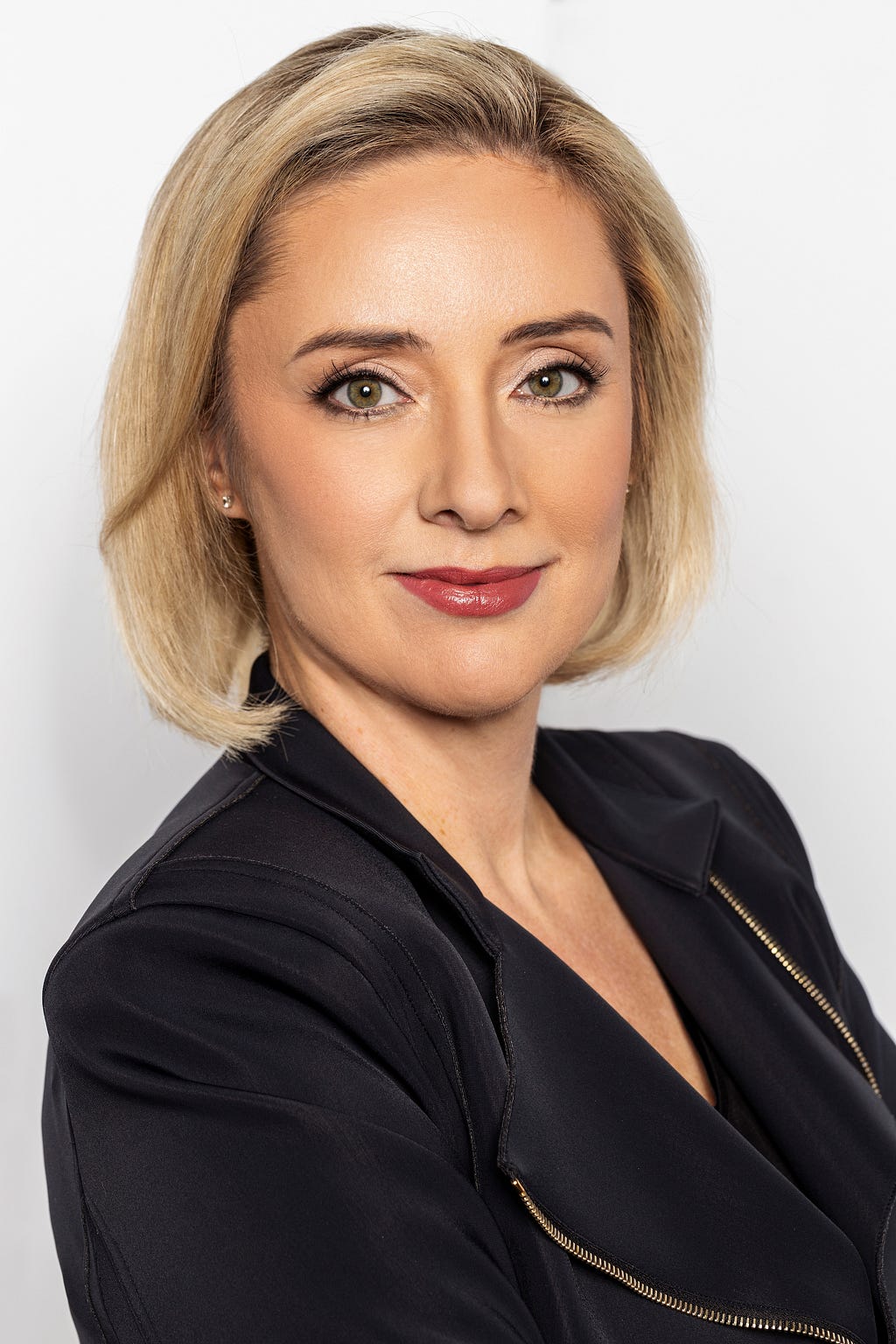
As a part of my series about the women in wellness, I had the pleasure of interviewing Kumkum Patel, MD of Equity and Levity.

Dr. Kumkum Sarkar Patel is a double-board certified gastroenterologist practicing at St. Jude and St. Joseph Heritage Medical Group here in Orange County. She specializes in irritable bowel syndrome, esophageal, and anorectal disorders. She graduated Magna Cum Laude with honors with a Bachelor of Science degree in Biomedical Engineering from Virginia Commonwealth University. She has a Master degree in Public Health from Dartmouth Medical School at the Dartmouth Institute for Health Policy and Clinical Practice and went on to get her medical degree from St. George’s University School of Medicine. She completed her residency in internal medicine at NYU Winthrop Hospital and then went on to Gastroenterology fellowship at the University of Illinois in Chicago. Dr. Patel completed specialized training in GI motility disorders at Washington University in St. Louis through the American Neurogastroenterology and Motility Society. Using her motility training, Dr. Patel helped set up the motility and GERD center at a private practice in Chicago before moving to Southern California with her husband and two young sons in July 2020.

Dr. Patel currently serves as a healthcare consultant and speaker for medical device and pharmaceutical companies. She also serves on the American College of Gastroenterology’s Women in GI Committee to promote advancement for women in GI. Additionally, she is a passionate motivational speaker, and has spoken nationally about women’s health, work-life balance, post-partum depression, burnout, and gut-health related to mental health.

Outside of medicine, she enjoys spending time with her husband and sons, traveling, and singing a cappella. Dr. Patel‘s Instagram platform can be found on @dr.gut_motility. She uses this as an informational as well as an inspirational platform — to educate others on gastrointestinal diseases while inspiring them on lifestyle choices.

Special Awards, Honors, and Leadership

  • 2021–2024 ACG Women in GI Committee
  • 2021 American College of Gastroenterology SCOPY Honorable Mention for colon cancer awareness initiative at St. Jude Medical Center
  • 2016 ACG Presidential Poster Award on Teduglutide Application for SBT Rejection — Las Vegas,NV
  • 2015 Nominee for ASGE Outstanding Manuscript Award in GIE.
  • 2014 Winthrop Research Day Poster of Distinction in Case Series for Gastric Outlet Obstruction.
  • 2013 ACG Presidential Poster Award on EFTR Case Series Poster in San Diego, CA
  • 2012 Gold Humanism Honor Society Biennial Conference plenary session speaker on instituting Humanism in Medicine projects in teaching hospitals — Chicago, IL, October 5th-6th, 2012
  • Speaker for the GHHS 2013 Induction at SGU Graduation — June 14th, 2013
  • 2012 AAPI Most Distinguished Medical Student Award — May 2012
  • 2011 Gold Humanism Honor Society Inductee & Member — Selected by St. George’s University
  • Geoffrey Bourne Scholarship from St. George’s University — merit scholarship for tuition
  • Attended the Paul Ambrose Political Leadership Institute in Washington, D.C. (2/29/08–3/3/08) to learn about health policy.
  • 2005 Barry M. Goldwater Scholarship Honorable Mention
  • One of 50 National Merit Award Winners for the National Society of Collegiate Scholars.

Thank you so much for joining us in this interview series! Our readers would love to “get to know you” better. Can you share your “backstory” with us?

I immigrated to the US in 1993, at the age of eight — I grew up in a very poor family and education was my ticket to a better life. I grew up studying very hard, graduated as my high school Valedictorian, and went on to study Biomedical Engineering in undergrad. From there, I went on to get my Masters in Public Health at Dartmouth Medical School followed by medical school at St George’s University School of Medicine. There I had the opportunity to meet my husband — with whom I completed schooling and training. We started our residency in New York and did a Couple’s Match. During this time, we got married but our lives got more difficult as we shared infertility as part of our journey. We underwent 18 months of infertility, until we finally got pregnant through IVF as end-of-third-year residents. Our fertility journey was complicated by the fact that we were separated then when we started our first year of fellowship.

I matched into Gastroenterology and my husband matched into Cardiology, but the Couple’s Match process actually put us three hours apart. So I began my fellowship journey in downtown Chicago and my husband’s fellowship was three hours south. We started our training as sub-specialty physicians: pregnant, separated, and financially in-debt. I completed my IVF shots on my own and went to my doctor’s appointments by myself. I essentially became a single mother as a first-year fellow after because I was a trainee with a small baby and no partner close by. I often questioned my purpose in becoming a physician because I barely saw my baby while working long hours, my husband barely saw our baby, and we barely saw each other. The distance and the grueling training schedules really took a big toll on our marriage and our lives: professionally, socially, emotionally, and financially.

Motherhood got more complicated as I also suffered from Postpartum Depression — something I had never really known existed — until I was going through it. In learning about it and growing through it, I found my niche in Gastroenterology as an IBS Specialist, motility, and pelvic floor specialist because I realized that postpartum hormonal and physical changes led to functional abdominal symptoms and pelvic floor dysfunction, respectively. My husband pursued a 2nd fellowship as I worked as a 1st year attending gastroenterologist where we got pregnant with our 2nd baby. After my husband finished his 2nd fellowship, we moved out to California in the middle of the pandemic to start our dream lives .

Can you share the most interesting story that happened to you since you started your career? What were the main lessons or takeaways from that story?

Ten days after I gave birth to my second baby in March of 2020 — when the world shut down and we had just been told this was a global pandemic — I interviewed via Zoom for my current job. I couldn’t fly out there but I knew I needed to make an impression over video. My biggest lesson or take away from that story was that you have to make yourself adaptable and versatile in life, because if you really want something bad enough — you can make it work no matter what. I really wanted to move to California and I really wanted a new job. So despite being 10 days postpartum, I was determined to make it work.

Can you share a story about the biggest mistake you made when you were first starting? Can you tell us what lesson you learned from that?

The biggest mistake I made when I was first starting was not realizing that “I don’t know what I don’t know.” Leaving a job in one state and starting a new job in another state is associated with making sure you have nose insurance, tail insurance, etc. Learning about malpractice insurance is important as part of your contract negotiation. Sometimes you’re not even aware of processes, business plans, or the legalities of a job contract.

In starting a business , you don’t have a manual for where or how to begin. There are hoops you have to jump and loopholes you didn’t even know existed. Sometimes, you’re in the dark. A lot of growth as a person and as an entrepreneur has come from learning that you don’t know what you don’t know UNTIL you find out that you don’t know it…and then you have to learn it.

Let’s jump to our main focus. When it comes to health and wellness, how is the work you are doing helping to make a bigger impact in the world?

I am bringing light to the fact that our gut is really the central location to our overall health. Gut health matters most because it dictates how the rest of our body will respond and react. Like Hippocrates said: All disease begins in the gut.

Can you share your top five “lifestyle tweaks” that you believe will help support people’s journey towards better wellbeing? Please give an example or story for each.

1. Prioritize your happiness and define what that means to you. An example: As I have gotten older and have children, I realize that making memories and spending time with my family has become my priority — -over being a career woman.

2. Set hard boundaries for yourself and others. This includes your availability to others for work-related matters. Set a hard start and stop time for work, phone calls, and emails. Dedicate time for when your personal life gets to take over and you can pursue personal happiness.

3. Invest in yourself: physically, emotionally, socially, and financially. Growing up in a competitive world, you realize that the higher up you go, the further you have to fall. As you grow more successful, the more haters and toxic people you’re going to encounter. SO — Invest in your mental health because if you can harness peace and happiness within yourself, the outside forces won’t matter. For your mental health, seek a non-biased therapist, who can remain a neutral party. This is where you can have an outlet without the judgement or influence of toxic “friends”.

For your physical health, do aereobic exercise so you can rejuvenate your body AND your mind through replenishing your gut microbiome.

For your social health, remove toxic people out of your life that don’t contribute positively.

For your financial health, start by investing a small amount of your take-home pay so that you eventually get passive income in the future. In the present day, learn to outsource the tasks that dont require your expertise because your time can be better spent elsewhere. That means hiring a virtual assistant to do email tasks, a housekeeper, or just an evening/weekend helper to help your with your tasks .

4. True health is true wealth — if you don’t take care of your own health, you cannot get to where you want to be. True health starts with taking care of your gut. If you don’t feed yourself the right things to allow for your body to flourish, it will no longer get you the results you want.

5. Get a full night’s sleep every night –decisions are better made with clarity and levelheadedness.

If you could start a movement that would bring the most amount of wellness to the most amount of people, what would that be?

Better gut health for better mental health. Mental health is plaguing so much of the world and it drives so much of my clinic. Anxiety and depression are at an all time high and we need to ALL be cognizant of it. Over 90% of our mood hormones and neurotransmitters are made in the gut. So if you think about it — Mood is made in the gut.

What are your “5 Things I Wish Someone Told Me Before I Started” and why?

1. Learn to carry yourself on your back. People will drop you quicker than they will pick you up.

2. You have to be ready to constantly pivot or risk getting left behind. Right now, if you want to spread messages to a consumable audience — you have to do it in a way that they are consuming knowledge, example: social media

3. Get a good lawyer. You never know when you’re going to leave a job, find a new job, or need to protect what you currently have — even protecting your likeness is part of your intellectual property and you should be prepared for that.

4. You don’t get something if you don’t ask for it. Don’t assume that you will be promoted or given a title, a raise, or even an opportunity UNLESS you ask for it.

5. Being at the top is lonely, but you have to find your own tribe to continually get your support. It’s going to be a process of trial and error as to who is in that tribe. I’ve lost and gained friends throughout my life and a lot has been because they no longer contributed positively towards my life. Once you find that tribe, cultivate your relationships within your tribe.

Sustainability, veganism, mental health and environmental changes are big topics at the moment. Which one of these causes is dearest to you, and why?

Mental Health is dearest to me because gut health is related to mental health. Almost every disease process I’ve seen has some mental health component to it. With the changes in our environment, society, politics, and everything that has happened in the world– mental health has taken the biggest toll on everyone. The fact that neurotransmitters/mood hormones are made in the gut makes mental health dear to my work as a gastroenterologist.

What is the best way our readers can follow you online?

www.kumkumpatelmd.com

Equityandlevity.com

Instagram: @dr.gut_motility

Thank you for these fantastic insights! We wish you continued success and good health.


Women In Wellness: Kumkum Patel of Equity and Levity On The Five Lifestyle Tweaks That Will Help… was originally published in Authority Magazine on Medium, where people are continuing the conversation by highlighting and responding to this story.

Women In Wellness: Dr Amanda Savage Brown of BRITE On The Five Lifestyle Tweaks That Will Help…

Women In Wellness: Dr Amanda Savage Brown of BRITE On The Five Lifestyle Tweaks That Will Help Support People’s Journey Towards Better Wellbeing

An Interview With Candice Georgiadis

Give yourself real validation: your mind knows the difference between being seen and validated versus placated or dismissed. When you’re struggling, pause and acknowledge whatever is distressing you. You don’t have to like it or agree with it, but you can validate that you’re going through something hard.

As a part of my series about the women in wellness, I had the pleasure of interviewing Dr. Amanda Savage Brown.

Dr. Amanda Savage Brown is a torchbearer for women navigating the psychosocial impacts of breast implants. She draws from her diverse background in women’s health that began while earning a PhD in genetics, continued as an officer in the United States Public Health Service, and flourished as a clinical psychotherapist. She uses only evidence-based approaches to help women reclaim their lives through mindful self-acceptance and values-guided change. In 2018, Dr. Savage Brown’s personal life and professional expertise aligned as she moved through her breast implant removal journey, recovered from disabling pain she didn’t realize was related to her breast implants, and witnessed countless women struggling with the deeply felt, yet poorly supported, mental, emotional, and social aspects of breast implant removal. To address the unmet psychosocial needs for women whose lives are touched by breast implants, Dr. Savage Brown created Breast Implant Through Explant (BRITETM) Inner Healing. It provides a skills-based approach for women to bring their whole self forward while coming to terms with getting more than they bargained for from breast implants, choosing to replace or remove them, and adjusting to their post-explant chest. It’s the foundation for her forthcoming self-help book, Busting Free, anticipated summer 2022.

Thank you so much for joining us in this interview series! Our readers would love to “get to know you” better. Can you share your “backstory” with us?

I’ve worked in areas affecting women’s well-being for over 25 years: First while earning a PhD in Human Genetics, then as a US Public Health Scientist at the CDC, and for the last decade as a clinical psychotherapist. I removed my breast implants in 2018, recovered from unrecognized breast implant illness, and saw countless other women with temporary and problem-prone breast implants struggling with the psychological, emotional, and social sides of their removal.

Can you share the most interesting story that happened to you since you started your career? What were the main lessons or takeaways from that story? The most interesting story that happened to me since starting my career was experiencing medical gaslighting when I initially sought to remove my breast implants. The surgeons I met with told me not to believe everything I read on social media and that breast implant illness (BII) wasn’t “real.” The ironic thing is that, at the time, I didn’t have any social media accounts and I didn’t know about BII. I had no idea what they were talking about but I immediately became concerned about other women experiencing that kind of treatment. My main takeaway was the inspiration to learn more about BII and its effects on women’s well-being. As I explored it, I saw the challenges that it brings through my perspectives as a public health professional and mental health clinician.

Can you share a story about the biggest mistake you made when you were first starting? Can you tell us what lesson you learned from that?

The biggest mistake I made when first starting was allowing fear to push me around. Most of us fear failure, judgment from others, and abandonment. That’s just part of being a social being who cares about group belonging. Thankfully, I was able to notice how my fear was holding me back and I used my heartfelt values to guide me rather than avoidance of failure.

Let’s jump to our main focus. When it comes to health and wellness, how is the work you are doing helping to make a bigger impact in the world?

I specialize in the psycho-social experience of women whose life journey includes breast implants. I developed a science-based program to help them navigate the inevitable decision to replace or remove their aging or problematic breast implants. It helps women be in charge of that decision, rather than society’s expectations about their body’s appearance. The program provides the foundation for my forthcoming self-help book, Busting Free. It’s the first-of-its-kind self-help book that helps women forge an unshakeable self-acceptance practice so they can find their way before, during, and long after breast implant removal. It’s anticipated publication is summer 2022.

Can you share your top five “lifestyle tweaks” that you believe will help support people’s journey towards better wellbeing? Please give an example or story for each.

1. Choose which thoughts you follow: we often treat our thoughts like commands, but we can choose whether we follow them based on their helpfulness to us. For example, some women may have health effects from breast implants but their mind convinces them to keep or replace them. That’s not helpful when your body is alerting you that breast implants aren’t working for you.

2. Give yourself real validation: your mind knows the difference between being seen and validated versus placated or dismissed. When you’re struggling, pause and acknowledge whatever is distressing you. You don’t have to like it or agree with it, but you can validate that you’re going through something hard.

3. Spend time mindfully observing nature: your mind REALLY needs to spend time in the here and now looking around, rather than starting at a screen and engaging in comparative or judgmental thinking.

4. Practice self-compassion: when you experience inner pain, acknowledge it and be willing to be there for yourself while it’s with you.

5. Live in your truth: instead of wondering what to say or how to word something, just attune inwardly to your truthful thoughts and feelings and then communicate them in a values-guided way. It’s truly that simple.

If you could start a movement that would bring the most amount of wellness to the most amount of people, what would that be?

I would teach everyone science-based strategies to forge an unshakeable self-acceptance practice. Everyone wants to give themself acceptance, but few people know how to actually DO it.

What are your “5 Things I Wish Someone Told Me Before I Started” and why?

1. Trust yourself

2. Give yourself permission to fail fast

3. See everything as work in progress

4. You matter too

5. Balance, balance, balance

These five things soften perfectionism, fear of failure, and the tremendous pressure on women who work outside the house.

Sustainability, veganism, mental health and environmental changes are big topics at the moment. Which one of these causes is dearest to you, and why?

Though I work in mental health and am passionate about helping women to bust free of the socialized learning that ties our appearance to our worth, belonging, and safety, I am also very concerned about the environment and sustainability. I’ve seen the projections of the world’s population and scarcity of food, water, and shelter resources moving forward. They alarm me to my core.

What is the best way our readers can follow you online?

They can join my newsletter, follow my blog, and stay updated about my book, courses, and workshops at my website amandasavagebrown.com

They can follow me on Instagram and Facebook @dr.amandasavagebrown

Or join my private Facebook group Breast Implant Through Explant (BRITE) Inner Companions

Thank you for these fantastic insights!


Women In Wellness: Dr Amanda Savage Brown of BRITE On The Five Lifestyle Tweaks That Will Help… was originally published in Authority Magazine on Medium, where people are continuing the conversation by highlighting and responding to this story.

Female Disruptors: Katie Charrier of Jia Loungewear On The Three Things You Need To Shake Up Your…

Female Disruptors: Katie Charrier of Jia Loungewear On The Three Things You Need To Shake Up Your Industry

An Interview With Candice Georgiadis

“Stay centered on your ‘why’.” It’s easy in the chaos of entrepreneurship to get lost in every single detail and the struggles that come with everything from product manufacturing to accounting. Each time it seems too overwhelming and stressful to be worth it, it’s very helpful to step back and remind myself that my customers want and need my products, and I’m providing them so much more than just a piece of clothing. Giving a feeling of “home” and allowing women who share their home space to actually feel relaxed — I can say from personal experience — adds so much to quality of life. So that keeps it all worth it.

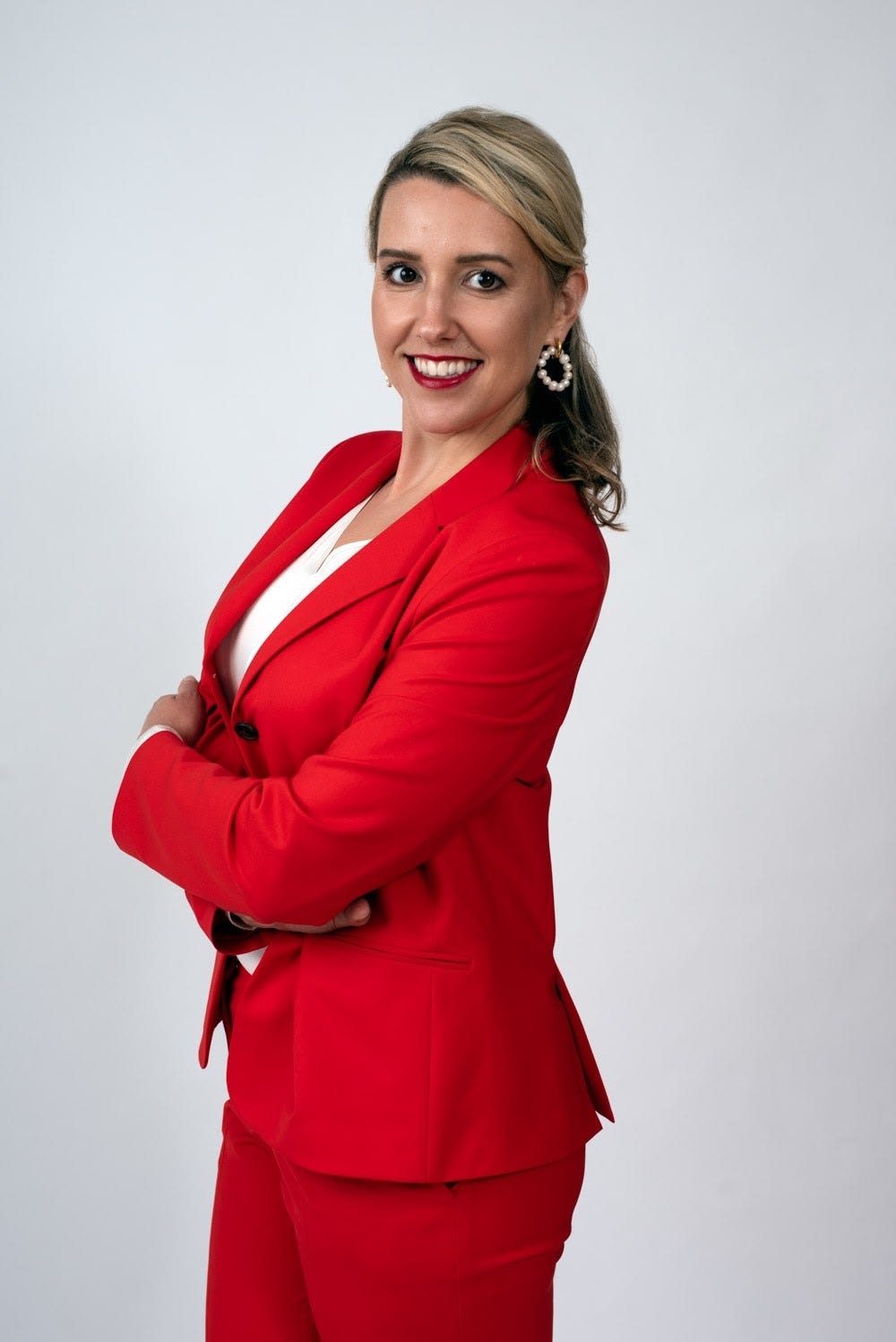
As a part of our series about women who are shaking things up in their industry, I had the pleasure of interviewing Katie Charrier. Originally an optometrist by trade, Katie ventured into apparel design and entrepreneurship in order to fill a market need for loungewear that provides coverage and comfort. As founder of Jia Loungewear, Katie strives to help women feel at home in their own body and environment.

Thank you so much for doing this with us! Before we dig in, our readers would like to get to know you a bit more. Can you tell us a bit about your “backstory”? What led you to this particular career path?

Like many startup entrepreneurs, I stumbled upon the product development path because I was looking to solve my own problem. My education is totally unrelated — I’m actually an eye doctor, and was seeing patients full-time when I fell in love with my partner, who was a single father of three kids. When I moved in with the family and became a step-mom, my new home life came with the unexpected dilemma of finding “appropriate” loungewear. I had never had to worry about others seeing me braless in my cozy clothes before! (We can probably all relate to that awkward, crossed-arms pose we do when others see us in our pajamas).

I didn’t want to have to wear a bra for 100% of my waking hours. I searched the retail loungewear market high and low to find a loungewear top that could actually provide coverage and comfort, that I could wear confidently around the family, including tween-aged stepsons. I was very frustrated to find that nothing suitable existed. The only “braless” solutions I could find were elastic shelf-bra tops, which are often less comfortable than some bras and still don’t provide much coverage. I wasn’t willing to sacrifice on the comfort of having to wear an elastic shelf for pajamas — nor did I want to continue wearing a bulky sweatshirt every evening after my post-clinic shower. I knew there had to be a better way to construct a garment to provide cup coverage without elastic. So I pulled out the sewing machine, and Jia Loungewear was born! I started sharing my product with friends and family, and realized this product could help way more women than just stepmoms. Dorm and roommate life, in-laws and other house guests, traveling, and virtual work meetings were a few immediate applications that my close circle of ladies listed while begging for a top of their own.

I realized I would have to start as a complete novice in so many branches of this entrepreneurial path, but I knew it would be a challenge that I could learn from and enjoy. I have had to learn about apparel production and pattern making, sourcing and manufacturing, e-commerce and logistics, and of course branding and marketing. As with all entrepreneurship, it will always be a work in progress in so many ways.

Can you tell our readers what it is about the work you’re doing that’s disruptive?

I’m definitely disrupting the way these products have universally, perennially been designed and fabricated for women. By construction, there was no product previously on the market that exists with the features of my current design. I know this, of course, because I looked for it first as a desperate consumer! Any previous “no-bra” products had always been designed with technical function — not comfort — in mind. For instance, the elastic band is technically the easiest way to keep a garment’s under-layer bra in place. But it’s not comfortable for loungewear! I started by questioning this age-old design. I wanted to keep both function and comfort at the center of my design choices.

Admittedly, it was difficult and took multiple iterations on the pattern design, but I ultimately created a pattern that functions well. Throughout the process, it was difficult to approach manufacturing partners with this idea, only to be faced with rejection and criticism that the design wouldn’t perform without the elastic. I can tell by the hesitancy to consider this “new” way of solving a familiar problem that I’m disrupting the way these products have been constructed — and I think that’s a great thing.

Can you share a story about the funniest mistake you made when you were first starting? Can you tell us what lesson you learned from that?

Most of my funny — or rather cringe-worthy and embarrassing — mistakes have been on social media. I am not very well-versed in these platforms, so early on when I was trying to do everything myself, I struggled with basic functions like re-posting a happy customer’s positive review video to the brand’s instagram story. I ended up making mistakes like re-posting it several times on accident in the process of trying to add a caption. It tagged my customer in every single copy of the multiple identical posts, and was an overall funny but embarrassing learning curve. Finally, my younger sister offered to take over the management of the social media accounts, which was a huge help. I still have to call and ask her embarrassing questions, such as, “what is a reel?”

I quickly learned that I won’t be the best expert on fine-tuned details of every branch of the business — and it’s not even advantageous of a founder’s time to try and do everything anyway. I learned that in any business, you could hire someone who would be way better at any particular task — whether it’s logo design or photography or bookkeeping or social media management — to keep a founder from scrambling to do every single thing. Because honestly, a founder is probably going to be less efficient and less effective at most of those tasks than an actual expert in that particular area, and it’s not a good use of time to try to learn every single skill.

We all need a little help along the journey. Who have been some of your mentors? Can you share a story about how they made an impact?

Because I received no formal training in business, I started this journey at home with a lot of self-guided education. For that reason, many of my most influential teachers and “mentors” are people, businesswomen specifically, who I’ve never actually met. For instance, it may sound like a stretch to call Sara Blakely my mentor, but after purchasing Masterclass with the sole intention of taking her course, I basically memorized it and developed what I would consider to be a significant mentee-type relationship with the content. I would revisit her recommendations and replay her advice over and over as I moved along each stage of my startup journey. I borrowed from her mindset and visualizations, I extrapolated my business growth plans with analogies to hers, and looked up to her for everything from leadership to manufacturing and pricing advice.

In today’s parlance, being disruptive is usually a positive adjective. But is disrupting always good? When do we say the converse, that a system or structure has ‘withstood the test of time’? Can you articulate to our readers when disrupting an industry is positive, and when disrupting an industry is ‘not so positive’? Can you share some examples of what you mean?

I do agree that the descriptor “disruptive” should be considered positive in today’s social and commercial climates. Disruption is good because it provides opportunities for new and improved ways of solving problems, and can introduce more diverse ways of thinking than the old mainstream norms.

However, the history of the apparel production industry does have examples of disruptions that have had negative effects we are still managing. For instance, the move toward industrialization and factory production was originally a good disruption for the industry: garments could be made by machines at much lower cost and higher efficiency than hand-sewn. However, the far-downstream result is that the “fast fashion” industry churns out such high quantities of low-quality clothing that a large percentage of it has to be literally thrown away or burned, which is clearly not an outcome that we celebrate. In this case, ironically, the new “disruptors” are brands who realign with more sustainable methods of production and consumption, to create garments that actually do withstand the test of time instead of being seen as disposable.

So I think that describes the best-intended essence of disruption: to continually reevaluate our methods and be willing to pivot and disrupt current methods in favor of solving problems in ways that align with our overall goals. To progress positively, disruption sometimes has to be an ongoing process.

Can you share 3 of the best words of advice you’ve gotten along your journey? Please give a story or example for each.

  1. “If you try to appeal to everyone, you won’t actually serve your ideal customer well.” I think this is good advice for any industry, and it has been shown that narrowing your focus, whether it is a product or service, and serving that specific niche very well is the best practice. For instance, in loungewear, I know that some women will want bust support or containment, and that is just not what my product offers. Instead of trying to create products that will appeal to every single woman — which is impossible — I provide something that is very effective at serving only women who want to feel completely braless when lounging and just have the appearance of coverage. I may have fewer customers, but they are being served much better.
  2. “Take imperfect action.” Many ambitious A-type personalities, such as myself, want to completely perfect something before putting it out into the world. I do still cringe at the thought of anyone seeing and judging my early prototypes or early efforts to promote my brand. However, if I waited until I thought something were “perfect” to release it, I would probably never release anything — and even if I did, I would probably, hopefully, continue growing anyway and would someday look back on it as amateur and imperfect later regardless. I’m still dedicated to doing my best, but I have to force myself to end that revision process and just move forward sometimes.
  3. “Stay centered on your ‘why’.” It’s easy in the chaos of entrepreneurship to get lost in every single detail and the struggles that come with everything from product manufacturing to accounting. Each time it seems too overwhelming and stressful to be worth it, it’s very helpful to step back and remind myself that my customers want and need my products, and I’m providing them so much more than just a piece of clothing. Giving a feeling of “home” and allowing women who share their home space to actually feel relaxed — I can say from personal experience — adds so much to quality of life. So that keeps it all worth it.

We are sure you aren’t done. How are you going to shake things up next?

In the short-term, I want to keep listening to my customers and providing more products that improve their lives, because it has been unexpectedly rewarding to provide a product that helps other women feel “at home” with comfort and confidence in their home environments. Ideally one day I will be able to invest in future female disruptors. Knowing what it has been like to start an entrepreneurial journey completely alone, I’d love to be able to provide investing and mentorship to the next generation of problem-solvers.

In your opinion, what are the biggest challenges faced by ‘women disruptors’ that aren’t typically faced by their male counterparts?

I think the biggest challenges to overcome are the different assumptions made, in our society, about women versus men, as many of these assumptions place women at a disadvantage when they try to step up. One example would be companies and capital firms assuming that a woman would be too distracted by her family, or speculating if she may become pregnant, and using that as justification to pass over her for a promotion or for startup funding needed to execute her big ideas. We already know that women receive only 2–3% of venture capital funding, even in recent years. And while all disruptors face criticism and doubt before their ideas are validated, I think women are often taken even less seriously, especially in STEM fields or in business, where historically we were given very little voice or opportunity at all.

However, I do feel hopeful in this new era for female disruptors, thought-leaders, and entrepreneurs. I think that culturally we are starting to pay attention to data that show that companies with women in prominent leadership roles are actually statistically more profitable, and in the startup world there is evidence that women are more successful communicators and collaborators, which allows for more accelerated growth. In some senses, the simple act of women stepping up is a disruptor in itself — a great one.

Do you have a book/podcast/talk that’s had a deep impact on your thinking? Can you share a story with us?

Absolutely, podcasts have been a huge part of my journey. As a female disruptor, I actually think that the deepest impact has come from the cumulative effect of having access to an entire chorus of female disruptor and leader podcasts. From The Goal Digger Podcast to Bossbabe to She Means Business or Being Boss to The Product Boss and Female Startup Club, I think the synergy of hearing similar messages echoed throughout multiple slightly different communities has had effects even greater than the individual advice offered by each separate podcast. Each of these female leaders separately provide strategies and examples, but as a group the podcasting experience really offered me the vision that it is possible to create one’s own destiny and follow a less common path.

You are a person of great influence. If you could inspire a movement that would bring the most amount of good to the most amount of people, what would that be? You never know what your idea can trigger. 🙂

I love this question because the thought process reminds us that we can keep the goal of “spreading good” at the forefront of “making it big.” In fact, one of my reasons for striving for success is to be able to have to the means to have enough influence to champion causes I find important.

Honestly — if the sky is the limit on influence — I would hope to come back to medicine one day and do something about the healthcare industry in America. After being a doctor for all these years and seeing the acute struggle of doctors and nurses at the mercy of profit-first policies of insurance companies, pharmaceutical companies, and even hospitals, I would love to be influential enough to reorganize these systems to center the needs of the patient and doctor first.

Can you please give us your favorite “Life Lesson Quote”? Can you share how that was relevant to you in your life?

Lately, I’ve found this most relevant: “As you start to walk on the way, the way appears.” Especially as a disruptor creating something entirely new, things can seem a bit daunting when there is no pre-set, long-term path forward. Every next step for building a new product or business requires a next set of optional solutions that have to be attempted on a trial-and-error basis, and sometimes feeling error after error can be discouraging. But at each step, new skills and experience are learned, and the path opens up a few steps further and the next moves can be tried. At the beginning of the journey, there is no way to see the full, clear path; but after a while of moving along step-by-step, you can see the length of the journey much more clearly looking backward. Even for life in general, as we continually find ourselves faced with challenges we have not yet prepared for, we find our way with little individual steps until we realize we have made a path forward where we did not know one before.

How can our readers follow you online?

@jialoungewear on most social platforms, with most activity on instagram and Tik Tok. @jialoungewearofficial on Facebook, and of course, products available and blog at jialoungewear.com.

This was very inspiring. Thank you so much for joining us!


Female Disruptors: Katie Charrier of Jia Loungewear On The Three Things You Need To Shake Up Your… was originally published in Authority Magazine on Medium, where people are continuing the conversation by highlighting and responding to this story.

Female Disruptors: Leah Del Percio and Tara Faquir of Trustate On The Three Things You Need To…

Female Disruptors: Leah Del Percio and Tara Faquir of Trustate On The Three Things You Need To Shake Up Your Industry

An Interview With Candice Georgiadis

Leah: I have only two words: “Fail forward.”

Tara: “Believe in yourself” — It may sound silly or cheesy, but I really believe that no one else is going to believe in you if you don’t believe in yourself. You should be your biggest champion and be proud of everything you have accomplished thus far. Dream big, visualize the goals, and go for it!

As a part of our series about women who are shaking things up in their industry, I had the pleasure of interviewing Leah Del Percio and Tara Faquir of Trustate.

Leah Del Percio and Tara Faquir are the founders of Trustate, an Estate Administration Tech company that is changing the landscape of estate administration for businesses and individuals alike.

Thank you so much for doing this with us! Before we dig in, our readers would like to get to know you a bit more. Can you tell us a bit about your “backstory”? What led you to this particular career path?

Leah: I am a trusts & estates lawyer, and saw a gap in my industry where most people, after experiencing a death in the family, weren’t getting the value they desperately needed from their trusted advisors, whether that be an attorney, financial advisor or trust officer. In many situations, their attorney would often spend a lot in time and overhead to meet the needs of their estate administration clients, often still coming up short. And while I sat in the role of attorney, I knew inefficiencies weren’t only affecting the attorney. Advisors, as an example, were also had many pain points during an estate administration. I knew that we could build a product to help trusts and estates professionals get back their time so that they could focus on their actual legal work while still meeting all of the other needs of their clients.

Tara: While I am not a lawyer, although I certainly am learning a thing or two along the way, I spent my career in the sales and ops side of the business at large companies and start-ups. However, I had intimate knowledge of the pain points of estate administration because two of my grandparents died within the same year. Both estate administrations were an absolute mess. The frustrations, time, and emotions that played out daily took a toll on my entire family. Although we hired a lawyer, it was amazing the amount of work that still had to be completed. When Leah shared her hypothesis that technology could be applied to this problem…I was all in.

Can you tell our readers what it is about the work you’re doing that’s disruptive?

Tara: The work we are doing is disruptive because it has never been done before. Nobody thought about estate administration as a data problem, they often think about it as a grief problem. And while grief is a major factor for the executor and/or family, doing the work of actually administering the estate correctly with accurate data is the source of the pain point for professionals helping along the way. We look at solving the problem for the professionals, so they can, in turn, create a better experience for their clients…the executors.

Leah: In my practice, I saw that having the correct information when administering an estate was key to creating a better overall experience for my clients. At Trustate we have created game-changing tools that provide trusted professionals with a clear picture of the assets and liabilities of the decedent, in real time, so they can actually start the administration knowing what the decedent owns and owes. Prior to Trustate, the only way to collect this information was to wait by the decedent’s mailbox or inbox (if you have access to it) to see if any bills or statements showed up. Waiting for that information could take months, especially if the accounts were enrolled in autopay or paperless billing. As a trusts & estates professional, you are hoping that you can obtain all of this information, but you can never be sure. Part of that is because even when the client is alive, they are often not aware of all of their assets and liabilities. Our tools at Trustate provide the answers. Through extensive vetting and a lot of relationship building, we have partnered with global data providers to create a process to get access to this data and arm trusts & estates professionals with it.

We all need a little help along the journey. Who have been some of your mentors? Can you share a story about how they made an impact?

Leah: I was fortunate to work closely with two incredible mentors early on in my career. Aside from being brilliant attorneys, they were also excellent managers and business people, which is rare to find in a law firm setting. Though Trustate is a different business than a law firm, I continue ask myself “what would they do” and apply learnings from my time with them on a daily basis. The first was an attorney with a budding book of business that has since evolved into one of the largest and most sophisticated trusts & estates practices in the northeast. He has the unique and coveted leadership skill of being able to inspire and draw out the best work from everyone who has the pleasure of working with him. The other was my law firm’s founding partner, who built a fantastic business from the ground up and taught me how critical it was to take ownership of your work projects and always keep a close eye on how your actions (especially how you treat others) affects the broader context of your business.

Tara: For me, I don’t have that one mentor or one person that I go to for everything, it’s more a group of people who I respect both personally and professionally. Leah, as my business partner, is a great sounding board and we share all of our ideas with each other. We often have differing opinions, but those differences have built one awesome business, so she is someone who is definitely part of my mentor crew. Beyond her, my husband is an amazing public speaker and person, so I can learn tips from him that allow me to be a better presenter. My parents built a great company together, so I learn from them and their successes and mistakes. I often reach out to my uncle who is very much part of the Silicon Valley scene and ask him for start-up advice, because he knows the landscape so well. Then there are my friends who I learn from everyday, their kind and generous nature makes me want to be kinder and more generous each day. I truly live by the motto that I surround myself with people that I strive to be like in one way or another. Having amazing examples of good humans around you each and everyday is key to my growth.

In today’s parlance, being disruptive is usually a positive adjective. But is disrupting always good? When do we say the converse, that a system or structure has ‘withstood the test of time’? Can you articulate to our readers when disrupting an industry is positive, and when disrupting an industry is ‘not so positive’? Can you share some examples of what you mean?

Tara: I think it depends on the type of disruption and the intention of the disruption. If one is just disrupting for disrupting sake, then perhaps it may not have the best outcome. However, if you are disrupting because you’ve identified an area that could be improved and benefit many people in the process, then why not? I also believe that just because something has “withstood the test of time”, does not mean it isn’t ripe for disruption. For example, an argument could be made that the estate administration process, albeit choppy, was fine, because that is just “how you did things”. But when you look at it through a different lens, you realize that ‘fine’ is causing people to incur costs in both time and money, so if we can improve upon that then let’s do it.

Leah: I agree with Tara 100%. The term “disruption” gets thrown around far too often in the startup and software world. There are a lot of technologies out there that don’t actually move the needle forward that are heralded as “disruptive.” In order to actually disrupt an industry or a business practice, you need to be intimately familiar with that industry and all of its nuances. The actual sources of the problem and areas for improvement are often far different than they appear on the surface. In this climate, people spend far too little time actually learning a business and far too much time shouting (uninformed) opinions from rooftops about how to disrupt that business. For us, we knew it was important to be doing this work and actually interacting with the estate lawyers, wealth managers, and (most importantly) their clients.

Can you share 3 of the best words of advice you’ve gotten along your journey? Please give a story or example for each.

Leah: I have only two words: “Fail forward.”

Tara: “Believe in yourself” — It may sound silly or cheesy, but I really believe that no one else is going to believe in you if you don’t believe in yourself. You should be your biggest champion and be proud of everything you have accomplished thus far. Dream big, visualize the goals, and go for it!

We are sure you aren’t done. How are you going to shake things up next?

Leah: This is just the tip of the iceberg. We value our customer feedback and listen to what they want and need to better the way they can service a client through an estate administration. We look to our customers and identify patterns to uncover the gaps in the process so that we can build technology to better serve our trusts and estates professionals, which ultimately helps the families dealing with everything.

In your opinion, what are the biggest challenges faced by ‘women disruptors’ that aren’t typically faced by their male counterparts?

Tara: Underestimation, which ends up being our greatest strength in a lot of ways. It is easy to write someone off, particularly if they are easy to underestimate. That underestimation gives me the motivation to keep going. Who doesn’t love a great underdog story?

Do you have a book/podcast/talk that’s had a deep impact on your thinking? Can you share a story with us?

Tara: We are big fans of “How I Built This” with Guy Raz. It’s always inspiring and educational to hear the challenges other founders faced before you.

You are a person of great influence. If you could inspire a movement that would bring the most amount of good to the most amount of people, what would that be? You never know what your idea can trigger. 🙂

Leah: We would start a movement towards functional education. Our education system could do a lot more to prepare the next generation for the real world. The core classes are certainly important, but teaching life skills is crucial. How to create a budget, how to do your taxes, negotiation tactics, how to cultivate relationships, work with others, etc. And these should be taught early and often. Being in technology, Tara and I are privileged to see the positive impact that technology has on each of us every day. Technology has produced amazing things and advanced society in tremendous ways, but it has also made information so easily accessible that many have forgotten how to learn. Learning takes practice, context, commitment, and, most importantly, critical thinking. Too often today, we only learn how to “find” an answer to a question but don’t teach the “why” behind the “how.” It prevents us from having the insight and knowledge to truly apply those skills and grow as individuals and in turn society.

Can you please give us your favorite “Life Lesson Quote”? Can you share how that was relevant to you in your life?

Tara: “Don’t expend energy on the competition, focus on what you do best and do it well every single time.” As a founder, this can be hard to wrap your head around at first because you are constantly bombarded with people saying “did you see what xyz did today?” or “did you see that this xyz company raised $25 million dollars in the first six months of launch?”, but once you get into your groove, you realize that you only have so much energy to give each day, and that energy needs to be focused on building your business, not worrying about someone else’s.

How can our readers follow you online?

Visit our website at www.trustate.com

Follow us on linkedin at https://www.linkedin.com/company/trustate

Follow us on facebook at https://www.facebook.com/mytrustate

Follow us on instagram at https://www.instagram.com/mytrustate

This was very inspiring. Thank you so much for joining us!


Female Disruptors: Leah Del Percio and Tara Faquir of Trustate On The Three Things You Need To… was originally published in Authority Magazine on Medium, where people are continuing the conversation by highlighting and responding to this story.

Inspirational Women in STEM and Tech: Dr Donna Skerrett of Paradigm Biopharmaceuticals On The 5…

Inspirational Women in STEM and Tech: Dr Donna Skerrett of Paradigm Biopharmaceuticals On The 5 Leadership Lessons She Learned From Her Experience

An Interview With Candice Georgiadis

Lesson one-”Show up.” Many years ago, a boss told me regardless of what you see as the value of a meeting or committee, “Show up.”

As a part of our series about “Lessons From Inspirational Women in STEM and Tech”, we had the pleasure of interviewing Dr. Donna Skerrett.

Dr. Donna Skerrett is the Chief Medical Officer at Paradigm Biopharmaceuticals. Dr. Donna Skerrett, joined the Paradigm team in September 2019. Dr. Skerrett, has more than 30 years’ experience in transfusion medicine, cellular therapy, and regenerative medicine. Dr. Skerrett was the Chief Medical Officer of Mesoblast a stem cell development company from 2011–2019. She was Director of Transfusion Medicine and Cellular Therapy at Weill Cornell Medical Center in New York from 2004–2011 and prior to that was Associate Director of Transfusion Medicine at Columbia University’s New York-Presbyterian Hospital. She has previously chaired the New York State Governor’s Council on Blood and Transfusion Service and served on the Board of Directors of the Fox Chase Cancer Center. She currently serves in an advisory role on the Board of Visitors for the Lewis Katz School of Medicine of Temple University.

Thank you so much for doing this with us! Can you tell us a story about what brought you to this specific career path?

I moved from a hospital transfusion medicine practice to research centered on the outcome of a meaningful collaboration. I was always eager to find new solutions to medical problems, especially when we physicians had nothing more to offer our patients. Going into clinical research and drug development allowed me to work on new solutions for diseases and conditions with unmet needs.

Can you share the most interesting story that happened to you since you began at your company?

At Paradigm Biopharmaceuticals, I immersed myself in learning about our lead product and its broad mechanisms of action. I discovered the long history of using our drug to manage osteoarthritis pain in domestic animals- dogs, cats, horses, and even monkeys and how Veterinarians have managed animals with a drug that is not accessible to humans for this indication. This finding encouraged me to pursue our course of registration for an arthritis indication in humans as we are currently doing.

It has been said that our mistakes can be our greatest teachers. Can you share a story about the funniest mistake you made when you were first starting? Can you tell us what lesson you learned from that?

I believe one common mistake is assuming that our communications are well understood. A client told me that a video provided a clearer understanding of our product after many years of slides and conversations. That experience taught me to break down our story and messages into pieces that put together a visual understanding.

What do you think makes your company stand out? Can you share a story?

People, common goals, and clarity around achieving those goals make a company stand out. At Paradigm, we decided in every interaction to define our values and objectives and demonstrate those values. This allows us to work well together across many countries and time zones and trust our colleagues and communicate well remotely.

Are you working on any exciting new projects now? How do you think that will help people?

I am very excited about our work with Zilosul®, our Osteoarthritis drug that is a non-opioid injectable that lasts weeks to months and has been shown to be well tolerated to date. Zilosul® manages pain in osteoarthritis and other indications such as the rare mucopolysaccharidoses. We are confirming these initial observations in controlled clinical trials. I look forward to the challenge of bringing a meaningful improvement to patients suffering from these conditions.

Ok super. Thank you for all that. Let’s now shift to the main focus of our interview. Are you currently satisfied with the status quo regarding women in STEM? What specific changes do you think are needed to change the status quo?

I am encouraged by the increasing representation of women in STEM. Women, especially young students, need to be more aware of other females excelling in STEM. Such role models make a huge difference when considering whether to go into a specific field.

In your opinion, what are the biggest challenges faced by women in STEM or Tech that aren’t typically faced by their male counterparts? What would you suggest to address this?

Women’s most significant challenges are often related to interruptions for family care. We need to support family care for students and workers and remove the insecurity surrounding leaving work for a family issue. As leaders in the field, we must ensure we value our colleagues and strategically manage our business to function well throughout absences. We must also implement some of our learnings from the pandemic and allow flexible working arrangements in STEM training and careers.

What are the “myths” that you would like to dispel about being a woman in STEM or Tech. Can you explain what you mean?

The worst myth is that women don’t have the intellectual aptitude or are not cut out for a career in STEM. This is why role models are crucial for mentoring students and for enlightening colleagues who may hold on to certain myths and not see female contributions as profound and valuable as those of male contributors.

What are your “5 Leadership Lessons I Learned From My Experience as a Woman in STEM or Tech,” and why. (Please share a story or example for each.)

Lesson one-”show up.” Many years ago, a boss told me regardless of what you see as the value of a meeting or committee, “show up.”

Lesson two-”show up prepared.” The same boss- read the agenda, minutes, and extra materials to understand the content.

Lesson three- “Read, Read, Read”- It is always surprising to me how information comes together unexpectedly. For example, understanding a chemical reaction can help support new drug use.

Lesson four- “Speak Up” -This took years for me to accomplish. Share thoughts without regard to what others will think or say- Interactions solve challenges, reticence does not. We can’t move forward if we hold on to ideas.

Lesson five- “Close disagreements with respectful acknowledgments” Try to leave interactions with acknowledgments of dissenting opinions and plans for follow-up.

What advice would you give to other women leaders to help their team thrive?

Respectfully listen and encourage the team to work together. I try not to introduce competition within the team and communicate broadly so all are aware of the objectives, changes, and new challenges we face.

What advice would you give to other women leaders about the best way to manage a large team?

Be yourself, tap into your strengths to develop your leadership style. Find people who complement you and each other for an effective and productive team.

None of us can achieve success without some help along the way. Is there a particular person you are grateful to who helped get you to where you are? Can you share a story about that?

I have had many outstanding teachers, mentors, and role models. The person to whom I will always be most grateful is my father. He practiced pathology and was chairman of Pathology for the VA Hospital in Philadelphia. Dad clarified that academic achievement and career success were meant for men and women. Although he experienced many obstacles and difficulties in his career, especially when many hospitals would not hire physicians of color for leadership positions, he taught me how to move forward no matter what. He provided my favorite quote, “Keep on, Keeping on.”

How have you used your success to bring goodness to the world?

I hope I bring goodness to the world through every interaction, whether individual or organized. I see success as a conduit to encourage others. For many years I have worked with a high school mentoring program to encourage students to aim for and complete a college education to enter successful careers. I also work with my alma mater, Lewis Katz School of Medicine, through the board of visitors and various initiatives.

You are a person of enormous influence. If you could inspire a movement that would bring the most amount of good to the most amount of people, what would that be? You never know what your idea can trigger. 🙂

I believe we each have an individual pathway to success, and as a female scientist and entrepreneur, I support and encourage STEM. But bringing good to most people comes from seeing each other as all worthy of happiness and success. No job is too big or too small to be meaningful and successful. I hope that if we each find our value and share our success through everyday goodness with others, we can provide respect and hope to many people.

Can you please give us your favorite “Life Lesson Quote”? Can you share how that was relevant to you in your life?

Keep on, Keeping on- will always be my favorite quote. It provides purpose to each day.

We are very blessed that very prominent leaders read this column. Is there a person in the world or the US with whom you would love to have a private breakfast or lunch, and why? He or she might just see this if we tag them 🙂

I recently watched a documentary about Serena William’s pregnancy and return to sports. She struggled through some medical issues and then worked hard to re-enter competitive tennis. I greatly respect her drive and discipline.

Thank you for these fantastic insights. We greatly appreciate the time you spent on this.


Inspirational Women in STEM and Tech: Dr Donna Skerrett of Paradigm Biopharmaceuticals On The 5… was originally published in Authority Magazine on Medium, where people are continuing the conversation by highlighting and responding to this story.

Female Founders: Lauren Pufpaf of Feed Media Group On The Five Things You Need To Thrive and…

Female Founders: Lauren Pufpaf of Feed Media Group On The Five Things You Need To Thrive and Succeed as a Woman Founder

An Interview With Candice Georgiadis

Tenacity — It will be about 10X harder than you think it will be. And that’s ok. Building a sellable product and then actually getting people to buy it is no easy task. We had several red herrings along the path to product market fit. You think you’re getting traction and seeing great signs from buyers, then they stop returning your calls. So you re-work your assumptions and get back to work.

As a part of our series about “Why We Need More Women Founders”, I had the pleasure of interviewing Lauren Pufpaf.

Lauren is Co-founder and President/COO of Feed Media Group (FMG). She’s been building businesses in the Bay Area for 20 years, and launched FMG to the world 7 years ago. Lauren believes in focusing on people growth as much as revenue growth and shares an intense obsession with music with her FMG team.

Thank you so much for doing this with us! Before we dig in, our readers would like to get to know you a bit more. Can you tell us a bit about your “backstory”? What led you to this particular career path?

When I packed up my car and moved to San Francisco, I had zero experience, but knew I wanted to work in marketing. Ad agencies felt like the best place to learn, as you touch so many business models. After several years soaking up the analytics and planning sides of digital marketing, I moved into startup growth. From building two-sided marketplaces to launching media brands, I got the opportunity to experiment and learn and always knew I wanted to build found a company and build a business. Eventually, the universe connected me to my cofounders and I knew I’d found the right partners to take the leap. It’s rare to be able to combine a personal passion (music) with the opportunity to build a sustainable business solving a real problem in the market.

Can you share the most interesting story that happened to you since you began leading your company?

The reality of small businesses is that they can be a rollercoaster of ups and downs. I’ll cheat a little here and share two stories that illustrate the juxtaposition if that’s ok.

In 2017 when I was 6 months pregnant, we were facing an existential crisis. The bank balance was dangerously low, but we knew we needed to invest in the company. My co-founder brought in funding at the last minute and we changed the trajectory of the company (not a minute too soon).

On the flip side, we had the pleasure of bringing the whole company together in July 2021 in San Francisco to celebrate our biggest year of growth. At the end of the day, we were able to surprise every employee with a bonus.

I bring up both sides of the coin, as I think part of what makes the founder story so interesting is that you experience so many highs and lows and have to learn how to surf those waves.

Can you share a story about the funniest mistake you made when you were first starting? Can you tell us what lesson you learned from that?

We all made many mistakes along the way! I’ve definitely had to learn how to pitch for funding effectively. There is this delicate dance between painting a broad, sweeping vision for the company and not over-reaching into hyperbole. That’s something I’ve learned across all my startup experiences (and am still working on) — the ability to envision big outcomes that are rooted in reality.

None of us are able to achieve success without some help along the way. Is there a particular person who you are grateful towards who helped get you to where you are? Can you share a story about that?

I’ve been fortunate to have a lot of different types of folks in my corner over the years. One that stands out is a mentor who ended up connecting me to my co-founders. She’s a successful operator-turned-VC that is there any time I need her. She also provides great inspiration for what success balanced with family can look like.

Ok, thank you for that. Let’s now jump to the primary focus of our interview. According to this EY report, only about 20 percent of funded companies have women founders. This reflects great historical progress, but it also shows that more work still has to be done to empower women to create companies. In your opinion and experience what is currently holding back women from founding companies?

There are a lot of layers here and the roots of the problem go deep and wide. A few reasons jump out to me, however, based on my own experience.

It’s proven to be harder for women to secure funding. In fact, only 2% of VC funding goes to founding teams comprised of ONLY women, and 16% goes to teams of mixed gender. That means 82% of funding goes to teams comprised only of men.

And, to add to the challenges, deal sizes for females are typically less than half the size of male-founded companies. Part of the challenge here comes from the fact that women have traditionally lacked business networks that rival those of men. Then, of course, there is the fact that less than 5% of VCs are women.

So, funding is certainly an issue, but there are other societal factors as well, including the general lack of affordable childcare and the fact that women pick up more of the slack there. Women’s careers were disproportionately impacted by COVID, for example.

Can you help articulate a few things that can be done as individuals, as a society, or by the government, to help overcome those obstacles?

Efforts to diversify the makeup of Venture Capital teams are certainly important. I’m so impressed with the work that All Raise is doing to “amplify female and non-binary voices, accelerate their success, and create a tech culture where women and non-binary voices are leading, shaping, and funding the future.” In terms of government impact, it has been proven many times that childcare subsidies significantly increase labor force participation among mothers.

This might be intuitive to you as a woman founder but I think it will be helpful to spell this out. Can you share a few reasons why more women should become founders?

Autonomy:

One huge advantage of being an entrepreneur is that you’re charting your own course and really have control over the decisions you make, which is very rewarding.

Personal growth:

It’s an incredible challenge and an incredible growth experience to found a company. Robyn Ward of Founder Forward has said that building a business is as much a personal growth journey as it is a revenue growth journey, which I completely agree with.

Fresh perspectives:

Additionally, the way women approach challenges in the workplace and the problems we are trying to solve with our businesses is often quite unique. We have a different perspective and everyone benefits from a diversity of ideas and approaches.

What are the “myths” that you would like to dispel about being a founder? Can you explain what you mean?

I’ve often heard talk of overnight successes and Silicon Valley darlings that suddenly scaled their businesses and sold or IPO’d. In my experience, there are no overnight successes — it takes time to figure out product market fit and then figure out how to scale. 7–10 years is a reasonable timeframe to plan around for some kind of liquidity event.

There also used to be a perception that you had to be young and could not have a family to be a founder. I wholeheartedly disagree with that and, if you find the right partners that also prioritize balance, you can build a business and a family at the same time.

Is everyone cut out to be a founder? In your opinion, which specific traits increase the likelihood that a person will be a successful founder and what type of person should perhaps seek a “regular job” as an employee? Can you explain what you mean?

You definitely have to be committed to learning. At each stage of growth, the founder has to acquire and leverage different skills. Pounding the pavement to do sales calls is required in the early days, but figuring out how to keep multiple fast-moving teams aligned is more important as you grow. I think you have to be excited about that challenge if you are going to make the leap as a founder.

Ok super. Here is the main question of our interview. What are your “5 Things I Wish Someone Told Me Before I Started” and why? (Please share a story or example for each.)

5 Things you Need to Thrive and Succeed as a Woman Founder:

  1. Tenacity — It will be about 10X harder than you think it will be. And that’s ok. Building a sellable product and then actually getting people to buy it is no easy task. We had several red herrings along the path to product market fit. You think you’re getting traction and seeing great signs from buyers, then they stop returning your calls. So you re-work your assumptions and get back to work.
  2. Realistic Optimism — There is a difference between believing you will succeed and believing you will succeed easily. You absolutely have to believe to your very core that you can figure this out. And, you also have to know that hard work, planning, operational excellence and the previously mentioned tenacity will be necessary to get there.
  3. Great Personal Support Team — No matter your family/domestic/living situation, you are signing up to spend A LOT of time on your business moving forward. So, whether it’s friends that understand you can’t do happy hour this week, a partner that gives you some leeway with the kids, or siblings that can pick up some slack for you, having a support team that is excited about what you are building is crucial.
  4. Rock Solid Business Partners — Assuming you are working with co-founders to bring this dream to reality, you will be spending a lot of time with them and some of it will be very stressful. It’s obviously important to make sure they’re highly skilled in their domain, but it’s actually MORE important to make sure you aligned on both values and outcomes for the company. I’m fortunate to have two male co-founders who I truly enjoy as human beings. We’ve been on this rollercoaster ride together for several years now and I know without a doubt that they will have my back every time.
  5. A Sense of Humor — While the day to day challenges you face will feel very serious, it’s imperative to bring along a sense of fun and playfulness for the journey. Humor boosts morale and often pulls you up out of the depths of a challenge to get some perspective. Since it’s a marathon not a sprint, you might as well have fun along the way.

How have you used your success to make the world a better place?

It starts with your own company and the environment and culture you create.

I take employee experience very seriously and, in fact, one of our strategic pillars is to “create an environment in which every employee learns and thrives”. We want to help people learn, do more, and consistently grow so that we can positively impact their entire careers.

You are a person of great influence. If you could inspire a movement that would bring the most amount of good for the greatest number of people, what would that be? You never know what your idea can trigger.

Gender equality!

Equal power and equal opportunities for education, financial independence, and personal growth would change the world. Educated women have fewer, healthier, and better education children and the impact is carried on to the next generation.

We are very blessed that some very prominent names in Business, VC funding, Sports, and Entertainment read this column. Is there a person in the world, or in the US with whom you would love to have a private breakfast or lunch with, and why? He or she might just see this if we tag them.

I would love to sit down to lunch with Tara Brach. She is a spiritual teacher with a really special, calm presence and I think I could learn so much from her.

Thank you for these fantastic insights. We greatly appreciate the time you spent on this.


Female Founders: Lauren Pufpaf of Feed Media Group On The Five Things You Need To Thrive and… was originally published in Authority Magazine on Medium, where people are continuing the conversation by highlighting and responding to this story.

Health Tech: Daniel S Goldberger On How electroCore’s Technology Can Make An Important Impact On…

Health Tech: Daniel S Goldberger On How electroCore’s Technology Can Make An Important Impact On Our Overall Wellness

An Interview With Candice Georgiadis

Lesson One: Be passionate about what you create. Hire a passionate staff with the same morals, values, and skills. Energize and inspire your team and be supportive of them.

In recent years, Big Tech has gotten a bad rep. But of course many tech companies are doing important work making monumental positive changes to society, health, and the environment. To highlight these, we started a new interview series about “Technology Making An Important Positive Social Impact”. We are interviewing leaders of tech companies who are creating or have created a tech product that is helping to make a positive change in people’s lives or the environment. As a part of this series, I had the pleasure of interviewing Daniel S Goldberger.

As Chief Executive Officer, Daniel is responsible for leading and guiding the overall vision and goals of electroCore. Prior to joining the company, Daniel served as Executive Chairman of Repro Med Systems, Inc. (RMS), a publicly traded developer of home and specialty infusion products, and previously served as the company’s Chairman and interim Chief Executive Officer. He has over 35 years of leadership and medical device experience, including; Director and Chief Executive Officer of Xtant Medical Holdings, Inc. and Director and Chief Executive Officer of Sound Surgical Technologies. Earlier in his career, Daniel held various positions at Glucon, Inc., OSI Systems, Ohmeda, Nellcor and Hewlett Packard.

Daniel earned his B.S. in Mechanical Engineering from Massachusetts Institute of Technology, his M.S. in Mechanical Engineering from Stanford University and attended the Stanford Directors College.

Thank you so much for joining us in this interview series. Before we dive in, our readers would love to learn a bit more about you. Can you tell us a bit about your childhood backstory and how you grew up?

Thank you for the opportunity. I am a first-generation American. I grew up in Brooklyn, New York and attended public schools. From there, I had the good fortune to attend MIT where I earned an engineering degree and later a master’s degree at Stanford. I have spent most of my professional life in diagnostics and medical technology. I started in product development, moved into operations and sales, and I have been in leadership roles at smaller, revenue stage private and public companies since the 1990s.

Can you share the most interesting story that happened to you since you began your career?

I was part of the team that commercialized the first pulse oximeters in 1982 and the co-inventor on some of the key patents that have long since expired. I have been amazed to watch the technology evolve into an incredible number of use cases that we never could have imagined 40 years ago. Today, you see them on TV, in consumer products like the Apple Watch, and on Amazon.

None of us can achieve success without some help along the way. Is there a particular person who you are grateful towards who helped get you to where you are? Can you share a story about that?

I must start with my parents who were World War II refugees from Europe and finally arrived in the U.S. in 1956. They began with no financial resources, had to learn the language, worked incredibly hard, and always put family first. My mother obtained nursing credentials and moved into management, and my father started out as a mechanic and worked his way into corporate management with a VP title at a Fortune 100 business. Their influence on me can be seen in every facet of my professional life.

The leadership team I worked with at Nellcor in the 1980’s, Bill New, MD; Jack Lloyd, and Jim Corenman set a great example for me as a young engineer and demonstrated how to build a corporate culture that aspired to greatness while being respectful of all stakeholders. My long-time business partner, Jim Braig, may he rest in peace, was an amazing mentor and perhaps the smartest, hardest working, most compassionate executive I have had the good fortune to work with.

Can you please give us your favorite “Life Lesson Quote”? Can you share how that was relevant to you in your life?

My father used to say that it doesn’t matter how big your slice of the pie is, or how large the pie is, but make sure you get a chance to eat that pie! I believe the lesson is that achieving success is a noble endeavor but don’t forget to share in the success.

You are a successful business leader. Which three character traits do you think were most instrumental to your success? Can you please share a story or example for each?

Compassion for others, listening to others, and the willingness to make decisions and revise those decisions when the facts become clear.

Compassion for others means understanding that every individual has personal and professional challenges. When a team member faces a challenge, a life event like a baby or a death, or just needs a mental health break, I try to demonstrate understanding.

Listening to others means talking less and listening more. While this sounds easy, it is not. In leadership, we are accustomed to providing guidance and setting objectives, and being at the head of the table. Listening is a skill that matures as we gain experience and place trust in a team. Success is found more in listening.

Making and revising decisions based on information is critical for success. Attaining an objective is iterative, and a good leader must understand that facts change, and flexibility is key.

Ok super. Let’s now shift to the main part of our discussion about the tech tools that you are helping to create that can make a positive impact on our wellness. To begin, which particular problems are you aiming to solve?

Our mission is to bring the power of neuroscience to a world suffering from pain and help people access that power for a meaningful quality of life improvement. We currently offer a non-invasive vagus nerve stimulator called gammaCore for a variety of primary headache indications. We hope to treat a variety of additional conditions including PTSD, concussions, symptoms of withdrawal from substance abuse, symptoms of Parkinson’s disease, and other neurological issues in the future.

How do you think your technology can address this?

We have treated thousands of patients for the acute and chronic symptoms of headache, especially Cluster Headache which is a very debilitating condition affecting about 400,000 Americans with non-invasive vagus nerve stimulation (nVNS) therapy which is considered a first-line treatment. We are involved in a variety of clinical activities that will provide support for extended indications in the future.

Can you tell us the backstory about what inspired you to originally feel passionate about this cause?

Implanted Vagus Nerve Stimulators were first commercialized in the 1990s by Cyberonics, now Livanova, to treat epilepsy and depression. These implants work very well but are expensive and require a costly surgical procedure and do have associated complications. The founders of electroCore set out to find a better way to deliver the same therapy non-invasively. During our initial human trials in epilepsy and asthma, patients noted that their headaches went away, so the company pivoted to that as our launch indication.

How do you think this might change the world?

If changing the world means relieving the debilitating effects of headaches and migraines, then we want to do our part!

Keeping the “Law of Unintended Consequences” in mind, can you see any potential drawbacks about this technology that people should think more deeply about?

I really can’t. Our gammaCore device requires a prescription but it is not a drug or surgical intervention. The stimulation of the vagus nerve is a medical game-changer in our view, and we do not see any issues now or in the future.

Here is the main question for our discussion. Based on your experience and success, can you please share “Five things you need to know to successfully create technology that can make a positive social impact”? (Please share a story or an example, for each.)

Lesson One: Be passionate about what you create. Hire a passionate staff with the same morals, values, and skills. Energize and inspire your team and be supportive of them.

Lesson Two: Collaboration is key. Share impactful ideas and brainstorm the ways your technology can be a betterment for society.

Lesson Three: Challenge what has been widely accepted. Innovative technologies are created every day; challenge assumptions about what can and can’t be done. Never give up just because something has been widely accepted to never exist. Prove them wrong and create it.

Lesson Four: Remember why you started on your journey. It is easy to forget this when things get hard and stressful. The key to being successful at anything is always remembering why you started.

Lesson Five: Never miss an opportunity to learn from failure. To successfully create a first-generation technology, there will be trials and errors. Don’t get discouraged.

If you could tell other young people one thing about why they should consider making a positive impact on our environment or society, like you, what would you tell them?

Find your passion and make it your career. And if you can put your passion and compassion for others in the mix, you will possess a formula that will be personally satisfying and compassionate to others.

How can our readers further follow your work online?

You can visit our website and learn all about electroCore, our philosophy and our products at www.electrocore.com

Thank you so much for joining us. This was very inspirational, and we wish you continued success in your important work.

Thank you.


Health Tech: Daniel S Goldberger On How electroCore’s Technology Can Make An Important Impact On… was originally published in Authority Magazine on Medium, where people are continuing the conversation by highlighting and responding to this story.
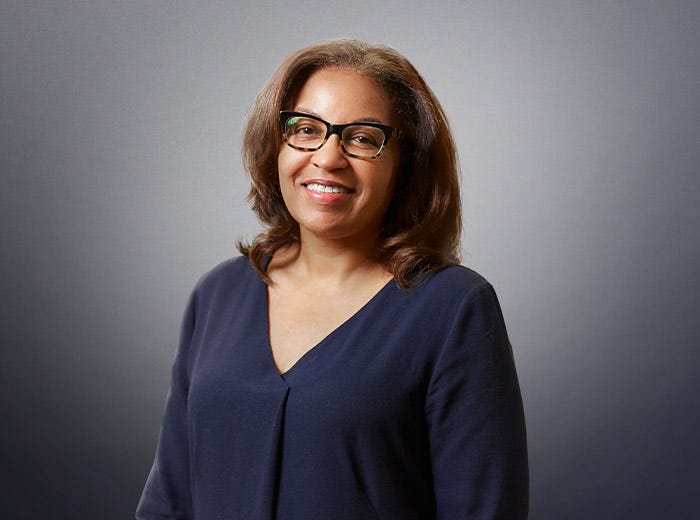
Women In Wellness: Ali Schwebel of Vibrant Body Company On The Five Lifestyle Tweaks That Will Help…

Women In Wellness: Ali Schwebel of Vibrant Body Company On The Five Lifestyle Tweaks That Will Help Support People’s Journey Towards Better Wellbeing

An Interview With Candice Georgiadis

Boundaries — With technology we have the ability to respond and be available 24/7. You have to set boundaries, whether that is when you are available for work or your own social media scrolling. Your mind will thank you and so will your friends and family.

As a part of my series about the women in wellness, I had the pleasure of interviewing Ali Schwebel.

Ali Schwebel is passionate about mission-driven, female focused brands that put an emphasis on women’s health and wellness and forever disrupt the status quo.

For the past 8 years she has been an advocate for Beautycounter, the leader in clean beauty. Through her efforts she has been an advocate for change, working with lawmakers on the importance of stronger personal care legislation that has transformed the skin care industry.

As of September 2022, Ali has been the CEO of Vibrant Body Company — a company pioneering Certified Clean First Layer™ in the Intimates industry through education and a Body First™ design mentality.

Thank you so much for joining us in this interview series! Our readers would love to “get to know you” better. Can you share your “backstory” with us?

I’m a Tennessee girl who has been living in Milwaukee, Wisconsin for the past 18 years. I am a wife and a mother of 2 and interestingly, it was becoming a mom that put me on the wellness focused path I am on today. When my kids were little I became hyper aware of what I was putting on their skin and in their mouths. That was around the same time I learned about the lack of regulation in the personal care industry and ultimately led to me joining Beautycounter as an advocate. I was outraged when I learned about the lack of regulation. Here I was, a new mom, trying to do my best for my kids but having no idea that the products I was using on my kids and myself had potentially harmful ingredients in them. I was shocked to realize none of my friends had access to that information either and it was then that I realized I needed to do something about it. So I joined Beautycounter to share this education with other women. Cleaning up my personal care products led to me cleaning up my cleaning products, my cooking utensils, our food and beyond. But it wasn’t until I was introduced to Vibrant Body Company that I had ever really thought about the fabrics, dyes and chemicals that were in my First Layer™ — bras and underwear. Finding out the apparel industry was as unregulated as the personal care industry was less of a shock the second time around. I knew that I had a voice and a platform to share this important education, on top of loving their Certified Clean products, so saying yes to Vibrant was a somewhat easy decision.

Can you share the most interesting story that happened to you since you started your career? What were the main lessons or takeaways from that story?

One of the highlights of my career was traveling to Washington, DC with 100 other Beautycounter consultants in 2018. I have always voted, but never had I engaged so closely with the democratic process as I did on that trip. We sat down with numerous legislators to talk about the importance of more health protective laws in this country, specifically as it related to personal care products and it was shocking to me that most of them had no clue about the lack of regulation or the lack of power the FDA had over the industry. It was also the first time I truly realized that our legislators work for us. They are there because we put them there and it is their duty and responsibility to listen to their constituents. We should never shy away from making our voices heard on issues that are important to us. That experience was so powerful and left a lasting impression.

Can you share a story about the biggest mistake you made when you were first starting? Can you tell us what lesson you learned from that?

I think the biggest mistake I have made is not trusting my own instincts. When I started as CEO of Vibrant Body Company, I had a lot of doubts because I didn’t fit inside the box of what I assumed a CEO was: I don’t have an MBA, I haven’t risen up the traditional corporate ladder, I’m not always perfectly polished….But I now realize my value comes in many different forms. My value comes from my instincts, my passion and my in the trenches experience. The lesson I learned was to not compare yourself to others, instead use others to learn. Soak up the knowledge you don’t have and lean into your strengths. I don’t believe you have to know it all or be good at it all. Find people that fill your knowledge gaps and lean and learn from them.

Let’s jump to our main focus. When it comes to health and wellness, how is the work you are doing helping to make a bigger impact in the world?

I have a passion for sharing Clean products and also helping women create financial opportunities for themselves and their families. I consider myself very lucky that the two jobs I have allow me to do both.

My job for the last 8 years has been as a leader with Beautycounter. I have worked to educate people about the lack of regulation in the beauty industry and the importance of looking at what is in the products they are putting on their skin daily. I have helped people realize that making safer swaps doesn’t mean they have to compromise performance and they have fallen in love with our products. Through my work with Beautycounter I have also helped hundreds of women to build their own businesses. I feel so passionately about women having access to financial opportunity wherever they find themselves in life. Stay at home mom, working mom, college student, post college, etc. To be able to make a social impact and simultaneously have financial opportunity is really rare.

As the CEO of Vibrant, I am on a mission to educate women on the importance of what they are putting on as their First Layer on their two most porous areas. Like the beauty industry, the apparel/textile industry in the US is not highly regulated. So it is important to be conscious of what fabrics, dyes and chemicals are in your bra and underwear. At Vibrant, everything we do starts with what is best for a woman’s body. Our hero product is a wire-free, constructed bra (no uni-boob ladies!) that is truly the most comfortable bra you have ever worn, but also is Certified Clean — which means there are no harmful fabrics, chemicals, dyes, etc. We have also created an affiliate program so that women that love and shop our products have the opportunity to be rewarded for their referrals. Again, marrying my passion for sharing Clean as well as giving women access to financial opportunity.

Can you share your top five “lifestyle tweaks” that you believe will help support people’s journey towards better wellbeing? Please give an example or story for each.

  1. Boundaries — With technology we have the ability to respond and be available 24/7. You have to set boundaries, whether that is when you are available for work or your own social media scrolling. Your mind will thank you and so will your friends and family.
  2. Movement — Move your body every day. Whether it is a walk or a workout class. For me the Tracy Anderson Method is life so I wake up at 6am during the week and get my workout in. It is truly my time where I am prioritizing myself and my needs. And it took a while but now my kids know not to interrupt me!
  3. Prioritize Sleep — There are so many studies that show the importance of sleep for our minds and our bodies. Listen to them! I make sure I get at least 7 hours of sleep most nights. There is no arguing on how much better I feel and how much better my mindset is when I am well rested. For me, it has been important for me to impart this to my kids as well. It’s not a punishment to go to bed, they are honoring their bodies.
  4. Unfollow — Find yourself following accounts on social media that leave you feeling bad about yourself or about other people? UNFOLLOW them! This simple change can dramatically affect how you feel daily in a very real way.
  5. Hydrate — I am that annoying person that always has a cup with them. I drink water or tea all day. Which also means I probably go to the bathroom more than most too!! There are also numerous studies on how important staying hydrated is, so listen to the experts! Find a favorite cup and take it everywhere. For me currently, it’s my huge Yeti with a straw. You will hardly ever see me without it.

If you could start a movement that would bring the most amount of wellness to the most amount of people, what would that be?

At Beautycounter and Vibrant, I believe I am part of a wellness movement. We are educating and empowering women to make safer choices for themselves and their families while simultaneously giving them access to financial opportunity. Can you think of anything more transformative?

What are your “5 Things I Wish Someone Told Me Before I Started” and why?

  1. Your instincts are your greatest strength — listen to them.
  2. If something scares you, it’s usually a good indication of something you should lean into.
  3. There is never a perfect moment, so don’t wait for it!
  4. Don’t hesitate to ask questions. If you don’t know what someone is talking about, ask for an explanation. It’s not a weakness. It’s a strength to have the confidence to ask for clarity.
  5. You don’t have to be good at everything. Leaning into your strengths and leaning on others for theirs is just good business.

Sustainability, veganism, mental health and environmental changes are big topics at the moment. Which one of these causes is dearest to you, and why?

I really struggled with this question. I would say sustainability is the topic that I think about on a daily basis. It’s mind blowing the amount of waste we generate, but the good news is that as an individual there are small actions we can take that can have a bigger impact. Reusable shopping bags/straws/cups, composting, staying away from fast fashion, never taking plastic bags, investing in products and clothing that will last are just some of the lifestyle changes that overtime can add up. And I also love how it can make you feel like you have some control.

What is the best way our readers can follow you online?

@alischwebel on Instagram

Thank you for these fantastic insights! We wish you continued success and good health.


Women In Wellness: Ali Schwebel of Vibrant Body Company On The Five Lifestyle Tweaks That Will Help… was originally published in Authority Magazine on Medium, where people are continuing the conversation by highlighting and responding to this story.

Female Disruptors: Natalie Lorenz of Decorus Home Staging On The Three Things You Need To Shake Up…

Female Disruptors: Natalie Lorenz of Decorus Home Staging On The Three Things You Need To Shake Up Your Industry

Life is a series of puzzle pieces, and if we view each problem as a puzzle piece and how we can solve the puzzle, the problems become easier to overcome.

As we move into a new phase of our business, which is serving the luxury real estate market, we have had to adjust our pricing which has not always been received favorably. I can see this as a problem or just see it as a puzzle piece we are trying to position in the right way, to find that perfect fit. Sometimes it needs a little rotating to get it right.

As a part of our series about women who are shaking things up in their industry, I had the pleasure of interviewing Natalie Lorenz.

Natalie Lorenz is an international award-winning home staging expert, CEO, Speaker and TV Contributor. She has become known as “America’s Home Staging Expert” with television and media features on NBC, CBS, Cheddar, CW, Elle Décor, and some of the top stages in America. Natalie is the Founder and CEO of Decorus Home Staging and Design with offices in Seattle and Southwest Florida. Natalie leads her team of award-winning luxury vacant home stagers to challenge the status quo. It’s that unique and customized approach that has garnered Natalie some of the most respected accolades including being named one of the Top 100 Most Influential People in Real Estate Staging by the Real Estate Staging Association for five years running.

Natalie, an undeniable leader in the staging industry, has taken her business from an incubator startup to a 7-figure business in just five short years. She is accredited through Certified Staging Professionals and Staging Design Professional, and is a Short Term Rental Stylist and a Certified Color Consultant.

Hailing from South Africa, Natalie relocated to the U.S. nearly two decades ago and now calls America, home. She is a wife and mother of two.

Natalie would love to help you achieve luxury, balance and unmatched quality that converts in your next one-of-a-kind home staging design.

Thank you so much for doing this with us! Before we dig in, our readers would like to get to know you a bit more. Can you tell us a bit about your “backstory”? What led you to this particular career path?

I always had an interest in interior design and when I moved to the States I had considered getting a degree in Interior Design. As a young married woman, living in the Bay Area, it wasn’t on the cards for me and I decided to put this dream on the back burner. Fast forward after having my two daughters, I found myself needing back surgery. While I was recovering from major back surgery, I watched way too many home improvement shows and told my husband I wanted to flip a house. Once I recovered, I got my real estate license and bought a house to flip. My husband said, I chose the Mount Everest of flips to do, because it was an extremely difficult project to complete. As we were getting ready to list the house for sale, my realtor advised me that I needed to stage the house. I didn’t know much about staging at that point but I did know I didn’t want to spend another dime on the house. I eventually agreed and found a budget stager to stage the house and we have a saying in the industry, cheap staging isn’t good and good staging isn’t cheap! Well, I got what I paid for and needed to supplement the staging. I was very excited about having to go shopping and decorate the house. My husband said, “You mean you could have just done this part and you would been happy?” I think we both realized that flipping houses wasn’t for me but decorating was. A friend suggested I start a home staging business but because the project was so difficult, I couldn’t imagine starting a new business. I took a couple of months to catch my breath and that Christmas my husband gave me a few staging books. I started reading them and saw that there were staging conferences a couple of times a year and there happened to be one in Las Vegas in January. He said, “Well, I guess you are going to Vegas”. I couldn’t go to Vegas without really knowing what Staging was about. I found myself some educational tools and a couple weeks later went and got certified as Home Stager and then attended my first Staging Conference. A month later, Decorus Home Staging was born. I believe I came full circle with my love for interior decorating. I am not an Interior designer but I get to design beautiful spaces with a purpose every day.

Can you tell our readers what it is about the work you’re doing that’s disruptive?

This is a multi-layer question. We are disrupting the status quo. No 1: From an industry point of view…

Home stagers can sometimes have an air about them and get very territorial about “their Designs.’ I can understand this as we put our hearts into every design we do but after attending an Inman conference a few years ago I really heard what realtors were wanting from their vendors. From that day forward, I decided that at Decorus Home Staging, we were checking our egos at the door and what we were doing was not about us, it was about the marketing vision that the realtor had and that we were there to support that vision. This is now our business philosophy. Many people are amazed at how small our marketing and advertising spend is. What we do is ALL about relationships and not how good our advertising is.

No 2: From a design and product prospective. Home Staging is not about throwing furniture in a house and hoping for the best. For me and my business, it is the upmost importance that what we put into a seller’s home is pristine and as near perfect as possible. It is so important to us, that we developed reusable furniture covers to protect our staging props to ensure that we keep that high standard of quality in each home. We now manufacture these covers in the USA and they are available to the industry for purchase. The earlier adopters of theses covers are hooked and it has been a game changer in their businesses.

No 3: During the pandemic, supply chain issues caused a major problem for obtaining new inventory. Part of what makes a stage a spectacular one is the artwork, and we couldn’t get our hands on any in a timely manner to keep our product standards. We decided to bring printing and manufacturing of artwork in-house and have a full-blown framing workshop in our warehouse. This has set us apart as we can fully curate artwork for a specific house on a whim. THIS challenges the status quo and puts us ahead of our competition.

Can you share a story about the funniest mistake you made when you were first starting? Can you tell us what lesson you learned from that?

The funniest mistake I made was believing that I was an “expert in my field” just because I just completed my training. Ok, I didn’t really believe it but I was told that I should believe it. The truth of the matter is that I felt like an imposter and it took about two years and 100’s of houses later to actually feel like I knew what I was doing and be confident in my abilities. The person that told me this was shocked that I didn’t feel like an expert. I definitely feel like there’s a certain degree of ‘faking it till you make it’ through our life. But you have to know the difference and be authentic in your belief.

We all need a little help along the journey. Who have been some of your mentors? Can you share a story about how they made an impact?

I have many sounding boards in the staging industry that I often speak to about various issues. There has been many a time when I have felt like giving up, or I have been so mad at all my staff and felt underappreciated and those “talk me down” phone calls have been impactful by speaking to someone that not only knows the pains of our industry but can empathize and always give a different point of view. I believe it is really important to have trusted confidants that can help you through the “human” side of business.

My dad has always been a huge mentor in my life. His career in senior management of the largest private airline in Southern Africa, gave him years of wisdom he can impart. He managed a large staff, and I think the hardest part of running a business, is the managing the people. He always knows how to approach a specific problem when they arise. His best piece of advice that always comes to mind when I am dealing with my team, is that you should always address the problem, not the person. I don’t care for any sort of conflict; this is always a struggle for me when I need to deal with staffing issues. This piece of advice definitely helps me overcome my fear of “hurting their feelings”.

On a personal note, throughout my childhood and youth, he has always told me that ‘I am the head, and not that tail”. I tribute this belief to my “glass full” attitude and belief that I can do things even when they seem daunting.

In today’s parlance, being disruptive is usually a positive adjective. But is disrupting always good? When do we say the converse, that a system or structure has ‘withstood the test of time’? Can you articulate to our readers when disrupting an industry is positive, and when disrupting an industry is ‘not so positive’? Can you share some examples of what you mean?

Disruption can definitely ruffle feathers! People either love you for it or hate you for it. I think disruption is good when it elevates the industry as a whole and it’s for the greater good. I have a deep desire to see other small businesses thrive and if I can disrupt the status quo to help elevate them in their business and thus the industry, we all win. I think disruption is bad when you do it for self-gain at others’ expense.

An example of a good disruption, is our doing a lot of R and D on the furniture protection covers. Not only did it help our business save on manpower, time, money and waste, but those that have adopted it have found huge savings in their businesses and they can’t operate without them! Not only that, by protecting our inventory, we put a better product into people’s houses. This as a whole raises the standard of the industry. Winning all round! We disturbed the status quo for the better.

Can you share 3 of the best words of advice you’ve gotten along your journey? Please give a story or example for each.

1). Life is a series of puzzle pieces, and if we view each problem as a puzzle piece and how we can solve the puzzle, the problems become easier to overcome.

As we move into a new phase of our business, which is serving the luxury real estate market, we have had to adjust our pricing which has not always been received favorably. I can see this as a problem or just see it as a puzzle piece we are trying to position in the right way, to find that perfect fit. Sometimes it needs a little rotating to get it right.

2). If in doubt, then no

I use this while shopping, whether is clothing or inventory, this has saved me so many times from spending money on something that won’t get used.

3). Regret the chances you take vs the chances you don’t take.

I don’t have any regrets in my life!

We are sure you aren’t done. How are you going to shake things up next?

The staging industry is still fairly new. It is definitely prevalent in some markets but there is still so much to do in other markets. The paradigm shift of taking someone’s home to make it a product to take to market, still has a long way to go. Through our standard of excellence and always raising the bar, It is my goal to not only make this shift nationally but internationally. We are starting by expanding our business into Florida. While we continue to excel in Seattle, there is still much work to be done.

Over and above that, my husband and I have a heart to serve and help anyone that seeks help in our industry. Our partnership has always been one of “ always say yes and we will figure out the rest”, so while we expand our staging and staging support business, I have no doubt that when that next opportunity arises to make a difference, we will say YES!

In your opinion, what are the biggest challenges faced by ‘women disruptors’ that aren’t typically faced by their male counterparts?

Having a solid support system. They say behind every strong man, is a strong woman. I believe the same should be said of a woman. I feel blessed to have an amazing husband that does whatever he needs to do to support me and our business. It has been said of my relationship with my husband, that I am the flame and he is my fuel.

It Is my hope that every trailblazer can have a “fuel” behind them!

Do you have a book/podcast/talk that’s had a deep impact on your thinking? Can you share a story with us?

I just recently read “Three Feet from Gold” by Greg S. Reid and Sharon Lecther. Owning a small business in today’s turbulent world is not easy and the weight weighs heavy some days. Over the last five years I have sewn so many seeds and nurtured them but the feeling of it never being enough was very present. I was wondering when I would hit that gold vein. The book definitely helped me to dig deep and not give up because we are literally three feet from gold. We are SO close to that vein and every day we inch closer to it. Never give up.

You are a person of great influence. If you could inspire a movement that would bring the most amount of good to the most amount of people, what would that be? You never know what your idea can trigger. 🙂

If I could inspire a movement to reject mediocrity and adopt exceptionalism, I believe that the world would be a better place. Have you been out to a restaurant and paid good money for service that was mediocre and food dead-average? You walk out of there feeling ripped off and upset because you have been let down. Have you been to a car dealer where it doesn’t matter what car you are buying, you have been treated with the upmost professionalism, treated like you are the only person that matters and that your experience is the only experience that matters? You feel happy and appreciative of the encounter and made you feel human and well loved. Imagine if we felt that every day? If we all strived for excellence in everything we do, our jobs, our interactions with people, service, products, it would make a positive impact on the world.

Sadly, in today’s society, more so evident after the pandemic, mediocrity has set in and it feels like everyone has given up. I dream of a world where we can say with authenticity “How can I serve you?!” AND do it with excellence.

Can you please give us your favorite “Life Lesson Quote”? Can you share how that was relevant to you in your life?

“You can choose to not participate in the crazy” — Me

I have had some toxic people in my life and sadly spent many hours rent free in my mind. I made a conscious decision to not participate in the crazy and it was freeing. It’s ok to walk away from toxic people! And I am a lot happier for it.

“ You don’t have to give up your core values to conform to social pressures” — Me

I have never been one to bend to peer pressure and I hold very firm to my core value that I grew up with and hold near to me to this day. I am ok with not compromising those values, and it makes me authentically me. You either love me or not, and that’s ok!

How can our readers follow you online?

Instagram and Facebook @decorshomestaging

@iamnatalielorenz

www.decorushomestaging.com

www.americashomestagingexpert.com

www.iamnatalielorenz.com

This was very inspiring. Thank you so much for joining us!


Female Disruptors: Natalie Lorenz of Decorus Home Staging On The Three Things You Need To Shake Up… was originally published in Authority Magazine on Medium, where people are continuing the conversation by highlighting and responding to this story.

Female Disruptors: Alisa Grafton of De Pinna Notaries On The Three Things You Need To Shake Up Your…

Female Disruptors: Alisa Grafton of De Pinna Notaries On The Three Things You Need To Shake Up Your Industry

An Interview With Candice Georgiadis

Firstly, in social situations, don’t judge a book by its cover. I regret to say that during my career there have been a few uncomfortable scenarios where I dismissed someone “because they didn’t look important enough”, only to find out — to my surprise and embarrassment — that they were the decision-maker. Don’t assume anything.

As a part of our series about women who are shaking things up in their industry, I had the pleasure of interviewing Alisa Grafton.

Alisa Grafton is a partner at De Pinna Notaries, a leading legal notaries firm, and assists law firms, investment banks and multinationals to execute cross-border transactions. She is also active in female leadership and is a mentor for the Athena40 Forum. Alisa recently published her first book Great Networking: The Art and Practice of Building Authentic Professional Relationships.

Thank you so much for doing this with us! Before we dig in, our readers would like to get to know you a bit more. Can you tell us a bit about your “backstory”? What led you to this particular career path?

First of all — thanks for this opportunity to talk to your readers.

My career started back in 2001 when I came to settle in London from abroad. I was looking for the best way to use my legal qualification and linguistic skills and someone mentioned notaries. I started as an assistant but was offered a training contract early on, and then worked my way up to make partner 11 years after joining that firm.

I have always enjoyed the work and perhaps more than anything else — the chance to deal with clients on a daily basis. I have met unbelievably inspiring people along the way, but for me, the real interest has been in building a network of contacts that help to consistently grow and expand the business. This has also become the real inspiration behind my book, “Great Networking: The Art and Practice of Building Authentic Professional Relationships”.

Can you tell our readers what it is about the work you’re doing that’s disruptive?

I belong to a rather traditional, fairly closed-off and extremely small profession — Scrivener Notaries Public. In fact, there are only around 35 of us in the whole of our jurisdiction of England and Wales!

Many of the clients are passed from an older generation of notaries to the new generation, and traditionally there has not been much focus on developing business through establishing new connections.

However, unlike many of my colleagues at the time, I did not already belong to an established network when I entered the profession, I had to learn to network and find my own tribe. That was essential for progressing my client base and for cementing my place in the profession. Needless to say, that was not without its challenges. But now, looking back, I know that the goal was absolutely worth it.

Can you share a story about the funniest mistake you made when you were first starting? Can you tell us what lesson you learned from that?

From early on in my career, I tried to develop relationships with those whom I felt I could learn from. This meant that I occasionally appeared to have punched above my weight, joining events that primarily attracted the heavyweights in their fields. I went through the period when I felt — by far! — the stupidest and the most junior person in the room… But you know what? It did not kill me, but the guts that it took me just to sit at that “big bosses” table gave me an injection of confidence that I can handle a difficult work situation. Even the one where I feel completely out of my depth.

We all need a little help along the journey. Who have been some of your mentors? Can you share a story about how they made an impact?

Ah, this is my favourite topic! To put it succinctly, I would not be where I am today, had it not been for the many generous people who have shared their time, guidance and advice with me.

In my book, “Great Networking”, I reiterate that no man is an island, and I describe in detail the impact certain people had on both my career and my wider understanding of the way the world moves. Whether it is a coaching session from an in-demand professional or access to the book of business from a colleague — I never forget people who have been kind to me. And I am fully aware that my success is never entirely mine, and it needs to be shared.

In today’s parlance, being disruptive is usually a positive adjective. But is disrupting always good? When do we say the converse, that a system or structure has ‘withstood the test of time’? Can you articulate to our readers when disrupting an industry is positive, and when disrupting an industry is ‘not so positive’? Can you share some examples of what you mean?

In my mind, the real skill is to know what to keep and what to change. Take the tech progress, for example. I am excited about the opportunities that tech developments offer in the workplace, but I am concerned about what it might mean for the social skills in certain circumstances. Machines can simplify routine tasks, but they cannot replace communication between humans, and so while we encourage technological development in the workplace, we should be just as passionate about maintaining and improving the so-called soft skills. This is truly our advantage as species.

Can you share 3 of the best words of advice you’ve gotten along your journey? Please give a story or example for each.

Firstly, in social situations, don’t judge a book by its cover. I regret to say that during my career there have been a few uncomfortable scenarios where I dismissed someone “because they didn’t look important enough”, only to find out — to my surprise and embarrassment — that they were the decision-maker. Don’t assume anything.

Secondly, remember the kindness that people have shown you, and be grateful. Don’t shy away from saying a genuine “Thank you”. I have gained valuable clients simply because I lifted the phone and expressed my gratitude. People like recommending people who acknowledge goodwill.

And thirdly — enjoy success. Celebrate others, absolutely, but also remember to celebrate your success. You’re not just “lucky”, success normally comes as a result of hard work and determination, and these are worth celebrating. I am somewhat struggling with this, so this is the advice I will take away myself!

We are sure you aren’t done. How are you going to shake things up next?

I am excited to see where the journey that I started with publishing “Great Networking” will take me.

I am massively passionate about writing and speaking on the development of social skills in a work environment, the importance of connecting with others, and honouring your authentic self whilst challenging yourself to build the kind of relationships that can transform careers, and lives. I know that these topics are much in demand now more than ever, and different generations are keen to learn about the best ways of connecting with each other.

In your opinion, what are the biggest challenges faced by ‘women disruptors’ that aren’t typically faced by their male counterparts?

I am not going to be original here, but speaking as a working mum, the real challenge is the mental load that many women continue to face. Somehow, we fancy ourselves as home goddesses in the house and business wolves at work. We strive to deliver on so many levels, regularly feeling inadequate, often ridden with guilt and occasionally (a bit too occasionally sometimes!) — on a verge of a breakdown. To solve this conundrum, we need to be prepared to communicate our needs, to share the load and seek the solution that does not solely involve bearing more load on our shoulders. And doing so will make us better at being more creative and effective positive disruptors.

Do you have a book/podcast/talk that’s had a deep impact on your thinking? Can you share a story with us?

My go-to book when it comes to social skills is Dale Carnegie’s “How to make friends and influence people”. It may be written in a somewhat archaic language, but the sentiment at the heart of the book is very strong. We all have the need to be appreciated and understood — and once we understand this deeply, we reset our communication with people.

You are a person of great influence. If you could inspire a movement that would bring the most amount of good to the most amount of people, what would that be? You never know what your idea can trigger. 🙂

Aha, what a great question! I would love for the training in modern-day networking and connections-making to be a standard in the workplace. Social skills are a critical element of a person’s professional development, and we cannot leave this to chance or a personal aptitude. I am also growing very mindful of the importance of learning inter-generational networking, and I would love to be at the forefront of developing this discourse.

Can you please give us your favorite “Life Lesson Quote”? Can you share how that was relevant to you in your life?

I have grown to realise that one of the best predictors of life’s success — meaning happy life rather than swimming in luxury! — is one’s social skills. This is especially relevant for parents to realize when they’re making a judgement on what to concentrate more on — the extracurricular coding classes vs a team sport, for example. In my view, the focus on developing the ability to deal with people, to find common grounds and be at ease in different circles is never a wasted focus. The more I worked on these skills, the more successful, and happier, I became — both, professionally and personally. I think in this day and age of technological progress everywhere, it is critical to remember that, above all and always, we have survived and thrived as species because of our social skills first and foremost.

How can our readers follow you online?

Please follow me on LinkedIn at https://www.linkedin.com/in/alisa-grafton-993b3b2/ and on Instagram at great.networking. There are many exciting things happening right now, and I would love the readers to become part of this journey.

This was very inspiring. Thank you so much for joining us!


Female Disruptors: Alisa Grafton of De Pinna Notaries On The Three Things You Need To Shake Up Your… was originally published in Authority Magazine on Medium, where people are continuing the conversation by highlighting and responding to this story.